
Your cart is currently empty!
Researchers Discover Brazilian Rainforest Tree With Powerful Anti-COVID Compounds
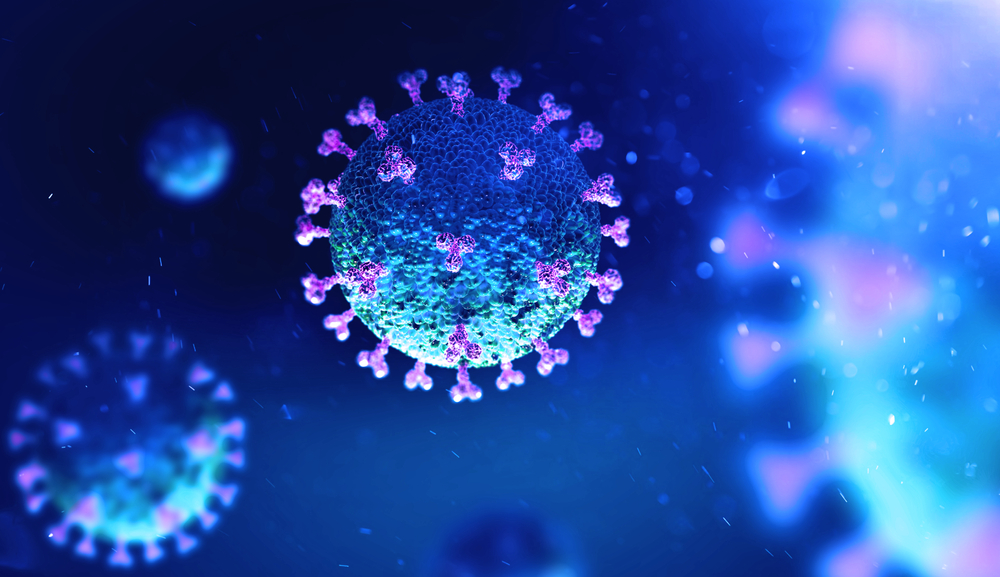
A tree hidden inside one of the most biologically rich forests on Earth has become the center of a major scientific discovery after researchers found compounds in its leaves that appear to attack COVID-19 from several different angles at once. Scientists studying Copaifera lucens Dwyer, a species native to Brazil’s Atlantic Forest, discovered natural compounds that interfered with the virus’s ability to enter human cells, reproduce itself, and evade immune defenses during laboratory testing. After years of endless variants, mutations, and treatments that often target only one specific part of the virus, the findings immediately drew attention because of how broadly the compounds appeared to act against SARS-CoV-2.
Contents
show
Researchers from the University of São Paulo worked alongside teams in Egypt to isolate compounds known as galloylquinic acids from the tree’s leaves before exposing them to the virus under controlled lab conditions. According to the findings published in Scientific Reports, the compounds reduced viral protein production while also showing anti-inflammatory and immunomodulatory effects that may help regulate dangerous immune responses linked to severe COVID cases. The discovery also reopened a larger conversation scientists have been having for years about biodiversity and deforestation, because researchers believe forests may still contain countless undiscovered compounds with the potential to become future medicines.
Scientists Focused On A Rare Brazilian Tree
The research centered on Copaifera lucens Dwyer, a tree species native to Brazil’s Atlantic Forest, an ecosystem known for its enormous biodiversity and high concentration of plant life found nowhere else on Earth. Scientists involved in the study have spent years researching medicinal properties within the Copaifera genus, which helped guide their decision to investigate this particular species more closely.
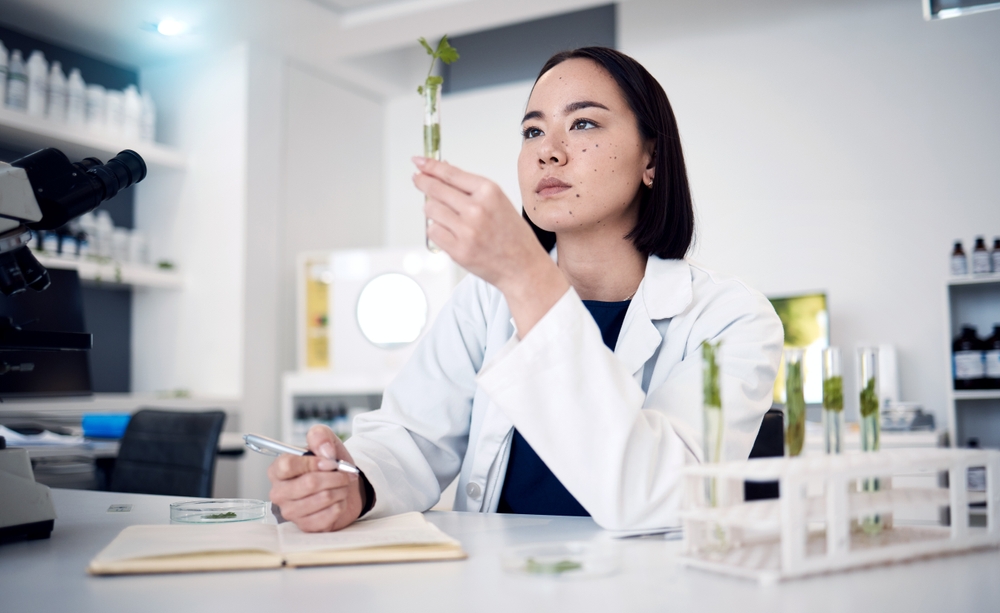
Researchers isolated compounds called galloylquinic acids from the leaves before conducting a series of laboratory tests to evaluate both safety and antiviral activity. Before exposing the compounds to SARS-CoV-2, the team first performed cytotoxicity tests to determine whether the substances could damage healthy cells. That step is considered essential before researchers begin evaluating antiviral potential.
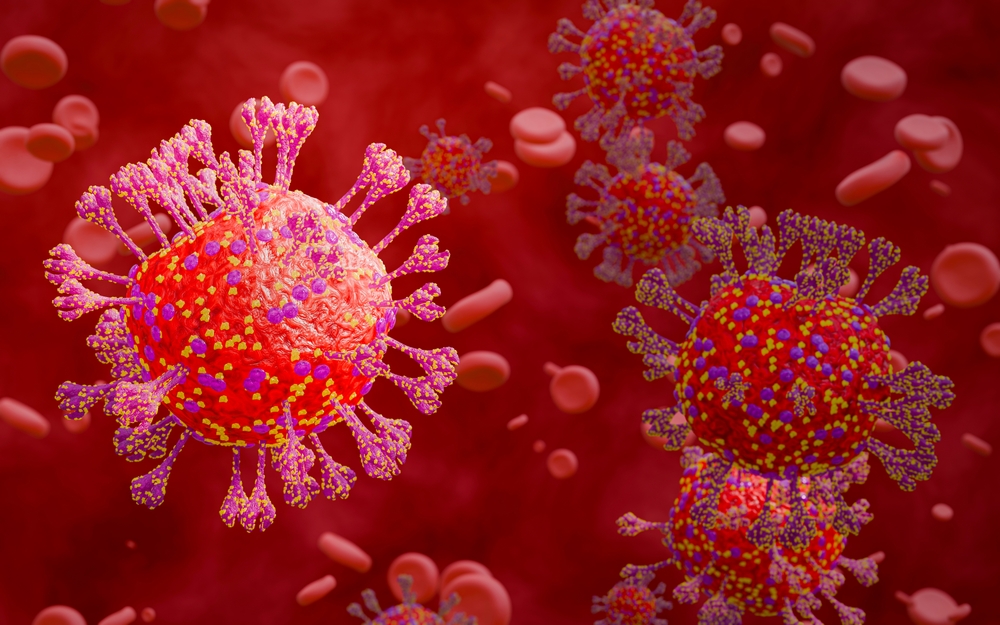
The researchers then used plaque reduction assays to measure how effectively the compounds could neutralize viral particles. The testing showed clear activity against SARS-CoV-2, leading scientists to investigate how the compounds interacted with several critical components the virus depends on to infect and reproduce inside the body.
“This integrated approach allowed us to understand how the compounds work and how they act at the molecular level,” said Mohamed Abdelsalam, an assistant professor of pharmacognosy and natural product chemistry involved in the study.
The Compounds Targeted Several Parts Of The Virus
One reason the findings attracted attention is that many antiviral treatments focus on a single viral mechanism, which can create problems once a virus mutates around that target. The galloylquinic acids appeared to interfere with several different systems SARS-CoV-2 relies on throughout its life cycle.
Researchers found the compounds interacted with:
- The receptor-binding domain of the spike protein that allows the virus to enter human cells
- Papain-like protease (PLpro), an enzyme linked to immune evasion
- RNA polymerase, which SARS-CoV-2 needs to replicate itself
- Viral protein production inside infected cells
The compounds also demonstrated anti-inflammatory and immunomodulatory effects during testing. Scientists believe that could become especially important because severe COVID cases were often tied not only to the virus itself, but also to dangerous immune overreactions inside the body.
According to the published findings, the compounds were capable of blocking viral entry into cells while simultaneously interfering with the replication process. Researchers also observed a reduction in viral protein production during testing, which added to the growing interest surrounding the study.

Why Scientists Believe The Discovery Matters
Viruses constantly mutate, and COVID repeatedly demonstrated how quickly variants can emerge and spread across populations. One major challenge with antiviral treatments is that many of them target only one specific viral protein or pathway, allowing viruses to gradually develop resistance through mutation.
Researchers believe the compounds extracted from the Brazilian tree may offer an advantage because they appear to operate through multiple mechanisms simultaneously. Scientists say that kind of broad activity can make it harder for viruses to adapt and bypass treatment.
“An important aspect revealed by this information is the multi-target mechanism of the compound, which reduces the likelihood of resistance developing. This is because many current antivirals act on only one viral protein, which promotes this effect,” said Jairo Kenupp Bastos from the Ribeirão Preto School of Pharmaceutical Sciences.
The findings also added to ongoing scientific interest in plant-derived antiviral compounds. Researchers have spent decades studying natural compounds found in forests, fungi, and marine ecosystems because many modern medicines originally came from natural sources before being adapted into pharmaceutical treatments.
Galloylquinic Acids Were Already Known To Researchers
Galloylquinic acids were not unknown compounds before the COVID research began. Earlier studies had already linked them to several biological activities, including antifungal and anticancer effects observed in laboratory and cell-based experiments.
Researchers also pointed to earlier studies involving related compounds that showed strong inhibition of HIV-1 in laboratory testing, with lower toxicity than several other substances examined in those experiments. That earlier research helped increase scientific interest in exploring the compounds further.
Scientists studying medicinal plants often focus on compounds that display broad biological activity because they may eventually lead to treatments for multiple diseases or conditions. Natural compounds can sometimes affect complex biological systems in ways that synthetic molecules fail to replicate.
Several major medical breakthroughs have roots in natural compounds discovered in plants:
- Aspirin was developed from compounds found in willow bark
- Quinine originated from cinchona tree bark and became a malaria treatment
- Paclitaxel, a major chemotherapy drug, was derived from the Pacific yew tree
- Artemisinin, another malaria treatment, came from sweet wormwood
Researchers say discoveries like these continue to justify efforts to study ecosystems with large amounts of biodiversity.
The Atlantic Forest Became Part Of The Bigger Story
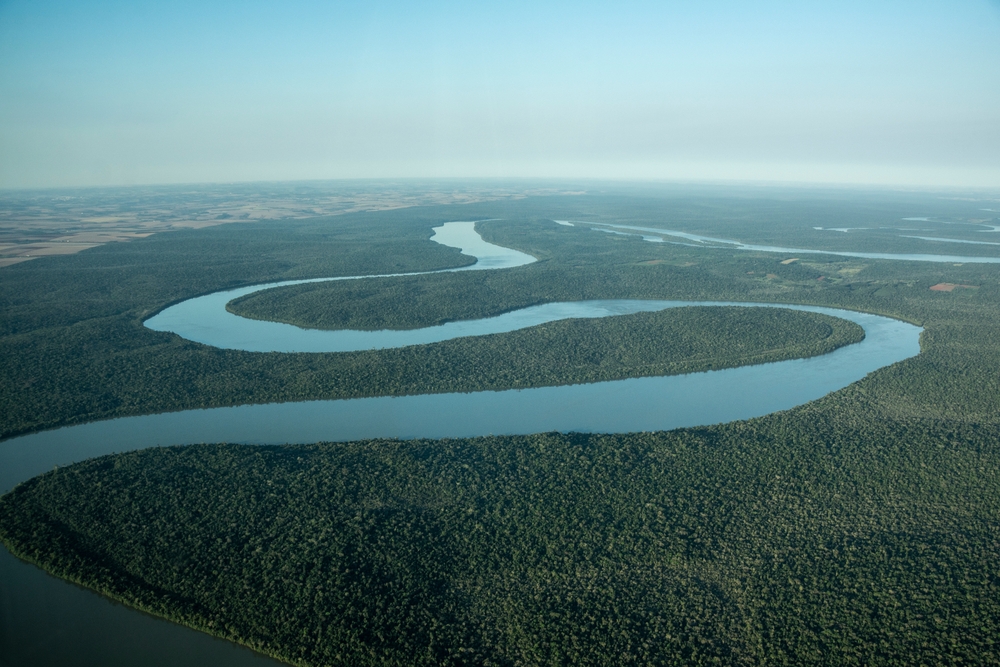
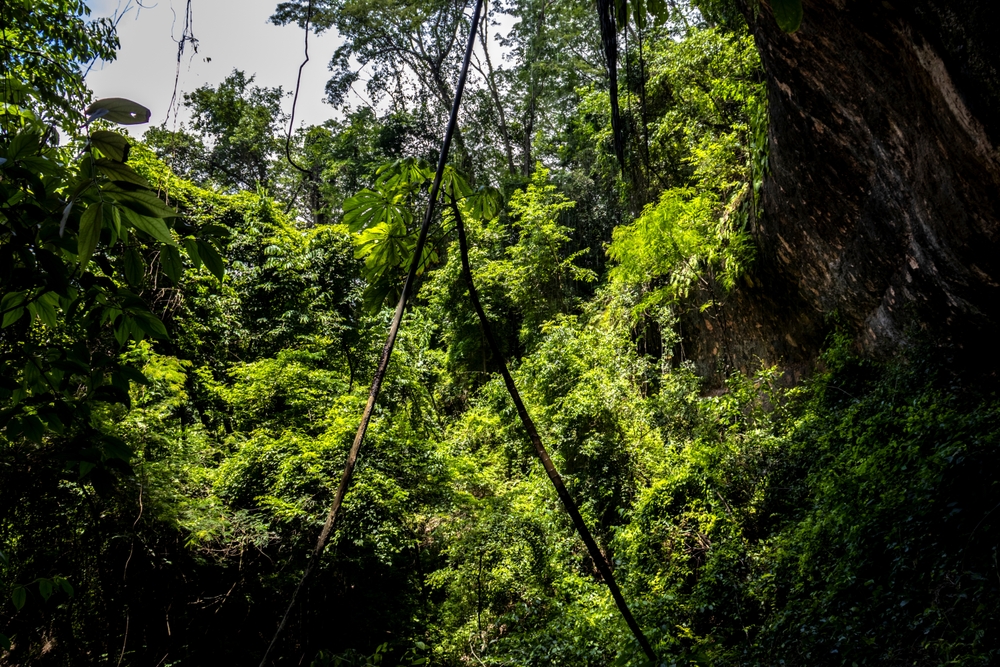
The study quickly expanded beyond COVID research and became part of a broader conversation surrounding biodiversity and environmental protection. Brazil’s Atlantic Forest is considered one of the most threatened ecosystems in the world, after decades of deforestation, urban development, and agricultural expansion drastically reduced its original size.
Despite those losses, the forest still contains thousands of plant species, many of which have never been fully studied by scientists. Researchers involved in the study described Brazilian biodiversity as a strategic resource for discovering new therapeutic compounds and future medicines.
The discovery of antiviral compounds inside a rainforest tree reinforced an argument many scientists have made for years. Destroying ecosystems may eliminate potentially important medical resources before researchers even have the opportunity to study them.
The timing of the discovery also gave the story additional weight. COVID-19 reshaped healthcare systems, economies, and daily life across the world, leaving researchers searching for better antiviral tools while also preparing for future pandemics that may emerge later.
Researchers Say Human Testing Still Needs To Happen
Scientists stressed that the findings remain in the early stages of research despite the promising laboratory results. The compounds have not yet undergone animal testing or human clinical trials, meaning researchers still need to determine whether the substances are safe and effective outside controlled lab environments.
Before any treatment could eventually reach public use, researchers would still need to complete several stages of testing:
- Animal studies to evaluate safety and biological effects
- Human clinical trials to measure effectiveness
- Dosage testing and toxicity analysis
- Long-term safety monitoring
- Regulatory approval processes
That process can take years, and many promising compounds never become approved medicines despite strong early results in laboratory testing.
Still, researchers believe the findings justify further investigation because of the compounds’ broad antiviral activity and multi-target effects. The study, titled “Bioactive galloylquinic acids from Copaifera lucens as dual inhibitors of SARS-CoV-2 Spike and RdRp proteins,” was published in Scientific Reports in 2026.
Somewhere inside the remaining stretches of Brazil’s Atlantic Forest, scientists believe there may still be thousands of undiscovered compounds waiting inside plants, trees, fungi, and microorganisms that have barely been studied at all. After the world spent years battling a global pandemic, discoveries like this are forcing researchers to look much more carefully at what might already exist beneath the forest canopy.
Sources:
- El-Morsi, R. M., Al-Madboly, L. A., Bastos, J. K., Aboukhatwa, S. M., Nasr, S. A., Ghareeb, D. A., Ramadan, H. A., Kushkevych, I., & El-Salam, M. a. A. (2026). Bioactive galloylquinic acids from Copaifera lucens as dual inhibitors of SARS-CoV-2 Spike and RdRp proteins. Scientific Reports, 16(1), 4521. https://doi.org/10.1038/s41598-025-25217-8
- USP – Universidade de São Paulo – Universidade pública, autarquia ligada à Secretaria de Estado de Ensino Superior de São Paulo. (n.d.). https://www5.usp.br/english/
antiviral compounds, Atlantic Forest, biodiversity, Brazil, Brazilian tree, galloylquinic acids, healthcare research, medical breakthrough, natural medicine, pandemic news, plant compounds, rainforest discovery, rainforest medicine, sars-cov-2, Science news, Scientific Reports, University of São Paulo, viral discovery