
Your cart is currently empty!
Eight Crested Ibises Soar Over Mainland Japan in Historic Release, Decades After Extinction
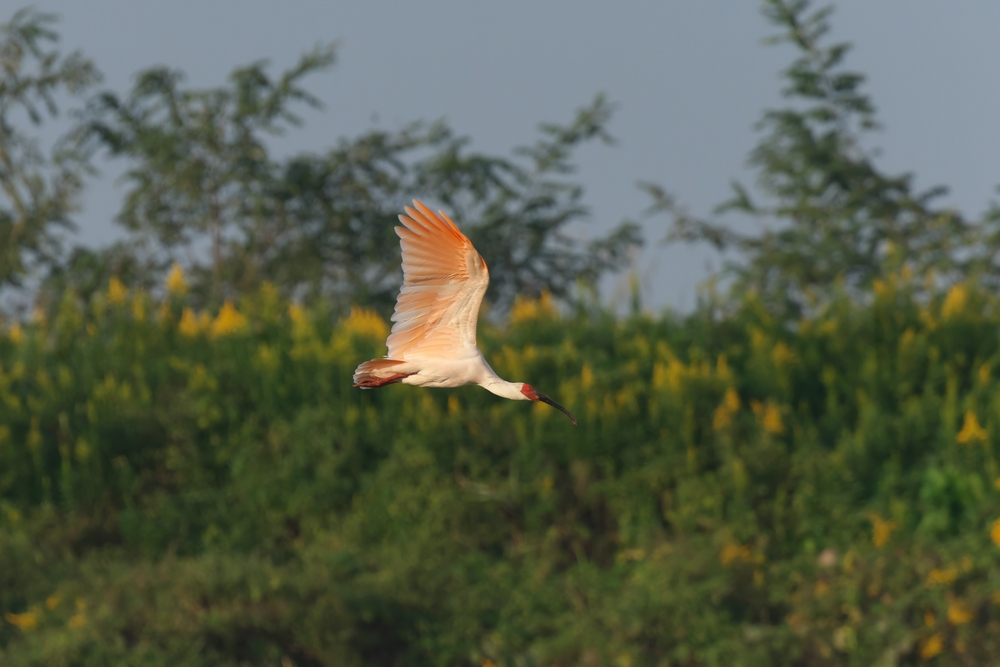
A familiar and beautiful sight had long been missing from the skies over Japan’s main island. The crested ibis, a striking bird known for its pale pink wings, was once considered lost forever to the wild. Yet, nature sometimes offers a remarkable second chance. Following years of quiet dedication and cross-border teamwork, these birds are finally taking flight once again in a region that desperately needs a comforting symbol of hope.
Contents
show
A Historic Return to the Noto Region
In Hakui city on Sunday, May 31, 2026, a hopeful crowd gathered to watch eight crested ibises take flight. This release brought the endangered birds back to the Noto region, the exact area where they were last seen in the wild decades ago. Raised at a conservation center on Sado Island in Niigata prefecture, these birds are the result of years of careful breeding efforts.
The release officially began when Crown Prince Akishino, Crown Princess Kiko, and local officials cut the ribbons holding the wooden cages shut. Residents cheered as the birds stepped out and flew into the sky.
This event means more than just a win for wildlife. For the local communities, seeing the ibises return brings a much-needed sense of hope. The Noto region is still rebuilding from the severe earthquake in 2024, and residents view the successful return of these birds as a sign of recovery. As these first eight ibises get used to their new home, wildlife officials have 10 more birds waiting in acclimatization cages for future release. The long-term goal is to build a healthy, lasting population in the area.
The Tragic Decline of the Toki
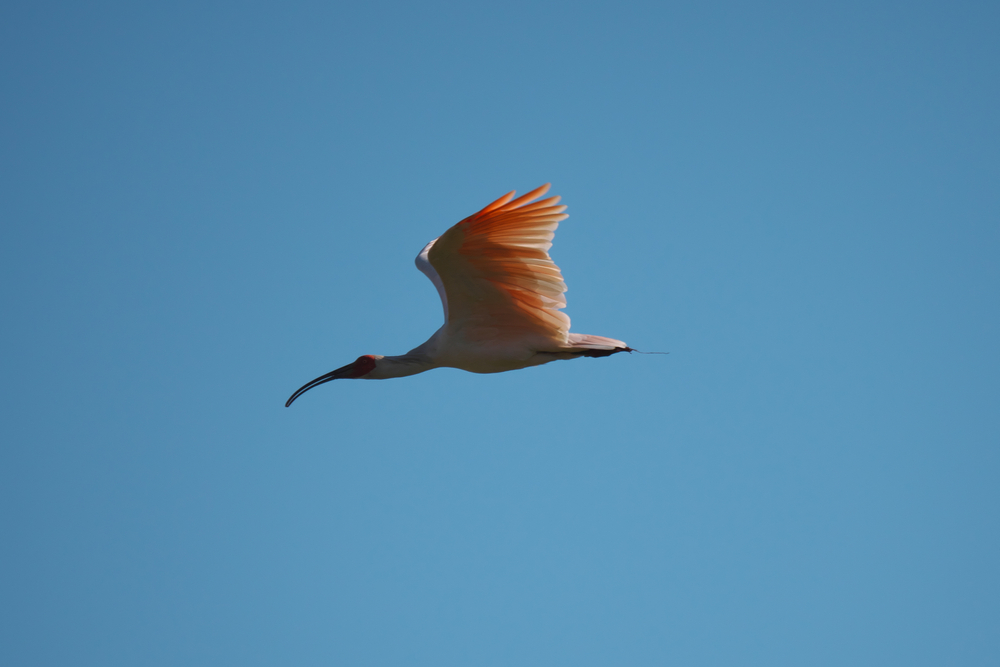
The crested ibis, affectionately known as the “toki” in Japan, is a striking bird. They are admired for their snow-white feathers, vibrant orange-pink hues beneath their wings, and distinctive bright red markings around their eyes. For centuries, these beautiful birds were a common sight across East Asia.
However, the toki faced a heartbreaking decline. As the country modernized rapidly, the birds lost their natural habitats to environmental damage. Overhunting further pushed them to the brink. By the 1970s, the crested ibis had completely vanished from Honshu, Japan’s main island. The devastating reality set in when the very last native Japanese toki died in 2003 on Sado Island. For a while, it seemed like the bird would only exist in memories.
The story could have ended there, but hope came from across the sea. The remarkable comeback of the toki is heavily credited to international cooperation, specifically support from China. In 1999, China donated a healthy pair of crested ibises to Japan. This generous gift sparked a dedicated artificial breeding program. It was this exact pair that successfully produced the first crested ibis chick born in captivity in Japan, rewriting the fate of the entire species.
Wings of Recovery
While the recent release in Hakui city is a massive milestone, it is built on decades of quiet, dedicated work. Following the arrival of the gifted pair in 1999, the Japanese Environment Ministry poured their energy into saving the species. It was a delicate process, but the captive breeding program proved successful.
By 2008, wildlife experts were ready to take a major step. They released 10 captive-bred ibises into the wild on Sado Island. This was a crucial test to see if the toki could survive outside of protected areas.
The results have been deeply inspiring. Thanks to ongoing conservation efforts, those initial birds laid the foundation for a remarkable comeback. Today, the crested ibis population on Sado Island has grown to roughly 500 birds.
This success did not happen by accident. It required a community effort to create a safe environment. Farmers on Sado Island changed their agricultural practices, establishing pesticide-free feeding grounds to ensure the ibises had clean habitats and plenty of safe food. It is a powerful example of how human choices can directly help nature heal.
The booming population of 500 ibises on Sado Island is exactly what made the recent Hakui city release possible. It proves that even when a species reaches the very edge of extinction, dedicated teamwork and environmental care can pull them back.
A Dream Realized for Ishikawa
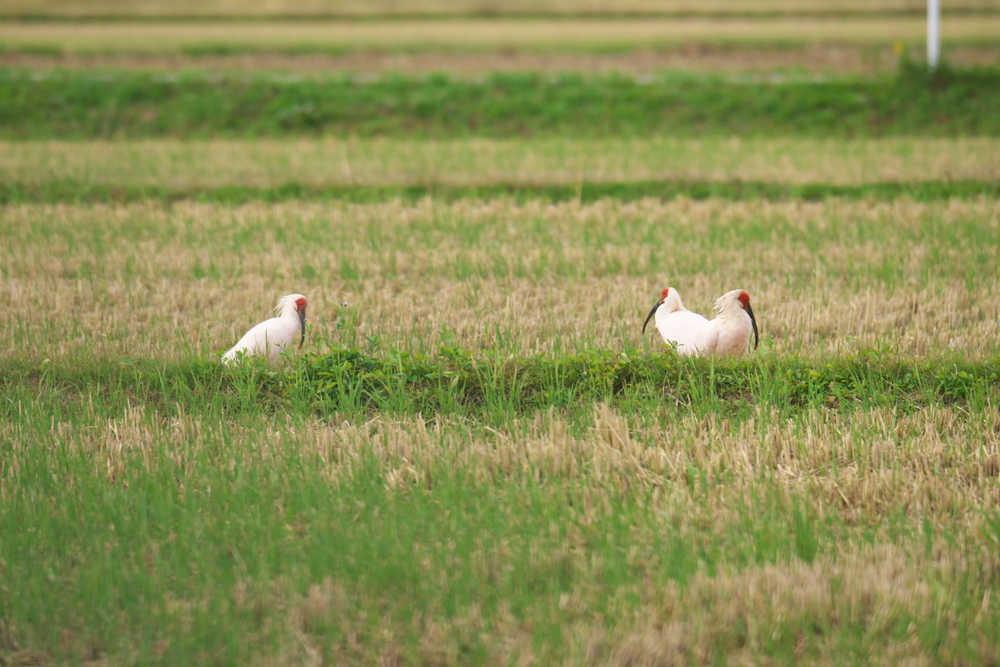
The sight of crested ibises flying over Hakui city was a deeply emotional moment for those who have spent their lives protecting nature. For decades, the goal of bringing the toki back to the mainland felt like an impossible task. Now, it is a reality.
Ishikawa Governor Yoshiyuki Yamano perfectly captured the mood of the community during the release. “I am happy that our dream of seeing crested ibises fly in the sky over Noto has come true for the first time in about half a century,” he shared.
For local residents, the connection to these birds runs deep. Yoshio Muramoto, a 101-year-old man who has dedicated over 70 years to conservation efforts, expressed his joy at the event. “I feel refreshed,” he said, adding his simple but powerful wish: “I hope they will settle down in Noto.”
This recent release is only the beginning of a larger plan to restore the species across the region. While the first eight birds are already exploring their new home, wildlife officials are carefully monitoring the 10 additional ibises currently waiting in temporary enclosures. These remaining birds will be allowed to leave their cages on their own in about two weeks, giving them time to adjust to the natural environment.
The momentum for conservation in the area is continuing to build. Planners are already looking ahead to the autumn season. Another release of crested ibises is scheduled to take place in the nearby town of Nakanoto around September. With steady support and careful planning, the skies of the Noto region will soon be filled with the bright colors of the toki once again.
Healing Both Nature and Community
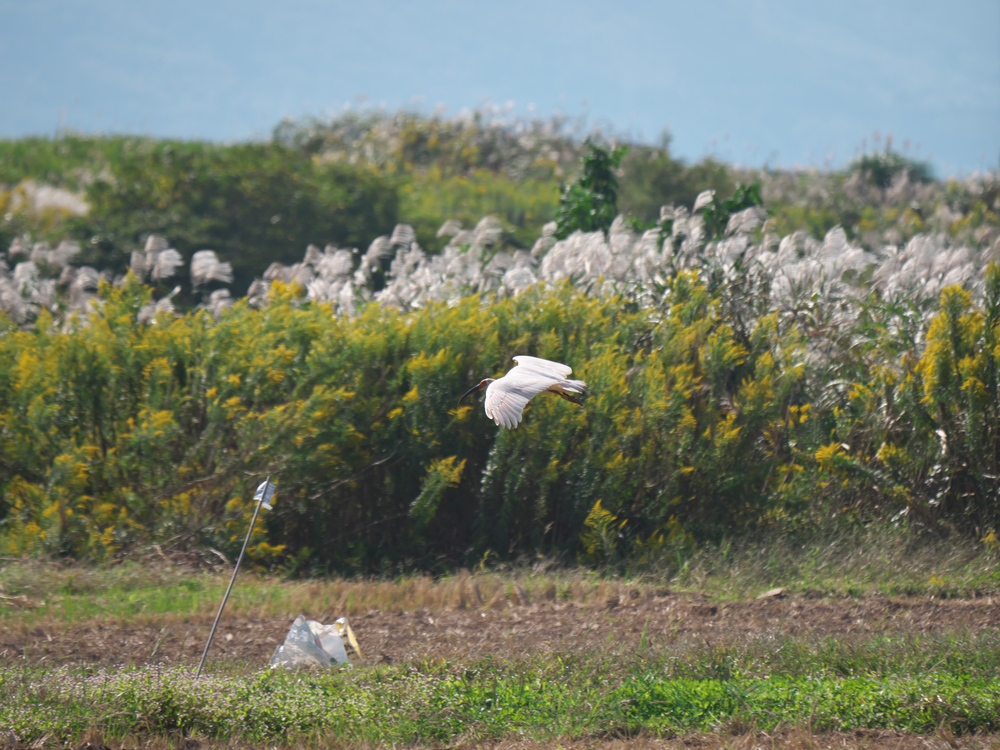
For the Noto region, the successful release of the toki holds a deeply poignant meaning. As the area continues to rebuild from the severe January 2024 earthquake, the sight of these vibrant birds returning to the sky provides an emotional lift. During the release ceremony, Crown Prince Akishino beautifully captured this sentiment, expressing his wish that the birds will “bring hopes as a symbol of postdisaster reconstruction.”
The journey to bring the crested ibis back from the brink of extinction was not a solitary effort. It required the initial generosity of China, the tireless work of wildlife experts, and the willingness of local farmers to prioritize a clean environment. Now, it requires the ongoing support of residents in Hakui and surrounding towns as the birds settle into their mainland home.
As the community looks forward to future releases, the skies over Ishikawa Prefecture are changing. The return of the toki is more than a conservation win. It is a striking parallel to the people of the Noto region: a story of enduring hardship, leaning on others for support, and eventually taking flight once again.