
Your cart is currently empty!
Air Conditioners May Be Making Heat Waves Around the World Even Hotter
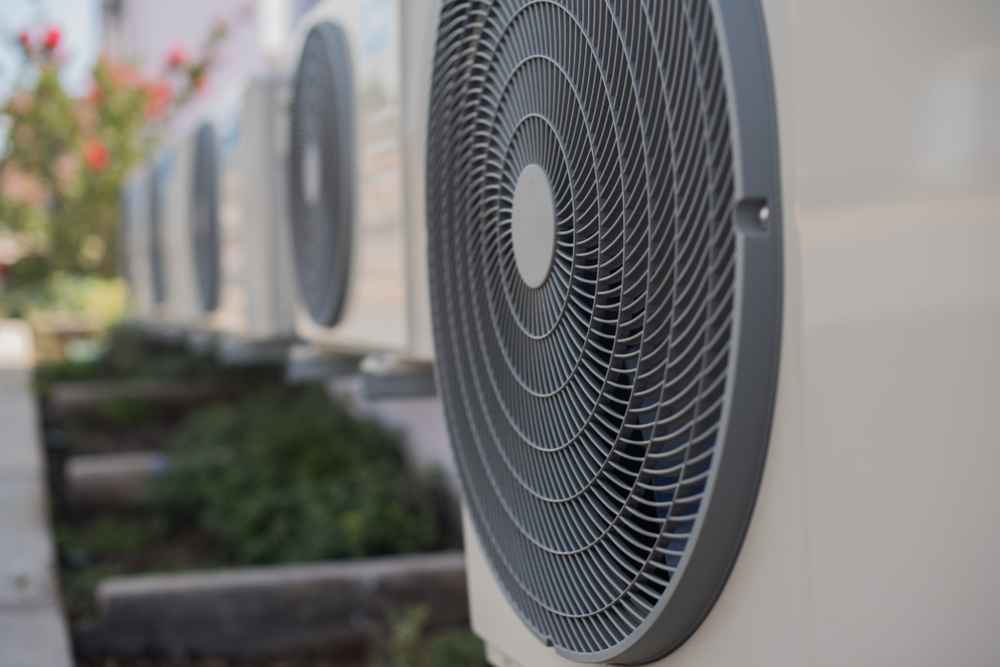
As heat waves become more intense, air conditioning has become a lifeline in homes, schools, offices, and hospitals. But the same machines that keep people safe indoors may also be adding pressure to the world outside.
Contents
show
The Cooling Paradox Behind Modern Heat Waves

On extremely hot days, air conditioning can feel less like comfort and more like protection. For older adults, young children, people with health problems, and families living in hot, crowded homes, it can be lifesaving. But there is a difficult truth behind that relief: the more the world depends on air conditioners, the more pressure it puts on the systems already making the planet warmer.
A 2026 review published in Nature Reviews Clean Technology explains that air conditioners use large amounts of electricity, especially during heat waves when many households switch them on at once. If that electricity comes from fossil fuels, cooling homes can lead to more greenhouse gas emissions. Air conditioners also push heat outdoors, which can make streets and neighborhoods feel even hotter, particularly in dense cities.
Professor Matthaios Santamouris of UNSW Sydney summed up the problem clearly: “Air conditioning saves lives,” but “we cannot air-condition our way out of climate change.” The point is not to shame people for using AC when they need it. The real issue is that cooling should not depend only on machines.
Homes, schools, offices, and cities need better ways to stay cool before temperatures become dangerous. Shade, trees, better building design, reflective roofs, ventilation, and cleaner energy can all help reduce the need for constant AC use. As heat waves become more common, the challenge is no longer just how to cool people down. It is how to keep people safe without adding more heat to the world outside their windows.
Why Cities Can Feel Hotter After Everyone Turns On the AC
Anyone who has walked beside a building on a hot day may have felt the blast of warm air coming from an air-conditioning unit. That heat does not disappear. It is pushed from inside the room to the street outside.
This is one reason air conditioning can make extreme heat feel worse in cities. Dense areas already trap heat because of concrete, asphalt, traffic, and tall buildings that block airflow. When many homes, offices, shops, and apartments run air conditioners at the same time, more heat is released into the outdoor air. The result can be hotter sidewalks, warmer nights, and less relief after sunset.
UNICEF notes that air conditioners expel indoor heat into outdoor spaces, which can significantly raise outdoor temperatures in crowded cities. It also points to research showing that nighttime temperatures can rise by more than 1°C, making the urban heat island effect worse. That matters because warm nights are especially dangerous. When the body cannot cool down during sleep, heat stress becomes harder to recover from the next day.
This does not mean people should avoid AC during dangerous heat. Cooling can prevent heat exhaustion, heat stroke, and other serious health risks. But it does show why cities need more than machines to survive heat waves.
Too Hot, Too Much Demand
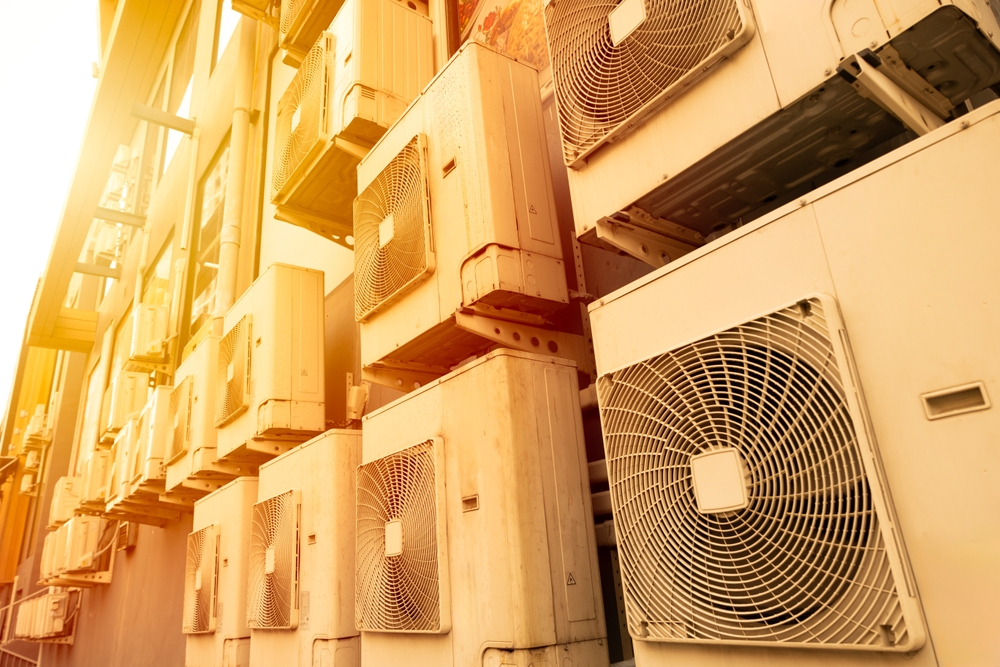
During a heat wave, the danger does not end when people go indoors. In many places, the hottest hours of the day are also when thousands or millions of air conditioners are running at the same time. That sudden demand can push electricity systems close to their limit.
The 2026 review in Nature Reviews Clean Technology warns that mechanical air conditioning adds to peak demand and grid stress, especially as more homes and buildings depend on it for relief. This is a serious issue because cooling is no longer a small part of energy use. Global electricity consumption for cooling has reached almost 10% of total electricity use, with around 10 new air conditioners sold every second. By 2050, residential air-conditioning units are projected to rise to nearly 5.6 billion worldwide.
The risk is easy to understand. When everyone needs cooling at once, power grids must work harder. If the grid fails, the people most at risk from heat lose the very thing protecting them. UNICEF warns that on hot days, space cooling can account for more than half of peak electricity demand in some places. Power outages during heat waves can raise the risk of heat-related illness and death, while also disrupting refrigeration for food, medicine, and health services.
This is why heat safety cannot depend only on plugging in more machines. Air conditioners are necessary during dangerous heat, but buildings and cities also need to reduce how much cooling they require. Better insulation, shade, reflective materials, efficient AC units, and cleaner electricity can help keep people safe without pushing power systems past the breaking point.
Cooling Should Start With the Building Itself
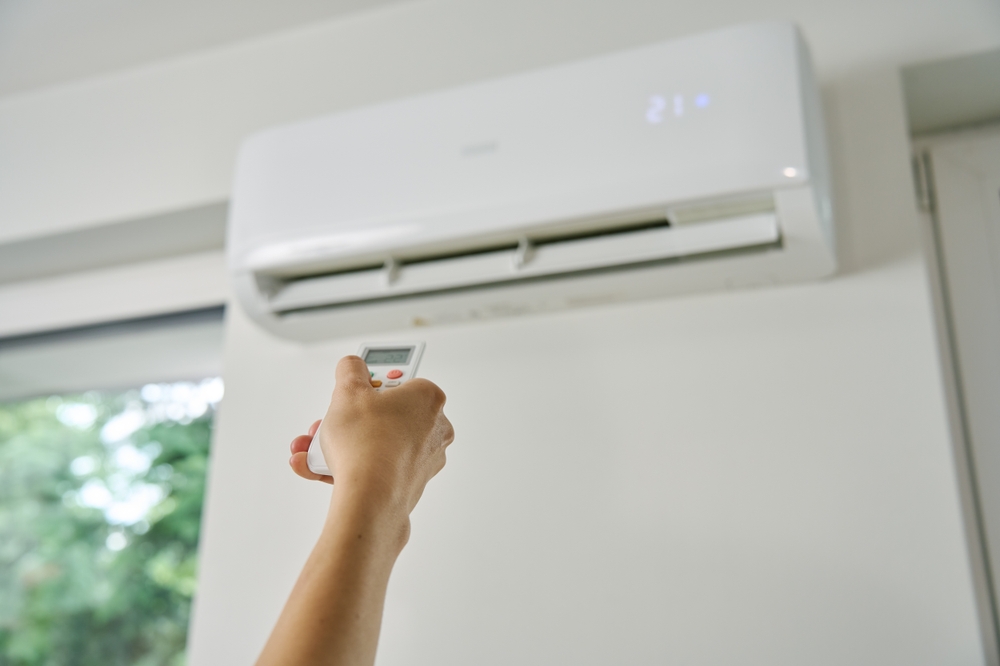
A cooler home should not depend only on how strong the air conditioner is. It should also depend on how well the building keeps heat out in the first place.
This is where passive cooling matters. Instead of using electricity to force heat out, passive cooling uses design, materials, shade, and airflow to reduce indoor heat naturally. It can be as simple as windows placed to improve ventilation, roofs that reflect sunlight, outdoor shading, insulated walls, or trees that block direct heat from entering a home.
The 2026 review in Nature Reviews Clean Technology explains that passive cooling technologies can reduce heat and solar gains in buildings and public spaces. Some are already familiar, such as ventilation and solar control. Others are more advanced, including radiative and evaporative cooling materials that help release heat with very little energy use. The review notes that advanced passive cooling technologies can lower peak urban temperatures by up to 4.5°C.
The benefit is practical. A home that stays cooler naturally does not need to run AC as hard or as often. That can lower electricity bills, reduce stress on the power grid, and make indoor spaces safer during extreme heat.
A Cooler Future Cannot Depend on AC Alone
Air conditioning will remain important as heat waves grow stronger. For many people, it is not a luxury. It is protection from dangerous temperatures that can harm the body, disrupt sleep, and put lives at risk. But the evidence is clear: relying on AC alone comes with real costs. It can increase electricity demand, strain power grids, release heat into already hot streets, and add more emissions when the energy behind it still comes from fossil fuels.
The better path is not to use less cooling when people need it most. It is to build a world where people need less emergency cooling in the first place. Cooler homes, shaded streets, cleaner power, efficient appliances, better insulation, and smarter city design can all help break the cycle. Heat waves are becoming a part of daily life for more communities. The response must be bigger than turning up the AC. It must be about making homes, cities, and public spaces safe enough to protect people before the heat becomes unbearable.
Source:
- Santamouris, M., & Vasilakopoulou, K. (2026). Passive cooling for the built environment. Nature Reviews Clean Technology, 1–17. https://doi.org/10.1038/s44359-026-00177-y