
Your cart is currently empty!
California Returns 136 Acres of Iconic Coastline to Indigenous Tribes in Historic First

A breathtaking stretch of California’s coastline is entering a new chapter after state officials approved a landmark land transfer that supporters say has been decades in the making.
Contents
show
The decision returns 136 acres of scenic beaches and rugged coastal bluffs in Mendocino County to Indigenous stewardship, marking the first time land managed by the California Department of Transportation (Caltrans) has been transferred to Native American tribes.
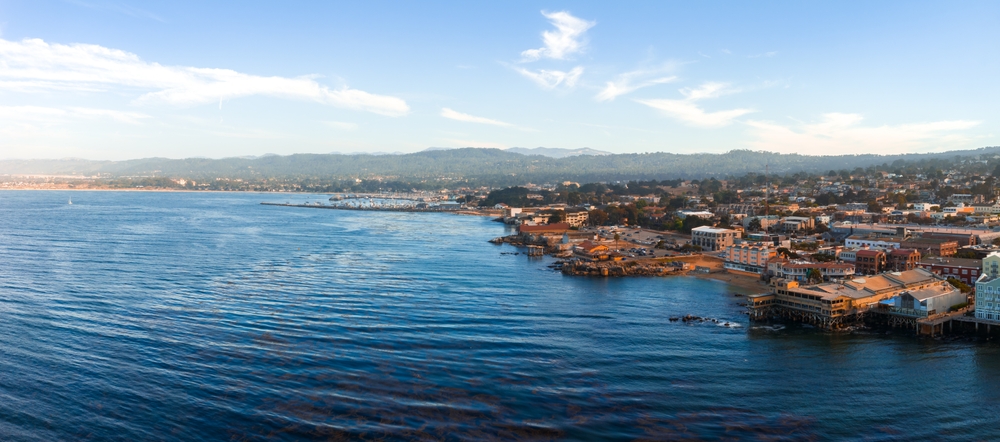
A Historic Transfer Along California’s Coast
The California Transportation Commission has given final approval for the transfer of a 136-acre property that includes the popular Blues Beach, located just south of the small coastal community of Westport. The land will be transferred from Caltrans to Kai Poma, a nonprofit created by representatives of the Sherwood Valley Band of Pomo Indians, the Round Valley Indian Tribes, and the Coyote Valley Band of Pomo Indians.
Caltrans granted final regulatory approval on June 26, clearing the way for the deed to be officially recorded and ownership to pass to the nonprofit.
Officials described the agreement as a milestone in California’s history.
“For the first time in California’s history, land managed by Caltrans and owned by the state was transferred to Kai Poma, a nonprofit established by three local Native American tribes with ancestral ties to the region,” Caltrans District 1 said in a statement.
Once the transfer is complete, Kai Poma will own and manage the site while protecting sensitive natural habitats and Native American cultural resources that have long been connected to the area. Supporters say the agreement demonstrates how conservation and Indigenous stewardship can work together to preserve some of California’s most treasured landscapes.
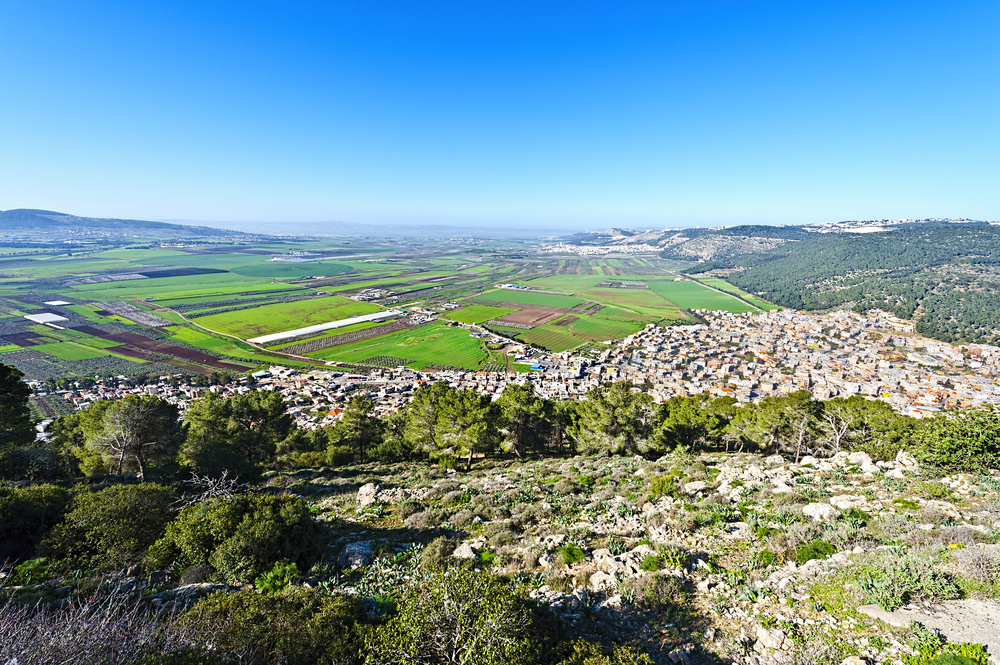
Why This Land Holds Special Meaning
The 136-acre property is much more than another scenic stop along California’s famous Highway 1. For the Sherwood Valley Band of Pomo Indians, the Round Valley Indian Tribes, and the Coyote Valley Band of Pomo Indians, the coastline represents generations of history, culture, and identity that stretch back long before California became a state.
The area includes Blues Beach, a rugged stretch of shoreline where tribal members have traditionally gathered seaweed, abalone, and other marine resources. These practices are more than sources of food. They are part of longstanding cultural traditions passed from one generation to the next. Tribal leaders have also used the area for youth cultural camps, helping younger members connect with their heritage through firsthand experiences on ancestral land.
The state acquired the property during the 1960s as part of plans to expand Highway 1 and develop scenic overlooks for travelers exploring the Mendocino Coast. While the project improved public access to one of California’s most picturesque shorelines, it also placed historically significant Indigenous land under state control for decades.
For supporters of the transfer, returning stewardship to the tribes recognizes those historical ties while creating an opportunity to preserve both the area’s natural beauty and its cultural importance for future generations.
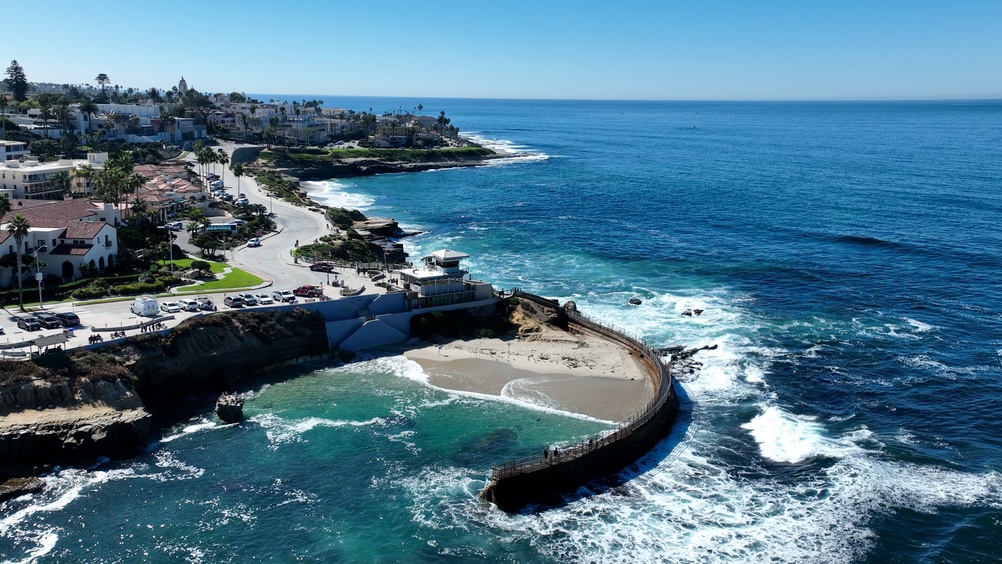
Years of Heavy Tourism Created Growing Problems
While Blues Beach became a favorite destination for locals and visitors alike, the increasing popularity also created challenges that proved difficult for the state to manage.
Planning documents prepared by California agencies describe years of heavy recreational use, especially during summer weekends and holiday periods. Without consistent oversight, visitors frequently camped overnight, hosted large gatherings, and drove vehicles through environmentally sensitive sections of the coastline.
Officials also reported damage to Native American cultural resources and growing amounts of litter left behind after busy weekends. The combination of environmental impacts and disturbances to historically significant sites raised concerns about the long-term future of the property.
According to supporters of the transfer, placing the land under Indigenous stewardship offers a new approach centered on preservation rather than simply maintaining public recreation.
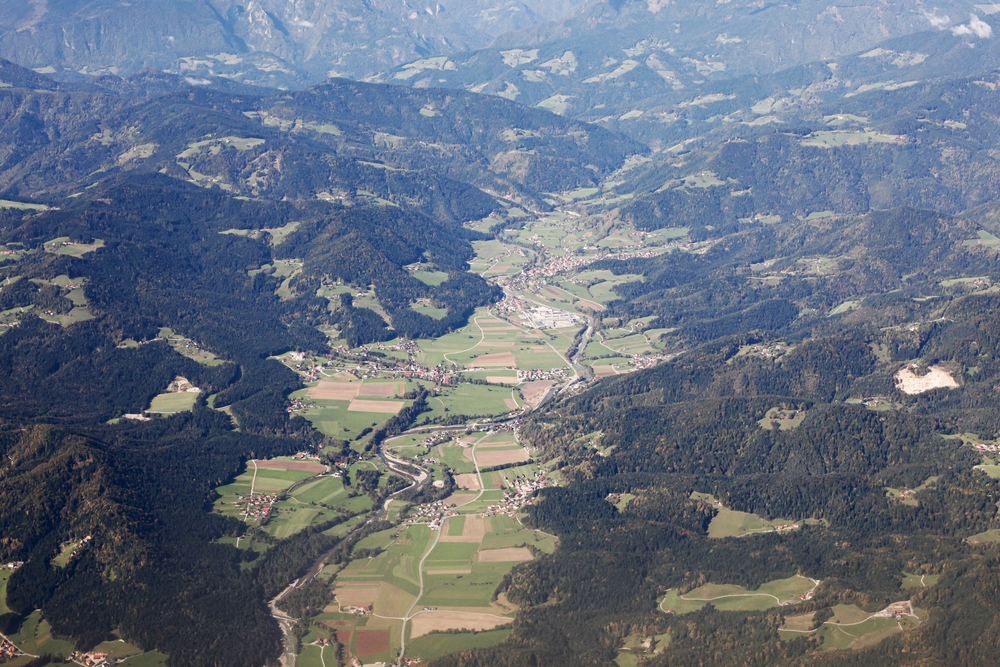
Issues Identified by State Officials
State planning documents highlighted several recurring concerns:
- Unauthorized camping along the beach.
- Vehicles entering sensitive coastal habitats.
- Damage to Native American cultural resources.
- Large parties during peak holiday weekends.
- Trash and other environmental impacts.
- Limited oversight because of the property’s remote location.
Supporters believe tribal management can better balance public enjoyment with protecting the coastline’s fragile ecosystems and cultural significance.
Visitors Will Still Be Able to Enjoy Blues Beach
Although ownership of the land is changing, public access is not disappearing.
One of the biggest questions surrounding the agreement has been whether visitors would lose access to Blues Beach once it comes under tribal stewardship. According to the California Coastal Commission and Kai Poma, that will not happen. The nonprofit has already worked with state officials to develop a public access plan that keeps the property open from sunrise to sunset.

Before introducing any long-term improvements, Kai Poma plans to carry out detailed cultural, archaeological, and environmental surveys across the site. Those studies will help identify sensitive habitats, historical resources, and areas that require additional protection before management decisions are made.
The goal is to create a balance between welcoming visitors and protecting one of Northern California’s most environmentally and culturally significant coastlines. Unlike many waterfront developments, the agreement also prohibits commercial activity on the property, ensuring that preservation remains the top priority rather than future development.
Supporters believe that combining public access with careful stewardship could help address many of the issues that have affected the beach in recent years while allowing people to continue enjoying one of Mendocino County’s most spectacular coastal destinations.
The Law Had to Change Before This Could Happen
The historic transfer did not happen overnight. It was the result of years of discussions between tribal leaders, state agencies, and lawmakers who worked to create a legal pathway for returning state-owned land to Indigenous communities.
Before 2021, Caltrans simply did not have the authority to transfer land under its control directly to tribal governments. That changed after Governor Gavin Newsom signed legislation authored by State Sen. Mike McGuire. The new law made it possible for state-owned transportation property to be conveyed for cultural and conservation purposes.
The legislation paved the way for what officials now describe as California’s first transfer of state-owned Caltrans land to a nonprofit representing local Native American tribes.
McGuire praised the agreement after final approval, saying, “With 136 acres now officially transferred into tribal stewardship, one of the most spectacular stretches of the Mendocino Coast will be forever protected.”
He added that the agreement gives the three tribes “the rightful opportunity to reclaim sacred lands and cultural traditions on this special piece of earth. And it’s about damn time.”

The legislation may also serve as a blueprint for similar projects elsewhere in California as more Indigenous communities seek to regain stewardship of culturally significant lands.
Tribal Leaders Call the Decision Long Overdue
For many people, the agreement represents a major conservation milestone. For tribal members, however, it carries a much deeper emotional meaning rooted in generations of history.
The Pomo people lived throughout this region long before European settlement, maintaining a close relationship with the coastline and its natural resources. While the landscape remained physically unchanged over the decades, access to ancestral land became increasingly limited after it entered state ownership.
Sherwood Valley Band of Pomo Indians Chair J. Carlos Rivera described the transfer as one of the most significant moments his community has experienced in recent history.
“This is beyond huge,” Rivera told the Los Angeles Times. “It’s enormous from our tribal perspective that we are basically obtaining the land that our people once lived on before colonization.”

His comments highlight why the agreement extends beyond legal ownership. Tribal leaders see the return as an opportunity to strengthen cultural traditions, educate younger generations, and ensure that sacred places are protected by the descendants of those who have known the land for centuries.
For supporters, the decision reflects growing recognition that conservation and Indigenous stewardship can work hand in hand while preserving landscapes that hold both ecological and historical importance.
Conservation Will Guide the Coast’s Future
The transfer is expected to reshape how the property is managed while keeping conservation at the center of every decision.
Rather than pursuing new development, Kai Poma plans to focus on protecting fragile ecosystems alongside archaeological and cultural resources that have been vulnerable to damage over the years. The organization will begin with detailed surveys before finalizing a long-term management strategy for the coastline.
Its priorities include protecting native habitats, preserving culturally significant sites, restoring areas affected by years of heavy visitation, and ensuring public access remains sustainable.
Supporters argue that tribal stewardship combines generations of ecological knowledge with modern conservation practices. Instead of changing one of Mendocino County’s most recognizable stretches of coastline, the goal is to preserve its natural character while honoring the communities that have maintained a connection to it for centuries.
As the transfer is finalized, Blues Beach will remain one of California’s most spectacular coastal destinations. The difference is that its future will now be guided by the descendants of the people who first cared for the land, creating a historic partnership between cultural preservation and environmental stewardship that could shape similar efforts across the state.
beach news, Blues Beach, California, California Coastal Commission, California coastline, California politics, Caltrans, coastal news, conservation, Coyote Valley Band of Pomo Indians, environmental protection, Gavin Newsom, Highway 1, Indigenous Tribes, Kai Poma, land transfer, Mendocino County, Native American history, Native American tribes, public lands, Round Valley Indian Tribes, Sherwood Valley Band of Pomo Indians, tribal stewardship, Westport California