
Your cart is currently empty!
The Real Reason Gen Z Keeps Their Phones on Silent Almost All the Time
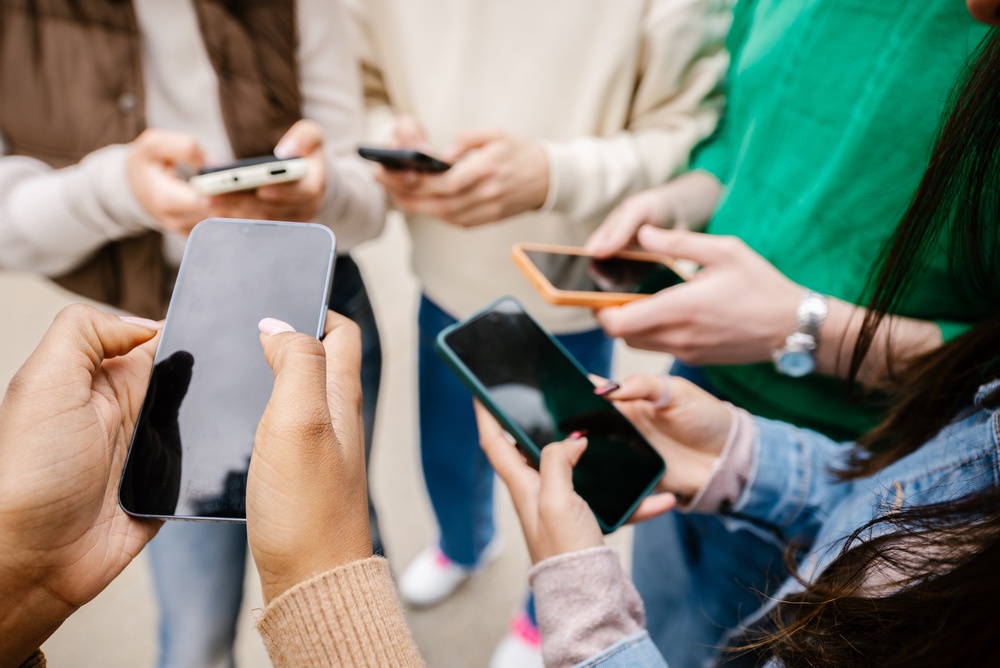
Not that long ago, hearing your phone ring meant someone genuinely needed to speak with you. Whether it was a friend, a family member, or an important call from work, picking up almost felt automatic. Fast forward to today, and that same ringtone often triggers a completely different reaction, especially among younger adults. Instead of reaching for their phones, many Gen Z users simply let them ring out, with silent mode switched on by default.
Contents
show
While older generations often see this habit as rude or antisocial, new research suggests it has far less to do with poor manners than many assume. Between relentless spam calls, scam attempts, endless notifications, and the pressure to be constantly available, Gen Z is redefining what healthy communication looks like. Rather than rejecting conversations altogether, they’re choosing when and how they happen, and the data suggests this shift is becoming the new normal.
Silent Mode Has Become the Default Setting
A new survey from ReverseLookup.com, which questioned 9,482 Gen Z adults between the ages of 18 and 30 across the United States, the United Kingdom, Europe, and Latin America, found that 69% keep their phones on silent most days. What was once a temporary setting for meetings or classrooms has quietly become many young people’s everyday default.
The findings suggest this isn’t simply about avoiding distractions. Instead, silent mode has become a way for younger adults to regain control over devices that now demand attention almost constantly. Modern smartphones rarely stay quiet, delivering everything from social media notifications and work emails to banking alerts, delivery updates, promotional messages, and breaking news throughout the day.
For many members of Gen Z, growing up alongside smartphones has meant growing up with an endless stream of digital interruptions. Keeping a phone on silent allows them to decide when they engage instead of allowing every notification to dictate their attention. It’s less about disconnecting from people and more about filtering out the noise that comes with modern technology.
That change also reflects a broader shift in how younger generations think about accessibility. The smartphone once represented instant connection, but many Gen Z users now see it as a personal space that should be managed on their own terms rather than remaining permanently open to everyone.
Unknown Numbers No Longer Feel Worth Answering
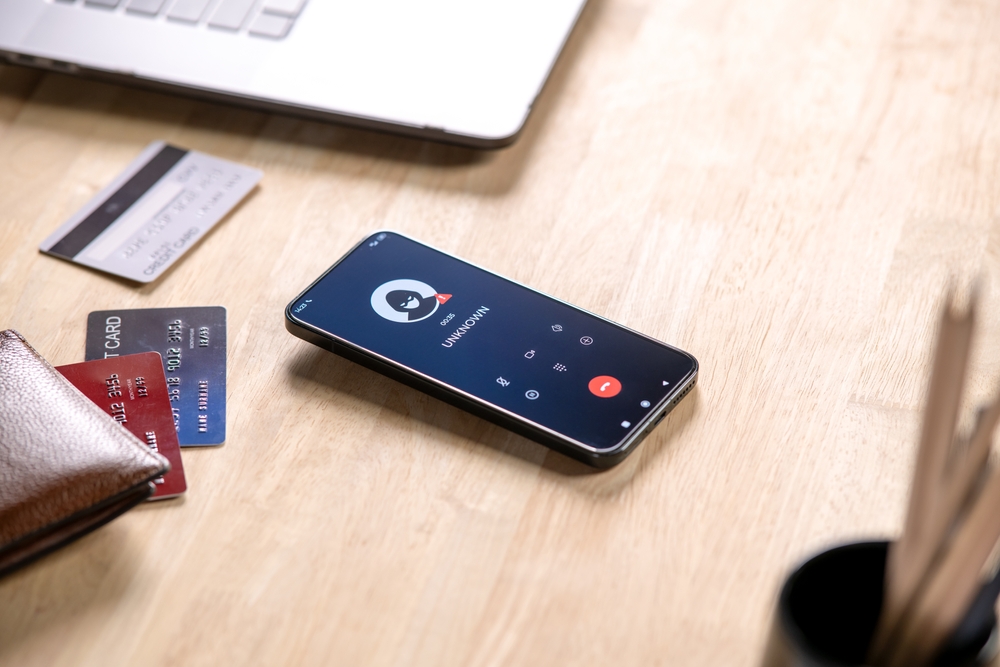
Perhaps the biggest reason behind silent mode is simple: people no longer trust unknown phone calls.
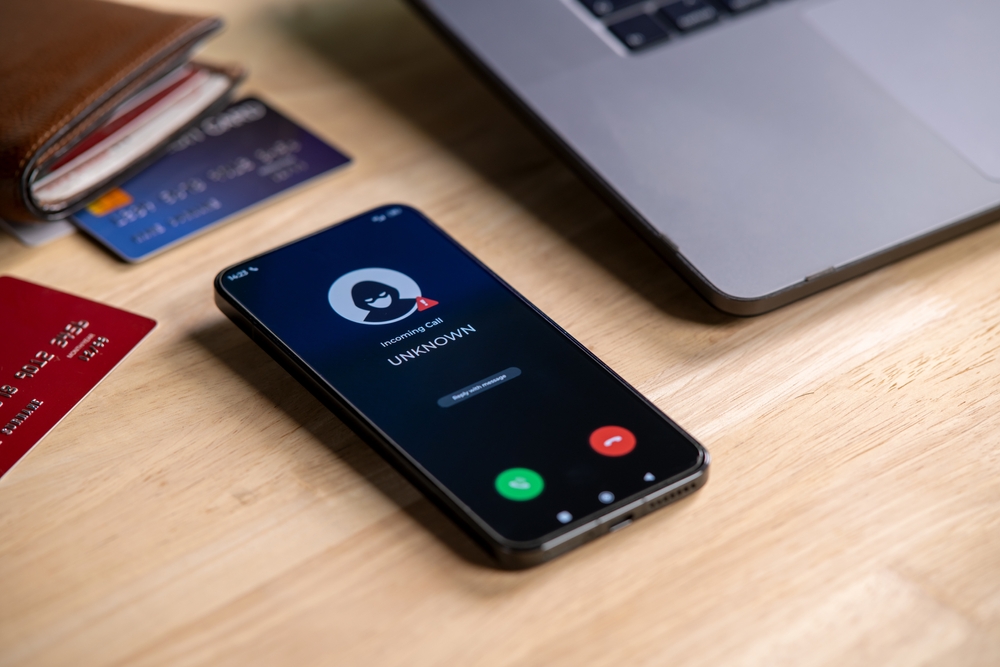
According to the survey, 74% of Gen Z respondents regularly ignore calls from unfamiliar numbers, while 66% said they deliberately avoid responding to unknown contacts in order to protect their peace. Compared to older generations, who often answer first and ask questions later, younger adults have developed a much more cautious approach.
That hesitation didn’t appear overnight. Over the past decade, phones have become flooded with robocalls, scam attempts, fake delivery notifications, impersonation schemes, and telemarketing campaigns. Instead of associating a ringing phone with opportunity, many younger users now associate it with inconvenience or even potential fraud.
For Gen Z, letting an unknown call go to voicemail has become a practical form of digital self-protection. If the call is genuinely important, they’ll often expect the caller to leave a voicemail or send a follow-up text explaining why they reached out. Without that context, many simply don’t see a reason to interrupt whatever they’re doing.
Phone Call Etiquette Has Quietly Changed
The survey also points to a much larger cultural shift in communication habits. While previous generations often viewed phone calls as the quickest and most respectful way to contact someone, Gen Z increasingly sees them as an interruption unless some warning comes first.
More than half of respondents, 53%, said unexpected phone calls feel intrusive, while 64% would rather receive a text message before someone decides to call. That preference isn’t necessarily about avoiding conversations. Instead, it’s about giving people the opportunity to respond when they’re actually available.

Why Texting Feels More Respectful
For many younger adults, texting has become the new social courtesy because it offers flexibility that phone calls simply don’t.
Some of the biggest reasons include:
- It allows people to reply when they have time.
- It provides context before starting a conversation.
- It avoids interrupting work, study, or personal time.
- It gives people the choice of whether a call is necessary.
That subtle difference has completely reshaped communication etiquette. A text politely asks for someone’s attention. A phone call expects it immediately. For a generation accustomed to managing dozens of digital interactions every day, that distinction has become increasingly important.
Employers and Businesses May Need to Rethink Communication
The findings also suggest that Gen Z’s changing habits could have consequences beyond personal relationships. Many workplaces still rely on phone calls as the quickest way to reach job applicants, employees, or customers. Recruiters frequently call candidates without warning, doctors’ offices often confirm appointments over the phone, and customer service teams continue to use outbound calls as a primary form of communication.
That approach may no longer be as effective as it once was. According to the ReverseLookup.com survey, 71% of Gen Z respondents believe the expectation of constant responsiveness is outdated. Yet despite feeling that way, 58% admitted they still experience pressure from employers, coworkers, or family members to respond immediately whenever they’re contacted.
The contrast highlights a growing disconnect between traditional workplace expectations and modern communication preferences. Businesses that continue relying on cold calls could increasingly find themselves being ignored, not because people are unwilling to engage, but because unexpected phone calls no longer fit the communication style many younger adults prefer.
As Gen Z becomes a larger part of the workforce, employers may need to rethink how they reach people. Sending a quick message before calling or relying more heavily on texts and email could prove far more effective than assuming every ringing phone will be answered.
Gen Z Hasn’t Given Up on Communication
Despite the stereotype that younger people avoid conversations, the survey suggests the opposite is true. Gen Z remains one of the most connected generations in history, communicating constantly through text messages, direct messages, voice notes, private group chats, and social media platforms.
Rather than rejecting interaction, they’re simply choosing communication methods that allow greater flexibility and control. Messaging lets conversations happen around busy schedules instead of demanding immediate attention. Voice notes offer many of the benefits of a phone call without forcing both people to be available at exactly the same time.
This shift reflects how smartphones themselves have evolved. Years ago, a mobile phone had one primary purpose: making calls. Today, the same device functions as a workplace, entertainment hub, banking app, shopping platform, navigation system, camera, and social network. With so many demands competing for attention, younger users have become more selective about what deserves an immediate response.
The survey suggests that accessibility itself is being redefined. Just because someone owns a smartphone doesn’t mean they believe they should be reachable every minute of every day. For many Gen Z adults, deciding when to respond has become an important part of maintaining healthy digital boundaries.
Communication Isn’t Disappearing, It’s Simply Evolving
The image of everyone rushing to answer a ringing phone now feels increasingly like a relic of another era. While previous generations viewed unanswered calls as unusual, younger adults have grown up in a digital environment where spam, scams, and constant notifications are part of everyday life. Their response has been to rethink how, and when, they make themselves available.
As more of Gen Z enters the workforce and shapes future communication habits, silent mode may become less of a generational quirk and more of a cultural norm. For businesses, employers, friends, and family members, adapting to that reality could be just as important as making the call in the first place.