
Your cart is currently empty!
Gen X Psychiatrist Says We Don’t Miss the ’80s. We Miss These 6 Parts of Everyday Life

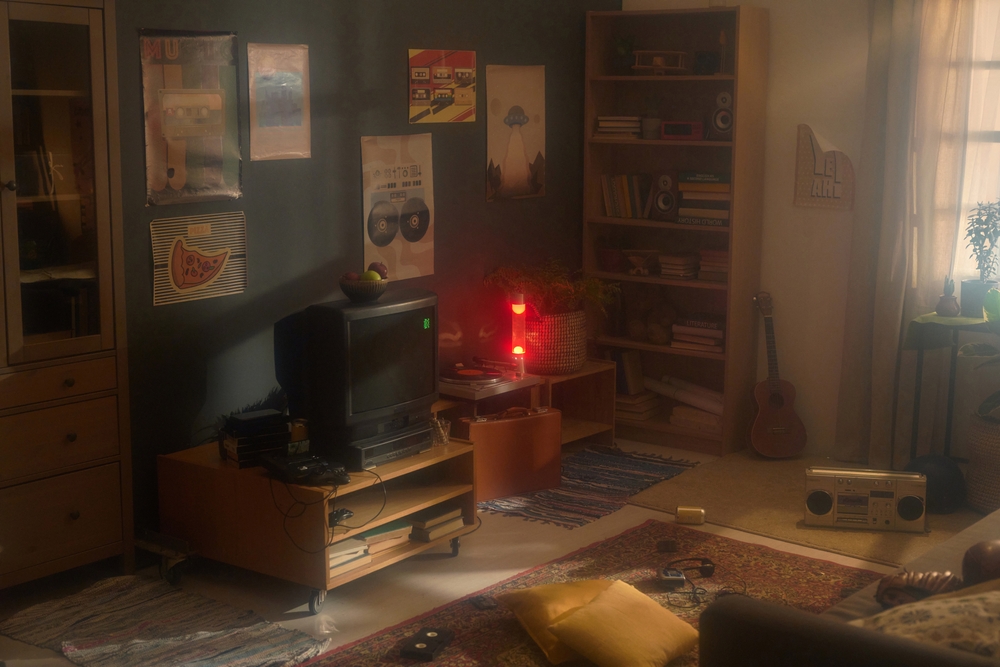
Nostalgia has a way of smoothing over the rough edges of the past. The longer the years pass, the easier it becomes to remember iconic movie nights, packed shopping malls, cassette mixtapes, and afternoons spent outside while forgetting the inconveniences, social problems, and limitations that came with the era. That is why conversations about the 1980s often focus on what made the decade feel special instead of what life was actually like. According to Gen X psychiatrist Jeff Knuppel, however, many people are looking at nostalgia from the wrong angle. It is not the decade itself they want back. It is a handful of everyday experiences that quietly disappeared as technology reshaped modern life.
Contents
show
Knuppel recently shared this perspective in a viral YouTube video, arguing that people often confuse missing the past with missing the way they once lived. Rather than longing for shoulder pads, VHS tapes, or arcade games, he believes many people crave the slower pace, stronger boundaries, and greater sense of presence that defined daily life before smartphones and social media dominated every moment. His observations have struck a chord with viewers across generations, opening a wider conversation about whether modern convenience has quietly replaced some of life’s simplest pleasures.
Why People Are Romanticizing the Past
Nostalgia is a powerful emotion because it tends to preserve life’s happiest moments while quietly pushing frustrating memories into the background. That is why every generation often believes its younger years were somehow simpler or happier. The reality is usually more complicated. The 1980s had economic uncertainty, political tensions, crime, and countless everyday frustrations that people rarely mention when reminiscing.
Knuppel makes it clear that he is not campaigning for a return to the entire decade. Instead, he argues that people are identifying specific parts of life that once felt healthier and less overwhelming. His point shifts the discussion away from old movies and fashion trends toward the routines that shaped people’s mental well-being.
“I was a teenager in the 1980s. And I really did enjoy that era,” Knuppel explains in his video. “But the fantasy I actually want… it’s the one where I wish we could rewind certain parts of daily life to that era and just sort of leave them that way. Not the whole decade, not all of the parts of it, just the parts that made life better.”
That distinction helps explain why his message resonated with viewers far beyond Generation X. Even younger audiences who never experienced the 1980s often recognize many of the pressures he describes.

The Six Things People Really Miss
Rather than longing for an entire decade, Knuppel says people are really missing six parts of everyday life that have gradually faded away.
- The freedom to be unreachable
- When the world stayed out of your head
- Before everything became content
- A world your hands could fix
- When you didn’t have to question everything
- When scarcity made things matter
Each of these reflects a different way modern life has changed, but together they paint a picture of why so many people feel mentally exhausted despite having more convenience than ever before.

1. The Freedom To Be Unreachable
One of the biggest differences between life in the 1980s and today was how normal it was to disappear for a few hours. If someone was away from home, there was usually no expectation that they could instantly answer a phone call or respond to a message. Being unavailable was simply part of everyday life rather than something that required explanation.
Knuppel believes that boundary has almost completely vanished. Smartphones have created an expectation of constant accessibility, making many people feel obligated to respond immediately. Choosing not to answer now often feels like an active decision instead of the default state it once was.
As Knuppel explains, people can still disconnect today, but doing so often requires turning off notifications, silencing devices, or explaining delayed replies to friends and family. The freedom itself still exists, yet maintaining it takes effort because constant connection has become the norm.
That shift may seem small, but over time it changes how people experience rest. Moments that once belonged entirely to family, hobbies, or quiet reflection are now interrupted by emails, group chats, breaking news alerts, and endless notifications competing for attention.

2. When The World Stayed Out Of Your Head
Another misconception about the 1980s is that it was somehow free from conflict or bad news. Wars, political disagreements, crime, and social issues certainly existed. The difference was how people encountered them.
News usually arrived through newspapers, evening broadcasts, or scheduled updates. Once the television switched off or the newspaper was folded away, people returned to their own lives. Today’s digital world rarely allows that separation.
Knuppel describes a typical modern morning where many people wake up to dozens of notifications before finishing breakfast. Within minutes they may see political arguments, disturbing headlines, emotional videos, and countless opinions from strangers. The brain absorbs all of it before the day has properly begun.
His argument is not that people should ignore important events. Instead, he suggests that today’s nonstop flow of information places a mental burden on people that previous generations rarely experienced. The issue is less about the existence of bad news and more about the relentless pace at which it now arrives.
3. Before Everything Became “Content”
Knuppel’s third point centers on something many people feel but rarely put into words. There was a time when hobbies existed simply because people enjoyed them. A Saturday afternoon spent fishing, listening to an album from beginning to end, working on a car, or playing catch in the backyard did not need to produce photos, likes, or income.
He argues that today’s culture often encourages people to document experiences instead of fully living them. A meal becomes an Instagram post. A workout becomes content for followers. Even relaxing activities can start to feel like opportunities for personal branding or side income. While social media has created countless opportunities, it has also blurred the line between enjoying life and performing it.
Knuppel isn’t suggesting people should abandon technology altogether. Instead, he believes there is value in reclaiming moments that belong to no one but ourselves. Activities that exist purely for enjoyment can offer a kind of peace that is becoming increasingly difficult to find.
Many viewers agreed with that sentiment, saying they miss being able to enjoy an afternoon without feeling pressure to capture every moment or prove they spent their time productively.
4. A World Your Hands Could Fix
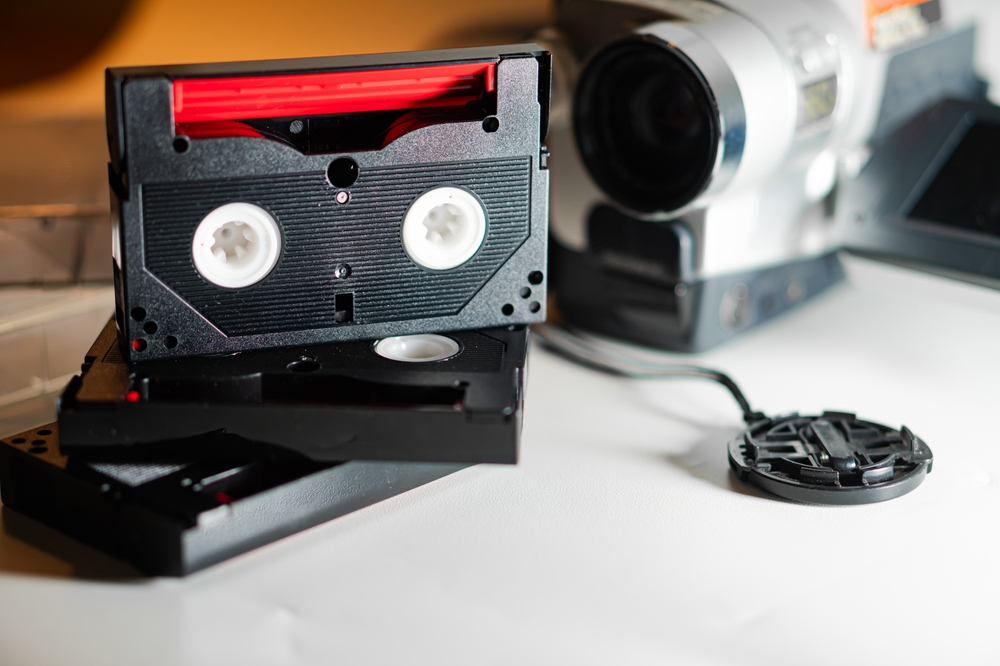
Modern technology has made everyday life faster and more convenient, but it has also become far more complicated. Cars, household appliances, and electronics now rely on software, sealed components, and proprietary parts that often make simple repairs impossible for the average person.
Knuppel says many of the men he speaks with in his psychiatric practice express frustration over this shift. Years ago, repairing a broken appliance often meant replacing an inexpensive part with a few basic tools. Today, the same problem may require replacing an entire unit because individual components are unavailable or impossible to access.
He argues that this change goes beyond saving money. Being able to understand and repair the things around you created a sense of independence and confidence. When every broken device requires a specialist or complete replacement, people can begin to feel disconnected from the physical world they once understood.
That feeling isn’t limited to older generations. Interest in DIY projects, woodworking, gardening, and repairing vintage electronics has grown among younger adults as many seek hobbies that produce something tangible instead of another screen-based activity.

5. When You Didn’t Have To Question Everything
Another major source of mental fatigue, according to Knuppel, is the constant need to question whether what we see online is genuine. Modern life demands a level of skepticism that previous generations rarely experienced.
People regularly ask themselves whether an email is legitimate, whether a product review is fake, whether a news story is misleading, or whether an image has been altered by artificial intelligence. Each decision requires mental energy, even if the questions are answered within seconds.
Knuppel believes many people underestimate how exhausting this has become because it now feels normal. The endless need to verify information creates a steady cognitive load that quietly follows people throughout the day.
Advances in AI have only intensified these concerns. As realistic images, videos, and voices become easier to generate, distinguishing fact from fiction is becoming increasingly difficult. For many people, that uncertainty creates another layer of stress that simply did not exist decades ago.
6. When Scarcity Made Things Matter
The final point may be the most surprising. Knuppel says people are not nostalgic for outdated technology or limited entertainment choices. Instead, they miss how scarcity made experiences feel more meaningful.
A new album release was an event. Friends gathered to watch the latest blockbuster because there were fewer entertainment options competing for attention. Family photo albums contained a limited number of carefully chosen pictures rather than thousands of nearly identical digital images stored in the cloud.
Today, streaming platforms offer endless movies, music, podcasts, and television shows at any hour. While that convenience is remarkable, Knuppel argues that unlimited choice can sometimes reduce the excitement that comes from anticipation and shared cultural moments.
As he explains in his video, after a certain point, having more options does not necessarily make life feel richer. When everything is instantly available, individual experiences can lose some of the significance they once carried.
Why Younger Generations Are Embracing These Ideas
Interestingly, Knuppel’s observations are resonating far beyond Generation X. Many younger adults are voluntarily stepping away from the always-connected lifestyle that older generations experienced by default.
Growing interest in vinyl records, instant cameras, flip phones, local clubs, book groups, and offline hobbies suggests that some members of Gen Z and Gen Alpha are searching for experiences that feel slower and more personal. These trends are less about rejecting technology and more about finding balance in a world dominated by screens.
The comments on Knuppel’s video reflected that desire for deeper human connection. One viewer, now in their sixties, wrote that what they truly missed was the sense of community that once came naturally through neighborhoods, friendships, and everyday conversations. Their memories were filled with children riding bikes together, neighbors who knew one another by name, and evenings spent talking instead of scrolling.
That perspective captures the heart of Knuppel’s message. The strongest memories of the past are often tied to relationships, shared experiences, and uninterrupted moments rather than the decade itself.
Looking Back Can Help Shape The Future
Knuppel’s argument is less about bringing back cassette tapes or arcade games and more about recognizing which parts of everyday life made people feel calmer, more connected, and more present. While technology has transformed society in remarkable ways, his six observations suggest that convenience sometimes comes with hidden costs.
The good news is that many of these experiences can still be recreated. Setting boundaries with technology, making time for offline hobbies, repairing things when possible, and choosing face-to-face connection over constant notifications may not turn the calendar back to the 1980s, but they can restore some of the qualities that made those years feel memorable in the first place.