
Your cart is currently empty!
US Delegation Storms Out Of UN Meeting After France Makes Explosive North Korea Comparison
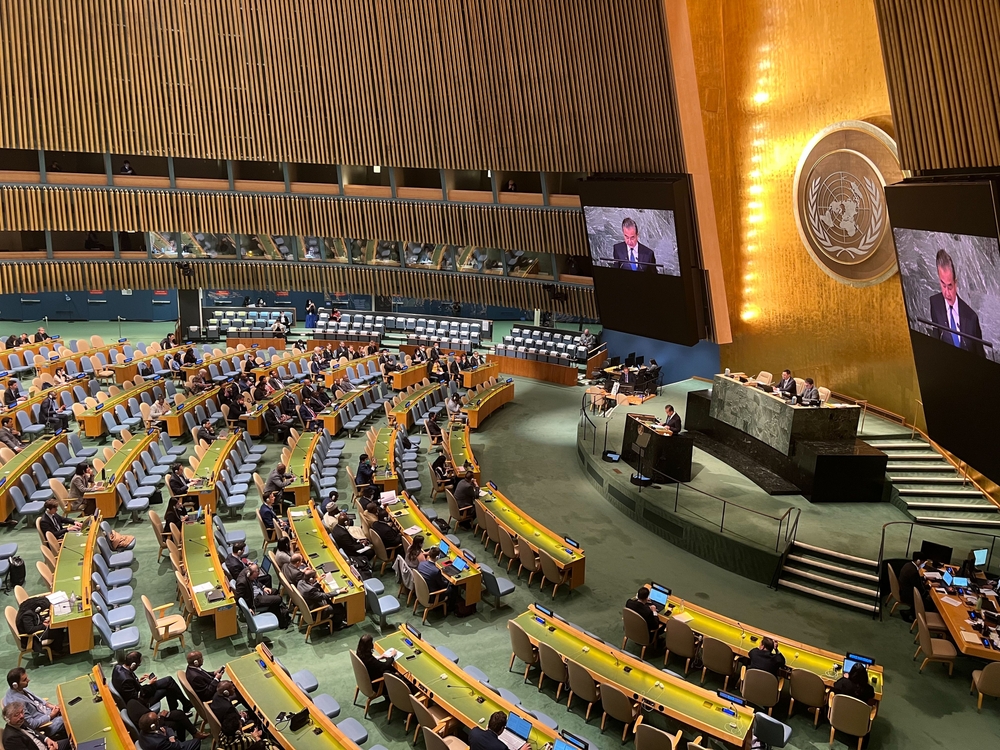
The United States and France have long stood together on many of the world’s biggest diplomatic challenges, making public confrontations between the two allies a rare sight. That changed dramatically at the United Nations this week when an already tense dispute over human rights erupted into an extraordinary protest. In a moment that quickly grabbed international attention, the US delegation walked out of a UN Security Council meeting after France compared Washington’s recent voting record on human rights to that of North Korea and Russia. The unprecedented move exposed growing divisions over the future of the UN and America’s changing approach to international institutions.
Contents
show
The diplomatic clash did not emerge overnight. It followed a controversial vote in the UN General Assembly on whether Volker Turk should serve another four-year term as the United Nations High Commissioner for Human Rights. While an overwhelming majority of member states backed his reappointment, the United States voted against it alongside Russia, North Korea, Israel, and several other countries. France publicly criticized Washington for aligning itself with governments frequently accused of human rights abuses, setting off a chain of events that culminated in one of the most dramatic scenes witnessed at UN headquarters in recent years.
A Human Rights Vote Quickly Turned Into A Diplomatic Dispute
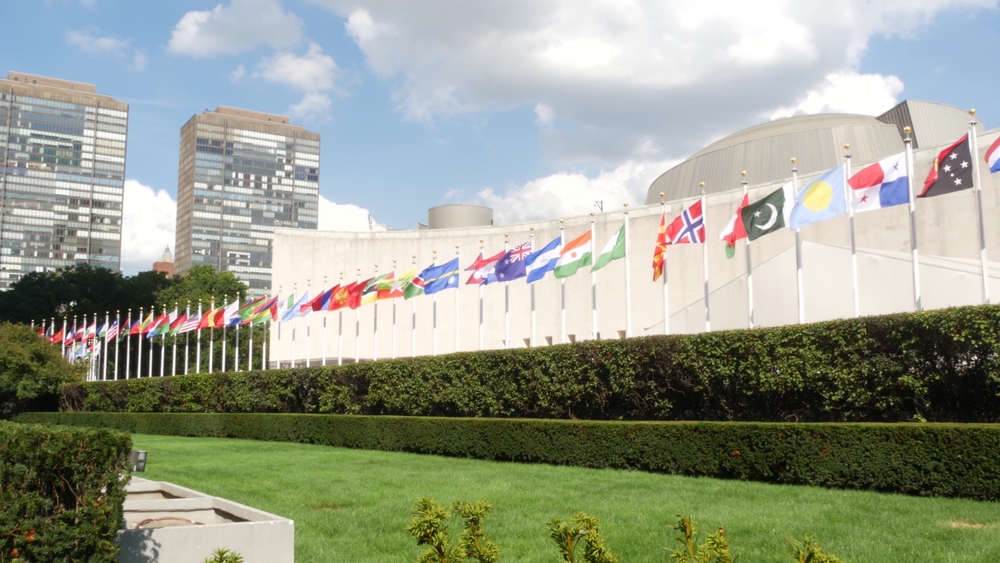
The dispute began during the General Assembly’s vote on Friday, when member states considered Secretary-General António Guterres’ recommendation to extend Volker Turk’s mandate for another four years. The proposal passed comfortably, receiving support from 144 countries, while only 10 nations voted against it and 13 abstained. Despite the overwhelming outcome, the countries opposing the extension immediately became the focus of international attention.
Among those voting against the measure was the United States, placing it alongside Russia, North Korea, Israel, and several other governments. The result surprised many observers because Washington has traditionally positioned itself as one of the strongest supporters of international human rights institutions, even when disagreements have existed behind closed doors. This vote marked another sign of the Trump administration’s increasingly confrontational relationship with the United Nations.
France wasted little time responding. Shortly after the vote, the French mission to the United Nations criticized Washington on social media, drawing direct attention to the company it had kept during the ballot. In one widely shared message, France wrote that “The US used to be a beacon of human rights. Not anymore.” The comparison between the United States and authoritarian governments immediately escalated tensions between the two longtime allies.
While diplomatic disagreements are common inside the UN, they are usually handled through carefully worded statements and private negotiations. France’s public criticism brought the disagreement into full view, ensuring that the next meeting between both delegations would be watched closely by diplomats and political observers around the world.
Washington Defended Its Position On Volker Turk
American officials rejected France’s criticism and insisted their opposition was directed at Volker Turk’s record rather than the concept of human rights itself. US Ambassador Mike Waltz accused the UN human rights chief of spending too much time criticizing democratic allies while failing to hold some of the world’s most repressive governments to the same standard.
Waltz argued that Turk had been “lecturing” countries such as the United States and Israel while “cozying up to the world’s worst oppressors.” Although he did not provide specific examples to support the accusation, the comments reflected broader concerns within the Trump administration about the direction of several UN institutions.
The administration has repeatedly argued that international organizations have become increasingly politicized and have unfairly targeted democratic nations while failing to respond forcefully enough to authoritarian governments. Those concerns have influenced a series of foreign policy decisions since President Donald Trump returned to office, including reductions in funding for several UN agencies and withdrawals from multiple UN bodies.
For Washington, the vote against Turk represented another attempt to push back against what it views as an imbalance within the international human rights system. France and many other member states, however, saw the decision very differently, believing it weakened global support for independent human rights oversight.
The Walkout Turned A Diplomatic Disagreement Into Global Headlines
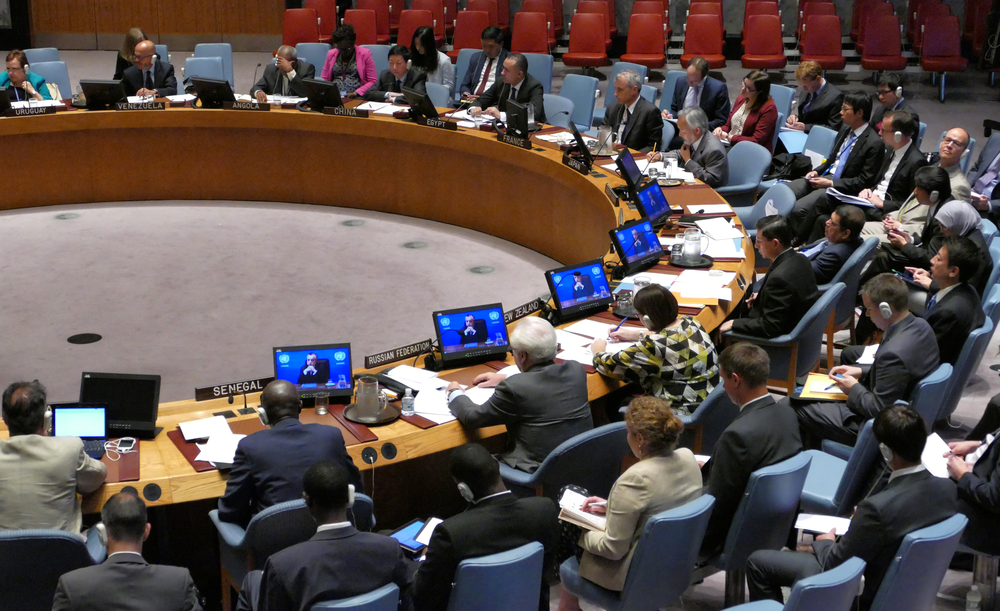
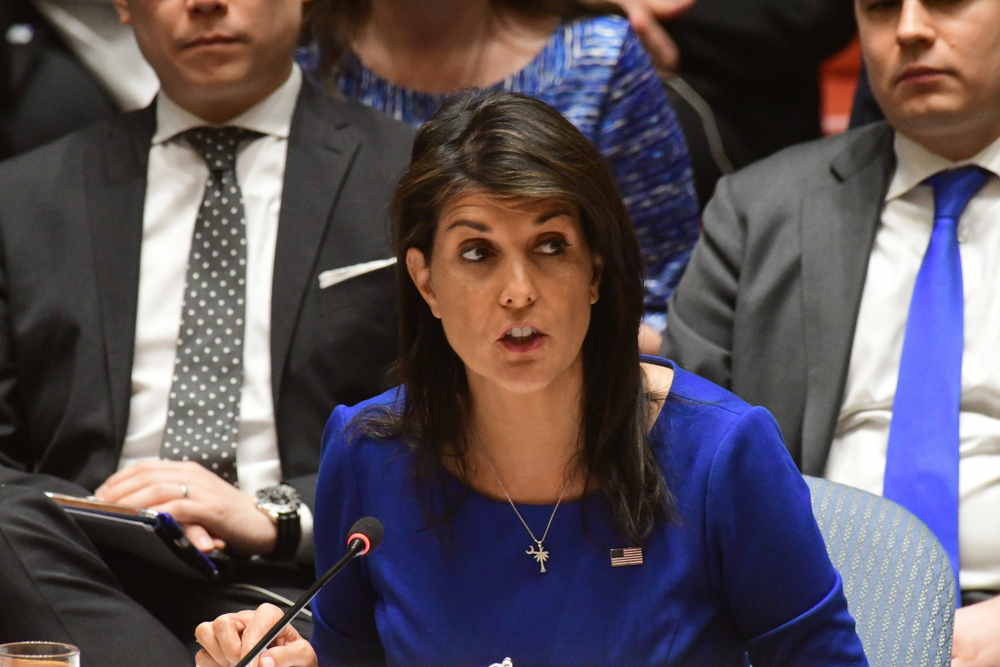
The simmering dispute exploded into public view during an emergency meeting of the UN Security Council on Monday, where ambassadors had gathered to discuss Russia’s ongoing war in Ukraine. As French ambassador Jérôme Bonnafont took the floor to deliver his remarks, members of the American delegation stood up and quietly left the chamber.
Their departure was not accidental. Shortly afterward, Dan Negrea, the United States’ alternate ambassador to the United Nations, confirmed the walkout had been carefully planned as a direct protest against France’s earlier comments. He said the delegation would continue taking similar action until France “renounce their condescending and disrespectful rhetoric.”
Negrea sharply criticized the French government’s remarks, describing them as “politicised drivel” and “disingenuous grandstanding.” He argued that comparing the United States to North Korea crossed a diplomatic line that Washington would not ignore.
He also defended America’s international role, declaring: “Today, I remind them that it is the United States that remains the beacon of liberty for the world.” The statement underscored the depth of frustration within the US delegation and transformed what began as a disagreement over one UN appointment into a much broader dispute over America’s place in the international system.
France Responded Without Acknowledging The Walkout
Despite the dramatic protest by the American delegation, French ambassador Jérôme Bonnafont chose not to address the walkout when he was later given the opportunity to speak. Instead of responding to the criticism or defending France’s comparison directly, he shifted the focus toward the broader mission of the United Nations and the longstanding relationship between the two countries.
Bonnafont reminded delegates that France had recently participated in celebrations marking the 250th anniversary of American independence, referencing the historic alliance that helped the United States secure its freedom during the Revolutionary War. His remarks appeared designed to lower the temperature of the exchange rather than fuel another public confrontation between two NATO allies.
He also defended France’s broader commitment to the UN, saying the organization exists to promote peace, development, and the protection of human rights around the world. According to Bonnafont, preserving the independence of international institutions remains essential if they are to carry out the responsibilities set out in the UN Charter.
Although he avoided mentioning the American walkout altogether, France made no indication that it intended to withdraw or soften its criticism over Washington’s vote. That silence suggested Paris was prepared to stand by its position despite the unusually public diplomatic fallout.
Why Volker Turk Has Become Such A Divisive Figure
At the center of the dispute is Volker Turk, who has served as the United Nations High Commissioner for Human Rights since 2022. During his first term, he became one of the UN’s most outspoken voices on global human rights issues, regularly criticizing governments accused of violating international law.
Turk has repeatedly condemned Russia’s invasion of Ukraine while also raising concerns about Israel’s military operations in Gaza. His office has called for investigations into deaths involving migrants held in US immigration custody and has spoken out on a wide range of human rights issues across the world. Supporters argue that these actions demonstrate the independence expected from the UN’s top human rights official.
France defended Turk’s record throughout the reappointment process. Bonnafont described him as “a voice of conscience” who had shown “rigor and impartiality” during his first term, arguing that he had fulfilled the responsibilities of the office without favoring any particular country or political bloc.
Washington viewed the situation differently. US officials argued that Turk had focused too heavily on democratic nations while failing to apply the same level of scrutiny to authoritarian governments. That disagreement ultimately became one of the driving forces behind America’s decision to oppose his second term.
The Clash Reflects A Larger Rift Between Washington And The UN
The disagreement over Turk’s reappointment is part of a broader pattern that has defined the Trump administration’s relationship with the United Nations. Since returning to office, President Donald Trump has reduced funding for several UN agencies and withdrawn the United States from numerous UN bodies, arguing that many international organizations no longer serve American interests.
Following the General Assembly vote, US ambassador Jeff Bartos warned that Washington’s opposition would not end with a symbolic protest. He said “there will be consequences” for an assembly that, in his view, tolerated procedural overreach and political bargaining surrounding senior UN appointments. Bartos also announced that the United States would immediately reassess its engagement, participation, and financial contributions to the organization.
The overwhelming support for Turk’s reappointment nevertheless demonstrated that the vast majority of UN member states remain committed to the current leadership of the Human Rights Office. While only 10 countries voted against extending his mandate, the dispute has exposed widening divisions over how international human rights institutions should operate and who should hold governments accountable.
Deputy UN spokesperson Farhan Haq declined to comment directly on the American walkout but reiterated that the organization expects all member states to respect decisions reached through the General Assembly. For now, Turk will continue serving as High Commissioner, but the political battle surrounding his appointment appears far from over.
A Rare Diplomatic Rift Between Close Allies
Public disagreements between the United States and France are nothing new, but they seldom unfold in such dramatic fashion inside the United Nations. The walkout transformed a procedural vote over a senior UN appointment into an international headline, drawing attention to the increasingly strained relationship between Washington and global institutions under the Trump administration.
With the United States signaling that it could further reduce its participation and funding while France continues defending both Volker Turk and the UN’s human rights system, the confrontation is likely to remain part of a much larger debate over the future role of the United Nations. What began as a dispute over one appointment has become another visible sign of deepening divisions over international diplomacy and human rights leadership.
António Guterres, Birds Advice, breaking news, Dan Negrea, diplomacy, France, Gaza, global politics, human rights, Human Rights Vote, international relations, Jerome Bonnafont, Mike Waltz, North Korea, Political News, Russia, Trump administration, Ukraine War, UN, UN General Assembly, UN Human Rights Council, UN Security Council, United Nations, united states, US, US Foreign Policy, Volker Turk, World News