
Your cart is currently empty!
A Discarded SpaceX Rocket Is Hurtling Toward the Moon at 5,400 MPH — What Happens on Impact?

Right now, somewhere between Earth and the Moon, a dead rocket is falling toward a collision nobody planned. It will hit at 6:35 universal time on August 5, 2026, in a sunlit stretch of ancient crust near a crater called Einstein, and astronomers can already tell you that almost to the second. Here’s the strange part: we know exactly where this rocket is going because, for nineteen months, nobody cared where it went.
Contents
show
Nobody Was Watching, Except One Man

Since January 2025, the spent 45-foot upper stage of a Falcon 9 has been tumbling silently through the dark between Earth and the Moon, empty, unclaimed, forgotten by everyone except one man. Bill Gray, an independent astronomer who tracks the sky’s leftover hardware, has been watching it fall the whole time.
And that’s what makes this particular morning different from any before it. In all our centuries of watching the Moon, nobody has ever actually witnessed a rocket hit it. This time, we might.
Think of it a little like finally tracking down where a lost package ended up, months after you gave up looking. Except this “package” weighs several tons, is moving at highway-plus speeds, and its destination is another world.
How a Spent Rocket Stage Ended Up in a Looping Orbit
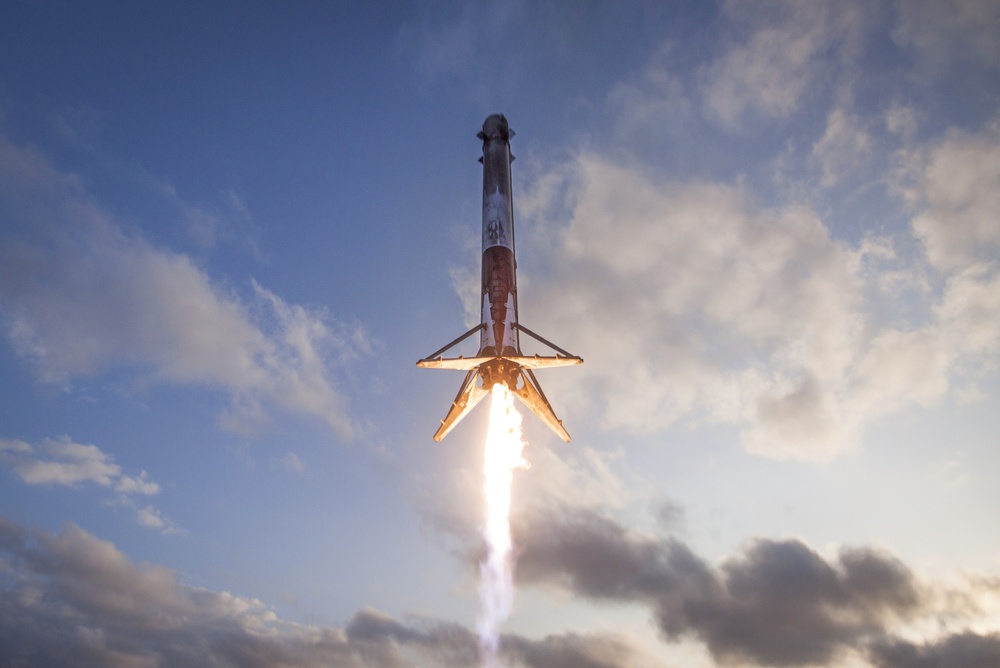
The story starts on January 15, 2025, when a Falcon 9 lifted off from Kennedy Space Center carrying two private lunar landers: Firefly Aerospace’s Blue Ghost and ispace’s Resilience. The rocket did its job, delivering both spacecraft onto the right paths toward the Moon, and then its work was done.
Blue Ghost went on to land successfully in March 2025. Resilience wasn’t so lucky; it crashed during its own landing attempt months later. But the rocket stage that carried them had no landing of its own to make. It had burned through its fuel and was left drifting, a hollow 45-foot shell with nowhere to go.
That drift turned into something stranger. The stage settled into a wide, looping orbit that carried it hundreds of thousands of kilometers from Earth before curving back toward the Moon, not because anyone aimed it there, but because that’s simply where the orbit led. Astronomers gave it a catalog number, 2025-010D, and Gray began tracking it, watching the picture of where it would end up come slowly into focus.
Nineteen Months of Falling
Gray has followed 2025-010D through telescopes around the world for a year and a half. It tumbles as it flies, one observer caught its brightness pulsing five times in a single 12-minute exposure, sunlight glinting off a slowly rolling metal shell. A dead thing, still catching the light.
Even that sunlight complicates the math. The faint push of light against the stage’s surface nudges its path in ways no computer can perfectly predict, which is why Gray settled on 06:35 UTC on August 5 while cheerfully admitting that “the actual impact will be at least a little off from that time and place.”
There’s something almost aching in that precision. We measured this rocket’s ending down to a fraction of a second, and only after we’d thrown it away. The orbits of Earth, the Moon, and the rocket all cross at one point in space, and on the morning of August 5, all three arrive there together. The ending is already written.
What 5,400 MPH Does to the Moon
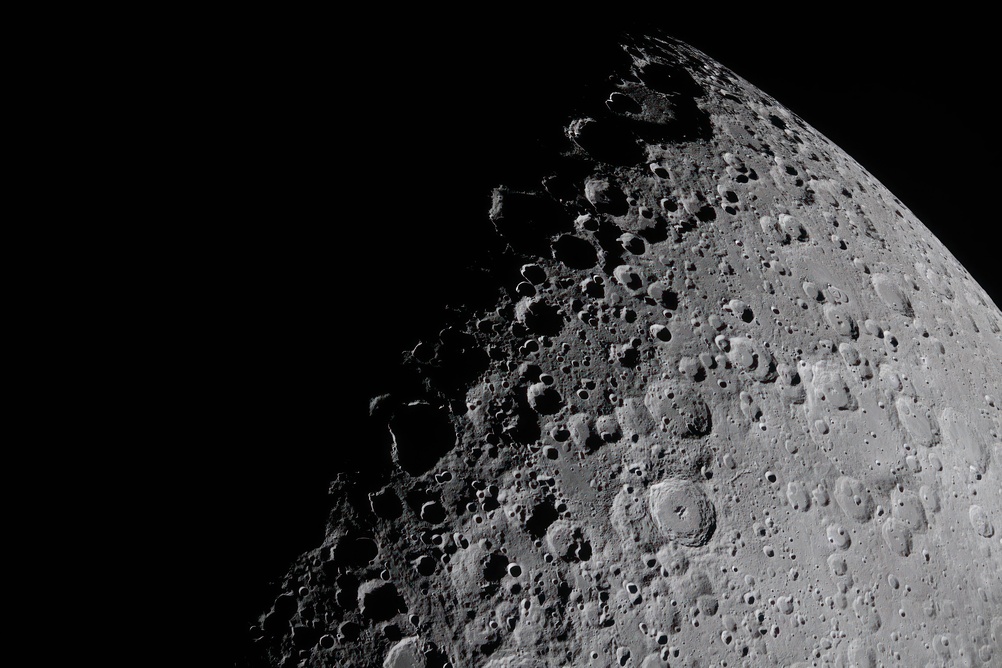
The stage will hit at about 2.43 kilometers per second, roughly 5,400 mph, seven times the speed of sound. By cosmic standards, that’s actually gentle; asteroids strike the Moon far harder, which is one reason the flash of impact might be too faint to see.
Whatever survives won’t look like a rocket anymore. It’s a hollow metal shell, and researchers expect it to crumple against the surface rather than punch through it. The energy released, about 14.5 billion joules by Gray’s math, works out to roughly three tons of TNT. That’s enough to carve a fresh crater somewhere between 66 and 98 feet across, and hurl more than a million kilograms of ancient lunar soil into the airless sky.
Simulations from William Jo at the University of Texas at Austin suggest the central spike of debris could climb 75 to 100 kilometers above the surface, with a wider curtain of ejecta spreading out 15 to 20 kilometers high. That plume may actually be easier to spot than the flash itself: the collision happens in an instant, and the impact site sits close to the Moon’s bright edge, where it’s hard to pick out against the glare. Rising dust, though, can hang in view for several minutes, a much better target for a telescope pointed at the right patch of sky. Observers in eastern North America and South America are best placed for it, with the impact falling in their early morning hours.
None of that is a guarantee, of course. The math tells you when and where; it can’t promise a telescope will be looking at the right moment. The Moon will keep its scar either way. As planetary scientist Steven A. Hauck put it, “The debris of this small impact will remain at the moon.”
The Last Impact Had No Witnesses
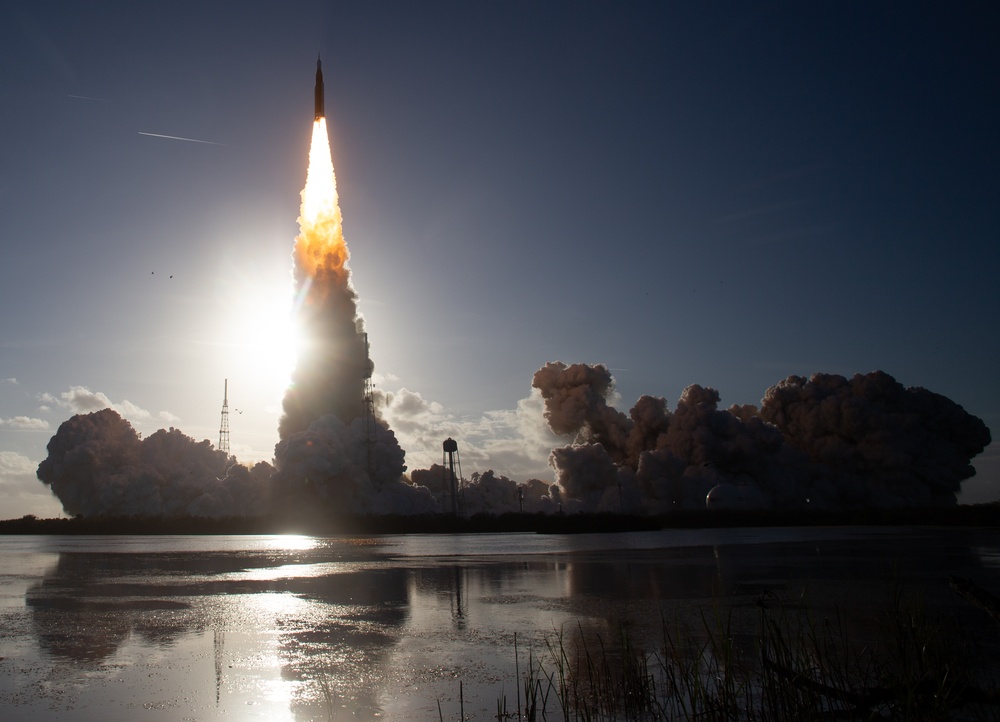
Another surprising fact is that a similar event has happened before. On March 4, 2022, a discarded rocket stage struck the far side, and not a single telescope on Earth could watch, because the far side never faces us.
That impact came with its own twist. The object was first identified as a Falcon 9 stage, but closer tracking pointed instead to the booster from China’s Chang’e 5-T1 mission. Then came the strangest detail: when NASA’s orbiter finally photographed the crash site, it found a double crater, two overlapping pits of nearly equal size, hinting at two heavy masses inside a rocket that should have carried only one. Nobody has fully explained it.
This time, there’s no mystery and nowhere to hide. A known machine, tracked since the day it launched, will strike the near side in daylight, with cameras waiting.
What We Leave Behind
There’s an easy fix, and we’ve already seen it work. The upper stage that launched the James Webb Space Telescope was sent into orbit around the Sun, well clear of the Moon. Gray notes that SpaceX and China’s space agency have adopted similar approaches for some lunar missions.
As more landers, orbiters, and eventually crews head to the Moon, every mission leaves something behind. What begins as a single forgotten object can eventually add up, making how we handle leftover hardware part of the story of lunar exploration.
If you’re awake in the early hours of August 5 with a telescope, look up. Whether you see a flash, a rising thread of dust, or nothing at all, you’ll be watching something no previous generation could: the Moon receiving one of our machines, live. As Gray puts it, the impact poses no danger, but highlights “a certain carelessness” in how leftover space hardware is disposed of.