
Your cart is currently empty!
Trump Warns Communities Rejecting AI Data Centers Could Become ‘Backwards And Poor’

President Donald Trump has taken aim at the growing backlash against artificial intelligence data centers, warning that communities shutting the door on the massive facilities could lose out on jobs, investment and the economic benefits of America’s rapidly expanding AI industry. In a strongly worded post on Truth Social, Trump argued that opposition to data center construction could leave communities behind as companies race to build the computing infrastructure needed to power artificial intelligence, cloud services and other technology.
Contents
show
The comments place Trump at the center of a growing national argument that stretches far beyond Silicon Valley. Data centers are bringing billions of dollars in investment to states across America, but they are also raising serious questions about electricity costs, water consumption and the pressure large facilities can place on local infrastructure. Trump has made it clear which side of the debate he supports, arguing that communities resisting the projects risk missing a major economic opportunity.

Trump Issues A Stark Warning
Trump delivered his message in blunt terms as opposition to new data center developments continues to grow in communities across the country. “The only reason that communities throughout the U.S.A. should not want Data Centers is if they want to end up being backwards and poor,” he wrote on Truth Social. The president then presented the alternative in equally dramatic language, suggesting that communities willing to embrace the facilities could benefit from investment, employment and lower taxes.
“If they want to be successful and rich, with far lower taxes and jobs all over the place, let Data Reign,” Trump added. His comments reflect the administration’s broader push to speed up the development of infrastructure supporting artificial intelligence. For Trump, data centers are not simply another type of commercial construction project. They are becoming a major part of America’s effort to maintain technological and economic leadership as AI companies demand more computing power.
Trump also connected the domestic debate directly to competition with China. “China could not be happier with this anti Data Center movement,” he wrote, arguing that resistance to new facilities could weaken America’s position in the global AI race. The message is likely to intensify an already heated debate, particularly in states where residents are increasingly questioning how much electricity and infrastructure should be dedicated to an industry expanding at remarkable speed.
The AI Boom Is Creating Enormous Demand
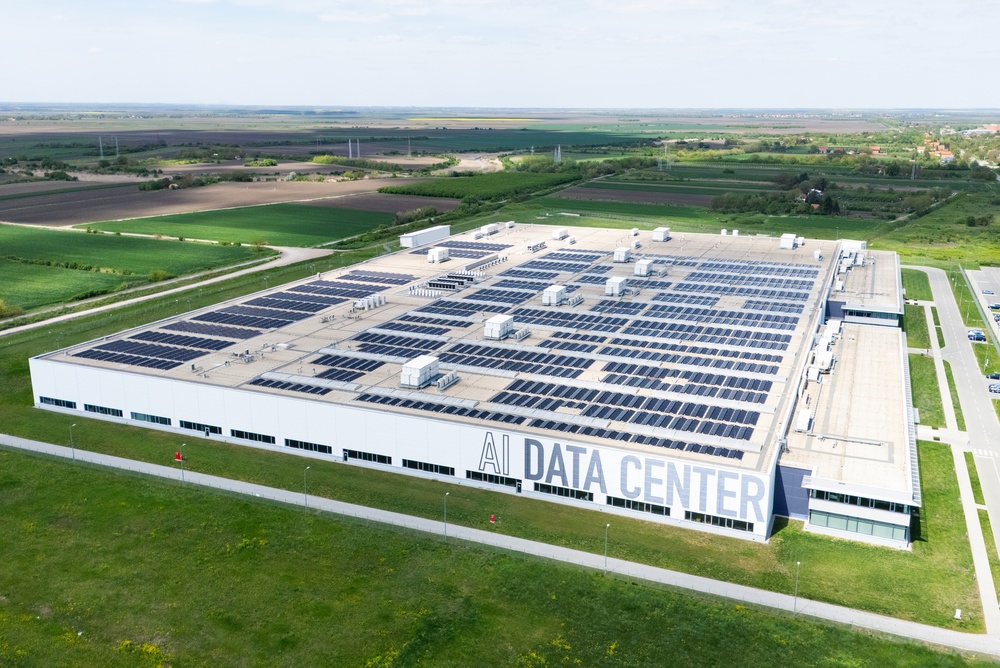
Data centers are the physical backbone behind much of the technology people use every day. They house the servers and computing equipment that support artificial intelligence systems, cloud storage, streaming platforms and countless digital services. Most Americans may never see the inside of one, yet much of modern life depends on the technology operating inside these highly specialized facilities.
The rapid growth of artificial intelligence has created an even greater demand for computing capacity. Training and operating advanced AI systems can require enormous amounts of electricity, while the equipment itself must also be cooled to continue functioning safely. That has triggered a massive race to build new facilities across the United States, with companies and investors searching for locations capable of supporting the industry’s growing energy needs.
Trump has made energy dominance and AI leadership central priorities of his second term, placing data center development near the middle of both strategies. His argument is that the United States cannot maintain an advantage in artificial intelligence without dramatically expanding the infrastructure required to support it. Communities rejecting new projects may therefore find themselves watching major investments move to other states that are more willing to host them.
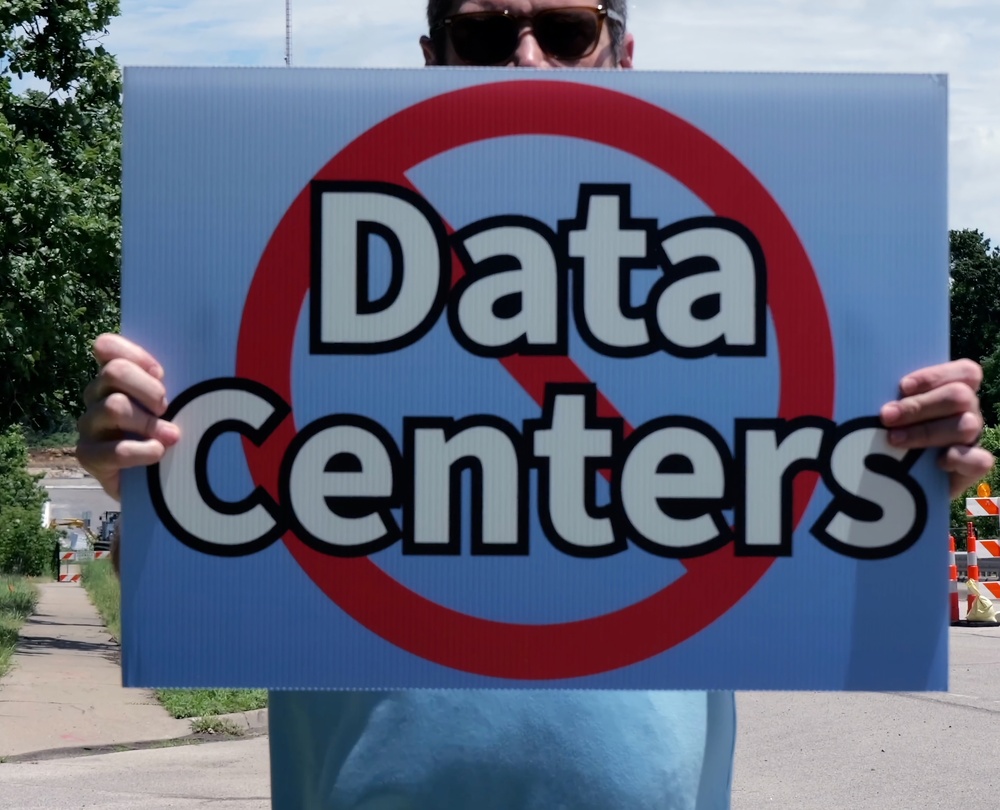
Electricity Costs Are Driving The Backlash
The economic promises surrounding data centers are substantial, but so are the concerns. Large facilities can consume huge amounts of electricity, potentially requiring significant upgrades to power generation and transmission systems. Residents and local officials have increasingly questioned who should pay for those improvements and whether ordinary households could eventually face higher utility costs as energy-hungry facilities connect to the grid.
Water use has also become a major issue in some areas, particularly where facilities rely on cooling systems that require significant resources. Rapid development can create additional concerns about land use, infrastructure and the speed at which communities are changing. These questions have turned data center development into a political flashpoint, with supporters emphasizing investment and technological leadership while opponents demand stronger protections for residents.
The central disagreement is becoming increasingly clear. Trump and other supporters of rapid expansion argue that America needs more data centers to compete in the AI economy. Critics and cautious state officials are asking whether developers should bear more responsibility for the infrastructure required to support their projects. The answer could determine how quickly the industry expands and which communities are willing to welcome it.
Texas Has Emerged As A Major Battleground
Texas has become one of the most important states in the national data center boom, attracting major investment while also confronting concerns about the strain new projects could place on the electric grid. Dallas ranked as the world’s No. 1 primary data center market in Cushman & Wakefield’s 2026 Global Data Center Market Comparison, underlining the scale of the industry’s presence in the state and the enormous financial stakes involved.
Trump has specifically criticized Texas Gov. Greg Abbott’s approach to data center development, calling the state’s stance a “mistake” while highlighting the economic investment that large projects can bring. The disagreement is notable because Texas has already established itself as a heavyweight in the industry, yet state leaders are still trying to determine how to manage the infrastructure demands created by rapid growth.
Abbott has sought to address those concerns by pushing for data center developers to cover the infrastructure costs required to serve their facilities. He has also called on companies to add their own power generation rather than shifting the costs of major grid expansion onto Texas residents. The approach shows that welcoming the industry and imposing stricter requirements do not necessarily have to be mutually exclusive, although Trump has made clear that he wants communities to remain open to rapid expansion.
States Are Taking Very Different Approaches
Texas is far from the only state wrestling with the issue. Pennsylvania Gov. Josh Shapiro has recently imposed new requirements on large data center developments as officials consider the industry’s impact on infrastructure and energy systems. Other states are taking even more restrictive positions as concerns grow over electricity prices, grid reliability and the speed of construction.
New York Gov. Kathy Hochul has imposed a one-year moratorium on new hyper-scale data centers, creating a temporary pause while the state confronts the potential consequences of large-scale development. The growing differences between states could create a complicated national patchwork, with companies facing very different rules depending on where they choose to build their next facility.
That patchwork could complicate Trump’s push for rapid expansion. States eager for investment may compete aggressively to attract projects, while others may introduce stricter conditions or temporary restrictions. Companies could increasingly choose locations based not only on available land and energy capacity but also on how willing state and local governments are to accommodate the industry’s enormous infrastructure requirements.
Communities Want Answers Before Saying Yes
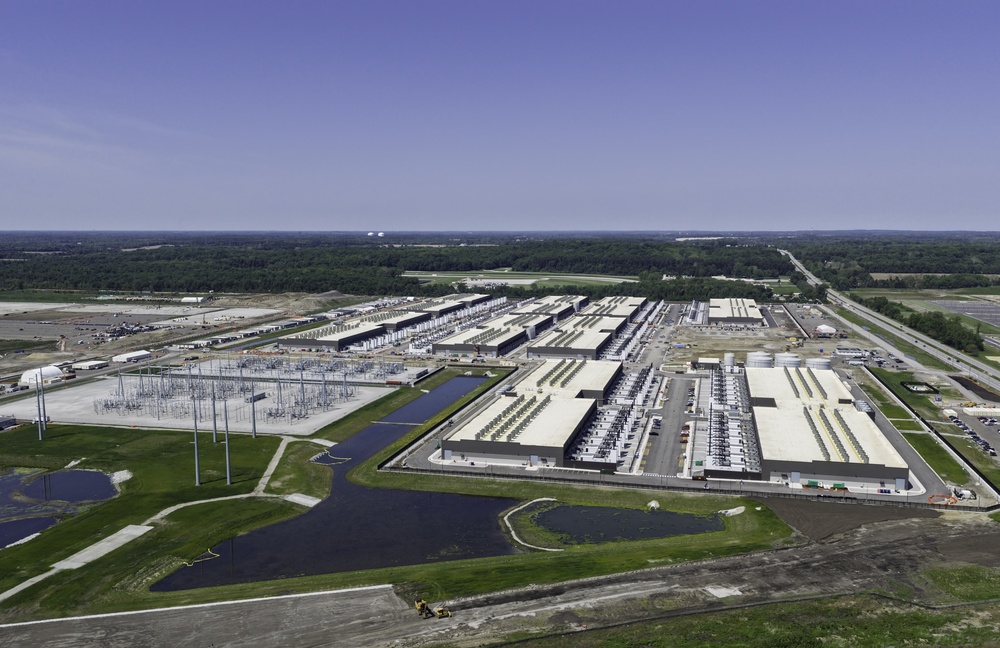
The debate is becoming increasingly focused on practical questions that communities believe must be answered before major projects receive approval. Residents are being asked to weigh the promise of investment against concerns involving infrastructure, utility costs and long-term development. Supporters believe rejecting projects could mean losing valuable economic opportunities, while opponents fear communities may be left dealing with the consequences after companies have already secured approval.
Several major questions continue to shape the debate:
- Who pays for new infrastructure: Communities want clarity on whether developers or utility customers will cover the costs of expanding the grid.
- Could household electricity bills rise: Residents are concerned that massive new energy demand could eventually affect ordinary consumers.
- How much water will facilities use: Water consumption remains a concern in areas facing limited resources.
- How many permanent jobs will be created: Large construction projects can create substantial temporary employment, while long-term staffing needs may be smaller.
- Should companies generate their own power: Some officials want developers to provide additional generation capacity rather than relying entirely on existing systems.
These concerns explain why the backlash cannot simply be dismissed as opposition to technology. Many communities support economic development and technological growth while still demanding clear answers about the financial and environmental consequences. The fight is increasingly about the terms under which data centers are built rather than a simple choice between embracing AI and rejecting it.
Trump’s AI Push Faces A Local Challenge
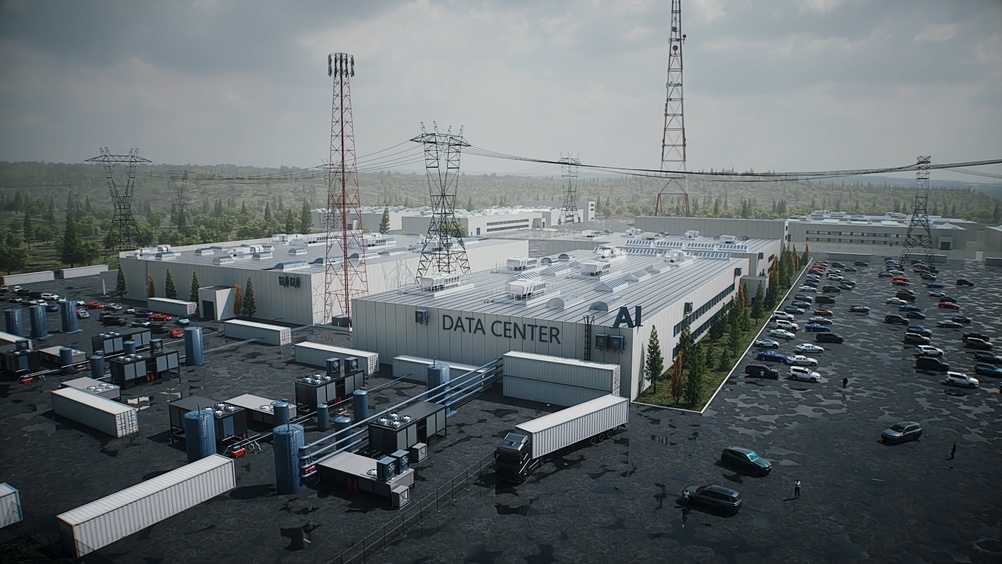
Trump’s comments reveal the tension between a national strategy and local reality. From Washington’s perspective, expanding America’s computing infrastructure is closely connected to economic competitiveness and the race to remain ahead of China in artificial intelligence. For a community considering a massive new facility, however, the questions can be far more immediate and personal, particularly when residents are worried about electricity bills and the pressure placed on local resources.
The administration’s push for data center growth could therefore collide with governors, regulators and local communities demanding greater control over how projects are approved. The coming years may see more states adopt approaches similar to Texas, welcoming major investment while requiring developers to assume greater responsibility for the infrastructure they need.
Trump’s warning that communities could become “backwards and poor” if they reject data centers is certain to generate attention, but the debate is unlikely to be settled by rhetoric alone. America’s AI ambitions require an enormous physical expansion of computing infrastructure, and every new facility will raise the same question: how can communities capture the benefits of the AI boom without leaving residents to absorb its costs? The answer may determine where the next generation of America’s technological economy is built.