
Your cart is currently empty!
The Climate Warning Signs Are Becoming Impossible To Ignore
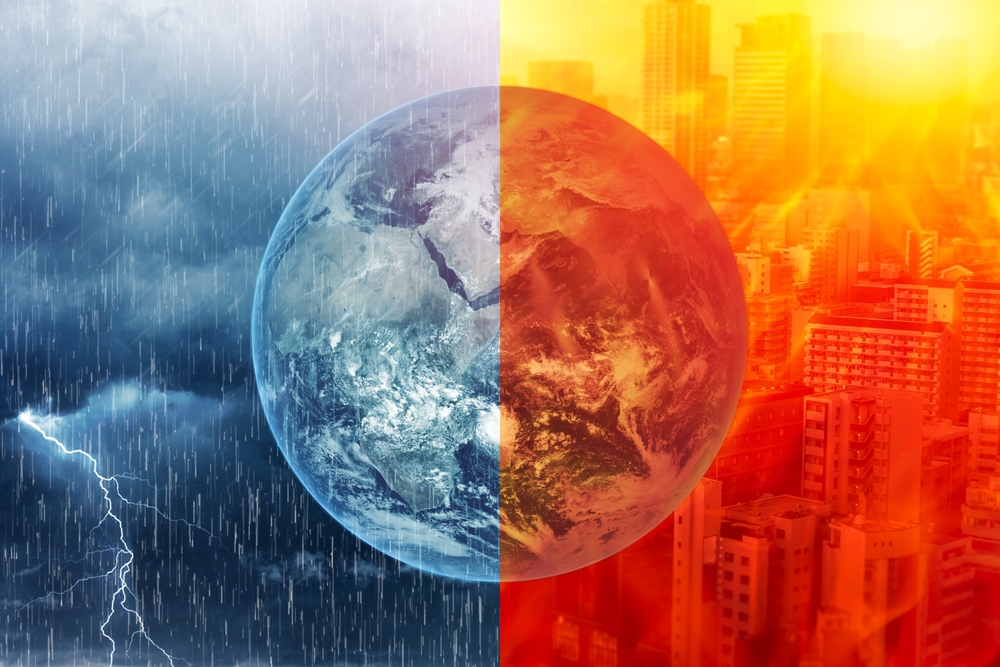
The warning signs are no longer confined to climate models or distant projections. Forests are burning across huge areas, crops are being threatened by shifting rainfall, oceans are reaching extraordinary temperatures, and glaciers are changing the stability of mountain landscapes.
Contents
show
No single disaster defines the climate crisis. Instead, a series of increasingly severe events is revealing how a warmer planet can amplify familiar hazards. Scientists cannot predict exactly when the next catastrophic event will strike, but the risks are becoming harder to dismiss.
El Niño Is Turning Up The Heat
One of the clearest examples is unfolding in the Pacific Ocean, where an exceptionally strong El Niño has developed. El Niño is a natural climate cycle that periodically warms the tropical Pacific, but its effects can extend thousands of miles beyond the ocean where it begins.
During a normal El Niño, weakened trade winds allow warm water that has accumulated in the western Pacific to move eastward. That warm water heats the atmosphere above it, shifting the enormous circulation patterns that influence rainfall and temperature across the tropics and beyond.
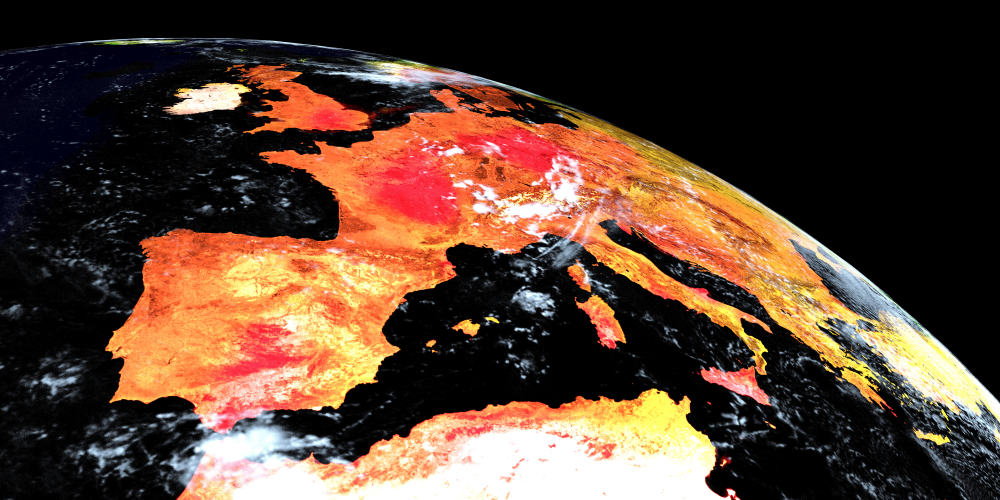
The current event described in the reference material is particularly intense. Sea surface temperatures in the east-central Pacific were projected to reach around 4°C above normal at the peak, potentially exceeding the previous record by around 60%.
Nick Dunstone of the UK Met Office explained that stronger El Niño events generally produce stronger consequences across many regions. “If you ramp up the size of your El Niño, you tend to ramp up the impacts in most regions of the world,” Dunstone said.
The Natural Cycle Is Meeting A Warmer Planet
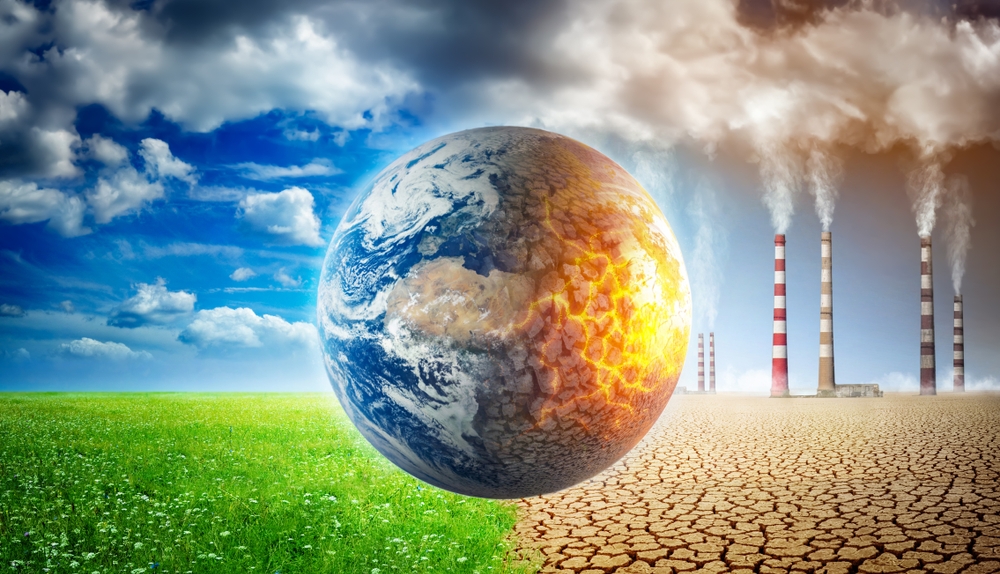
El Niño itself is not caused by human-driven climate change. It is a naturally occurring part of the climate system that has existed long before modern industrial emissions transformed the atmosphere.
The problem is that the heat associated with an unusually strong El Niño is being added to a planet that has already warmed substantially because of greenhouse gas emissions from human activities. That combination can push temperatures and other climate indicators to unusual levels.
Samantha Burgess of the European Union’s Copernicus Climate Change Service described El Niño as adding heat “to the system” on top of decades of human-driven warming. That distinction is important because the Pacific cycle will eventually change, while the underlying buildup of greenhouse gases will persist for much longer.
The result is a climate system dealing with both short-term natural variability and a long-term human-driven warming trend. That combination can make individual years exceptionally hot and can increase pressure on ecosystems, agriculture and communities already exposed to extreme weather.
Drought, Wildfires And Floods Can Arrive Together
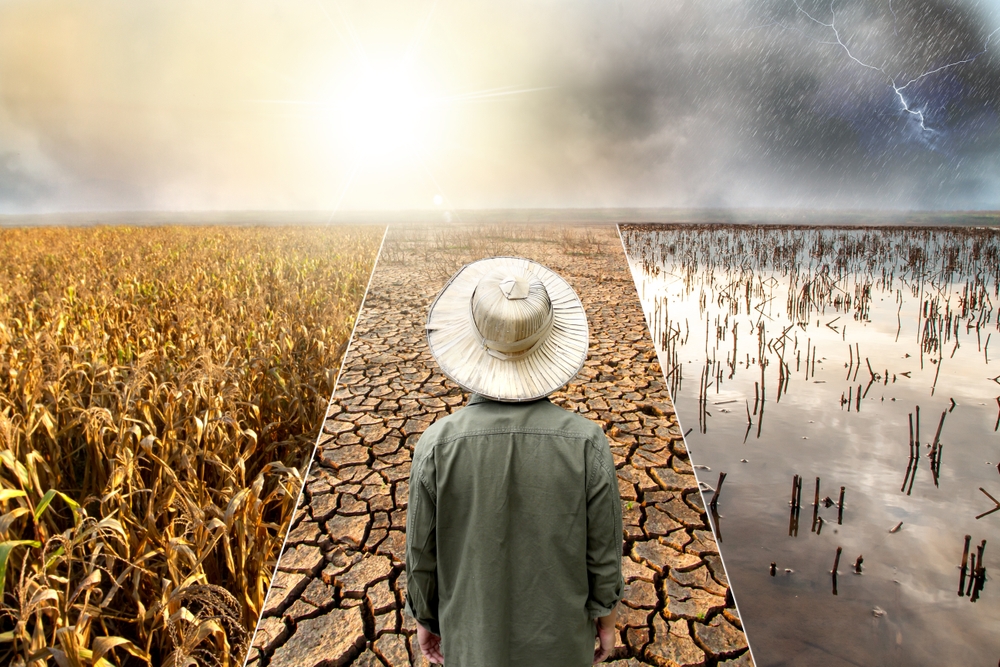
El Niño changes the position of rising and sinking air across the tropics. When warm, moist air rises in a different part of the Pacific, the atmospheric circulation connected to it shifts as well.
That can leave some regions unusually dry while sending heavier rainfall toward others. The exact pattern varies from one El Niño to another, but the reference material identifies Australia, Indonesia, Borneo and parts of the Amazon as areas where wildfire risk can increase.
The history of strong El Niño events shows how serious those conditions can become. During the 1982-83 super El Niño, the Great Fire of Borneo destroyed around 36,000 square kilometres of rainforest, while peatlands released huge amounts of carbon dioxide.
Dry conditions can create a dangerous feedback. Vegetation becomes easier to burn, fires release additional carbon into the atmosphere, and damaged ecosystems can lose some of their ability to store carbon.
Other regions can experience the opposite problem. Paraguay, Uruguay and southern Brazil have previously faced severe flooding during strong El Niño conditions, with more than 100,000 people displaced during the 2015-16 event.
The contrast is striking because the same climate pattern can contribute to drought and fire in one part of the world while increasing flood risks somewhere else. That makes the consequences particularly difficult for governments and communities to manage.
Food Supplies Are Also Exposed

Rainfall shifts are especially important for agriculture because many farming regions depend heavily on predictable seasonal precipitation. When those patterns change, farmers can face water shortages, crop losses and higher production costs.
India provides a major example from the reference material. The country’s monsoon was tracking well below average, with rainfall around 15% below normal, while roughly 60% of India’s agricultural areas depend on rainfall as their primary source of water.
Rice is particularly important because it feeds a huge share of the world’s population. Analysts cited in the reference expected global rice production to fall by around 9 million tonnes in the relevant growing period, adding pressure to prices for a staple consumed by billions of people.
The consequences of climate disruption therefore do not stop at the farm boundary. A drought affecting a major producer can eventually reach supermarkets, restaurants and household budgets in countries thousands of miles away.
The Oceans Are Carrying An Extraordinary Amount Of Heat
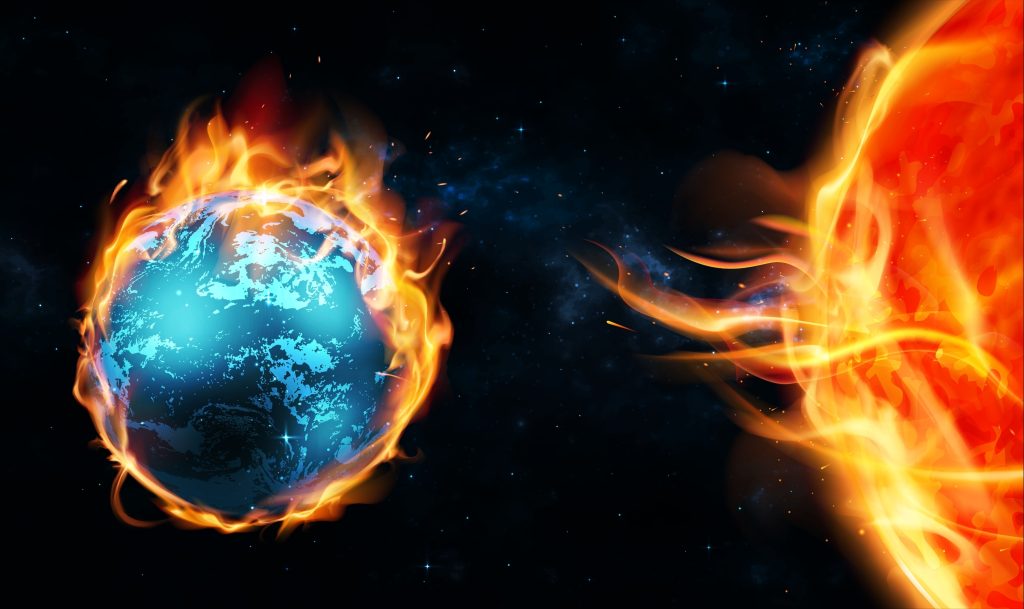
The world’s oceans have been absorbing heat as greenhouse gas concentrations have increased. Natural climate cycles can temporarily move that heat around, producing additional extremes in particular regions.
The reference material notes that global average sea surface temperature reached a record on August 26, with the timing considered unusual because global ocean temperatures generally reach their highest levels earlier in the year.
El Niño contributed to that warmth, but it was not acting alone. Decades of human-caused warming have raised the baseline temperature of the climate system, meaning natural fluctuations can now occur on top of a much warmer background.
This matters for more than temperature records. Ocean heat influences weather systems, marine ecosystems and tropical storms, creating consequences that can spread across entire regions.
Tropical Storms Respond To The Shift
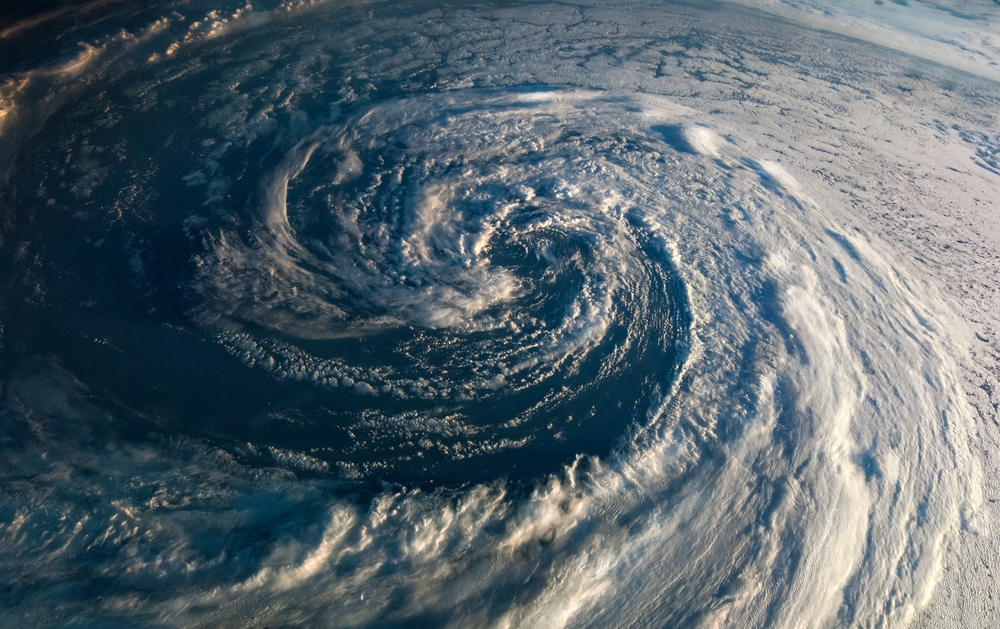
El Niño can alter tropical storm activity by changing wind patterns and the location of warm water. In the Pacific, storms can form farther east than usual because the warm, rising air associated with El Niño shifts toward the central and eastern ocean.
Those storms can then spend more time over warm water before reaching parts of Asia, giving them additional opportunity to strengthen.
The Atlantic can respond differently. El Niño often strengthens high-level westerly winds, producing wind shear that can disrupt developing tropical storms. The reference material notes that this contributed to a quieter Atlantic hurricane season during the period described.
That difference shows why climate systems cannot be reduced to a simple rule that warming always means more storms everywhere. The atmosphere is interconnected, and changes in one region can alter conditions in another.
The broader concern is that exceptionally warm oceans provide additional energy to the climate system. When natural variability and long-term warming reinforce each other, communities can face weather conditions outside the range they have historically planned for.
The Himalayas Are Showing Another Kind Of Climate Risk
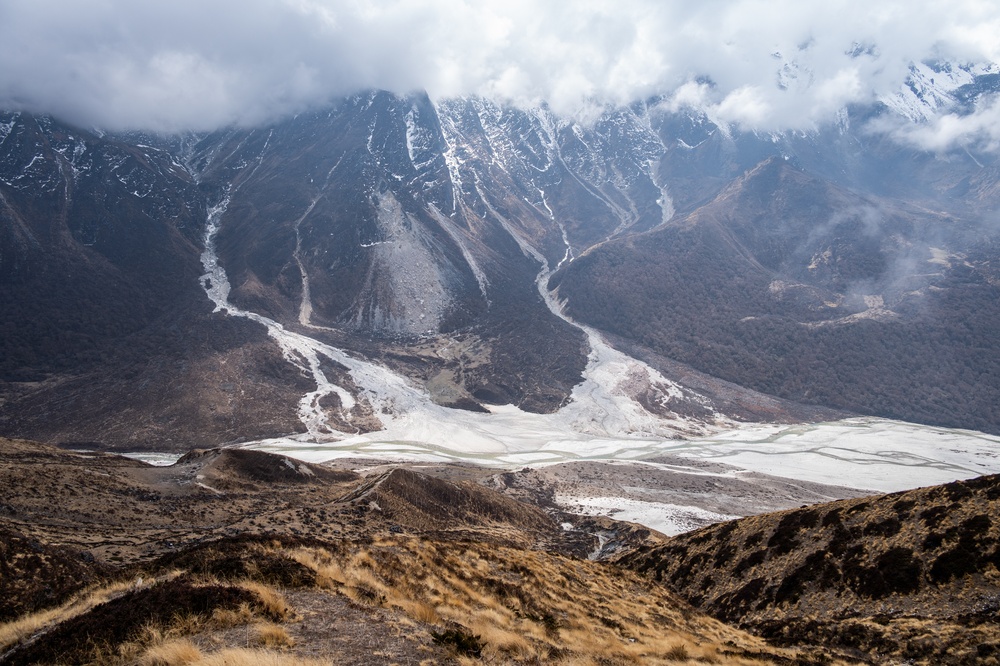
Climate change is also altering places where the danger is less obvious than a heatwave or hurricane. In the Himalayas, rising temperatures are affecting glaciers and permanently frozen ground, potentially changing the stability of mountain slopes.
A World Weather Attribution analysis examined the catastrophic August 26, 2026 collapse near Nepal’s border with China. More than 1,300 people were reported killed, while more than 5,000 remained missing after a massive section of rock and glacier collapsed.
The resulting torrent of water, ice, boulders and sediment swept through communities along the Trishuli River corridor and caused billions of dollars in damage.
Researchers did not say climate change was the sole cause. A major earthquake in Nepal in 2015 may have weakened the underlying rock years before the collapse, creating another important factor in the disaster.
However, the analysis found that human-caused warming had intensified several processes that can make mountain slopes less stable. Those changes had accumulated over decades rather than appearing suddenly on the day of the collapse.
Ben Clarke, a climate researcher at Imperial College London who worked on the analysis, said, “This disaster was not an extreme weather event, but the fingerprints of climate change are still clear to see in long-term changes.”
Melting Ice Can Change The Ground Beneath It
Permafrost is ground that remains frozen for extended periods. In high mountain regions, frozen material can help hold fractured rock together, so warming can have consequences beyond the loss of ice itself.
The analysis found that warming had pushed the altitude of the freezing threshold upward by roughly 100 meters per decade. As increasingly high sections of mountain terrain spend longer periods above freezing, permafrost can thaw and cracks can develop within previously frozen material.
Jakob Steiner, a geoscientist at the University of Graz, said monitoring around 5,000 meters had shown that some rock and ground no longer remain frozen throughout the year. Previously frozen surfaces are becoming exposed as ice retreats, changing the physical conditions of the slopes.
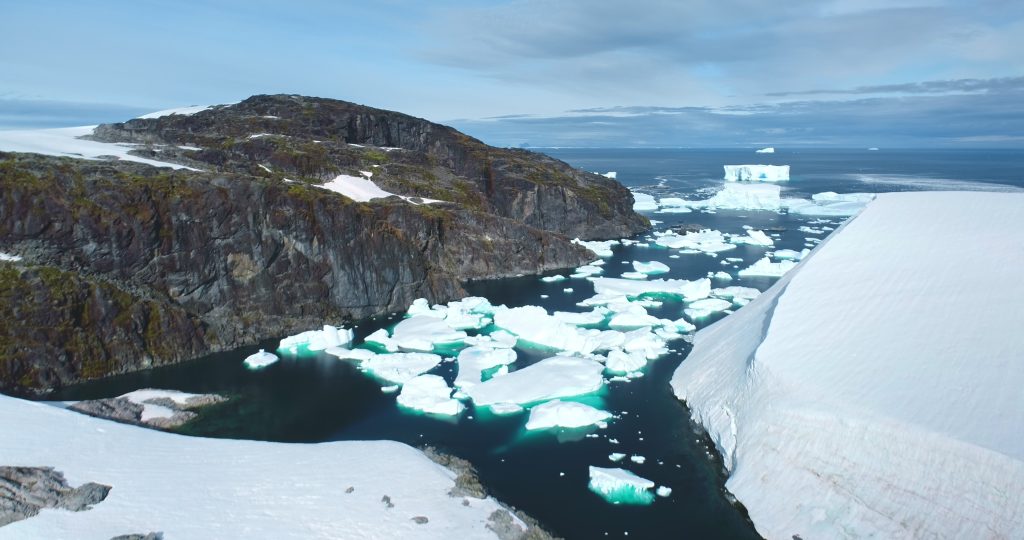
Glacier loss adds another pressure. The reference says glaciers in the region have been thinning by more than half a meter per year, while the Langtang Lirung glacier has retreated around half a kilometre since the 1990s.
The Himalayan region contains more than 63,000 glaciers that feed at least 10 major Asian river systems. Those water sources support food production, energy generation and livelihoods for billions of people, meaning changes in the mountains can have consequences far beyond the slopes themselves.
Extreme Events Are Becoming A Preparedness Problem
Climate scientists have warned for decades that warming would increase the frequency or intensity of many extreme weather events. What has changed is the growing number of events occurring against a background of already elevated temperatures.
Australia’s Black Summer wildfires of 2019 and 2020 burned around 19 million hectares. Pakistan’s devastating 2022 floods left roughly one-third of the country underwater, while Hurricanes Helene and Milton caused major destruction in the United States in 2024.
These events differ enormously, but they share one important feature. Climate change does not need to create an entirely new category of disaster to cause serious damage. It can alter the conditions surrounding hazards that already exist.
Heatwaves can become hotter. Dry periods can increase fire danger. Heavy rainfall can become more intense. Warmer oceans can influence storms, while melting glaciers and thawing permafrost can alter the stability of mountain terrain.
That creates a difficult challenge for emergency planning because several hazards can interact. A prolonged drought can dry vegetation before a wildfire, while a heatwave can increase demand for limited water supplies. Heavy rainfall can then produce severe flooding after the landscape has already been weakened by prolonged dryness.
Warning Systems Have Limits
Modern forecasting can provide valuable warnings for many climate-related hazards. Communities can receive alerts for approaching hurricanes, dangerous heat and major rainfall events, allowing people to evacuate or take protective measures.
Some hazards are much harder to predict.
A sudden mountain collapse can occur with little warning, particularly in remote areas where monitoring infrastructure is limited. The Nepal analysis found that the speed and scale of the 2026 disaster overwhelmed existing defenses.
Friederike Otto of Imperial College London said that “small changes in temperatures affect the stability of the land itself.” Her comment captures a crucial problem with climate adaptation: some warming-related changes affect the physical foundations on which communities are built.
Better monitoring, satellite observation and warning systems can reduce risk. They cannot remove every hazard, particularly when settlements, roads, hydropower facilities and other infrastructure are concentrated in narrow Himalayan valleys.
The Biggest Risk Is Becoming Used To Extreme Weather
There is also a psychological problem surrounding climate change. People naturally struggle to think about disasters that are difficult to imagine, especially when the timing of those disasters cannot be predicted with certainty.
That can make repeated extreme events strangely easy to normalize. One wildfire becomes a recovery project, another heatwave becomes a difficult summer, and another flood becomes another emergency response.
Sarah Perkins-Kirkpatrick of Australian National University described having a “come to Jesus moment” when she realized that extreme weather would continue even if the world immediately reached net zero emissions.
The reason is straightforward. Carbon dioxide can remain in the atmosphere for hundreds of years, so stopping additional emissions would not instantly return the climate to its previous state.
Sonia Seneviratne, a Swiss climatologist and vice chair of an Intergovernmental Panel on Climate Change working group, has compared climate risk with smoking and lung cancer. Smoking does not guarantee that someone will develop lung cancer, but it increases the probability.
Climate risk works in a similar way. Scientists cannot identify the precise year when a particular catastrophic event will occur, but additional warming can increase the likelihood or intensity of certain extremes.
The uncertainty lies in the timing and precise outcome, rather than in whether greenhouse gases are changing the climate.

The Window For Action Is Still Open
The climate references point to several measures that can reduce future risk. Cutting carbon dioxide emissions remains central because fossil fuel combustion is the primary source of the gas, while methane reductions can also deliver significant climate benefits.
The UNEP material notes that more than 75% of methane emissions could potentially be mitigated using existing technologies, with up to 40% achievable at no net cost according to the International Energy Agency.
Protecting forests, wetlands and other natural ecosystems is another major part of the response. These environments store carbon while supporting water systems, biodiversity and human communities.
Adaptation also has a role. Cities need infrastructure capable of handling extreme heat and flooding. Agricultural systems need greater resilience to shifting rainfall. Mountain communities require improved monitoring of unstable slopes, glaciers and permafrost.
None of those measures changes the basic physics of a warming atmosphere. Reducing greenhouse gas emissions limits the additional warming that will shape future risks, while adaptation helps communities deal with the changes already underway.
The Evidence Is No Longer Waiting For A Single Catastrophe
The climate crisis does not need one enormous event to announce its arrival. The evidence is accumulating through many different systems at once, from Pacific Ocean temperatures and disrupted rainfall to burning forests, stressed food supplies and destabilizing mountain landscapes.
Scientists still cannot say when the next extreme event of historic scale will occur. They can, however, identify the conditions that make many dangerous events more likely or more severe.
That leaves a clear choice for governments and communities: prepare for a climate that is already changing while reducing the emissions that will determine how much further those changes go. The next record may be impossible to predict, but the direction of the pressure is becoming increasingly difficult to ignore.