
Your cart is currently empty!
Ebola Spreads Across Borders as Experts Fear “Deadliest Outbreak on Record”
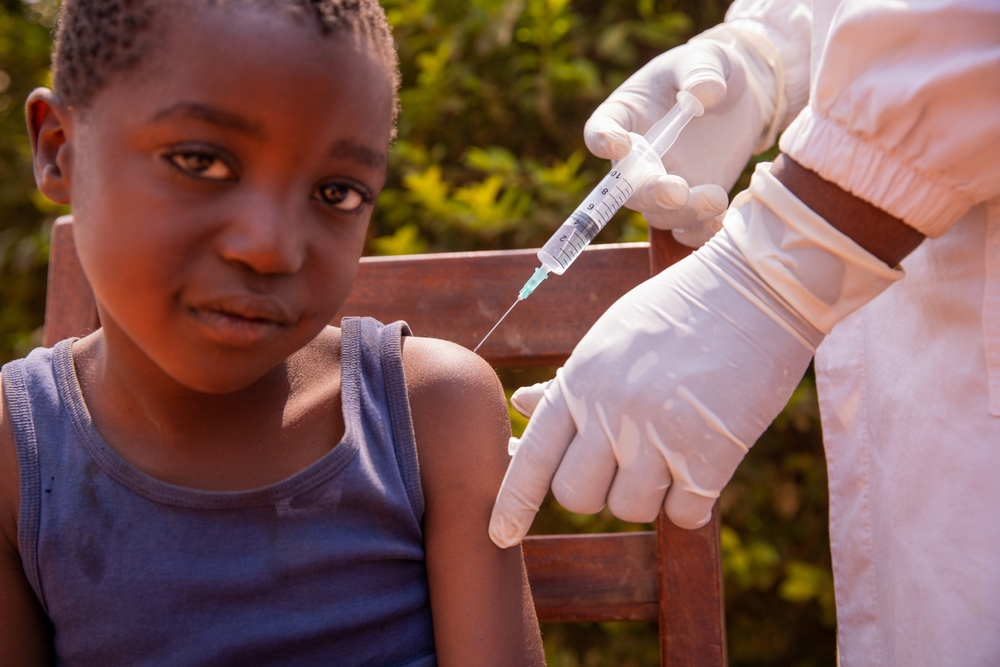
A highly contagious strain of the Ebola virus is currently sweeping through the region, turning everyday acts of caregiving into life-threatening risks. As local hospitals become overwhelmed and international medical teams rush to the frontlines, understanding what is driving this rapid spread is the first step toward stopping a historic health disaster.
Contents
show
A Fast-Moving Regional Emergency
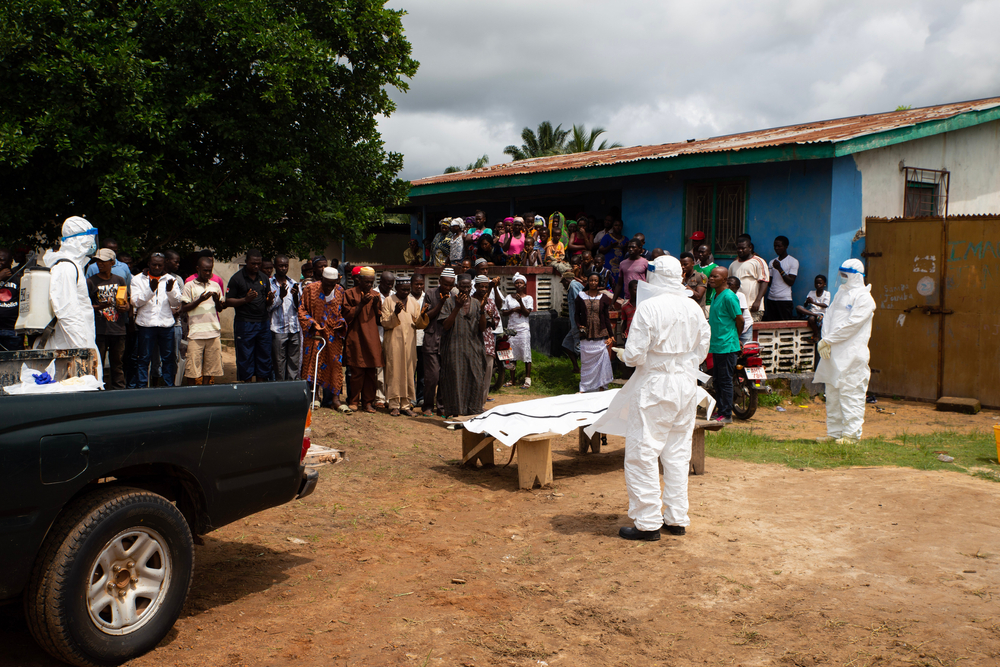
A severe health crisis is unfolding in central Africa. A new outbreak of the Bundibugyo strain of the Ebola virus started in the Democratic Republic of the Congo and has quickly grown into a major concern. By late May 2026, health workers have recorded over 1,100 suspected and confirmed cases in the DRC alone.
The virus is not staying within borders. It has recently reached neighboring Uganda, spreading into busy urban centers like the capital city of Kampala. This fast movement between countries is putting local hospitals under intense pressure and alarming medical experts worldwide.
The International Rescue Committee has issued a clear warning about the speed of the crisis. The aid group notes that the virus is moving faster than local health teams can manage. They caution that without a fast and united global response, this emergency could become the deadliest Ebola outbreak in history.
Fighting a Virus in a Warzone
The fight against the virus is facing a major roadblock in the eastern Democratic Republic of the Congo. Efforts to contain the outbreak are happening in a region already devastated by decades of armed conflict, mass displacement, and severe hunger. This violence makes delivering aid and tracking the virus incredibly difficult and highly dangerous for medical teams.
World Health Organization Director-General Tedros Adhanom Ghebreyesus recently visited the region and issued a stark warning about the escalating crisis. He stated that the eastern DRC is facing a catastrophic collision of disease and conflict. He emphasized that the outbreak in Ituri province is moving faster than the medical response.
Ongoing clashes are forcing large groups of people to flee their homes, often pushing them into crowded camps where infections can easily spread. Furthermore, attacks on clinics and hospitals are severely disrupting vital care. Health workers are risking their lives daily just to reach patients in need.
Addressing the armed groups directly, the WHO chief pleaded for an immediate halt to the violence. He stressed that medical teams cannot build trust with the community or properly isolate sick individuals while bombs are falling. A temporary ceasefire is urgently needed so that frontline workers can safely deliver supplies and stop the transmission of this preventable disease.
Racing Against the Outbreak
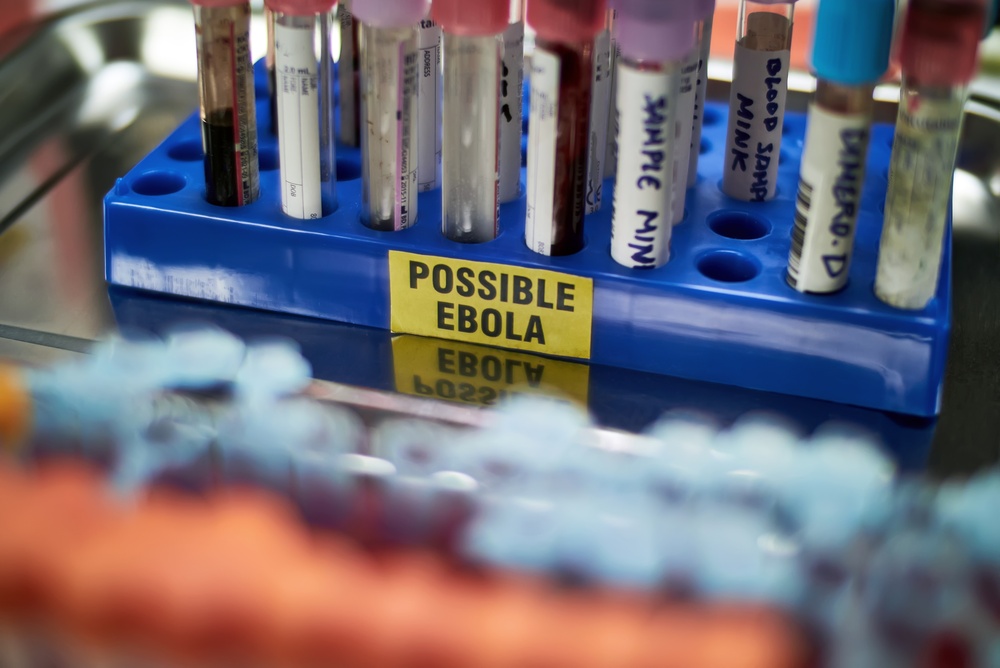
Recognizing the severe threat, the World Health Organization officially declared this outbreak a Public Health Emergency of International Concern in mid-May. This urgent classification has triggered a massive global response. International partners are currently rushing millions of dollars in emergency funding and flying tons of vital supplies into the affected areas. These shipments include critical items like specialized protective gear, medications, and tents for temporary clinics.
Global health leaders are stressing that local communities cannot fight this battle alone. Dr. Mohamed Yakub Janabi, the WHO Regional Director for Africa, recently emphasized that rapid international support will make a real difference on the ground. Organizations like the World Bank and the European Union are actively funding disease surveillance, strengthening local laboratories, and supporting the exhausted health workers doing the heavy lifting.
While scientists are working around the clock to fast-track new vaccine trials for the Bundibugyo strain, prevention remains the strongest weapon available today. Public health experts are urging communities to focus on strict hygiene and safe practices. This includes washing hands frequently, avoiding contact with wild animals, and isolating sick individuals at the very first sign of illness.
The Human Side of Outbreak Response
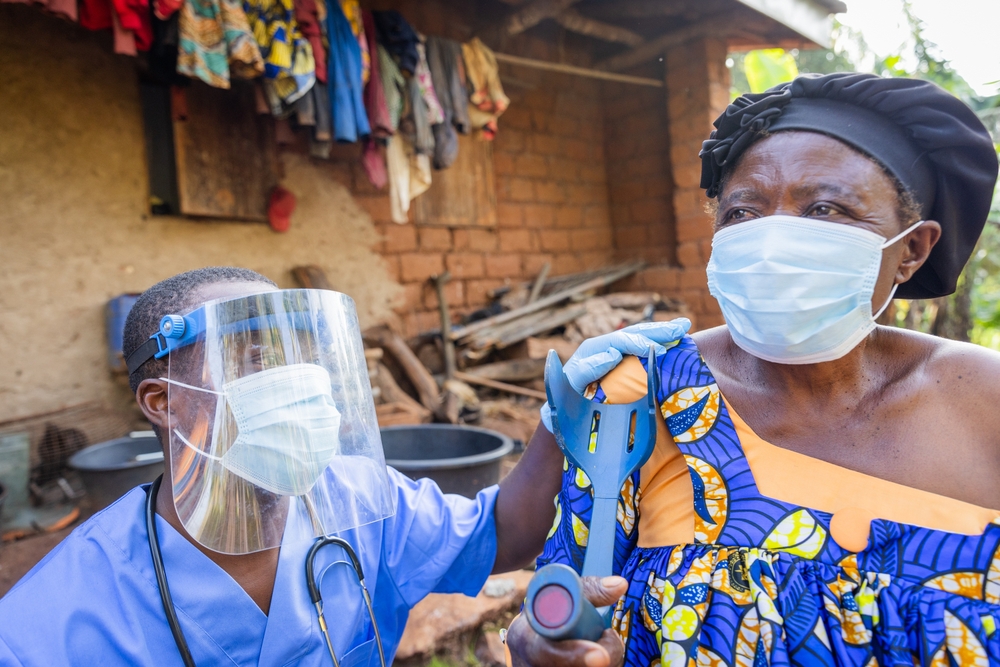
Health officials point out that the Bundibugyo strain usually spreads within households. Simple actions like nursing a sick child, hugging a relative, or attending local gatherings can unknowingly pass the infection. Since the virus travels through direct contact with bodily fluids, the people providing the most comfort are the ones in the greatest danger.
Catching the illness early is the best way to keep a household safe. It usually starts with familiar signs like a sudden high fever, extreme exhaustion, sore muscles, and a sore throat. Since these symptoms look a lot like malaria, health workers are asking anyone in the affected areas who feels sick to get checked by a doctor right away rather than waiting it out.
The mental strain on these communities is just as heavy as the physical illness. Fear and strict isolation rules often build walls between worried residents and medical teams. WHO Director-General Tedros Adhanom Ghebreyesus recently highlighted this issue, explaining that health workers must earn the trust of the communities they serve. He noted that respecting local traditions and listening to residents is essential. When families feel heard and supported, they are much more willing to accept medical help and assist with contact tracing.
A Road Back — Built by the People Who Never Left
The numbers will eventually fall. The emergency tents will come down. The international teams will board their flights home. But for the families who live in these communities, life doesn’t pause between outbreaks — and neither does the work of rebuilding it.
Health experts are clear that field clinics are a stopgap, not a solution. What endures are the nurses who grew up in the same villages as their patients, the community health workers who know which roads flood in the rainy season, and the local leaders who can translate fear into trust. These are the people who stay. And they are the ones who ultimately determine whether recovery holds.
The communities of central Africa have met this virus before. They have buried their neighbors, cared for their sick, and — time and again — found their way through. Past outbreaks ended not because the world swooped in and solved things, but because local people were given the tools and trusted to use them. That pattern is not a footnote. It is the lesson.
What the DRC and Uganda need now isn’t only urgent attention — though that matters deeply. It’s the kind of long, steady commitment that doesn’t make headlines: a clinic that stays open next year, a health worker who is still there in ten years, a child who grows up knowing where to go when someone gets sick.