
Your cart is currently empty!
Scientists Discover Something Unexpected About What Happens to Hearts After Transplant Surgery
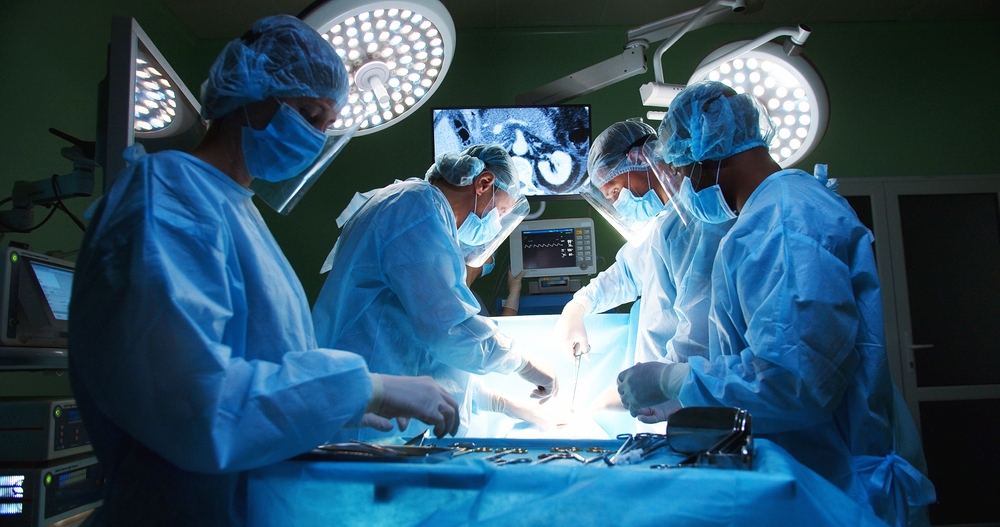
A heart transplant can give someone a second chance at life, but new research suggests that the operation may trigger a surprising change inside the donated organ itself. Scientists have found evidence that a transplanted heart can begin taking on the biological age of the person receiving it, raising questions about whether an organ’s aging process is as fixed as researchers once believed.
Contents
show
The study, led by molecular biologist Jesse Poganik of Harvard Medical School, found that older hearts transplanted into younger bodies showed signs of biological rejuvenation, while younger hearts placed into older recipients displayed signs of accelerated aging. The findings come from experiments involving mice and an analysis of human transplant samples. Although the research is still awaiting peer review, it could eventually influence how doctors assess donor hearts and determine which organs might be suitable for patients waiting for life-saving surgery.

Scientists Discover That A Heart’s Biological Age Can Change
Age is usually measured by the number of years someone has lived, but chronological age does not always reflect the condition of the body’s organs and tissues. Biological aging involves molecular and physiological changes that accumulate over time, and these changes can occur at different rates depending on the individual and the tissue being examined. Scientists use several methods to estimate biological age, including epigenetic clocks, which analyze patterns of chemical markers known as methyl groups attached to DNA.
Poganik and his colleagues wanted to determine whether these biological markers would change when an organ was placed inside a body substantially older or younger than its original owner. Their research focused on the heart because transplantation creates an unusual opportunity to examine how an organ responds to a new biological environment. A donated heart carries the molecular characteristics it developed in its original owner, but after transplantation it must function within a different body with its own age-related changes.

The researchers discovered that the transplanted hearts began displaying biological aging patterns associated with their new recipients. Older hearts placed into younger bodies showed signs of rejuvenation, while younger hearts transplanted into older bodies appeared to undergo accelerated biological aging. The findings suggest that the environment surrounding an organ may influence its aging characteristics, although the research does not establish that the process reverses all forms of aging or necessarily improves the organ’s long-term health.
What Happened When Researchers Transplanted Hearts Into Mice?
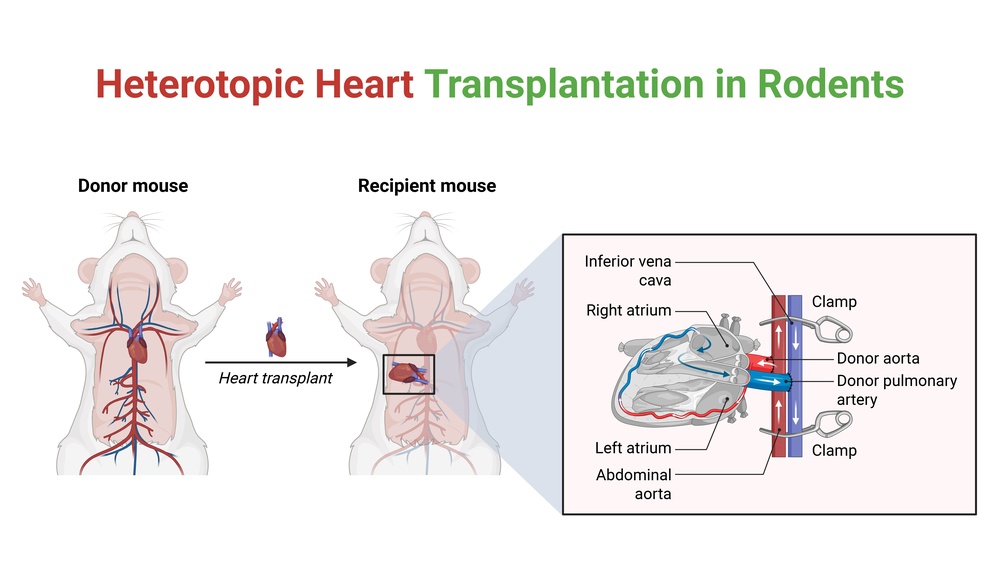
The investigation began with experiments involving mice, which allowed the research team to compare hearts exposed to different biological environments under controlled conditions. The scientists used a technique called heterotopic heart transplantation, in which a donor heart is connected to blood vessels in the recipient’s neck while the recipient’s original heart remains in place. This arrangement allows the animal to survive while researchers monitor the transplanted organ and investigate how it responds to the recipient’s body.
Researchers Compared Hearts From Mice Of Different Ages
The team performed transplants between mice of different ages, including older hearts placed into younger animals and younger hearts placed into older animals. Additional mice received hearts from donors of similar ages, providing a comparison against which the researchers could assess the effects of an age difference. Four to six months after the procedures, the scientists examined DNA methylation in the transplanted hearts and compared the results with those from the recipients’ original hearts, livers, and blood.
The results revealed that the transplanted organs began to resemble the biological age of their new hosts. Older hearts placed into younger mice showed molecular signs associated with a younger biological state, while younger hearts transplanted into older mice displayed the opposite pattern. Interestingly, the researchers found that the donor heart’s age had little apparent effect on the biological age of the recipient’s original heart, liver, and blood, suggesting that the changes were largely concentrated in the transplanted organ rather than affecting the recipient’s entire body.
Human Transplant Samples Showed A Similar Pattern
Animal experiments can reveal biological processes that would be difficult or impossible to investigate directly in humans, but findings in mice do not necessarily translate to people. To explore whether the same relationship could be observed in human transplant recipients, Poganik and his colleagues examined archived heart tissue collected during follow-up biopsies. These samples came from 11 patients whose ages differed substantially from those of their heart donors, providing an opportunity to examine whether the recipient’s biological environment was associated with changes in the donated organ.
The Recipient’s Age Appeared To Influence The Donated Heart
The differences between donors and recipients were considerable. Some recipients were 24 years younger than their donors, while others were as much as 50 years older, allowing the team to investigate a wide range of age differences. When the researchers analyzed DNA methylation in the archived samples, they found that the biological age of the transplanted hearts appeared more closely associated with the recipients’ ages than with the donors’ ages.
Older hearts transplanted into younger people showed signs of biological rejuvenation, while younger hearts placed into older recipients displayed markers associated with greater biological age. The similarity between the human samples and the mouse experiments strengthened the researchers’ hypothesis that a recipient’s biological environment can influence a transplanted organ. However, the human analysis involved only 11 patients, so larger studies will be necessary before scientists can determine how consistently this pattern occurs in people.
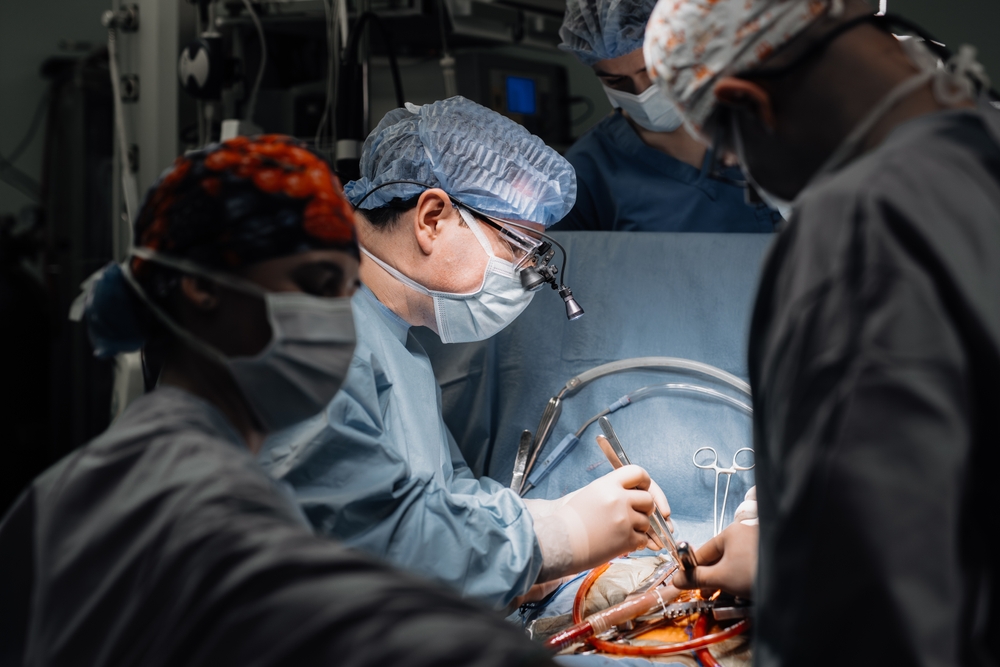
Heart Function Data Added Another Layer To The Discovery
The researchers also examined clinical records from hundreds of heart transplant recipients, including measurements of heart structure, function, and physical performance collected one year after transplantation. This additional analysis allowed the team to investigate whether the relationship between recipient age and donor-heart aging extended beyond molecular markers found in tissue samples. Several measurements of the transplanted hearts’ structure and function were associated with the recipient’s age rather than the donor’s age, suggesting that the biological environment could be linked to characteristics beyond DNA methylation alone.
The clearest differences appeared in exercise performance, where both functional capacity and maximum oxygen consumption declined as recipient age increased, regardless of the donor heart’s age. Maximum oxygen consumption, often called VO2 max, measures how much oxygen the body can use during intense physical activity and is commonly used to assess aerobic fitness. These results suggest that the recipient’s age is associated with important aspects of physical performance following transplantation, although they do not prove that a transplanted heart becomes healthier or that apparent biological rejuvenation improves long-term survival.
Why The Discovery Could Change Heart Transplant Decisions
Heart transplantation can be life-saving for people with severe heart disease, but suitable donor organs remain limited. Doctors must carefully assess each potential donor heart, taking its condition and function into account when determining whether it can be transplanted safely. Donor age is also an important consideration, and younger hearts are often preferred, while many transplant programs exercise caution when considering organs from older donors.
The new findings raise the possibility that chronological age alone may not fully describe a donor heart’s biological condition after transplantation. If further research confirms that older hearts can acquire some molecular characteristics associated with younger recipients, doctors could eventually have a reason to reassess certain donor organs that might otherwise be excluded because of age. Such a change could potentially expand the pool of available hearts for patients who urgently need transplantation, although the current study does not establish that older donor hearts are suitable for use under existing medical criteria.
Potential implications for future research include:
- Expanding the donor pool: Researchers could investigate whether some older donor hearts might be suitable for transplantation after a thorough assessment of their condition.
- Improving organ evaluation: Biological aging markers could help scientists study whether chronological age accurately reflects the condition of a donated heart.
- Understanding recipient compatibility: Further research could examine how characteristics of the recipient’s body influence the transplanted organ over time.
- Investigating other organs: Scientists could determine whether kidneys, livers, and other transplanted tissues show similar changes in biological age.
These possibilities remain theoretical at this stage. A heart’s apparent biological rejuvenation would not automatically establish that the organ is safe for transplantation, and medical teams would still need to evaluate its function and suitability for an individual recipient.
Scientists Are Still Investigating How The Process Works
Although the study provides evidence of a relationship between recipient age and the biological age of transplanted hearts, the mechanism behind the process remains unclear. One clue emerged from the researchers’ examination of gene activity in the transplanted mouse hearts, where changes involving mitochondrial and metabolic processes were particularly prominent. Mitochondria help cells produce the energy needed to function, while metabolic processes govern how cells use and transform energy and other substances.
These changes could point toward biological pathways involved in how a transplanted organ responds to its new environment. However, the researchers have not established exactly which signals drive the apparent age changes or whether mitochondrial and metabolic activity directly causes them. Further experiments will be needed to determine whether these pathways are responsible for the observed patterns and how they interact with other processes involved in aging.
Several important questions also remain unanswered. Scientists do not yet know how quickly these changes occur in human hearts, whether they persist over many years, or whether they translate into improved heart function and longer survival. The researchers also need to investigate whether the same effects occur in other transplanted organs, as well as whether the recipient’s age or other characteristics have the strongest influence on the process.
The Research Could Open New Questions About Organ Aging
In their preprint, the researchers described the combined findings from their controlled mouse experiments and human DNA methylation analysis as evidence supporting age assimilation in transplanted tissues. Their work suggests that biological aging may be influenced partly by the environment surrounding an organ rather than being determined entirely by the changes accumulated within it before transplantation. Because the study has not yet undergone peer review, its conclusions require further evaluation, particularly given the small number of human tissue samples.
The findings nevertheless provide a starting point for investigating how organs change after entering a new body. If larger studies confirm the results and establish a relationship between biological rejuvenation and better clinical outcomes, researchers may eventually be able to develop more detailed methods for evaluating donor organs. Such work could help doctors understand whether certain hearts retain greater potential than their chronological age might suggest, while preserving the strict safety standards required for transplantation.
For patients waiting for a donor heart, the possibility of safely using more organs would be significant. The immediate priority is to determine whether the molecular changes observed in this study have meaningful effects on the health and function of transplanted hearts. Until that evidence emerges, the research offers a compelling scientific possibility rather than a new treatment: the biological age of a donated heart may change after transplantation, and understanding that process could one day help more patients receive the organs they need.
Sources:
Poganik, J. R., Matsunaga, T., Tyshkovskiy, A., Lu, A., Haghani, A., Zhou, H., Martin, F., Horvath, S., Givertz, M. M., Tullius, S. G., & Gladyshev, V. N. (2026). Transplanted hearts assimilate the recipient’s biological age [Preprint]. bioRxiv. https://doi.org/10.64898/2026.09.15.751836