

The constant sound of traffic, aircraft, ships and industrial machinery may seem like an ordinary part of modern life. However, for wildlife, these everyday noises are creating dangerous conditions that can affect survival, reproduction and the delicate balance of entire ecosystems.
A major scientific analysis has uncovered the scale of the problem, finding that human-generated noise can increase animal mortality rates by up to 138%. The findings suggest that noise pollution is placing wildlife under pressure in ways that conservation efforts have often overlooked.
Scientists Examined More Than 200 Studies Across Six Continents
Researchers from Queen’s University Belfast have uncovered concerning evidence about the effects of human-generated noise through one of the largest analyses of its kind. Ecologists Hansjoerg Kunc and Rouven Schmidt examined more than 93,000 scientific records before combining evidence from 214 experimental studies involving 177 species.
The research covered animals from six continents and included both terrestrial and aquatic environments. The species examined ranged from birds, mammals, fish and frogs to insects, crabs, snails and corals.
The findings, published in the scientific journal Science on November 5, revealed that noise pollution affected approximately 80% of the species included in the analysis. These effects appeared in different forms, including changes to physiological processes, development and behaviour.
The researchers investigated noise originating from several human activities, including road traffic, industrial operations, shipping, aircraft, seismic surveys and sonar technology. Although these sounds are common in modern environments, their effects on wildlife can be substantial.
The analysis found that animal mortality rates increased by up to 138% under noisy conditions compared with quieter conditions. Animal survival also declined, while overall fitness fell by approximately 27%.
Fitness in biological research refers to an organism’s ability to survive and reproduce successfully. A decline can therefore affect individual animals as well as the future of their populations.
These findings suggest that noise pollution deserves greater attention in environmental conservation. Its effects reach beyond temporary disturbances and can influence several biological processes that determine whether animals survive.
Noise Pollution Is Changing How Animals Function
Animals depend on their surroundings to find food, avoid predators, communicate and reproduce. Sound plays an essential role in many of these activities, particularly for species that rely on hearing to understand what is happening around them.
Human-generated noise can interfere with these natural processes by masking sounds that animals would normally recognise. A bird may struggle to hear another animal approaching, while a marine mammal may find communication more difficult because of nearby ship engines.
The research identified changes in several biological functions among animals exposed to noise. These included stress-related hormones, cellular processes, immune responses, circulation, breathing patterns and cognitive abilities.
Some species also experienced changes in gene expression. This suggests that the effects of noise can extend into biological processes within an animal’s body.
Stress responses are particularly concerning because they can influence how animals allocate energy. An animal dealing with repeated disturbances may have to devote additional resources to responding to its environment.
Those resources could otherwise support activities such as growth, reproduction, finding food and caring for offspring. When several pressures occur together, the consequences for survival can become more serious.
Stress Responses Can Affect Reproduction And Development
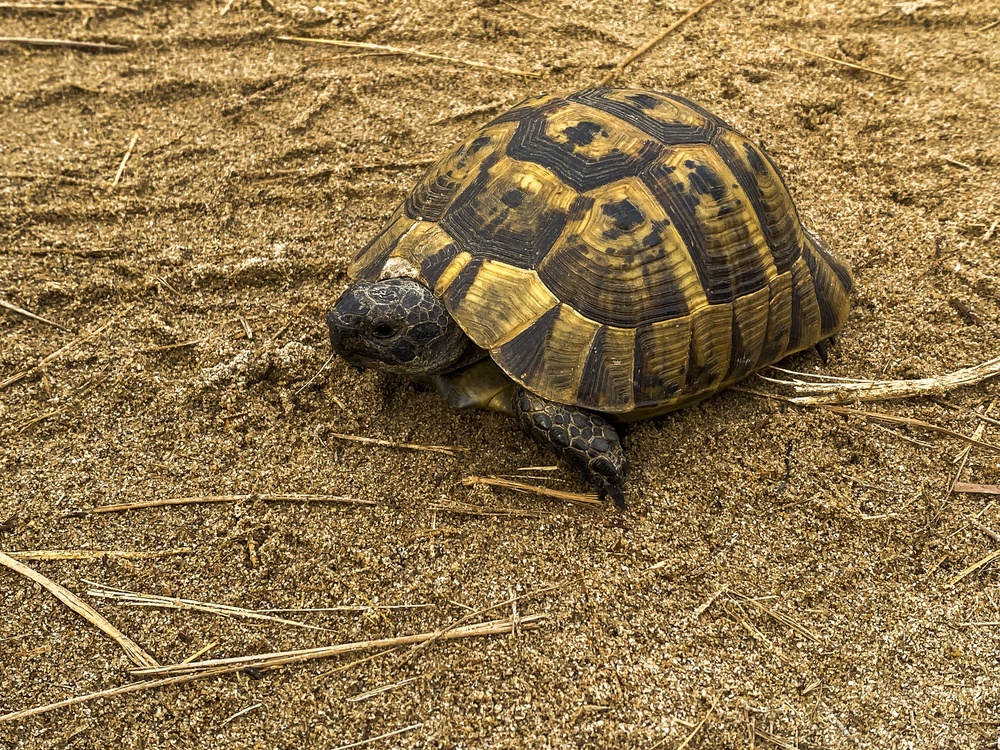
The researchers also identified changes in reproductive processes and parental behaviour. Some animals increased the amount of care they provided to their young when exposed to noise, while others reduced their caregiving.
Both responses can influence the development and survival prospects of offspring. Young animals often depend on their parents for protection, food and other essential support.
Noise can also interfere with development before animals reach adulthood. Researchers have identified examples in which exposure during early life affected growth and increased vulnerability to other threats.
These findings show why environmental noise deserves attention during different stages of an animal’s life. The consequences may extend beyond the immediate period when the disturbing sounds occur.
Predators Are Working Harder But Catching Less Prey
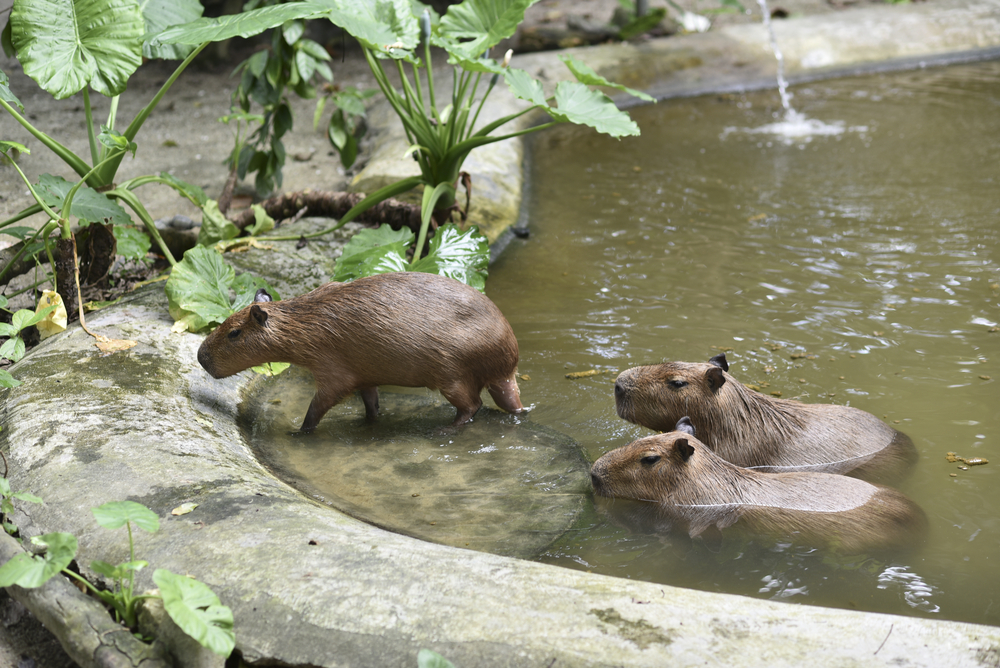
One of the most striking findings concerns the relationship between predators and their prey. Many predators use sound to locate animals moving through grass, hiding in vegetation or searching for food.
Human-generated noise can make this process considerably more difficult. When traffic, machinery or other sounds dominate the surrounding environment, the natural noises produced by prey animals become harder to detect.
According to the analysis, predators in noisy environments had to exert approximately 2.5 times more effort to find prey than they did under quieter conditions. Despite this additional effort, their hunting success declined by around 25%.
The findings reveal how noise can interfere with a basic survival activity. Predators may spend more energy searching for food while managing to catch fewer animals.
This could create additional pressure for species that already face difficulties finding sufficient food. The consequences may become particularly serious when noise exposure continues over extended periods.
The effects can also spread through food chains. When predators struggle to hunt successfully, the relationships between different species can change, potentially affecting the wider ecosystem.
Prey Animals Can Lose Their Safe Hiding Places
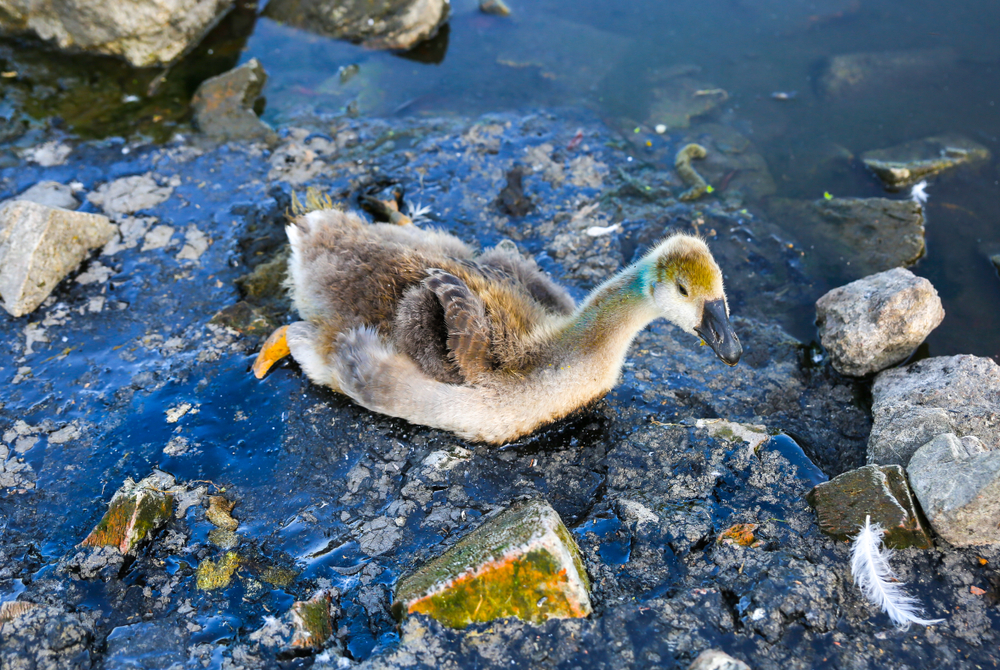
Prey animals frequently depend on burrows, caves and enclosed spaces to escape predators. These shelters provide protection by making it harder for other animals to locate or reach them.
However, researchers found that these spaces can sometimes amplify noise because sound waves reflect off their surrounding surfaces. An animal hiding inside a burrow may therefore experience particularly disturbing sounds.
When the noise becomes difficult to tolerate, some animals may leave their shelters to escape the disturbance. Doing so can expose them to predators that would otherwise have difficulty reaching them.
This creates a dangerous situation in which animals are forced away from places that would normally offer protection. Their chances of encountering predators can increase simply because the surrounding environment has become too noisy.
The research also suggests that noise can change which predators have an advantage. Animals that rely heavily on hearing may struggle when natural sounds become masked, while visually oriented predators may be less affected.
Consequently, noise pollution can influence interactions between species and alter the conditions under which different animals survive.
Young Animals Are Also Facing The Consequences

The effects of human-generated noise can begin during early development, creating difficulties for animals before they become independent. Young animals may be particularly vulnerable because their growth and survival depend on several biological processes working properly.
Previous research has identified concerning effects in house sparrows exposed to traffic noise. Noise exposure was associated with weakened defences against predators in chicks, alongside early signs of accelerated ageing.
Atlantic cod have also been affected by noise during their early development. Young fish exposed to noise as larvae were found to grow more slowly and face a greater likelihood of death.
These examples demonstrate how noise can influence animals during stages when they are still developing the abilities needed to survive. Changes affecting growth, physical condition or predator avoidance can have consequences later in life.
Parental behaviour adds another layer to the problem. Some animals respond to noisy conditions by increasing the time and energy they spend protecting their offspring.
Other species show the opposite response and provide less parental care. Researchers have found that these differences can affect the development and survival prospects of young animals.
When offspring receive less protection or experience disrupted development, the effects may extend beyond one generation. Further research is needed to establish how repeated exposure influences populations over longer periods.
Marine Wildlife Is Struggling With Underwater Noise
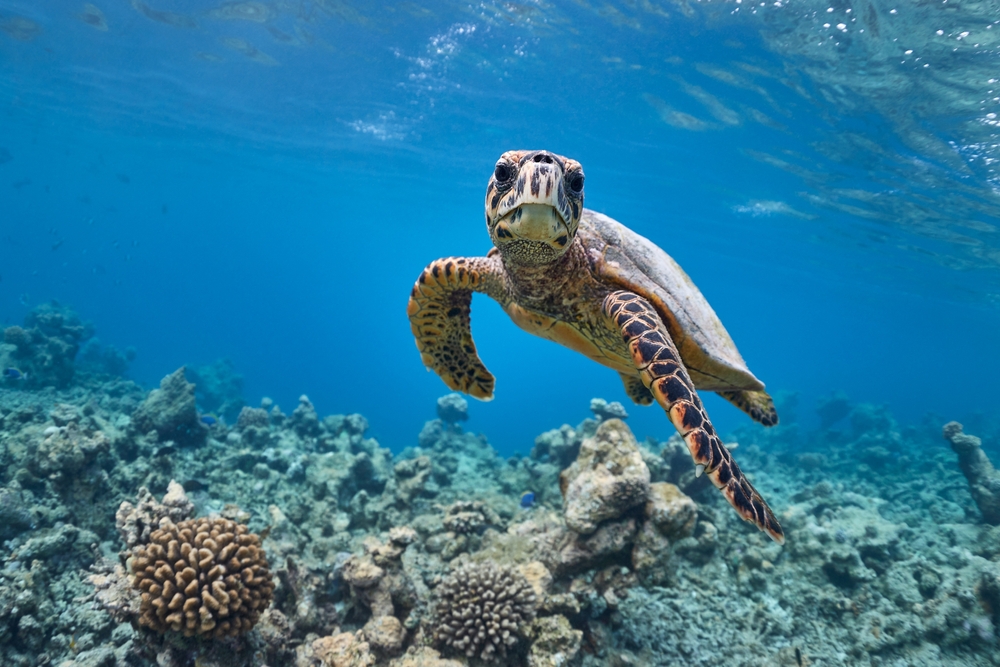
Noise pollution is not restricted to cities, roads and industrial areas. Human-generated sounds are also affecting oceans, where many animals depend on hearing to carry out essential activities.
Commercial ships, underwater construction, oil and gas exploration and sonar technology all contribute to noise in marine environments. These sounds can travel through water and interfere with the acoustic signals used by marine animals.
Whales and dolphins rely heavily on sound for communication, navigation and finding food. They use vocalisations and other acoustic signals to interact with their surroundings and identify important information.
When ship engines and other human-generated sounds become dominant, these natural signals can become harder to detect. This can interfere with communication between animals and make certain activities more difficult.
Pilot whales in the Mediterranean provide an example of how marine mammals respond to increasing background noise. The animals have to raise their vocalisations to communicate over the sounds produced by ship engines.
This behaviour is associated with the Lombard effect, in which animals increase the intensity of their calls when background noise becomes louder. Producing louder calls can require additional energy.
The problem becomes especially concerning when animals repeatedly encounter noisy environments. Marine species that depend on acoustic communication may have fewer opportunities to carry out essential activities without interference.
The findings also raise questions about the effects of expanding human activity in the oceans. Shipping routes, offshore construction and industrial operations can introduce additional noise into environments used by wildlife.
Researchers Want Natural Soundscapes Protected Alongside Habitats

Environmental conservation has traditionally focused on protecting the physical places where wildlife lives. Forests, rivers, wetlands, grasslands and oceans receive attention because animals depend on these habitats for food, shelter and reproduction.
However, the research suggests that conservation efforts also need to consider the natural sounds within these environments. An ecosystem can remain physically intact while noise disrupts the activities of the animals living there.
Lead researcher Hansjoerg Kunc told Queen’s University Belfast that noise pollution was an underestimated threat to wildlife worldwide. He also called for natural soundscapes to receive protection alongside physical habitats.
One proposed measure involves establishing low-noise zones in suitable terrestrial and marine environments. These areas could reduce disturbances from human activities and provide animals with quieter spaces.
Such zones could help wildlife communicate, locate food and carry out other essential activities with less interference. They could also offer researchers opportunities to study how animals respond when noise levels are reduced.
The researchers argue that noise should be treated as a distinct environmental pollutant when authorities assess the impact of human development. Projects should be evaluated according to their sound output as well as their physical effects on surrounding habitats.
This could influence decisions involving road construction, shipping routes, offshore wind farms and seismic surveys. Environmental assessments that overlook noise may fail to capture an important source of pressure on wildlife.
Reducing Noise Could Give Wildlife Immediate Relief
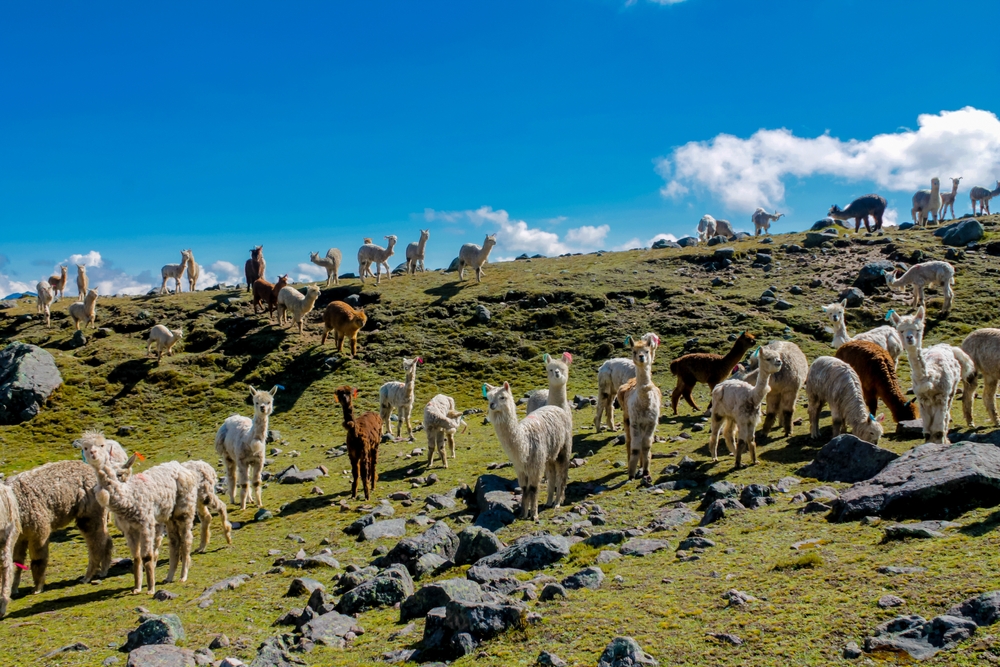
Unlike some environmental problems that require extensive restoration work, noise pollution can sometimes be reduced through changes in human activity. When a disturbing sound stops, animals can potentially experience a quieter environment immediately.
Several measures could help reduce the pressure created by human-generated noise.
- Protect quiet natural areas: Establishing low-noise zones in forests, wetlands and marine environments could provide wildlife with quieter habitats.
- Reduce road traffic noise: Better transport planning and measures to limit vehicle noise could reduce disturbances around important wildlife areas.
- Control underwater construction sounds: Offshore construction and industrial activities could adopt practices that reduce noise entering marine ecosystems.
- Assess industrial developments: Environmental impact assessments should consider sound levels alongside other effects on wildlife and natural habitats.
- Monitor affected species: Long-term research could help scientists understand how repeated exposure affects animal populations and future generations.
These measures would require cooperation between environmental authorities, industries and conservation organisations. Decisions about infrastructure and industrial activities could include greater consideration of the animals living nearby.
However, the researchers acknowledge that important questions remain unanswered. Many experiments included in the analysis examined short-term exposure, meaning the long-term consequences require further investigation.
Invertebrates and multigenerational effects are also poorly studied. More research is needed to understand how different species respond to prolonged exposure and whether the effects become more severe across generations.
The findings provide a strong reason to expand research and include noise pollution in conservation planning. Understanding how sound affects different species could help authorities identify areas where reducing noise would provide the greatest protection.
Wildlife Needs More Than Physical Protection To Survive
A forest can appear healthy while the animals living inside struggle to communicate or avoid predators. An ocean can remain physically intact while underwater noise interferes with the lives of whales, dolphins and other marine species.
The findings from Queen’s University Belfast show that environmental protection must account for conditions that are less visible than habitat destruction. Natural soundscapes form part of the environments wildlife depends on, and excessive human-generated noise can place those environments under serious pressure.
As human infrastructure and industrial activity continue to expand, protecting quiet spaces could become an increasingly important part of wildlife conservation. Animals need places where the sounds of nature can still be heard without constant interference from human activity.