
Your cart is currently empty!
A Dutch Supermarket Built a Checkout Lane Where Slowing Down Is the Whole Point
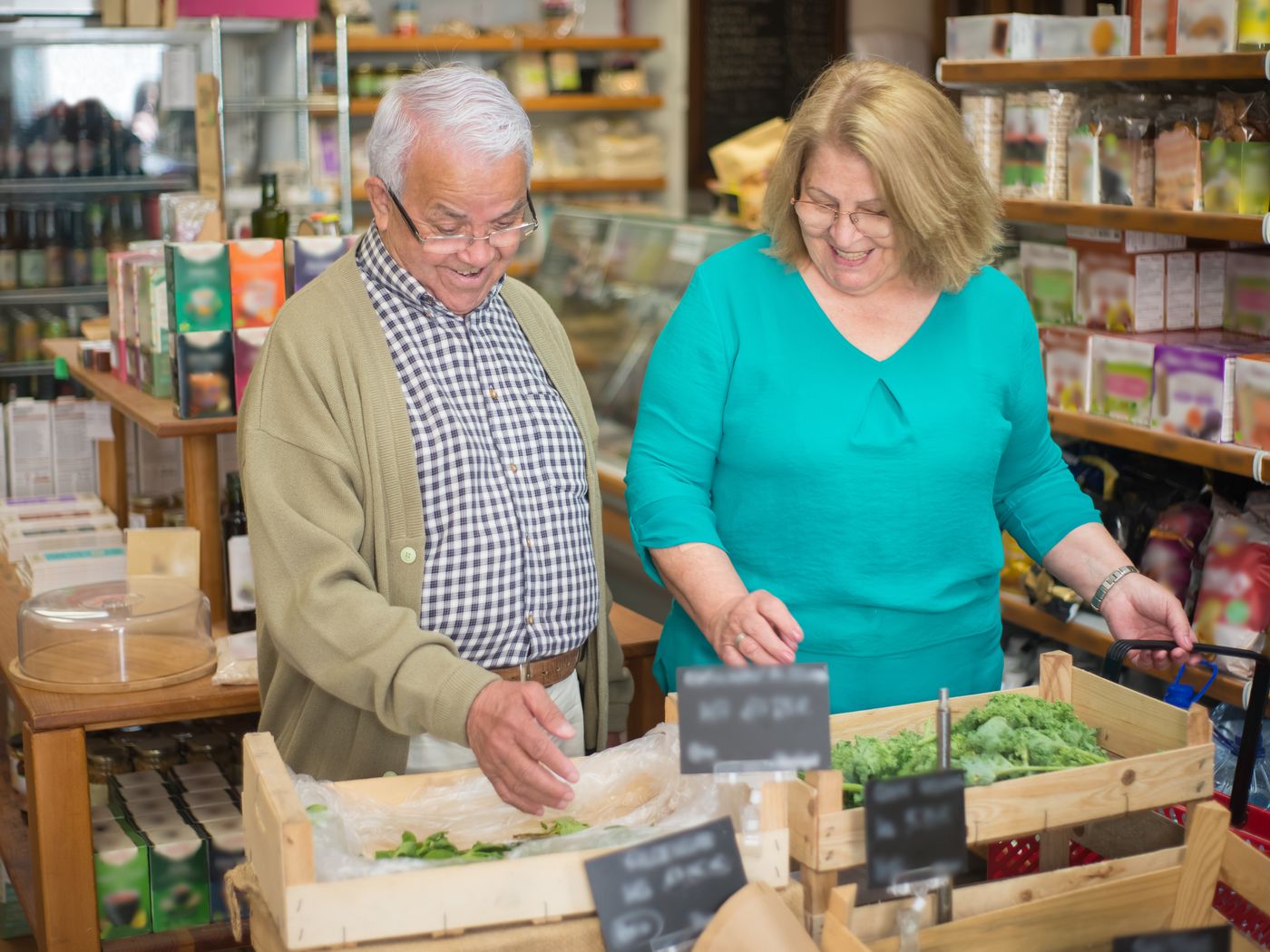
Somewhere in a quiet town in the south of the Netherlands, a grocery store made a change so small that it barely registered as news at first. Nobody was expecting a retail chain to do something that would get people talking, not about a promotion or a redesigned storefront or a digital loyalty scheme, but about what it means to feel seen in an age that rewards speed above almost everything else. What Jumbo, a Dutch supermarket chain with more than 700 locations across the country, introduced in the summer of 2019 was so understated in its design that it almost seemed unremarkable. And then the responses started coming in, and it became clear that something had struck a nerve.
Contents
show
Founded as a family business, Jumbo has long presented itself as more than a place to buy groceries. Its leadership has been direct about the chain’s role in community life, about what it means to operate stores that people visit every week and whether those visits could offer something beyond a full cart and a receipt. In 2019, that thinking produced a new kind of checkout lane, one that Jumbo named the Kletskassa. Translated from Dutch, the word means “chat checkout,” and it does exactly what its name suggests. Reserved not for the fastest shoppers but for those who want to take their time and have a proper conversation with the cashier, the lane operates on a principle most modern retail has long since abandoned, that a customer who wants to linger and talk is worth making room for.
Loneliness Among Dutch Seniors, by the Numbers
Before understanding what the Kletskassa offers, it helps to understand what prompted its creation. Loneliness among older adults in the Netherlands is not a fringe concern or a passing issue. According to Statistics Netherlands, roughly 1.3 million people in the country are aged 75 or older, and approximately one in three of them report feeling at least moderately lonely. When you look across the wider population, nearly one in ten people of all ages in the Netherlands say they experience loneliness on a regular basis. For older adults who live independently, those numbers carry particular weight. Loneliness does not stay still. It deepens with each week that passes without enough human contact to push back against the quiet.
Prolonged social isolation among older adults carries well-documented health consequences, from cognitive decline to higher rates of depression and cardiovascular disease. Even for those whose loneliness falls short of clinical isolation, the daily absence of conversation and connection can erode quality of life in ways that are hard to measure but easy to recognize in the people around you. For an older person living alone, even a brief and unremarkable exchange with a cashier or a neighbor can carry more weight than either party might suspect. When that kind of contact disappears from daily life, its absence leaves a gap that is not easy to fill.
How Modern Life Made Senior Loneliness Worse
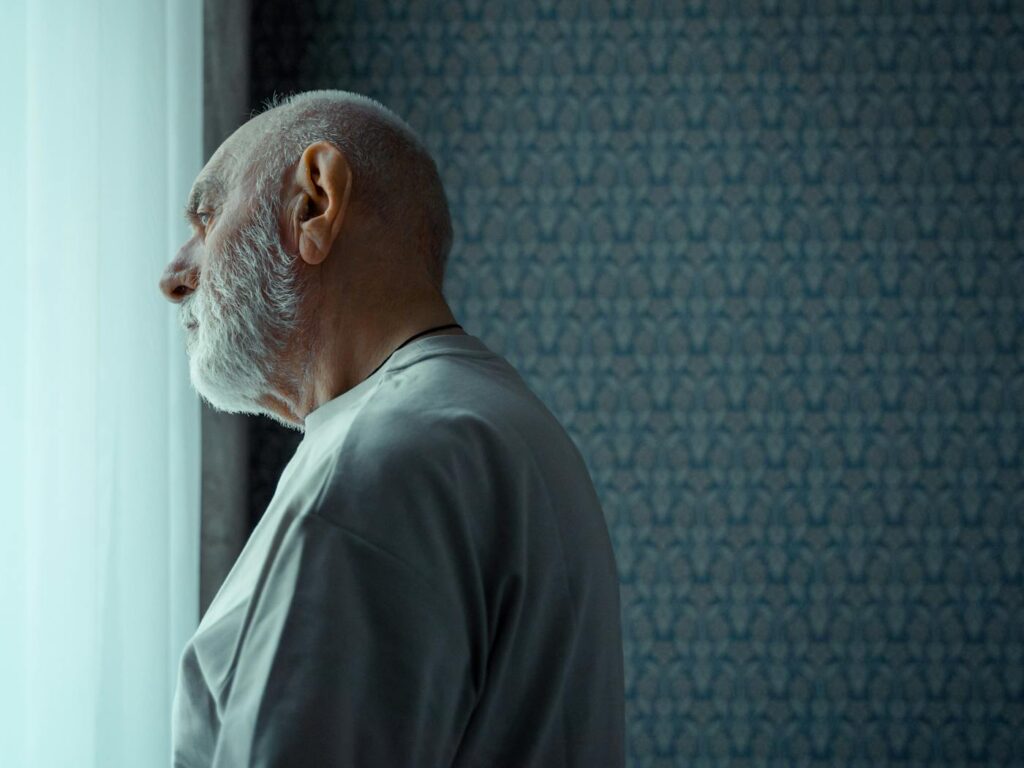
What makes senior loneliness so persistent in urban settings is structural at its root. Modern city life, with its pace and its steady push toward automated and digital transactions, has reduced the number of casual face-to-face encounters that people used to accumulate without thinking about them. A conversation with a neighbor, a word exchanged with a shopkeeper, a slow walk home with a friend, these are interactions that require time and proximity, two things that daily life has made harder to come by. Senior loneliness had grown serious enough in the Netherlands to prompt a formal government response long before Jumbo entered the picture.
How Jumbo Launched the Kletskassa
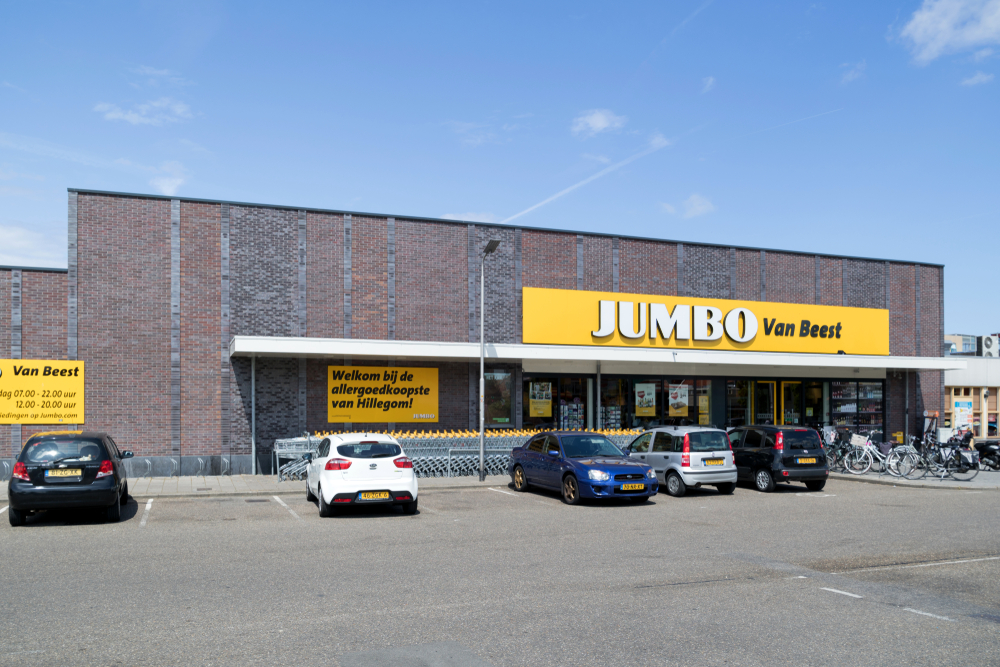
A national initiative called “One Against Loneliness” was set in motion to mobilize businesses and civic institutions around the problem. Jumbo joined the effort and, in the summer of 2019, opened the first Kletskassa in Vlijmen, a small town in the province of North Brabant. A checkout lane built for conversation rather than speed, where nobody expects you to pack your bags in a hurry, and nobody standing behind you is checking their watch, sounds almost too simple to generate much real impact. And yet the response in Vlijmen exceeded what Jumbo had anticipated, and the company committed to rolling out 200 of these lanes across its national network.
Jumbo’s chief commercial officer, Colette Cloosterman-Van Eerd, spoke to the company’s reasoning when the initiative launched. “Many people, the elderly in particular, can feel lonely. As a family business and supermarket chain, we have a central role in society. Our shops are a meeting place and that means we can do something to combat loneliness. The Kletskassa is just one of the things we can do.” For a company whose stores serve as weekly fixtures in the lives of many customers, the statement was not good public relations alone. It reflected a real rethinking of what a supermarket is for.
What the Experience Actually Looks Like

Walking into a Kletskassa lane feels different from the rest of the store. Staff who work these checkouts receive training in patience, attentiveness, and honest engagement with customers. Conversations range from the personal to the mundane, but in either case, the transaction itself becomes secondary to the exchange taking place. Seating areas near the Kletskassa lanes give customers somewhere to rest before or after shopping, and those spaces have turned into informal gathering points where regulars recognize one another and new arrivals do not stay strangers for long.
Jumbo extended the concept further by installing chat corners in many of its stores, dedicated areas where customers can sit with a cup of coffee and spend time with whoever happens to pull up a chair. Periodic events, coffee mornings, cooking demonstrations, and seasonal activities give customers a reason to return beyond their weekly shop, with a loose structure around which connections can form. Jumbo also introduced practical resources within these spaces, cooking tips, nutritional guidance, and information about local community programs, giving older customers support that goes beyond the social.
Open to Everyone, Not Just Seniors
One detail that distinguishes the Kletskassa from similar retail programs is that it carries no age restriction. Any customer who wants to slow down and have a real conversation, whether a retiree living alone or a younger person who has had a difficult week, is welcome to use it. Jumbo made a deliberate choice not to brand the lane as a resource for elderly customers, because doing so would carry the kind of stigma that discourages exactly the people it was built to reach. Cloosterman-Van Eerd reflected on that decision when she added, ”We are proud our staff wants to work the chat checkout. They really want to help people and make contact with them. It’s a small gesture, but it’s a valuable one, particularly in a world that is becoming more digital and faster.”
What Customers Say About It
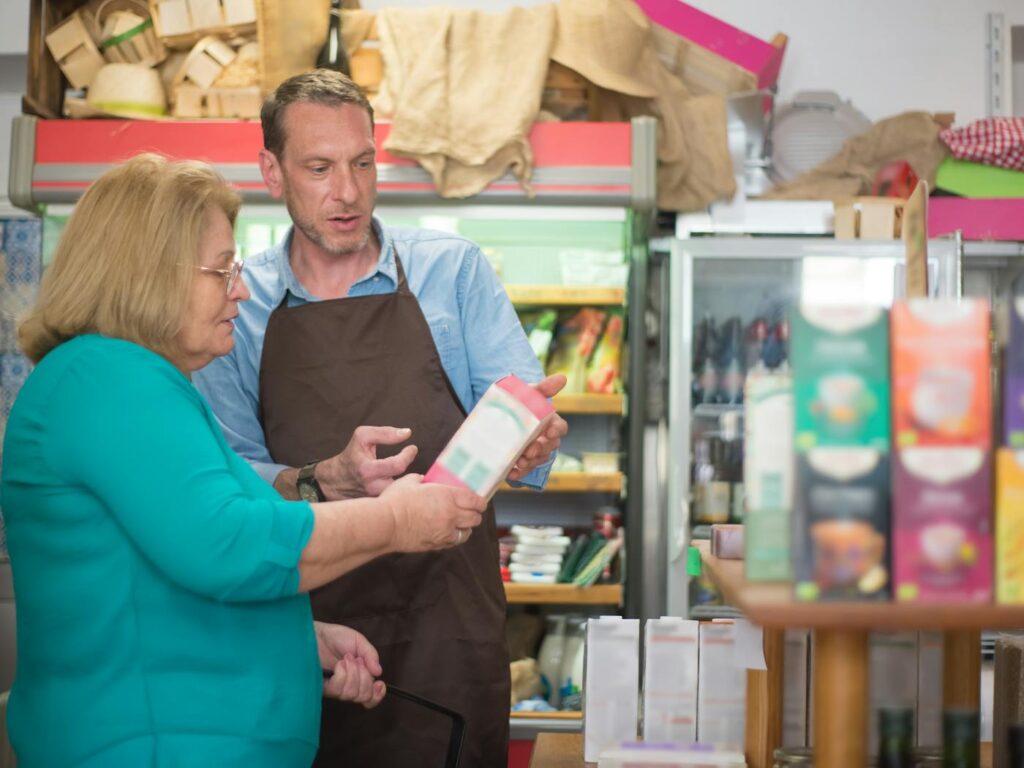
For the customers who have made the Kletskassa part of their routine, its value goes far beyond a pleasant word exchanged at the register. Anneke, a 72-year-old Jumbo shopper, described what the lane had come to mean to her in terms that few retail experiences ever seem to inspire. “The Slow Lane at Jumbo has become my favorite place to be. I enjoy sitting in the comfortable seating area, sipping a cup of coffee, and chatting with other seniors. It has become a small community within the supermarket.” Her account says something about what Jumbo’s leadership had hoped for from the beginning: that a checkout lane could function as something closer to a neighborhood meeting point than a place to pay and leave.
A Model Other Retailers Could Follow

What Jumbo built in Vlijmen and replicated across two hundred stores raises a question worth sitting with for retailers operating in other countries. Grocery stores, post offices, pharmacies, and public libraries all draw consistent foot traffic from people who might otherwise spend entire days without meaningful human contact. Many of those institutions already have the physical space and the staff to accommodate a slower, more conversational kind of service. What they have lacked is a willingness to recognize social connection as part of their core function.
Jumbo’s decision to treat a simple conversation as something worth designing for, with the same care it gives to its store layout or pricing structure, offers a model that requires no large capital investment, only a different way of thinking about the people on the other side of the counter. Senior loneliness does not come with any announcement. It builds in empty afternoons and unanswered phones and grocery runs where nobody says much beyond the total on the screen. What Jumbo recognized was that a supermarket already has most of what is needed to address that problem: a familiar space, a regular schedule, staff who are already there, and customers who keep coming back. Nobody had to build anything from scratch. All it required was a lane that made room for a conversation, and the decision to treat that conversation as something worth having.