
Your cart is currently empty!
Belgian Boy Becomes First Known Child Cured Of Aggressive Brain Tumor

When Lucas was diagnosed with one of the most aggressive forms of childhood brain cancer at just 6 years old, his parents were told what no family ever wants to hear. Doctors expected the disease to take his life, and there was no established drug treatment capable of curing it.
Contents
show
Seven years later, Lucas’s tumor had completely disappeared. The Belgian teenager is now regarded by the researchers who treated him as the first known child in the world to have been cured of diffuse intrinsic pontine glioma, or DIPG, offering scientists an extraordinary case to investigate.
The Diagnosis That Changed Lucas’s Childhood
Lucas was only 6 years old when doctors diagnosed him with DIPG, a rare and highly aggressive tumor that primarily affects children. The disease develops in the brainstem, making it particularly difficult for doctors to treat.
For Lucas’s parents, Cedric and Olesja, the diagnosis came with a devastating prognosis. DIPG has long been one of the most feared forms of pediatric cancer because of its rapid progression and the lack of effective treatment options.
Jacques Grill, the doctor who treated Lucas and heads the brain tumor program at the Gustave Roussy cancer center in Paris, had to deliver the news to the family that their son was expected to die from the disease. Years later, he reportedly became emotional when recalling that conversation.
The medical team knew the outlook was bleak. Although major advances have improved survival rates for many forms of childhood cancer, DIPG has remained one of the diseases that doctors have struggled to overcome.
According to the supplied reference material, many children diagnosed with DIPG do not survive beyond a year after diagnosis. Studies cited in the reports also found that only around 10% of children were alive two years later.
Lucas’s future appeared to be following the same devastating path.
His Parents Took Him From Belgium To France

Lucas’s family decided to pursue treatment options in France, where he became one of the first patients to take part in the BIOMEDE clinical trial. The study was designed to investigate potential drug treatments for children diagnosed with DIPG.
Clinical trials are an important part of cancer research because they allow scientists and doctors to test whether new or existing treatments can work against diseases with limited options. For DIPG, the need for new approaches was particularly urgent.
Lucas was randomly assigned everolimus, a cancer drug already used in the treatment of several other cancers. The medication works by targeting a protein called mTOR, which plays a role in cell growth and processes that can help cancer cells survive and reproduce.
At the time, nobody knew whether everolimus would have a meaningful effect on Lucas’s tumor. DIPG had resisted effective drug treatment for years, and there was no guarantee that joining the trial would change the course of his illness.
Still, Lucas began taking the medication as part of the study.
The Results Began To Surprise His Doctors

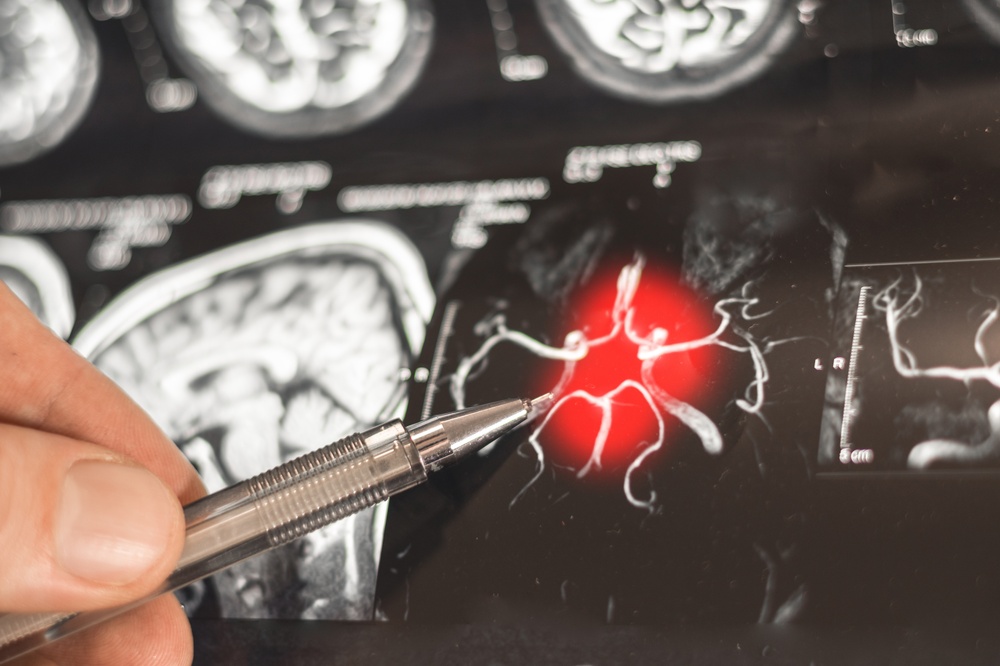
Lucas responded strongly to the treatment from the beginning. As the medical team continued monitoring his condition through MRI scans, they began to see changes that few people would have expected.
The tumor was shrinking.
Then, according to Grill, something even more remarkable happened. The cancer eventually disappeared completely from the scans.
“Over a series of MRI scans, I watched as the tumor completely disappeared,” Grill said in an interview cited in the reference material.
For a disease with no established cure, the result was extraordinary. Lucas had not simply survived longer than expected or experienced a temporary slowing of the disease.
His doctors could no longer detect the tumor.
Doctors Had Never Seen A Case Like His
Lucas’s response created a difficult new problem for his medical team. They had never encountered another DIPG patient whose tumor had disappeared in the same way, which meant there was no established guide for deciding what should happen next.
Grill was reluctant to stop the medication, even after Lucas’s scans showed no visible tumor. Stopping treatment carried an obvious concern: what if the cancer returned?
“I didn’t know when to stop, or how, because there was no other reference in the world,” Grill said.
According to the supplied reports, Lucas continued taking everolimus for years. Eventually, he stopped the medication, and the tumor still did not return.
That outcome is what makes his case so unusual.
Lucas is now 13 years old and has lived years beyond the prognosis doctors originally gave his family. The researchers who treated him regard him as the first known child to have been cured of DIPG.
Grill summed up the extraordinary nature of the case by saying that Lucas had “defied all life expectancies.”
What Is DIPG And Why Is It So Dangerous?
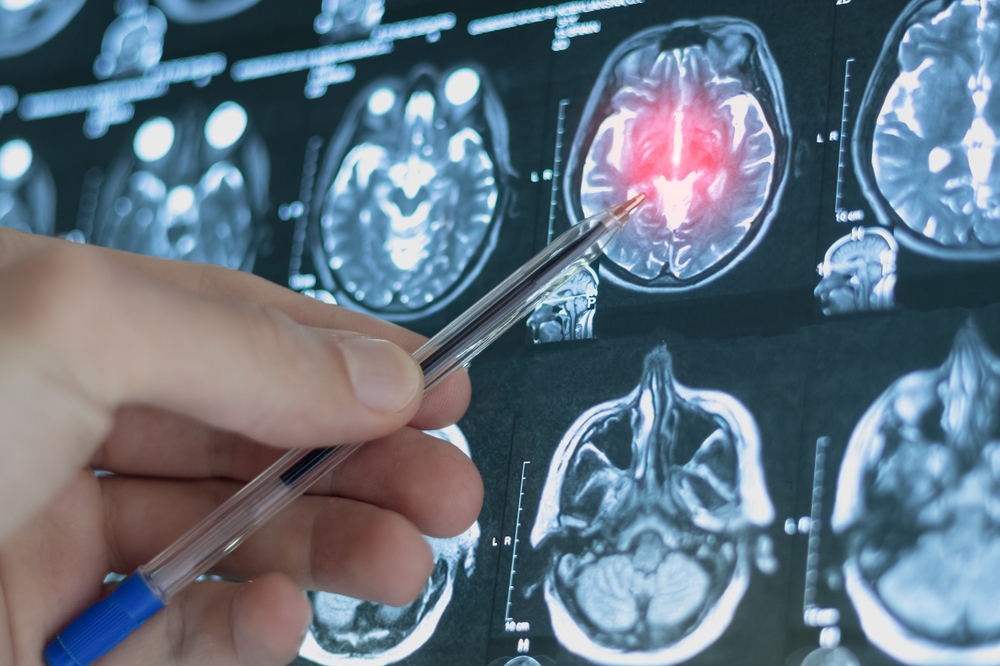
DIPG stands for diffuse intrinsic pontine glioma. It is a type of aggressive tumor that forms in the brainstem, specifically in an area known as the pons.
The location is a major part of what makes the disease so difficult to treat. The brainstem controls several vital functions, and the tumor spreads through an area where surgery can cause severe damage.
Why Surgery Is Usually Not An Option
Many tumors can be treated through surgery, but DIPG presents a different challenge. Doctors generally cannot remove the tumor without risking serious injury to critical parts of the brainstem.
This leaves medical teams with limited options. Radiotherapy has often been used to slow the progression of the disease and can sometimes provide temporary benefits.
However, the supplied references state that no drug had previously been shown to reliably cure DIPG. That lack of effective treatment has made the disease especially devastating for children and their families.
The figures cited in the reports show how serious the problem remains:
- Around 300 children are diagnosed with DIPG each year in the United States.
- Up to 100 children are diagnosed annually in France.
- The disease is primarily found in the pediatric population.
- Many children do not survive beyond a year after diagnosis.
- Around 10% were reported to be alive two years after diagnosis in studies cited by the sources.
Those statistics help explain why Lucas’s recovery has attracted attention far beyond his own family and medical team.
The Drug Was Not A Universal Cure

Lucas’s recovery does not mean that everolimus has become a cure for DIPG. His doctors and researchers have made clear that his case remains exceptional.
Other children involved in the BIOMEDE trial also showed unusually positive responses. Several survived years after their diagnoses and experienced longer periods without disease progression than doctors might normally expect.
However, their tumors did not completely disappear.
Lucas was the only child in the trial whose cancer vanished entirely, making his recovery an important scientific mystery.
Other Children Also Lived Longer Than Expected
The source material describes several children in the trial as long responders. Their outcomes suggested that some DIPG tumors may be more sensitive to treatment than others.
That observation shifted the focus toward a crucial question. If the children all had the same broad diagnosis, why did some respond much better to the drug?
Researchers believe the answer may lie in the individual biology of each tumor.
Grill referred to the “biological particularities” of the tumors when discussing why some children appeared to respond better than others. In other words, DIPG may not behave exactly the same way in every patient.
That idea could become increasingly important as researchers search for treatments tailored to the specific characteristics of a child’s cancer.
Lucas’s Tumor Had A Rare Genetic Mutation
Researchers believe Lucas’s remarkable response may be connected to an extremely rare genetic mutation found in his tumor. According to Grill, the mutation may have made Lucas’s cancer cells far more sensitive to everolimus.
That possible explanation has become one of the most important areas of research surrounding his recovery.
Cancer cells can contain genetic changes that influence how they grow and how they react to different medications. A drug that has little effect on one tumor may have a much stronger impact on another with different biological characteristics.
In Lucas’s case, researchers now want to understand exactly what happened inside his tumor cells.
The Search Is Focused On His Tumor’s Biology

Scientists are studying the genetic abnormalities found in Lucas’s tumor and comparing them with those found in other patients. The goal is to identify the specific characteristics that may have allowed the treatment to work so effectively.
If they can understand why Lucas’s cancer cells were so vulnerable, they may be able to search for ways to create a similar response in other tumors.
That remains a major scientific challenge. A rare mutation cannot simply be assumed to exist in every child with DIPG, and researchers cannot yet say that another patient will respond in the same way.
Still, Lucas has provided something researchers rarely get in medicine: an extraordinary outcome that may reveal a weakness in a disease previously considered almost impossible to defeat.
Scientists Are Trying To Reproduce What Happened

The research team at Gustave Roussy is now attempting to investigate Lucas’s tumor in greater detail. Their work includes studying genetic abnormalities and creating tumor organoids in the laboratory.
Tumor organoids are groups of cells grown in conditions designed to reproduce some characteristics of a patient’s tumor. They allow researchers to observe how cancer cells behave and test different biological changes or treatments.
What Researchers Hope To Learn
Marie-Anne Debily, a researcher supervising the laboratory work, said the case had created a significant opportunity for further investigation.
“Lucas’s case offers real hope,” she said in comments cited by the supplied references.
The researchers want to reproduce the differences found in Lucas’s tumor cells and observe what happens. If they can recreate the biological changes that made his tumor vulnerable, they may gain a clearer understanding of how the cancer was eliminated.
The work could also help scientists identify whether similar vulnerabilities exist in other patients.
If reproducing Lucas’s cellular characteristics causes other tumor cells to become more sensitive to treatment, researchers may have found an important direction for future drug development.
Finding A New Treatment Could Take Years
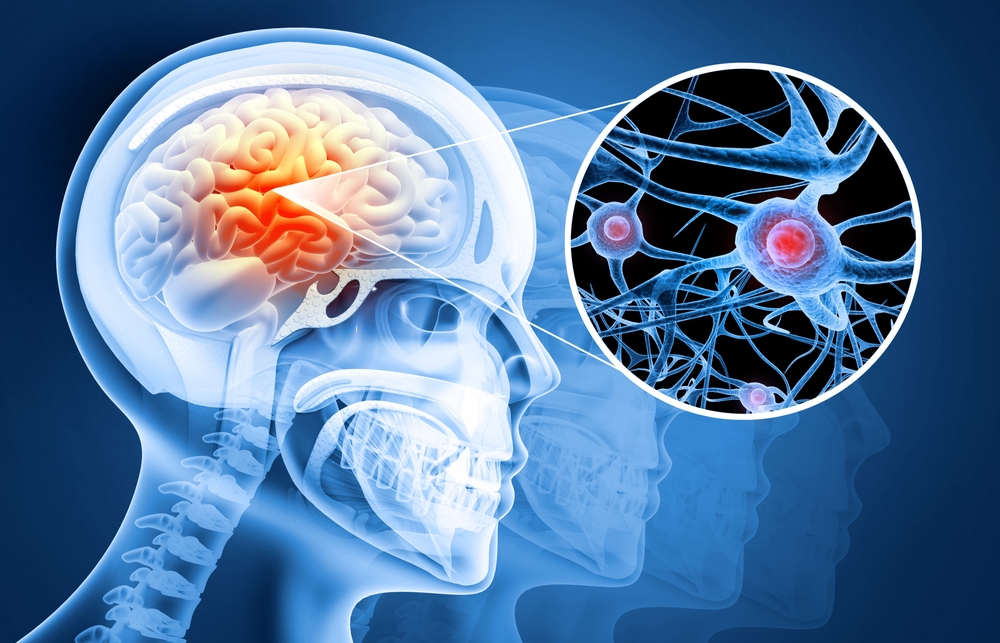
The excitement surrounding Lucas’s recovery comes with an important limitation. Researchers are still at the beginning of the process of understanding why it happened.
Even if scientists successfully identify the exact biological mechanism behind his recovery, turning that discovery into a treatment could take years.
Grill noted that the journey from an early scientific lead to an approved medication can take between 10 and 15 years.
That process can involve laboratory research, further testing, clinical trials, and extensive work to establish whether a potential treatment is safe and effective.
Why Lucas’s Case Still Changes The Conversation
The long timeline does not reduce the importance of the discovery. For a disease where doctors have historically had few effective options, a single exceptional response can provide a new direction for research.
Lucas’s recovery suggests that some DIPG tumors may contain biological weaknesses that have not yet been fully understood.
The challenge now is determining how those weaknesses can be identified and targeted.
Researchers will need to answer several difficult questions:
- Which genetic changes made Lucas’s tumor so sensitive to treatment?
- Can those changes be reproduced in laboratory-grown tumor cells?
- Do other DIPG patients have similar biological characteristics?
- Can another drug produce the same effect in tumors without Lucas’s rare mutation?
- How early can doctors identify patients whose tumors may respond to specific treatments?
Those questions remain unanswered, but they are now backed by a real case rather than a purely theoretical possibility.

New Research Is Offering More Leads
Lucas’s recovery is part of a broader period of increased research into DIPG. Scientists have made progress in understanding the biology of the disease over the past decade, and more clinical trials are testing different treatment approaches.
The supplied references mention another clinical trial involving an immunotherapy treatment for young DIPG patients. Some participants reportedly experienced tumor shrinkage and improvements in symptoms and daily functioning.
The results do not establish a cure, and Lucas’s case remains exceptional. However, they add to evidence that researchers may eventually identify treatments capable of helping at least some patients.
The Goal Is To Treat Tumors More Precisely
One of the biggest challenges in cancer research is understanding why two tumors with the same name can behave differently.
Lucas and the other children in the BIOMEDE trial were all being treated for DIPG, yet their responses were not identical. That suggests the biology inside each tumor may matter as much as the broader diagnosis.
Future treatments could potentially become more individualized, with doctors examining the characteristics of a tumor before deciding which therapy is most likely to work.
That approach is still developing in DIPG research, but Lucas’s case has given scientists a powerful reason to keep investigating.

A Family’s Decision Led To An Extraordinary Case
Lucas’s story began with a diagnosis that gave his family little reason to expect a long future. His parents chose to take him from Belgium to France, where he joined a clinical trial that was still searching for answers.
Nobody involved could have known that the medication randomly assigned to him would produce a response doctors had never seen before.
Over time, the MRI scans showed the tumor shrinking until it disappeared completely. Years later, the cancer had still not returned.
For Lucas and his family, the result changed a prognosis that once appeared certain. For the researchers studying DIPG, it created a rare opportunity to investigate why one child’s cancer responded so differently.
The Next Challenge Is Understanding Why
Lucas’s recovery has not ended the threat posed by DIPG. Children are still being diagnosed with the aggressive disease, and many families continue to face the same devastating uncertainty Lucas’s parents once experienced.
But the case has changed the questions researchers are asking. Instead of assuming that every DIPG tumor will resist treatment in the same way, scientists now have a powerful example showing that some tumors may contain vulnerabilities waiting to be understood.
The task ahead is to uncover what made Lucas’s cancer cells so sensitive and determine whether that response can be recreated. If researchers can turn that answer into a treatment, the boy doctors once expected to lose may help point medicine toward a future where more children survive the disease.