
Your cart is currently empty!
CDC Confirms More Than 11,500 Cyclosporiasis Cases Across 41 States as Outbreak Grows

More than 11,500 cases of a parasitic illness have now been reported across 41 U.S. states, making it one of the largest cyclosporiasis outbreaks seen in recent years. While the Centers for Disease Control and Prevention (CDC) has confirmed 4,173 cases through laboratory testing, officials say they are also tracking at least 7,400 additional reports that have not yet completed the confirmation process. The outbreak has already led to hundreds of hospitalizations, prompting an extensive investigation involving federal, state, and local health agencies. With the traditional peak season for the illness still underway and a reporting delay built into national surveillance, experts expect the official numbers to continue climbing over the coming weeks.
Contents
show
Health officials are now working to determine exactly how widely contaminated food products may have spread and whether additional sources are contributing to infections. Some illnesses have already been linked to shredded iceberg lettuce served at Taco Bell restaurants in several states, although investigators continue to examine whether other contaminated foods may also be responsible. The situation has sparked product recalls, intensified food tracing efforts, and renewed questions about produce safety as thousands of Americans recover from an illness that can cause severe gastrointestinal symptoms lasting for weeks.

CDC Says Cases Continue to Climb Across the United States
According to data released by the CDC, 4,173 laboratory-confirmed cases of cyclosporiasis have been identified in people who became sick after eating food within the United States between May 1 and July 20, 2026. Those confirmed illnesses have resulted in 308 hospitalizations, although no deaths have been reported. The agency says patients range in age from just 2 years old to 95 years old, with a median age of 44, while women account for roughly 56 percent of confirmed infections.
The CDC also issued an important notice explaining that laboratory-confirmed cases represent only part of the outbreak. Officials are aware of at least 7,400 additional reported illnesses that have not yet completed laboratory confirmation and still require further investigation. Many of these preliminary reports have come from Michigan and Ohio, suggesting that the outbreak may be affecting some regions more heavily than others as investigations continue.
Federal health officials caution that current figures almost certainly underestimate the true number of infections. Many people recover without seeking medical care, meaning they are never tested for the Cyclospora parasite. Others may still be awaiting laboratory results or have not yet been reported through state surveillance systems. Because of these factors, confirmed case counts typically lag behind the actual spread of the disease.
The CDC also notes that there is approximately a six-week reporting delay between the onset of illness and when cases are fully documented at the national level. As additional reports move through the investigation process, officials expect both confirmed and suspected case totals to increase throughout the remainder of the outbreak season.
What Is Cyclosporiasis and Why Can It Be So Difficult to Track?
Cyclosporiasis is an intestinal illness caused by the microscopic parasite Cyclospora cayetanensis. People become infected after consuming food or water contaminated with the parasite, most commonly fresh produce that has been exposed to contaminated water during growing, harvesting, or processing. Unlike many foodborne bacteria, Cyclospora cannot spread directly from one person to another because the parasite must first mature in the environment before becoming infectious.
The illness usually develops about one week after exposure and often causes prolonged watery diarrhea, stomach cramps, nausea, fatigue, bloating, loss of appetite, and unintended weight loss. While many healthy adults eventually recover, symptoms can persist for several weeks or even longer without appropriate treatment. Some patients experience cycles of improvement followed by recurring symptoms, making the illness especially disruptive.
Tracking Cyclospora outbreaks presents unique challenges for investigators. Unlike bacteria such as Salmonella or E. coli, whole genome sequencing is not currently available for Cyclospora. Instead, the CDC relies on specialized genetic testing that examines specific molecular markers in stool samples. These techniques help identify related cases, but they do not always allow investigators to pinpoint the precise source of contamination as quickly as with other foodborne pathogens.
Another complication involves the types of foods commonly associated with outbreaks. Fresh salads, salsa, and other dishes often contain multiple raw produce ingredients sourced from different farms and regions. When patients struggle to remember exactly what they ate days or even weeks earlier, identifying a single contaminated ingredient becomes significantly more difficult, requiring detailed interviews and extensive food supply chain investigations.
Investigation Focuses on Shredded Iceberg Lettuce
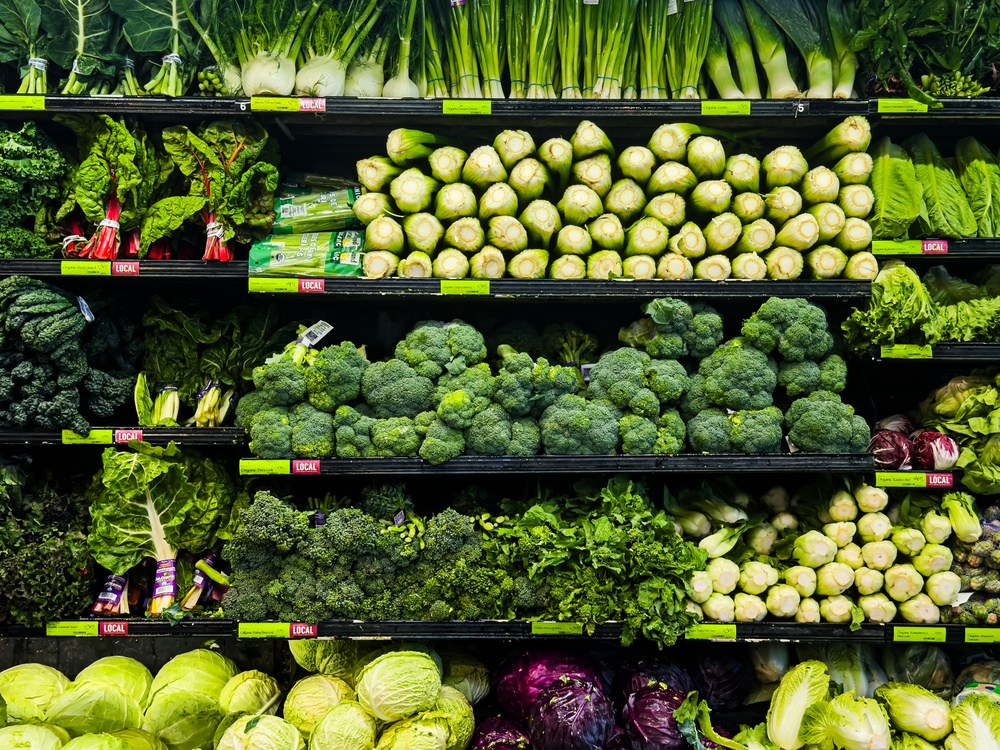
While investigators continue exploring multiple possibilities, one major focus has centered on shredded iceberg lettuce served at Taco Bell restaurants in Indiana, Kentucky, Michigan, Ohio, and West Virginia. According to health officials, several illnesses have been linked to lettuce supplied by Taylor Farms and sourced from central Mexico, leading investigators to examine the company’s supply chain alongside restaurant distribution records.
Last week, Taylor Farms de Mexico voluntarily recalled all iceberg lettuce sourced from central Mexico that had been distributed between June 29 and July 16 across 27 states. The recalled products carried best-if-used-by dates extending through Aug. 3. Shortly afterward, Taco Bell confirmed that it had stopped using lettuce supplied by Taylor Farms de Mexico in all of its restaurants as a precaution while the investigation continues.
The investigation briefly became more complicated after the Food and Drug Administration announced that one lettuce sample supplied by Taylor Farms had tested positive for Cyclospora. The agency later clarified that, after conducting a re-review of the laboratory analysis, the positive result was determined to be a false positive. Taylor Farms subsequently stated that it had been informed the FDA had made an error during testing.
Despite the laboratory correction, federal officials maintain that the overall investigation has not changed. Acting FDA Commissioner Kyle Diamantas said the false-positive result did not alter the agency’s broader findings linking multiple illnesses to shredded lettuce supplied by Taylor Farms. Investigators continue to combine patient interviews, food distribution records, and laboratory evidence to better understand how the outbreak developed.

Why Health Officials Expect More Cases to Be Reported
Although more than 11,500 illnesses have already been identified through confirmed and suspected reports, health officials believe the outbreak has not yet reached its peak. The CDC explains that national surveillance operates with an estimated six-week reporting lag, meaning many people who recently became sick have not yet appeared in the official data. As local health departments complete investigations and laboratories finish testing patient samples, additional cases are expected to be added to the national totals.
The outbreak season for cyclosporiasis in the United States typically runs from May 1 through Aug. 31, with infections rising during the warmer spring and summer months. While seasonal increases are common, the number of illnesses reported this year has already surpassed the same period in 2025. Multiple jurisdictions have informed the CDC that they are seeing substantially higher case numbers, prompting increased monitoring and coordination between public health agencies.
Investigators also continue to analyze cases involving travelers who became infected outside the United States. Between May 1 and July 20, the CDC recorded 767 travel-associated cases, resulting in 33 hospitalizations but no deaths. These infections are tracked separately from domestically acquired illnesses because they involve contaminated food or water consumed while traveling abroad rather than food distributed within the United States.
To monitor the outbreak, clinicians and laboratories report confirmed infections to local and state health departments, which then forward case information through the National Notifiable Diseases Surveillance System. Public health investigators conduct detailed interviews with patients, collecting information about symptoms, recent meals, grocery purchases, restaurant visits, and travel history. Combined with laboratory testing and food traceback investigations, this information helps officials identify common exposure patterns and potential outbreak sources.
What Consumers Should Know About the Outbreak
Although investigators continue searching for the full source of the outbreak, public health officials encourage consumers to remain aware of food recalls and outbreak announcements involving fresh produce. Many foods linked to Cyclospora outbreaks contain multiple raw ingredients, making it difficult for consumers to identify contaminated products on their own once they have been mixed into prepared meals or restaurant dishes.
People who develop prolonged watery diarrhea, stomach cramps, nausea, fatigue, or significant weight loss after eating fresh produce should seek medical attention, especially if symptoms persist for several days. Because cyclosporiasis requires laboratory testing for diagnosis, many cases can be mistaken for other gastrointestinal illnesses unless healthcare providers specifically test for the parasite.
Health departments also encourage both healthcare providers and members of the public to report suspected cases whenever possible. Even in states where cyclosporiasis is not a reportable disease, notifying local public health officials can help investigators identify clusters of illness more quickly and prevent additional infections through faster traceback investigations and product recalls.
While no single precaution can eliminate the risk of foodborne illness, health experts recommend several practical steps during active produce-related outbreaks:
- Monitor food recalls: Stay informed about recalls involving fresh produce and avoid consuming products included in public health alerts.
- Wash fresh fruits and vegetables: Although washing may not remove every parasite, proper food handling remains an important part of reducing contamination risks.
- Seek medical care for persistent symptoms: Prolonged diarrhea lasting more than a few days should be evaluated by a healthcare provider.
- Report suspected illnesses: Sharing information with local health departments helps investigators detect outbreaks more quickly and identify contaminated food sources.
Investigation Continues as Officials Work to Identify Every Source
Despite the growing number of reported illnesses, federal officials say the investigation remains active and involves close collaboration between the CDC, FDA, state health departments, and food industry partners. Because many meals contain several produce ingredients from different suppliers, identifying every contaminated product requires extensive patient interviews, laboratory analysis, and supply chain investigations.
Health and Human Services Secretary Robert F. Kennedy Jr. recently said the outbreak is “under control,” stating that investigators have identified the primary source and that recalls have already been implemented. He also defended the federal response after some lawmakers questioned whether surveillance resources had been reduced, saying public health officials continue conducting epidemiological investigations and food safety monitoring.
Even so, investigators have not ruled out the possibility that additional contaminated food sources may have contributed to illnesses reported across multiple states. The CDC continues to collect new patient data while working with state laboratories and regulatory agencies to determine whether more than one contaminated product entered the food supply during this year’s outbreak season.
With no deaths reported and hundreds of patients already recovering, health officials remain focused on preventing additional infections before the seasonal peak comes to an end. As new laboratory results arrive and ongoing investigations continue, Americans can expect updated case counts and additional guidance from public health agencies in the weeks ahead.
Sources:
- Centers for Disease Control and Prevention. (2026). Cyclosporiasis surveillance. https://www.cdc.gov/cyclosporiasis/php/surveillance/index.htm
breaking news, CDC, CDC outbreak 2026, CDC warning, contaminated lettuce, Cyclospora cayetanensis, cyclospora outbreak, cyclosporiasis, FDA, food recall, food safety, foodborne illness, gastrointestinal illness, health news, iceberg lettuce recall, parasite outbreak, produce contamination, public health, Taco Bell lettuce outbreak, Taylor Farms, U.S. outbreak, viral news