
Your cart is currently empty!
Scientists Found A Major Catch In The Meat And Longevity Debate

A new study from China has produced a striking longevity finding: among adults already over 80, those following vegetarian diets appeared less likely to reach 100 than people who ate meat.
Contents
show
The headline number is attention-grabbing, but the details tell a very different story. The difference was concentrated among older adults who were underweight, while healthy-weight vegetarians did not show the same gap.
Researchers Tracked More Than 5,000 Older Adults
Researchers used data from the Chinese Longitudinal Healthy Longevity Survey, a long-running project that has followed older adults since 1998. The analysis included 5,203 people who were at least 80 when researchers began tracking them, including 1,459 who eventually reached 100.
The participants were divided into four dietary groups: omnivores, pesco-vegetarians who ate fish, ovo-lacto vegetarians who ate eggs or dairy, and strict vegans. Researchers then examined whether those dietary patterns were associated with reaching 100.
The initial results appeared to favor meat eaters. Vegetarians as a group were around 19% less likely to reach 100 than omnivores, while the difference was roughly 29% among vegans.
Those figures quickly make for an eye-catching headline, but the researchers dug further into the data.
The Biggest Difference Appeared Among Underweight Adults

The study’s most important detail emerged when researchers separated participants according to body mass index. Adults with a BMI below 18.5 were classified as underweight, and this was where the association became much clearer.
Among underweight participants, vegetarians showed a lower likelihood of reaching 100 compared with omnivores. Among participants who were not underweight, however, researchers did not find a meaningful difference between healthy-weight vegetarians and healthy-weight meat eaters.
That changes the interpretation considerably. The study does not show that avoiding meat automatically shortens someone’s life, because the association was concentrated in a particularly vulnerable group.
For people in their 80s and 90s, maintaining enough body weight can become difficult as appetite declines and eating habits change. Losing weight may also signal that an older person is struggling to consume enough energy and nutrients.
Fish And Eggs Make The Findings More Complicated

There was another detail that makes the simple “meat versus plants” interpretation harder to support. Pesco-vegetarians and ovo-lacto vegetarians did not show the same meaningful difference compared with omnivores.
Pesco-vegetarians continued eating fish, while ovo-lacto vegetarians consumed eggs or dairy. Those foods can provide concentrated sources of protein and other nutrients that may be particularly useful for older adults with smaller appetites.
The pattern therefore raises a more specific question about nutritional adequacy. If someone is eating very little, removing several nutrient-dense foods can make it harder to meet their nutritional needs unless those nutrients are replaced elsewhere.
The study’s findings are consequently less about meat itself than the ability of very old adults to maintain adequate nutrition while following a restricted diet.
Why Protein Becomes A Bigger Concern With Age
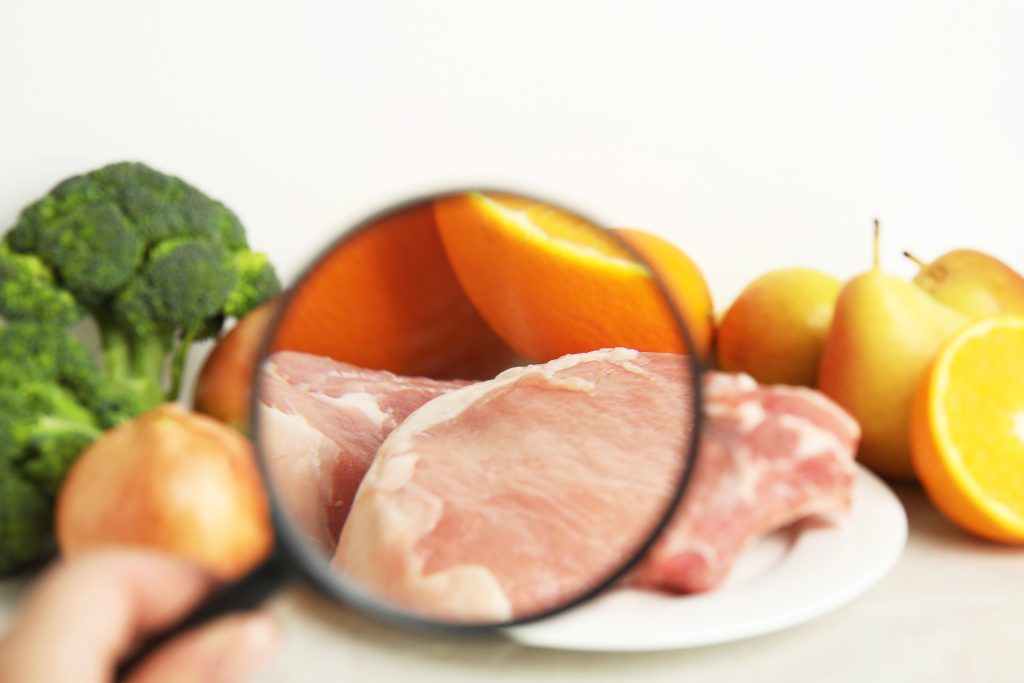
Older adults can face a nutritional challenge that younger people do not experience to the same degree. The body becomes less responsive to dietary protein when building and maintaining muscle, a phenomenon researchers describe as anabolic resistance.
The PROT-AGE group has recommended around 1.0 to 1.2 grams of protein per kilogram of body weight each day for adults over 65. The recommendation is higher than the standard amount often given to younger adults.
That becomes particularly relevant when appetite is fading. Someone eating only small meals has less room to miss their nutritional targets, especially if they are already losing muscle or body weight.
This does not mean an older person needs to eat meat. It means the overall diet needs to provide enough protein, calories and essential nutrients to support the person’s changing nutritional needs.
Another Large Study Found A Different Pattern
The Chinese study also needs to be viewed alongside research that has found favorable associations between vegetarian diets and health outcomes.
The Adventist Health Study-2 followed 73,308 people and found lower mortality rates among vegetarians compared with nonvegetarians overall. Pesco-vegetarians showed the clearest association in that research.
The two studies are not necessarily contradictory because they examined different populations and different questions. The Chinese research focused specifically on people who were already at least 80 and examined the factors associated with reaching 100.
The Adventist study involved a much broader population and looked at mortality overall. A dietary pattern associated with favorable outcomes earlier in adulthood does not automatically answer every nutritional question faced by someone in their late 80s or 90s.
Age can change the equation, particularly when appetite, muscle mass and body weight become harder to maintain.
The Study Cannot Prove Meat Causes Longer Life
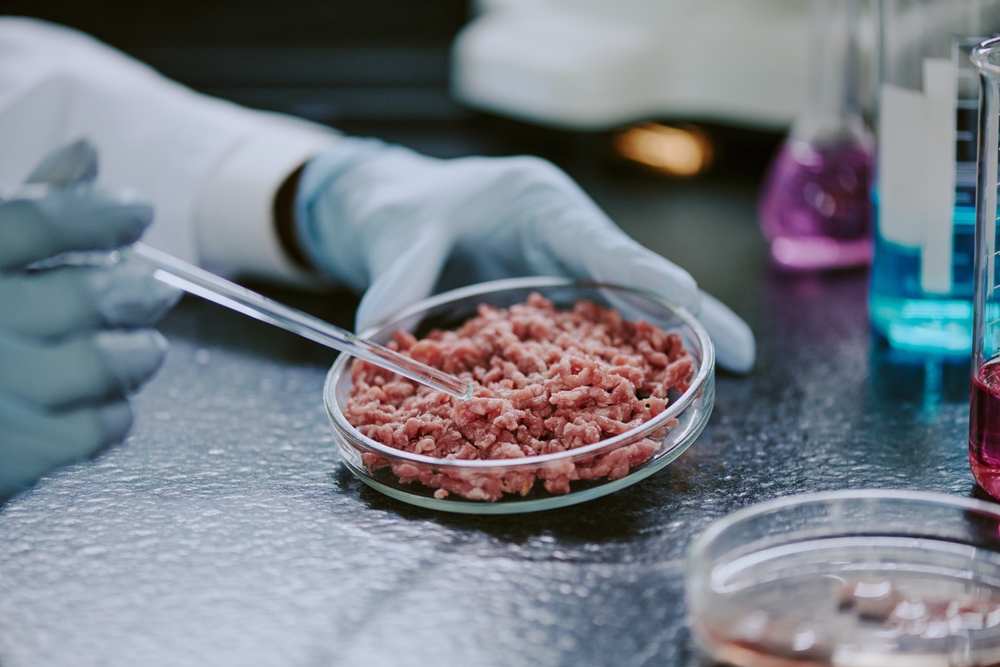
There is an important limitation behind the headline: this was an observational study. Researchers observed existing dietary patterns rather than randomly assigning people to eat meat, vegetarian or vegan diets.
That means the study can identify an association but cannot establish that one dietary pattern caused people to live longer. Diet was also based on survey information rather than researchers monitoring every meal participants consumed.
There are other possible explanations too. Health conditions, physical activity, socioeconomic factors and existing frailty can influence both what someone eats and how long they live.
There is also a particularly important possibility among very old adults. Someone who is already becoming frail or seriously ill may lose their appetite, reduce their meat consumption or change their diet for health reasons.
In that situation, the dietary pattern could partly reflect declining health rather than cause it.
The Researchers Called For Nutritional Balance

Kaiyue Wang, one of the study’s authors at Fudan University, offered a more measured interpretation of the findings. Wang said the research suggests dietary recommendations for the oldest-old should emphasize “balance and nutritional adequacy” rather than strict avoidance of animal foods, particularly among underweight older adults.
That wording is important because it does not amount to a recommendation that everyone should start eating meat. The focus is on making sure older adults receive enough nutrition, especially when maintaining body weight becomes difficult.
For families watching an older relative’s health, several changes may deserve attention. These can include clothes becoming noticeably looser, consistently smaller meals, declining strength or unexplained weight loss.
None of those signs determines what diet someone should follow. They can, however, indicate that nutritional status deserves closer attention.
Plant-Based Diets Are Not The Villain Here

The most misleading interpretation would be to turn the study into proof that plant-based diets are unhealthy. That conclusion goes well beyond what the researchers actually found.
A person can follow a vegetarian or vegan diet while consuming adequate calories, protein and essential nutrients. The nutritional quality of the diet and the individual’s age, health and ability to maintain weight all matter.
Likewise, eating meat does not guarantee healthy aging. The study did not establish that meat itself caused the higher rate of reaching 100 among the participants.
What it did highlight is a problem that can become increasingly important with advanced age: eating enough can be difficult, and unintended weight loss can be a serious concern.
The More Useful Question Is What Is On The Plate
The meat-versus-plants debate makes for a much cleaner headline than the actual science. Older adults, however, may have nutritional needs that do not fit neatly into either side of that argument.
Someone in their 80s who is losing weight may need more energy and protein, with the best sources depending on their health, dietary preferences and ability to eat enough. Those nutrients can come from a range of foods, including meat, fish, eggs, dairy, legumes and grains.
The study’s most useful takeaway is therefore narrower than its viral headline. For very old adults, particularly those who are underweight, maintaining adequate nutrition may deserve more attention than following an overly restrictive set of dietary rules.
For families, that can mean paying attention when an older relative starts eating less or losing weight without intending to. The first warning sign may have nothing to do with whether there is meat on the plate.