
Your cart is currently empty!
Dad Uses Fake Ultrasound to Make Daughter Quit Junk Food

Getting children to choose fruit over candy or homemade meals over fast food can feel like an impossible mission for many parents. Every family seems to have its own strategy, from limiting treats to making vegetables more fun. But one father’s unusual approach has sparked a debate that reaches far beyond dinner time.
Contents
show
A viral video from China shows a dad using what appears to be a fake ultrasound animation to convince his young daughter that a worm was growing inside her stomach because of the junk food she loved to eat. According to the video, the plan worked almost instantly. While many viewers praised the father’s creativity, others questioned whether frightening a child is the right way to teach healthy habits.
A Creative Parenting Trick That Captured Millions of Views
The viral clip begins with a scene that resembles a medical examination. The young girl lies still while her father slowly moves what looks like an ultrasound probe across her stomach. On the nearby screen, an animated worm appears to wiggle around inside her belly.
The father calmly explains that the creature has been growing because of all the sweets, ice cream, and unhealthy snacks she has been eating. As the animation continues, the worm appears to happily feast on junk food, becoming larger every time another sugary treat is shown.
The little girl’s expression changes quickly. What begins as curiosity soon turns into visible concern as she watches the fictional parasite grow larger before her eyes.
According to the story accompanying the video, the father had repeatedly asked his daughter to reduce her junk food intake without success. After ordinary conversations failed to change her habits, he decided to create the fake ultrasound animation in hopes of making the lesson more memorable.
The unusual parenting experiment reportedly had the desired effect. The child is said to have stopped eating junk food altogether after believing the worm was living inside her stomach.
Although the video’s claims have not been independently verified, the clip has spread rapidly across multiple social media platforms, attracting millions of views and generating thousands of comments.
Why So Many Parents Related to the Story

The reason the video resonated with so many people is simple. Countless parents know how difficult it can be to limit children’s intake of sugary snacks and highly processed foods.
Modern grocery stores are filled with brightly colored products designed to catch children’s attention. Television commercials, online videos, and social media constantly expose young audiences to advertisements for cookies, chips, candies, and sugary drinks.
For many families, saying “no” once is rarely enough.
Children often ask repeatedly for foods they enjoy, especially when those products are heavily marketed or frequently consumed by friends at school. Parents, meanwhile, face the difficult task of balancing occasional treats with long-term healthy eating habits.
The father’s unusual demonstration reflected that everyday struggle. Instead of another lecture about nutrition, he chose a visual story that his daughter could easily understand.
Whether people agreed with the method or not, many recognized the frustration that likely led to it.
The Internet Couldn’t Agree on Whether It Was Brilliant or Too Far

As the video spread online, opinions quickly divided.
Many viewers described the father as creative and resourceful. They argued that children often respond better to visual demonstrations than lengthy explanations about nutrition.
Some commenters joked that the technique was “next-level parenting,” suggesting the harmless prank may have succeeded where traditional advice had failed.
Others believed the approach crossed an important line.
Critics argued that deliberately frightening young children could create unnecessary anxiety around food or medical issues. Rather than relying on fear, they suggested parents should focus on teaching children why nutritious foods help their bodies grow strong.
The debate soon became less about one family and more about parenting itself.
How far should parents go when trying to protect children from unhealthy habits?
Is a harmless scare acceptable if it leads to healthier choices?
Or should honesty always remain the foundation of lessons about food and health?
Those questions continue to fuel discussion as the clip circulates across social media.
Why Junk Food Can Be So Difficult for Children to Resist
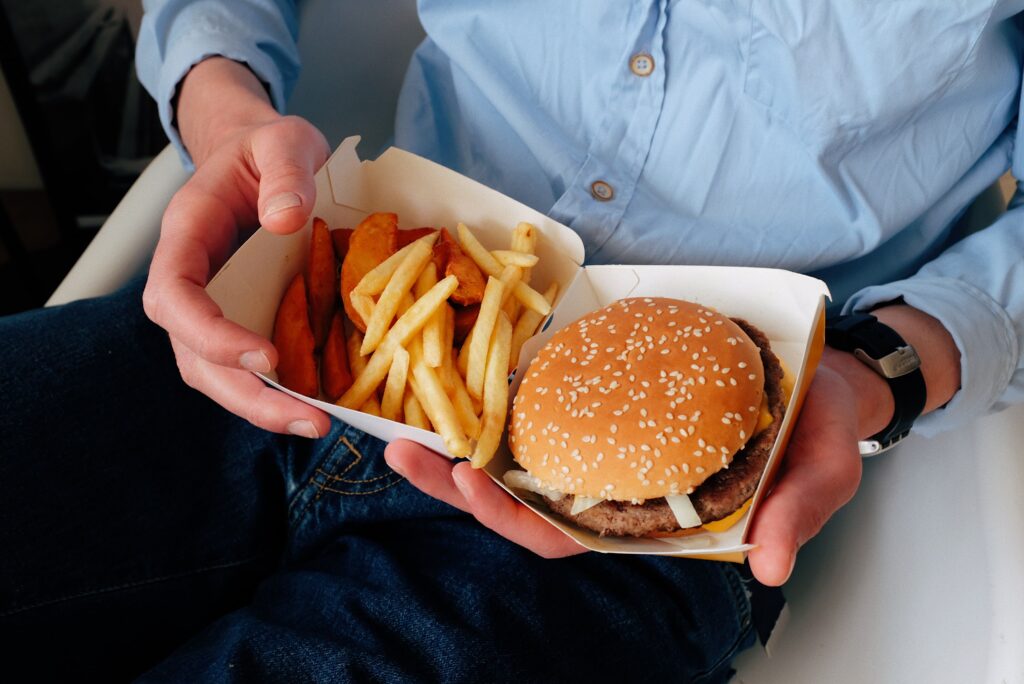
The father’s fictional worm may not exist, but nutrition experts say the attraction children feel toward junk food is very real.
Many foods commonly described as junk food fall into a broader category known as ultra-processed foods. These products are manufactured using refined ingredients, added sugars, unhealthy fats, artificial flavorings, preservatives, and other additives designed to improve taste, texture, and shelf life.
Unlike whole foods such as fruits, vegetables, nuts, and minimally processed grains, ultra-processed foods are specifically engineered to encourage people to keep eating.
Researchers often describe these foods as “hyper-palatable,” meaning they combine sugar, fat, salt, and flavorings in ways that stimulate the brain’s reward system.
For children whose taste preferences are still developing, these combinations can be especially appealing.
Instead of naturally stopping when they feel satisfied, some children may continue eating simply because the food remains rewarding.
That helps explain why asking a child to choose an apple instead of candy can become an uphill battle.
The healthier option may satisfy hunger, but the sweeter, saltier alternative delivers a stronger immediate reward.
What Research Says About Frequent Ultra-Processed Food Consumption
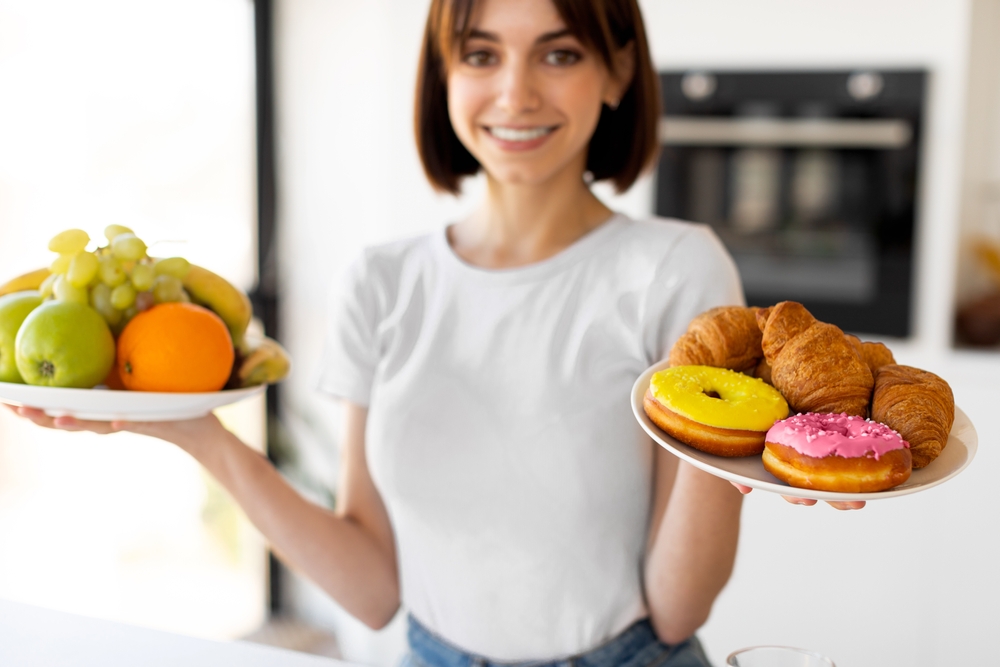
Health researchers have spent years studying the effects of diets high in ultra-processed foods, particularly among children.
Several studies have linked frequent consumption of these foods with higher risks of obesity, insulin resistance, and disruptions to the balance of beneficial bacteria living in the digestive system.
Scientists have also examined how diets high in heavily processed foods may influence the gut microbiome. The digestive tract contains trillions of microorganisms that play important roles in digestion, immune function, and overall health.
Research suggests that diets rich in ultra-processed foods may reduce beneficial bacteria while encouraging conditions associated with inflammation.
The effects may extend beyond digestion.
Scientists continue exploring what is known as the gut-brain axis, the communication network connecting the digestive system and the brain. Growing evidence suggests that nutrition may influence mood, learning, and aspects of cognitive development, particularly during childhood.
Highly processed foods are also often lower in nutrients that support healthy growth while containing large amounts of added sugar. Regular exposure to those products may gradually shape children’s taste preferences, making naturally nutritious foods seem less appealing over time.
The father’s fictional worm obviously does not reflect medical reality. Junk food does not create parasites inside the stomach.
However, experts agree that consistently poor eating habits can affect children’s health in ways that are far more complex than many families realize.
Fear May Change Behavior, But Does It Build Healthy Habits?
The father’s trick may have achieved its immediate goal, but child health experts generally recommend a different approach when helping children build a healthy relationship with food.
Instead of relying on fear or punishment, many pediatric nutrition specialists encourage parents to use education, consistency, and positive reinforcement. The goal is not simply to stop children from eating unhealthy foods today, but to help them develop habits they can carry into adulthood.
Children are naturally curious. Explaining how food helps them run faster, play longer, or grow stronger can often be easier for them to understand than talking about calories or disease.
Parents also play a much bigger role than they sometimes realize.
Young children rarely buy their own snacks. The foods available at home largely determine what they eat. If healthier choices are easy to reach while sugary snacks become occasional treats rather than daily staples, children gradually begin adapting to those options.
That process takes time, but experts say consistency usually produces more lasting results than dramatic one-time lessons.
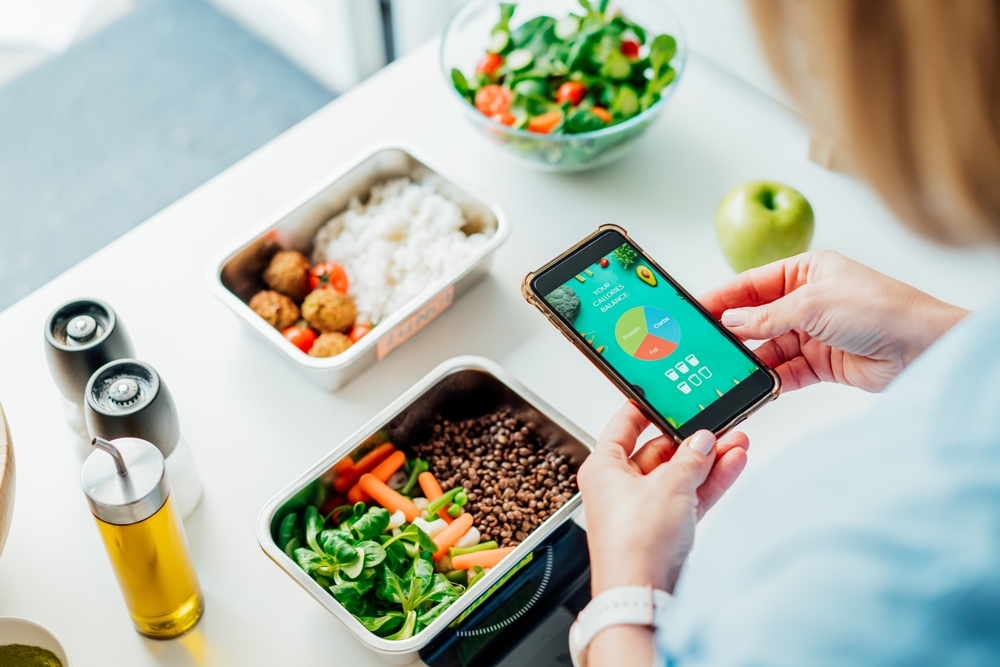
Making Healthy Food the Easy Choice
Nutrition specialists often emphasize that creating healthy eating habits begins long before a child sits down at the dinner table.
Rather than banning every sweet or salty snack, many recommend creating an environment where nutritious foods become the easiest option.
Some practical strategies include:
- Keeping fresh fruit, yogurt, nuts, or homemade snacks within easy reach.
- Limiting the amount of ultra-processed food brought into the home.
- Encouraging children to help prepare meals so they become interested in healthier ingredients.
- Serving balanced meals at regular times instead of allowing constant snacking.
- Letting parents model healthy eating instead of expecting children to follow rules adults ignore.
Children often copy what they see. If parents regularly enjoy vegetables, whole grains, and fresh foods, those habits become part of everyday family life rather than something children are forced to do.
Experts also caution against labeling foods as completely “good” or “bad.” Treats can still have a place in a balanced diet when eaten occasionally, helping children avoid developing an unhealthy relationship with food later in life.
Why Conversations Matter More Than Scares
Parents naturally want quick solutions when faced with stubborn eating habits.
A clever prank like the fake ultrasound may produce an immediate reaction, but children’s understanding of food develops over many years. As they grow older, they begin asking more questions and seeking explanations that make sense.
Honest conversations can help build trust while teaching children why nutrition matters.
Simple explanations often work best. Instead of focusing only on what foods should be avoided, parents can explain what healthier foods actually do for the body. Protein helps muscles grow. Fruits and vegetables provide vitamins. Whole grains supply lasting energy. Those lessons become easier to remember when children experience the benefits themselves.
Positive reinforcement can also be powerful. Praising children for trying new foods, involving them in grocery shopping, or allowing them to choose healthy recipes encourages curiosity instead of resistance.
The goal is not perfection. Most nutrition experts agree that healthy eating is about long-term patterns rather than eliminating every dessert or bag of chips.
A Viral Video That Sparked a Bigger Conversation
Whether viewers laughed, applauded, or criticized the father’s unusual parenting tactic, one thing is clear. The video started a conversation that extends well beyond one family’s dinner table.
Parents around the world continue searching for ways to reduce children’s dependence on highly processed foods in a society where unhealthy snacks are everywhere. Every family approaches that challenge differently, and there is rarely a solution that works for everyone.
The fake ultrasound certainly captured attention because it was unexpected. It transformed an ordinary parenting struggle into a viral moment that millions of people wanted to watch and discuss.
At the same time, the reactions showed that encouraging healthy eating involves more than simply changing a child’s behavior for a day or two. It also involves building understanding, trust, and lifelong habits.
The worm in the father’s animation may have been fictional, but the challenge that inspired it is one many parents know all too well. As children continue growing up surrounded by ultra-processed foods and persuasive advertising, finding effective and responsible ways to encourage healthier choices remains one of the biggest parenting conversations of our time.