
Your cart is currently empty!
DOJ Investigation Puts California Election Officials Under Pressure Before Midterms
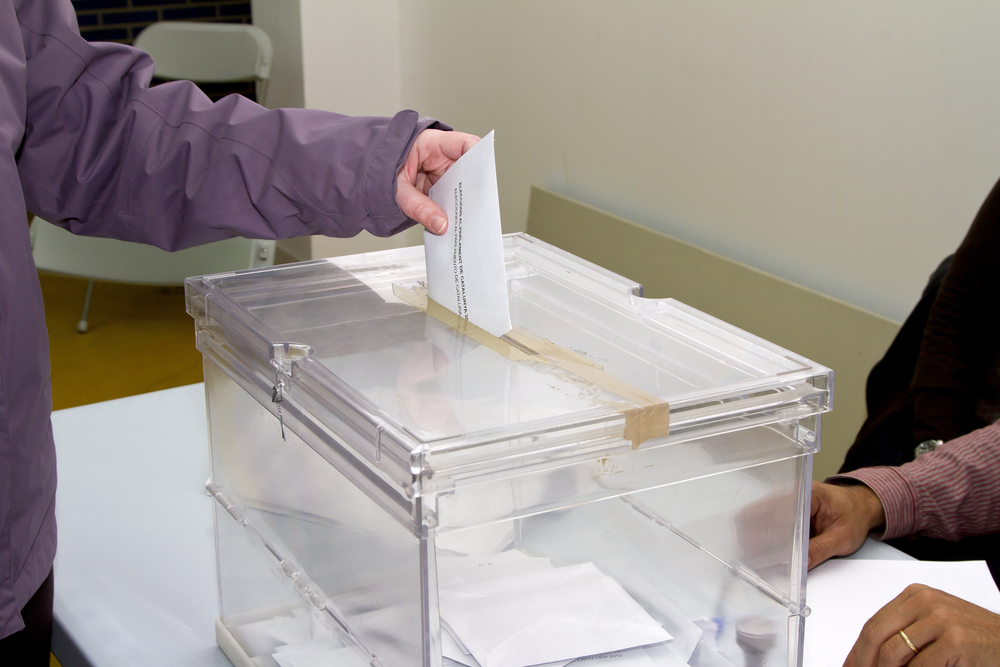
The Department of Justice has escalated its confrontation with California election officials, issuing grand jury subpoenas to local employees as the Trump administration intensifies its investigation into alleged noncitizen voting. The development comes just days before the 2026 midterm elections, adding fresh tension to an already heated dispute over who controls the administration of American elections.
Contents
show
Employees at the Los Angeles County Registrar-Recorder’s office have been ordered to provide testimony and internal records to federal investigators. The subpoenas arrive after a federal judge rejected the DOJ’s attempt to prevent thousands of disputed ballots from being counted, raising further questions about the administration’s efforts to investigate California’s voter rolls.
DOJ Issues Grand Jury Subpoenas To California Election Workers
The Department of Justice issued grand jury subpoenas to employees at the Los Angeles County Registrar-Recorder’s office last week, according to reporting by ABC News, NPR, and Reuters. The county office confirmed to NPR on Thursday that employees had received the federal demands, although officials have not disclosed the identities of everyone involved.
The subpoenas reportedly require certain employees to appear before a grand jury on November 4, one day after the November 3 midterm elections. Investigators are also demanding internal documents and communications concerning California’s response to federal requests about potential noncitizen voting.
Copies of the subpoenas reviewed by ABC News and Reuters reportedly contain requests for records relating to the county’s procedures for identifying unlawful voting by noncitizens. They also seek communications involving requests made by federal officials to California Secretary of State Shirley Weber.
The documents specifically seek information about the agency’s methods for screening potential unlawful voting by noncitizens and preventing ineligible ballots from being counted. Investigators are also interested in communications concerning the federal government’s requests for information about noncitizen voting.
The demands represent another development in the Trump administration’s broader investigation into state voter registration records. Federal officials have repeatedly argued that California must cooperate with efforts to identify people they believe may be unlawfully registered.
However, receiving a grand jury subpoena does not automatically mean an election worker has committed a crime or is personally suspected of wrongdoing. NPR reported that it remains unclear whether the employees who received the subpoenas are targets of the criminal investigation.
The timing has attracted particular attention because the investigation is advancing immediately before a major federal election. California officials must continue administering voting procedures while responding to federal investigative demands and the ongoing court proceedings.
Why The Trump Administration Is Investigating 20,000 California Voters
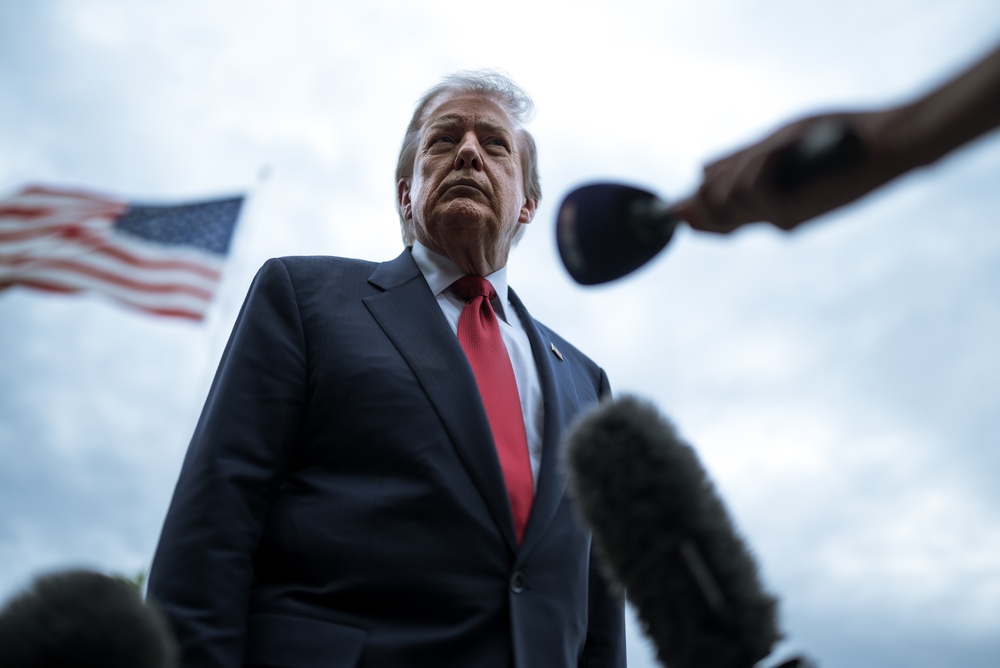
The subpoenas follow weeks of pressure from the Trump administration over allegations involving California’s voter registration records. Federal authorities have identified approximately 20,000 individuals whom they describe as likely noncitizens appearing on the state’s voter rolls.
The administration has argued that election officials should identify these individuals and prevent any unlawful ballots from being counted. Federal agencies reportedly compiled information used to identify the individuals before requesting cooperation from California election authorities.
The DOJ has maintained that preventing noncitizens from voting in federal elections is part of its responsibility to enforce election laws. Under federal law, noncitizens generally cannot vote in federal elections, although certain local jurisdictions permit noncitizen voting in some municipal elections.
The distinction between registration and actual voting is central to the California dispute. Someone appearing on a voter registration list does not necessarily mean that person is a noncitizen, and registration alone does not establish that an unlawful vote was cast.
California officials have questioned the reliability of the federal information and the methods used to identify the approximately 20,000 individuals. Their lawyers have argued that the administration has not established sufficient grounds to prevent ballots associated with those names from being processed.
The issue has become particularly contentious because the federal government wants state election authorities to act on its findings shortly before voters head to the polls. California has resisted demands that would change its established procedures for handling ballots.
The Difference Between Registration And Illegal Voting
The administration’s investigation involves several separate questions that have become closely connected during the legal dispute. These include whether someone is eligible to register, whether an individual actually cast a ballot, and whether election officials knowingly counted an unlawful vote.
Each question requires evidence and an examination of the relevant circumstances. A name appearing on a federal list cannot independently establish every element of an alleged voting violation.
The DOJ has argued that election authorities must take federal information seriously and investigate potential cases of unlawful voting. California officials have countered that the information supplied by federal agencies must be sufficiently reliable before eligible voters face restrictions.
The distinction also explains why the subpoenas request information about the county’s internal screening procedures. Investigators appear interested in understanding how local officials evaluate citizenship information and respond to federal requests.
DOJ Previously Warned California Election Officials About Criminal Charges
The grand jury subpoenas follow a series of letters from the Justice Department warning California election officials about potential criminal liability. Earlier this month, the administration increased pressure on local authorities by raising the possibility of federal prosecution if workers knowingly facilitated unlawful voting.
Acting Deputy Attorney General Trent McCotter addressed the issue in a letter to Los Angeles officials. He argued that federal law prohibits noncitizens from voting in federal elections and that knowingly assisting such conduct could also result in criminal consequences.
“Noncitizen voting in a federal election is a federal crime — and knowingly facilitating such conduct is equally unlawful,” McCotter wrote.
The department subsequently warned local officials that refusing to cooperate with federal requests could expose them to significant federal scrutiny and legal consequences. Another warning stated that employees who knowingly tabulated ballots cast by individuals identified by federal agencies as noncitizens could face allegations of aiding and abetting a federal crime.
These warnings have become a major source of disagreement between federal authorities and California election administrators. State officials have argued that election workers should not face intimidation while carrying out their responsibilities under established election procedures.
The DOJ’s position is that officials must not knowingly facilitate violations of federal voting laws. The administration has also argued that its investigation is necessary to identify potential cases and hold individuals accountable when evidence supports criminal charges.
The latest subpoenas introduce another dimension to those warnings because federal investigators are now seeking testimony and internal records from local election employees. However, the existence of the subpoenas does not establish that any employee knowingly counted an unlawful ballot.
DOJ Reports 156 Noncitizen Voting Cases
The investigation is also part of a wider federal enforcement effort involving alleged unlawful voting by noncitizens. Reuters reported that McCotter told reporters on Thursday that the Justice Department had charged 156 immigrants with voting or registering to vote unlawfully in its pre-midterm enforcement push.
The figure provides context for the administration’s broader efforts to investigate potential violations of federal election laws. However, those reported charges should not be confused with the approximately 20,000 individuals identified in the California dispute.
The existence of charges in other cases also does not establish that everyone appearing on California’s list has committed an offense. Each allegation requires its own evidence, and investigators must establish the relevant facts before criminal responsibility can be determined.
The Justice Department has used subpoenas involving state and local election officials as part of its efforts to build cases involving alleged voter fraud. The California subpoenas therefore fit into a broader investigation that extends beyond one county or state.
Federal Judge Rejects DOJ Demand To Separate 20,000 Ballots
The subpoenas emerged just one day after the DOJ suffered a setback in federal court. On Wednesday, U.S. District Judge David O. Carter rejected the administration’s request for an emergency order requiring California officials to segregate approximately 20,000 ballots associated with individuals identified as likely noncitizens.
The federal government had sought an order preventing election officials from processing those ballots until the citizenship status of the individuals could be established. The administration argued that allowing potentially unlawful ballots to proceed through the counting process could undermine federal election laws.
California challenged the request, questioning the reliability of the information used to identify the individuals. State lawyers also argued that federal authorities lacked the legal basis to impose the requested restrictions on the state’s election administration procedures.
Judge Carter rejected the DOJ’s emergency request after considering the arguments presented in court. He found that the government had not established a sufficient legal basis for the intervention and expressed concerns about the reliability of the federal list.
The judge also raised the possibility that the proposed restrictions could disenfranchise eligible voters and create disruption during the election process. His decision meant that California officials would not be required to follow the emergency restrictions requested by the DOJ.
Carter’s written order contained unusually direct criticism of the federal government’s approach. He described the administration’s attempt to intervene in state election procedures immediately before an election as a serious constitutional concern.
“Never before in American history has the federal government, on the eve of an election, sought to coerce a state and local government to abandon their own Constitutional elections procedures and bend to the will of the Executive Branch,” Carter wrote.
The judge’s comments added another significant development to the confrontation between Washington and California. The DOJ has since appealed his ruling to the Ninth Circuit Court of Appeals, meaning the legal dispute remains active.
Judge Warns DOJ About Threats Against Election Employees
Carter’s criticism extended beyond the administration’s request to separate ballots. During a hearing on Tuesday, he specifically addressed the warnings and potential threats directed at state and county election employees.
The judge told Justice Department officials that the court believed it would be wise for any threats against election workers to cease immediately. He repeated the message in his written order issued Wednesday evening, emphasizing that the warnings needed to stop.
His comments came after the administration sent letters outlining potential criminal consequences for officials who knowingly facilitated unlawful voting. The judge’s intervention reflected concerns about the effect such warnings could have on local election employees.
Carter’s order did not establish that the DOJ had committed a criminal offense through its correspondence. However, it made clear that the court was concerned about the pressure being placed on officials responsible for administering the election.
The distinction is important because federal investigators retain the authority to investigate potential violations of federal law. At the same time, state and local election workers must be able to carry out their legally assigned responsibilities without improper interference.
California Election Officials Push Back Against Federal Pressure
Los Angeles County Registrar-Recorder Dean Logan publicly supported Judge Carter’s comments about the treatment of election employees. In a statement to ABC News on Thursday, Logan described the judge’s criticism as appropriate and welcomed the court’s intervention.
“Judge Carter’s admonishment about threats directed at election officials on Tuesday was well placed and appreciated,” Logan said.
He also criticized the Justice Department’s approach throughout the dispute, arguing that local election administrators had been acting in accordance with state and federal law. Logan said the county had faced a confrontational approach from the federal government at every stage of the disagreement.
His comments reflected the county’s position that election officials should be allowed to administer voting procedures without intimidation. Logan also emphasized that the county would continue focusing on its responsibility to voters despite the ongoing federal investigation.
“Threats and intimidation have no place in elections,” Logan said.
He further stated that the county would take whatever steps were necessary to protect its employees while ensuring voters could exercise their voting rights. His statement also referenced court rulings that supported the county’s position in the ongoing dispute.
California officials have maintained that the federal government cannot simply require state election administrators to change their procedures based on information they consider unreliable. They have also questioned the federal government’s authority to intervene in the state’s election operations in the manner requested.
Why State Control Of Elections Is Central To The Dispute
The constitutional division of election responsibilities is a major part of the disagreement. Under the U.S. Constitution, states have primary responsibility for administering elections, while Congress possesses authority to regulate certain aspects of federal elections.
Federal authorities also have responsibility for enforcing federal laws that prohibit unlawful voting. This creates an area where state election administration and federal law enforcement responsibilities can overlap.
The Trump administration argues that federal investigators must be able to identify and pursue potential violations involving noncitizen voting. California, meanwhile, maintains that its election officials must follow state procedures and cannot be compelled to exclude voters based on unverified federal information.
The disagreement therefore involves more than the accuracy of one list of registered voters. It raises questions about how federal authorities can pursue election investigations while respecting the responsibilities assigned to state governments.
For California officials, the immediate concern is ensuring that eligible voters are not wrongly excluded from the election process. For the DOJ, the investigation concerns whether federal election laws have been violated and whether local procedures adequately identify unlawful voting.
DOJ Responds As Legal Battle Moves To Appeals Court
The Justice Department has defended its investigation and maintained that criminal law provides an appropriate mechanism for addressing unlawful voting. A department spokesperson declined to comment directly on reports about the latest grand jury subpoenas.
In a statement addressing the broader legal dispute, the spokesperson emphasized that the court had acknowledged the criminal consequences associated with unlawful voting. The department also argued that California’s own court filings recognized criminal prosecution as an appropriate remedy.
The spokesperson stated that the DOJ continued to maintain that civil remedies were available as well. This position indicates that the department intends to pursue its investigation despite the federal judge’s rejection of its emergency request.
The department also pointed to the distinction between investigating potential unlawful voting and seeking restrictions through civil litigation. Although the judge rejected the requested emergency intervention, the DOJ has maintained that its criminal investigation can continue.
Meanwhile, California’s legal challenge to the federal government’s demands remains unresolved. The Ninth Circuit Court of Appeals will consider the administration’s challenge to Carter’s ruling, adding another stage to the dispute.
The outcome of that appeal could affect how the federal government and California handle the disputed voter information. For now, the subpoenas and ongoing investigation are proceeding separately from the emergency ballot restrictions rejected by the district court.
What The Subpoenas Mean Ahead Of The November Midterms
The timing of the investigation has made the California dispute particularly significant. The midterm elections are scheduled for November 3, while some employees who received subpoenas have been instructed to provide testimony on November 4.
That means the federal investigation will continue as California completes one of its most important election responsibilities. Local officials must respond to investigative demands while maintaining the procedures required to process ballots and serve registered voters.
Several developments will shape the next stage of the dispute, including the following:
- Grand jury proceedings: Employees who received subpoenas are expected to appear on November 4 and provide testimony as requested.
- Internal records: Federal investigators are seeking documents concerning the county’s voter verification procedures and communications with federal authorities.
- Appeals court review: The DOJ is challenging Judge Carter’s decision concerning the disputed ballots before the Ninth Circuit Court of Appeals.
- California’s election procedures: State and local officials must continue administering the election under the applicable legal requirements.
- Potential criminal investigations: Federal authorities may pursue individual cases if their investigation produces evidence supporting allegations of unlawful voting.
The subpoenas do not establish that the employees involved are criminal suspects or that the people identified on the federal list have voted unlawfully. The investigation will need to establish the relevant facts before any individual can be held criminally responsible.
The Justice Department has not publicly detailed the full scope of its investigation or explained whether additional election offices could receive similar demands. The available reporting also does not establish how many employees will ultimately be required to testify.
For now, the dispute remains centered on the competing responsibilities of federal investigators and California election administrators. The DOJ is pursuing information about alleged unlawful voting, while state officials are defending their existing election procedures and challenging federal demands they consider unsupported.
The November 4 testimony and the Ninth Circuit proceedings could provide the next significant developments. Until then, California’s election officials face an investigation that has moved from requests for voter information to grand jury subpoenas, while the broader legal battle over federal authority remains unresolved.