
Your cart is currently empty!
Earth’s Mysterious Humming Vibration Has Surged For More Than A Week, Leaving Some People Blaming It For Sleepless Nights And Ringing Ears
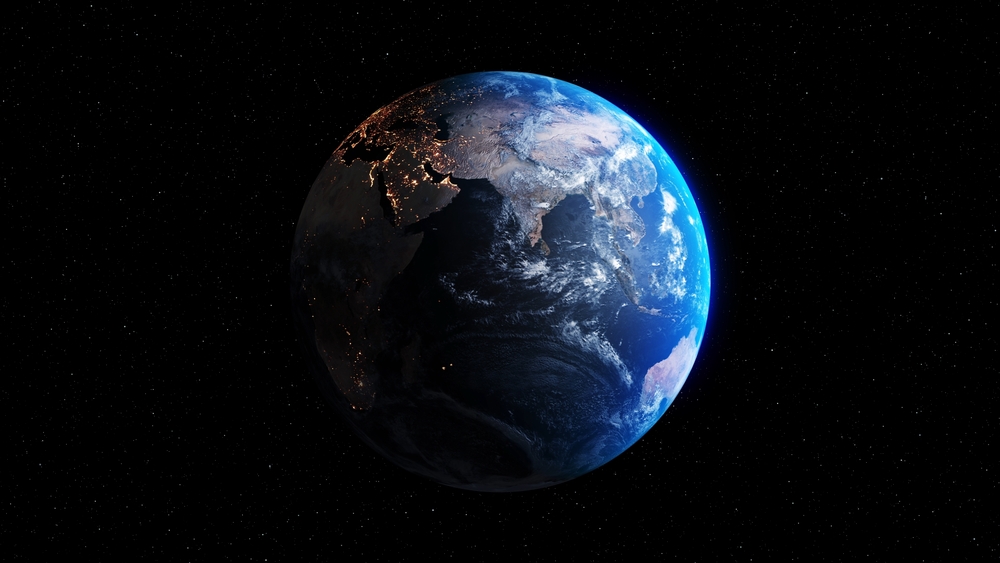
For more than a week, the Schumann Resonance has become an unexpected focus of online conversation. Some social media users have linked recent elevated readings with broken sleep, vivid dreams, ear ringing, fatigue, and brain fog.
Contents
show
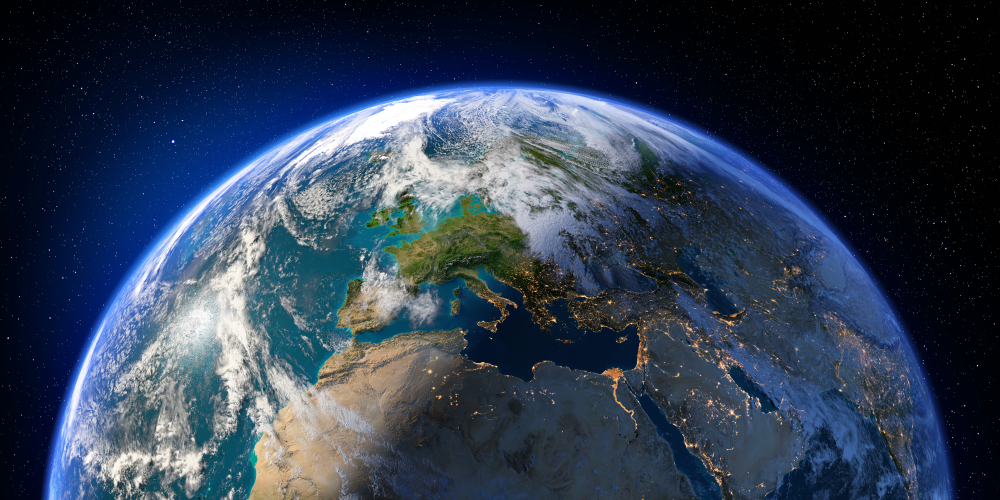
The interest is understandable. Earth does have a measurable electromagnetic background rhythm, often described as its heartbeat. It is produced largely by lightning activity and shaped by the space between the planet’s surface and the ionosphere. But the viral claims about its effects on the human body need more care than online speculation can provide.
The clearest way to approach the story is to separate what scientists can measure from what remains uncertain, while still recognizing that sleep problems and tinnitus can be genuinely distressing.
What The Schumann Resonance Actually Is
The Schumann Resonance is a set of extremely low-frequency electromagnetic waves that form in the cavity between Earth’s surface and the lower ionosphere. Lightning is the main driver. Storms around the world create electromagnetic pulses that travel around the planet and settle into resonant frequencies.
The best-known fundamental frequency is commonly described as about 7.8 Hz, with additional bands at higher frequencies. An open-access review in the journal Atmosphere describes Schumann Resonances as global electromagnetic modes excited at frequencies near 7.8, 14, 20, and 26 Hz, among others.
That foundation matters. The Schumann Resonance is not an invented wellness trend. It is a real atmospheric physics phenomenon that researchers use to study lightning, the ionosphere, and changes in the global electrical environment.
Where the story becomes more complicated is the claim that a recent spike directly caused insomnia, tinnitus, or brain fog. That connection has not been proven by strong clinical evidence.
Why The Recent Surge Became A Viral Talking Point
The latest wave of attention appears to have followed reports from space-weather and resonance-tracking platforms showing unusually elevated Schumann Resonance readings. Social media then filled in the human side, with people comparing notes about restless nights, vivid dreams, ringing ears, tension, and anxiety.
This pattern is common when a natural event enters public conversation:
- A measurable change is reported: Monitoring tools show shifts in atmospheric or geomagnetic activity.
- People notice real symptoms: Poor sleep, tinnitus, headaches, fatigue, and stress are common experiences.
- Timing creates a perceived link: When symptoms and unusual readings appear close together, people naturally wonder whether one caused the other.
- Social media amplifies the connection: Once people see similar reports, they may pay closer attention to their own bodies.
None of this means people are imagining their discomfort. Sleep disruption and ear ringing can be very real. Still, timing alone cannot prove causation, especially when stress, illness, caffeine, screen exposure, medication changes, dehydration, noise exposure, and irregular sleep schedules can all affect how people feel.
What Space Weather Can and Cannot Explain
Solar flares, coronal mass ejections, and geomagnetic storms can affect Earth. When charged particles and radiation from the Sun interact with Earth’s magnetic field and ionosphere, they can influence radio communication, satellite operations, GPS accuracy, auroras, and power-grid conditions.
NOAA’s Space Weather Prediction Center explains that the Planetary K-index is used to characterize disturbances in Earth’s magnetic field and help determine when space-weather alerts or warnings may be needed. The scale runs from 0 to 9, with higher values indicating stronger geomagnetic activity.
Solar flares are categorized by strength. B-class and C-class flares are weaker, M-class flares are moderate, and X-class flares are the strongest. Depending on their direction and associated solar material, some events can produce measurable effects near Earth.
The important distinction is between proven technological effects and unproven health effects. Space weather can disturb the ionosphere, interfere with radio signals, affect satellites, and raise concerns for aviation and grid operators. The claim that a Schumann Resonance spike directly causes widespread insomnia, tinnitus, vivid dreams, or brain fog is less established.
Why The Brain-Wave Comparison Sounds Persuasive
Part of the fascination comes from frequency overlap. The Schumann Resonance’s fundamental frequency sits near the range of some human brain-wave activity. Theta waves, often discussed in relation to drowsiness, meditation, and early sleep stages, are commonly described in the range of about 4 to 8 Hz.
That overlap is interesting, but it should not be treated as proof. In biology, two things sharing a similar frequency do not automatically control each other. Brain activity is complex and influenced by light exposure, stress hormones, body temperature, behavior, health conditions, medications, and emotional state.
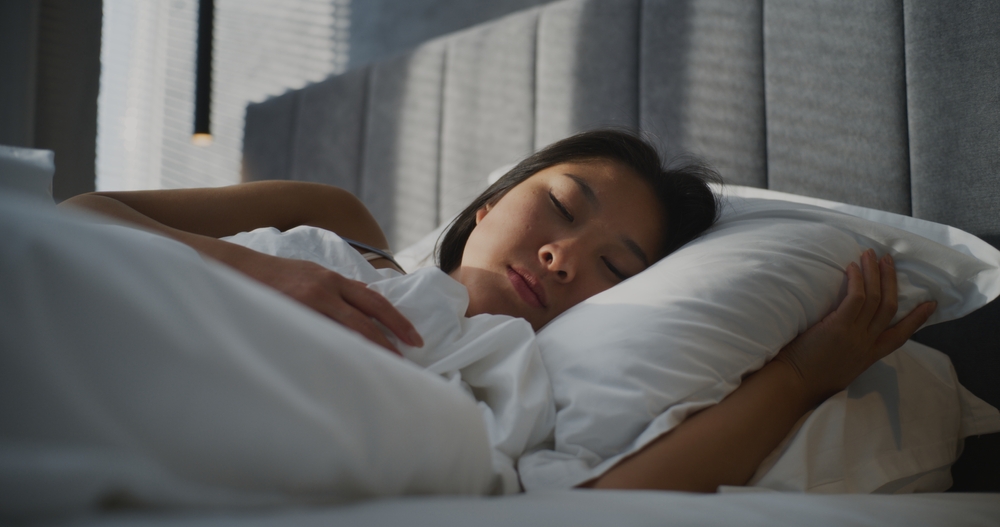
This is where wellness culture can move too quickly. A scientifically interesting observation can become a confident claim before the evidence supports it. A more responsible interpretation is that researchers can continue studying possible links, while readers avoid treating a resonance chart as a medical explanation.
There is also a psychological layer. After several poor nights of sleep, the nervous system can become more alert. Small bodily sensations may feel louder. Ear ringing can become harder to ignore. Dreams may seem more vivid because waking during the night makes them easier to remember. In that state, a viral explanation can feel emotionally satisfying because it gives shape to an uncomfortable experience.
Ringing Ears And Sleepless Nights Have Many Established Causes
Tinnitus is often described as ringing, buzzing, hissing, or humming in the ears. It can become more noticeable during quiet moments, especially at night. According to the U.S. National Institute on Deafness and Other Communication Disorders, tinnitus can be associated with hearing loss, noise exposure, ear and sinus infections, medications, earwax blockage, cardiovascular issues, and other health factors.

Many cases are temporary. Ringing may follow loud noise, illness, stress, or a poor night’s sleep. But persistent or one-sided ringing, sudden hearing changes, dizziness, ear pain, or symptoms that interfere with daily life should be discussed with a healthcare professional.
Sleep disruption has many possible triggers too, including travel, work stress, late caffeine, alcohol, illness, nighttime screen exposure, anxiety, chronic pain, sleep apnea, and medication side effects.
For readers who feel affected by the recent Schumann Resonance conversation, a practical first step is to observe patterns without panic:
- Track The Pattern: Write down bedtime, wake time, caffeine, alcohol, screen use, stress level, exercise, and symptoms.
- Reduce Obvious Triggers: Avoid loud environments, late stimulants, heavy late meals, and extended nighttime scrolling.
- Use Gentle Sound Support: A fan, white noise, soft rain sounds, or low-volume neutral audio can make tinnitus less intrusive at night.
- Protect Your Ears: Use hearing protection around loud tools, concerts, or prolonged high-volume headphone use.
- Seek Help When Symptoms Persist: Medical guidance is especially important for sudden hearing loss, severe dizziness, or tinnitus in only one ear.
The point is not to dismiss environmental curiosity. It is to make sure treatable causes are not missed.
Why Space Weather Still Deserves Attention
Even if the health claims remain uncertain, space weather itself is not trivial. Modern society depends on systems that can be vulnerable to solar activity, including GPS, satellites, aviation communication, radio transmission, and electrical infrastructure.
That is why agencies monitor geomagnetic conditions and issue alerts. It is also why aviation and technology companies take solar radiation seriously. In November 2025, Airbus issued a precautionary fleet action after analysis of an A320-family aircraft event suggested that intense solar radiation may corrupt data critical to flight-control functions. Airbus’ press release described the action as precautionary and said it affected a significant number of in-service aircraft.
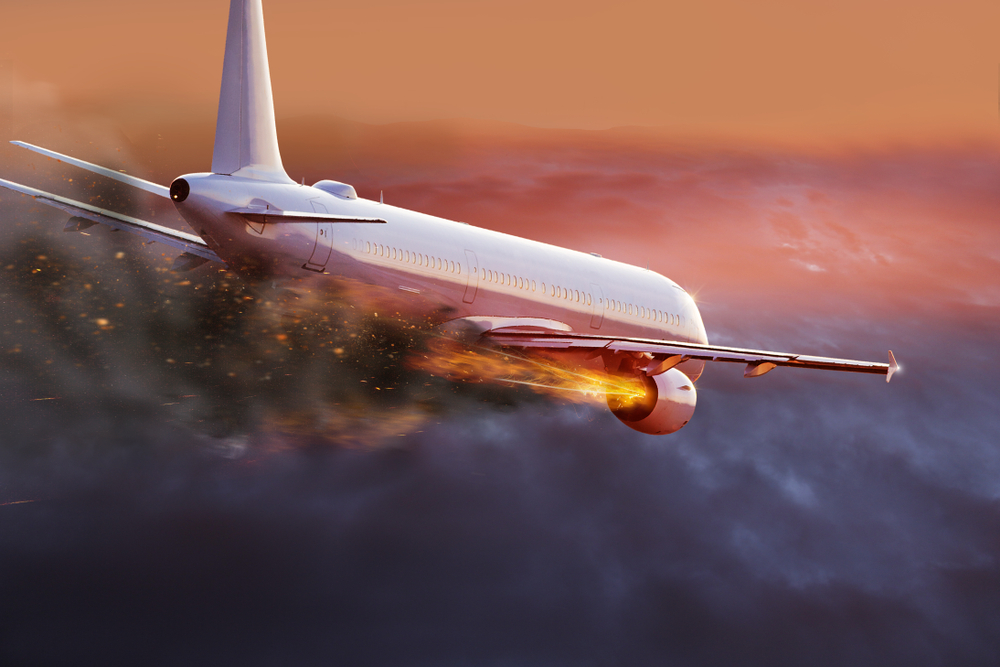
That example should not be stretched into panic. It does not prove that a solar event caused someone’s insomnia. It does show that space weather is a real engineering and infrastructure concern, not merely an internet curiosity.
A strong geomagnetic storm can affect systems far beyond the night sky. It can create beautiful auroras, but it can also challenge navigation, communication, and grid management.
A Grounded Takeaway
The Schumann Resonance is real and extraordinary. Lightning storms around the globe help create a faint electromagnetic rhythm that scientists can measure and study. Space weather can also disturb Earth’s magnetic environment and, at times, affect technologies people rely on every day.
What remains unproven is the claim that recent Schumann Resonance changes are directly responsible for widespread insomnia, vivid dreams, brain fog, or ringing ears. Those experiences may be real, but they have many possible explanations.
A thoughtful response holds two truths at once: people’s symptoms deserve respect, and scientific claims need evidence. A chart, a viral post, or a cluster of anecdotes can raise interesting questions, but they cannot replace medical evaluation or controlled research.
The best response may be neither ridicule nor alarm, but a slower question: what do we know, what do we not know yet, and what practical steps can help people feel better tonight?
That balance leaves room for wonder without asking readers to trade evidence for certainty before the evidence exists.