
Your cart is currently empty!
Rising Anxiety in Gen Z: 5 Subtle Red Flags Parents Can’t Ignore

Gen Z has grown up with school lockdown drills, a pandemic, nonstop news alerts, and social media in their pocket, so it is not surprising that many of them describe feeling “on edge” more often than not. For parents, though, it can be hard to know where ordinary stress ends and anxiety begins, especially when it shows up as snappiness, exhaustion, unexplained aches, or a sudden disinterest in things they used to enjoy. Between pressure to perform at school, worries about the future, and the constant comparison of online life, even resilient kids can become quietly overwhelmed. Understanding the world your child is navigating, and the quieter ways anxiety can surface in their daily life, is the first step toward recognizing when they may need more than reassurance and a good night’s sleep.
Contents
show
Why Anxiety Is Surging in Gen Z
Before parents can spot anxiety, it helps to understand the landscape Gen Z is growing up in. As of 2025, this generation includes roughly 13 to 28 year olds, and research suggests they are experiencing anxiety at higher rates than older adults. In 2020, an estimated 7.3 million children were living with anxiety or depression in the United States, and that number has since climbed, prompting a national emergency declaration in child and adolescent mental health. Surveys indicate that over one-third of Gen Z meet criteria for an anxiety disorder, almost half report feeling anxious “often” or “always,” and 44 percent say they feel persistently nervous or on edge.
This is not happening in a vacuum. Many Gen Z kids grew up amid financial instability, the COVID-19 pandemic, and a constant stream of distressing news. Around 75 percent report mass shootings as a significant source of stress, and ongoing coverage of suicide, sexual violence, and political conflict adds to this sense of threat. Social media intensifies everything, exposing young people to comparison, cyberbullying, and alarming headlines with very little downtime. Research has found that spending more than three hours a day on social platforms is linked with a higher risk of mental health difficulties, yet teens now average closer to five.
Certain groups within Gen Z are especially affected. Seventy-four percent of LGBTQ+ young adults report feeling anxious, and Hispanic and Asian girls have seen some of the sharpest increases in anxiety and depression. Girls overall report higher anxiety rates, although experts note that boys’ distress is likely underreported because of stigma around expressing emotional struggles.
Against this backdrop, it becomes even more important for parents to recognize when everyday stress may be tipping into something more serious.
Sign 1: Irritability and Sudden Mood Changes
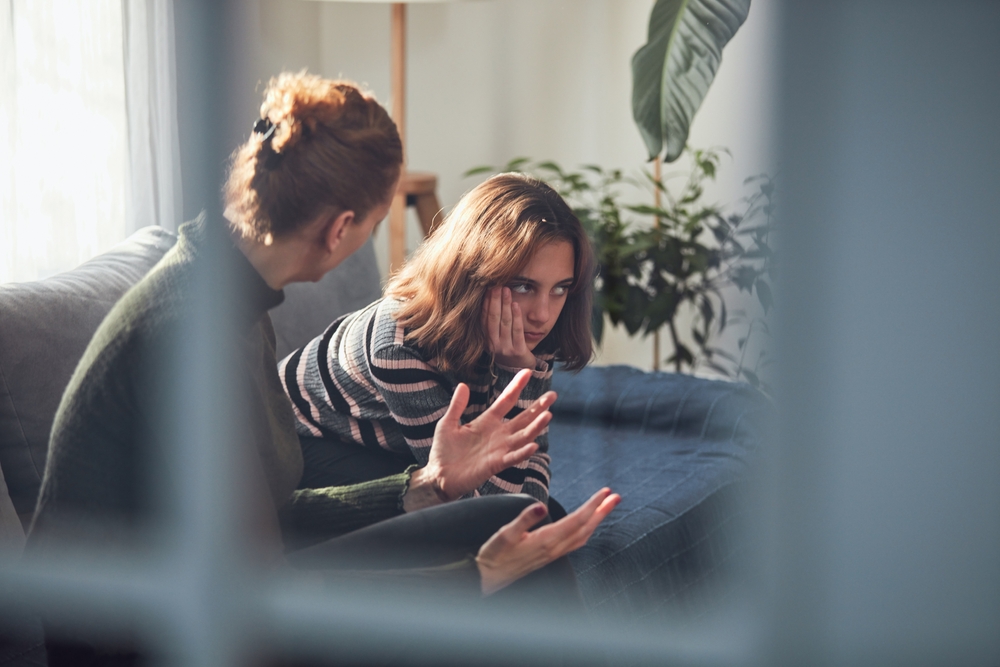
Anxiety in Gen Z does not always look like visible fear or constant worrying. For many teens, it shows up as snapping at family members, slamming doors, or withdrawing after an argument. It is easy to label this as “typical teen moodiness,” but persistent irritability can be a sign that your child is struggling internally.
Child and adolescent psychologist Shannon M. Bennett notes that irritability is a particularly common symptom of anxiety in young people. It can look like:
- Frequent arguments over small issues, such as chores or curfews
- Sudden anger, outbursts, or what seem like “overreactions”
- A sharper, more negative tone compared to their usual temperament
- Lashing out, then appearing embarrassed, guilty, or shut down afterward
When the brain senses threat, whether from exams, group chats, or distressing news, it can trigger a fight or flight response. For some anxious teens, “fight” appears as anger or defiance, even when they actually feel overwhelmed and scared.
Instead of focusing only on the behavior, it helps to explore what might be underneath it. Swapping “You are being rude” for “You seem really on edge lately, what has been feeling hard?” can open a doorway to conversation. Parents can still set clear boundaries around disrespect, while also acknowledging the stress their child might be carrying.
If irritability is ongoing, escalating, or disrupting school, friendships, or family life, it is worth raising with a pediatrician or mental health professional. Early support can help teens learn healthier ways to manage big emotions before patterns of anger and withdrawal become entrenched.
Sign 2: Constant Need for Reassurance

Another quieter marker of anxiety in Gen Z is a growing dependence on reassurance. This is the teen who repeatedly asks, “Are you mad at me?”, “Do you think I am going to fail?”, or “What if something bad happens?” even after you have already answered.
Shannon M. Bennett describes this pattern as “seeking reassurance from trusted others repeatedly without feeling relief from the reassurance.” In other words, your child hears your comforting words, but the worry quickly returns, so they ask again.
Reassurance seeking can show up as:
- Repeatedly checking if friendships are ok after minor conflicts
- Constant questions about grades, health, or future plans
- Needing you to double or triple check everyday tasks
- Struggling to make simple decisions without your input
In the short term, it can feel easier to keep soothing and solving. Over time, though, this can unintentionally strengthen anxiety, because your child learns to rely on you instead of building their own sense of coping and confidence.
A helpful middle ground is to stay warm and present while gently shifting some of the problem solving back to them. For example:
“I know you are worried about this test. You studied hard. What is one strategy you can use if you start to feel anxious in the exam room?”
If reassurance seeking is constant, interferes with school or friendships, or is paired with other symptoms like sleep problems or physical complaints, it may signal that your child could benefit from professional support. Therapies such as cognitive behavioral therapy can help young people challenge anxious thoughts and gradually trust their own inner sense of safety.
Sign 3: Stepping Back From Things They Used To Enjoy

Imagine a teen who once begged to go to soccer practice now insisting they are “too tired,” or a child who loved sleepovers suddenly avoiding them altogether. This kind of quiet retreat from everyday life is one of the clearest behavioral flags for anxiety.
Child psychologist Shannon M. Bennett notes that anxiety is often linked to avoidance of things we want or need to be doing, which then creates additional problems in development. For Gen Z, that avoidance can take several forms.
Social withdrawal
Your child may start turning down invitations, spending more time in their room, or sticking only to online interactions. You might hear, “They are annoying,” or “I just do not feel like it,” instead of “I am nervous.”
School and activities
Anxious avoidance can look like repeated requests to stay home, vague “stomach problems” on exam days, or quitting clubs and sports that once mattered to them. Over time, this can affect learning, confidence, and their sense of identity.
Digital hiding
Some teens cope by disappearing into screens: endless scrolling, gaming late at night, or “ghosting” group chats when something feels uncomfortable. It can seem like laziness, but often it is an escape.
Rather than forcing them back into every situation or immediately rescuing them from stress, it helps to notice patterns and name them gently. For example:
“I have noticed you are avoiding practice a lot since that tournament. I wonder if something about it feels stressful or worrying.”
If avoidance persists for weeks, intensifies, or begins to shrink their world noticeably, it is a strong sign to seek professional guidance. With the right support, teens can gradually face feared situations in manageable steps and rebuild a life that feels bigger, not smaller.
Sign 4: Unexplained Physical Complaints

Some Gen Z kids will talk openly about feeling anxious. Others will mainly talk about their bodies.
A teen might say their stomach hurts before school, complain of headaches on days with big exams, or feel constant muscle tension without knowing why. Shannon M. Bennett notes that anxiety can be “very physical” and cause real discomfort, even when medical tests find nothing wrong.
Common anxiety-related physical symptoms can include:
- Recurring stomachaches, nausea, or digestive issues
- Frequent headaches or migraines
- Tight shoulders, jaw clenching, or general muscle aches
- Racing heart, sweaty palms, or feeling “on edge”
- Sudden tiredness or lightheadedness in stressful situations
It is crucial not to dismiss these symptoms. First, they should always be checked by a pediatrician or family doctor to rule out medical causes. If tests come back normal and the symptoms keep returning, especially around specific situations like school, social events, or performances, anxiety might be playing a role.
You can gently help your child join the dots by observing patterns together:
“I notice your stomach hurts most Sunday nights and before presentations. Do you think worry could be part of it?”
Physical symptoms linked to anxiety often become a reason to avoid stressful situations, which can lead to more school absences, missed activities, and increased worry. Early recognition gives families a chance to explore coping tools, such as breathing exercises, movement, better sleep hygiene, and, when needed, professional support.
If physical complaints are intense, frequent, or interfere with daily life, consider asking your child’s doctor for a referral to a mental health specialist who works with young people. Addressing both the body and mind often brings the most relief.
Sign 5: Restless Nights and Exhausted Days

Sleep is often where anxiety quietly shows itself. A teen who once fell asleep easily may now be up past midnight, scrolling through their phone, worrying about school, friendships, or the state of the world. In turn, the next day starts with exhaustion, irritability, and trouble concentrating.
Research suggests a strong two way link between anxiety and sleep problems, with around half of people with anxiety experiencing significant sleep disturbances. For Gen Z, whose nights are already crowded with screens, homework, and social media, this connection can be especially pronounced.
Patterns that may signal anxiety related sleep issues include:
- Taking a long time to fall asleep because their mind is racing
- Waking often during the night or very early in the morning
- Nightmares or anxiety about going to bed
- Relying on late night scrolling or gaming to distract from worry
- Struggling to get up, feeling drained, or napping excessively
Rather than focusing only on the bedtime battle, it can help to talk about how their body and mind are feeling overall. You might say, “I have noticed you are really tired lately and not sleeping well. Is something worrying you at night?”
Practical steps can include re-establishing a calming night routine, keeping screens out of the bedroom when possible, limiting caffeine later in the day, and encouraging consistent wake times. It can be useful to make these changes as a family, so your child does not feel singled out.
If sleep problems last for several weeks, are getting worse, or are accompanied by other signs of anxiety, such as avoidance or physical complaints, it is important to bring this up with a doctor or mental health professional. Addressing both anxiety and sleep together gives young people a better chance to reset.
Seeing the Signs, Staying Connected
Anxiety is touching the lives of many Gen Z kids, often in ways that are easy to miss or mislabel as “just being a teenager.” Irritability, constant reassurance seeking, avoidance of once-loved activities, unexplained physical complaints, and disrupted sleep are not simply bad habits or phases when they persist and begin to affect school, friendships, or family life. They are signals that a young person’s nervous system is under strain and may need more support than a pep talk or a reminder to “calm down.”
Parents do not have to become mental health experts, but they can be careful observers and steady allies. Noticing patterns, naming your concern gently, and opening up space for honest conversation are powerful first steps. From there, involving a pediatrician, school counselor, or mental health professional can help your child learn practical tools to manage worry and reclaim parts of life that anxiety has started to shrink. With early recognition and compassionate support, anxiety can be treated, and Gen Z does not have to carry it alone.