
Your cart is currently empty!
Beachgoers Join Forces In Dramatic Search For Two Missing Girls
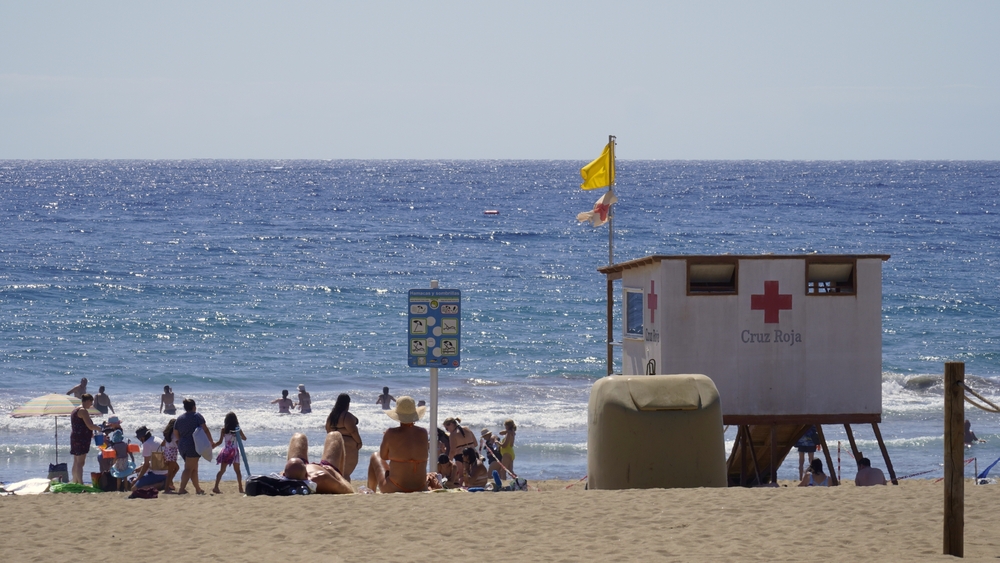
A packed Helsinki beach suddenly became a search zone when two girls around ten went missing on the same summer day.
Contents
show
Lifeguards cleared the water, then asked strong swimmers to link hands and move through the shallows together. The remarkable scene was captured on camera by a beachgoer who could not swim herself.
Two Girls Went Missing On The Same Day
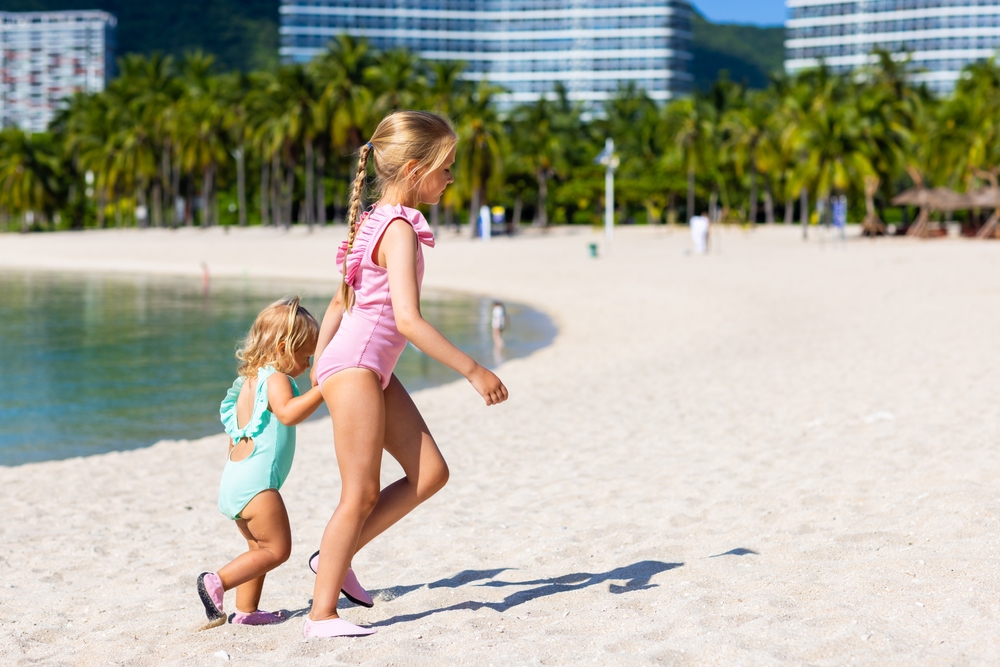
Hietaniemi Beach, known as Hietsu, was crowded during one of Finland’s warmest summer days.
Then a girl around ten years old could not be found.
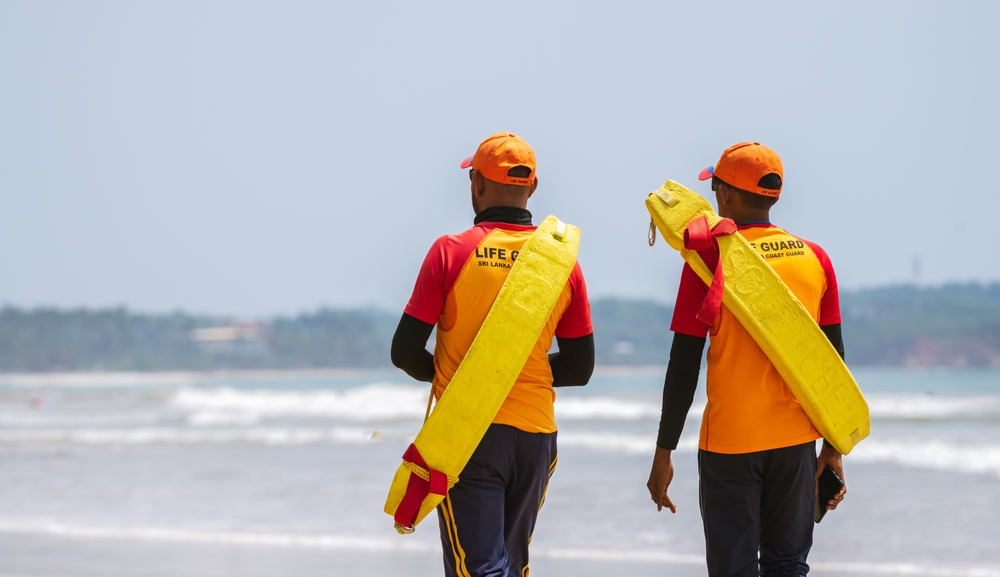
Lifeguards immediately cleared everyone from the water. They then asked people who could swim to return to the shallows and form a connected line.
The adults locked hands and moved forward slowly, searching the water with their feet.
Edicarla Salo watched from the sand and began filming. She could not swim, so she stayed safely onshore while the search unfolded.
What happened next would become the most striking image from an extraordinary day at the beach.
There was another missing child later that same day.
Jukka Lundgren, a team leader with the City of Helsinki’s sports services, said the two incidents involved unrelated girls of roughly the same age.
“In one case the child was in the water, while the other was found on the beach,” Lundgren said.
Lifeguards Turned Beachgoers Into A Search Line
The same basic method was used during both searches.
Everyone was ordered out of the water before capable swimmers were asked to form a line. They held hands and moved through the shallows together.
The children’s names were also announced across the beach.
Lundgren said that after their names were called, the children responded that they were there.
Both girls were found safely.
The method looked simple, but the conditions were crucial. Lifeguards were directing the operation, and the people entering the water were capable swimmers.
That made the scene very different from a crowd rushing into dangerous water without guidance.
Why The Human Chain Worked

Human chains can look like a straightforward answer to a person disappearing in the water.
Beach safety experts warn that they can also become dangerous.
The Hietaniemi search had several factors working in its favor:
- Trained supervision: Lifeguards organized and directed the search.
- Shallow water: Participants could remain on their feet while moving through the area.
- Strong swimmers: Only people capable of swimming were asked to enter the water.
- Controlled movement: The group searched as an organized line instead of rushing into the sea.
- A clear objective: The chain was used to search a specific area of shallow water.
Those details matter because conditions can change dramatically from one beach to another.
A technique that works in controlled shallows can become extremely dangerous in waves, deep water or strong currents.
A Florida Rescue Showed The Same Power And Risk
The Helsinki incident has a striking precedent.
In 2017, nine members of one family were caught in a rip current at Panama City Beach in Florida.
People on the shore realized they could not safely reach everyone by swimming out individually. Beachgoers began linking hands and walking into the water.
Reports differed over the size of the resulting chain. Contemporary reporting put it at roughly 80 people, while a police report described around 40.
The line eventually reached within feet of the family.
Jessica Simmons, who entered the water carrying a boogie board, described the determination of the people on shore.
“These people are not drowning today. It’s not happening. We are going to get them out,” Simmons said.
Everyone was eventually brought back.
The rescue also left people injured. The grandmother suffered a major heart attack, while a nephew broke his hand.
The incident became one of the most famous examples of beachgoers using a human chain during a water emergency.
It also demonstrated why the tactic carries risks.
Experts Warn Against Copying The Rescue
The dramatic footage from Helsinki could easily encourage people to believe that forming a human chain is always the right thing to do.
That is not the advice from water safety professionals.
Chris Brewster of the United States Lifesaving Association said human chains are not normally effective for many water rescues.
Coastal oceanographer Francis Smith explained one major problem with the tactic.
“They’re dangerous because the chain can break if you have a weak link in it,” Smith said.
If a person is knocked off their feet or pulled into deeper water, the chain can break. The rescuers can then become victims themselves.
The safer response is to alert trained lifeguards and emergency services first. Where appropriate, people should also throw something that floats toward someone in trouble.
A rescue should never turn one emergency into several.
Finland Still Faces A Serious Drowning Risk
The Hietsu incidents also raised questions about children’s safety around water.
“It is surprising that a child who does not know how to swim would be allowed to go into the water,” Lundgren said.
Finland averages 133 accidental drowning deaths each year, according to figures compiled by the Finnish Swimming Teaching and Lifesaving Federation from national mortality statistics over the past decade.
More than 80% of those deaths involve men.
Drownings among people under 18 have declined over the past two decades, but the risk remains.
The same federation trained the lifeguards working at Hietaniemi.
That is an important part of the viral footage. What looks like a spontaneous crowd rescue was actually a controlled response led by professionals.
The Real Reason Hietaniemi Went Viral: Restraint, Not Heroics
It is a deeply human instinct to want to charge into the waves when a child goes missing. When we watch videos of strangers locking arms in the surf, it is easy to picture ourselves in that lineup, doing whatever it takes to save a life. It represents the absolute best of our communal nature.
However, the quietest and perhaps most relatable part of the Helsinki story isn’t just about the people who waded into the water—it is about the people who stayed on the sand.
In a moment of sheer panic, it takes genuine self-awareness to recognize your own limits. By choosing to stay onshore and document the event rather than rushing into an environment she wasn’t equipped for, the woman behind the camera did exactly what water safety experts hope the rest of us will do: she let the professionals take the lead.
The viral footage from Hietaniemi beach is so compelling not because it shows a reckless, spontaneous crowd, but because it shows a community acting with restraint and purpose. Sometimes, the most heroic thing you can do during an emergency is simply to listen to the lifeguards when the whistle blows.