
Your cart is currently empty!
How Hormone Therapy Rewrites the Body at a Molecular Level

Science has always been fascinated by transformation. We study how stars evolve, how cells divide, and how energy changes form. Yet one of the most profound transformations we can witness happens not in galaxies or atoms, but in people. In the case of transgender women undergoing hormone therapy, this transformation is now seen not just on the surface, but deep within the very molecules of the body.
Contents
show
A new wave of research has revealed that gender-affirming hormone therapy (GAHT) does far more than reshape outward characteristics. It appears to rewrite the molecular language of the body, shifting the expression of dozens of blood proteins so that they resemble those of cisgender women. At this microscopic level, biology itself seems to listen, adapt, and respond to one’s lived identity.
This isn’t a metaphor. It’s a measurable, molecular reality.
The Body’s Molecular Plasticity
The recent study published in Nature Medicine by researchers at the Murdoch Children’s Research Institute and the University of Melbourne examined the plasma of forty transgender women over a six-month course of feminizing hormone therapy. The participants received estradiol, the primary form of estrogen used in feminizing treatment, along with one of two antiandrogens, either spironolactone or cyproterone acetate, to reduce the effects of testosterone.
Using a high-resolution proteomics platform, the scientists measured 5,279 blood proteins before and after treatment. They then compared the results to data from over 55,000 cisgender participants in the UK Biobank. What they discovered was striking: after six months, the trans women’s protein profiles had shifted toward those typically found in cisgender women.
Of the top 100 proteins known to differ between men and women, between 22 and 36 of them moved toward the “female” range, depending on which medication was used. Some proteins associated with sperm production dropped dramatically, while others linked to body fat, immune function, and cardiovascular health rose.
This means that hormones do more than change how the body looks. They reprogram its biochemistry. Proteins, the workhorses of life, change their expression to reflect the body’s new hormonal environment.
Sex Hormones as Systemic Sculptors
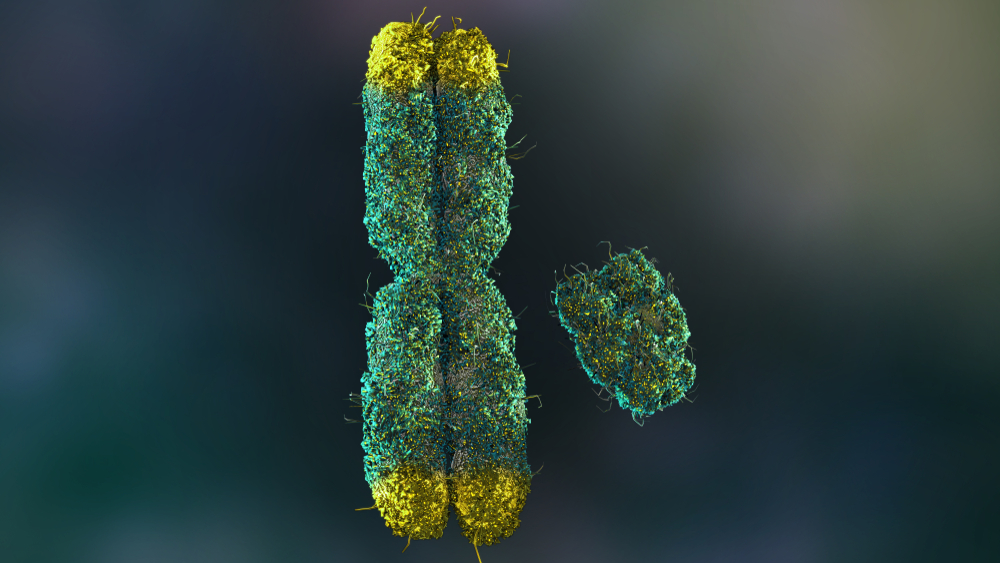
Sex hormones are often described as “messengers,” but the metaphor undersells their power. These molecules act more like master conductors, coordinating an orchestra of biological functions that range from metabolism and reproduction to mood and immune response.
Estradiol, for instance, influences the production of leptin, a protein that regulates fat storage and appetite. It also modulates immune system proteins like CXCL13 and CCL28, which play roles in inflammatory and autoimmune processes. When estradiol levels rise and testosterone falls, these molecular players adjust their levels accordingly, rebalancing the biochemical symphony of the body.
The research showed that cyproterone acetate, which suppresses testosterone more strongly than spironolactone, produced the most dramatic protein changes. Trans women in that group experienced larger drops in testis-associated proteins and more pronounced increases in immune-related ones. Some of these shifts occurred within just three months of treatment.
The study’s authors noted that the pattern of changes mirrored what happens in cisgender women during menopause when they receive hormone replacement therapy. In both cases, the infusion of estrogen reshapes molecular processes across the body, improving certain markers of cardiovascular and metabolic health while also shifting immune behavior.
This reinforces a deeper truth: sex hormones are not merely reproductive substances. They are global regulators that influence nearly every system in the body, from bone density to brain chemistry.
The Human Body as a Dynamic Ecosystem

The human body is often portrayed as a fixed biological machine, with sex written into its blueprints from birth. But this view is gradually giving way to a more dynamic understanding. The body is a responsive ecosystem, a web of chemical signals and cellular dialogues that continuously rewrite themselves in response to internal and external conditions.
The proteomic findings show that even in adulthood, this ecosystem remains remarkably flexible. Proteins once thought to be tied to one sex can be reconfigured through hormonal cues. Associate Professor Boris Novakovic, who led the study, remarked that “human biology is malleable and that even in adulthood, our bodies respond to sex hormone changes.”
This malleability has profound implications for how we think about identity and health. It challenges the idea that “biological sex” is a rigid, immutable structure. Instead, it appears more like a spectrum of biochemical states that can shift when the body’s hormonal environment changes.
The immune system, cardiovascular system, and even the oral microbiome all respond to this reprogramming. A related study from the Netherlands found that trans women receiving GAHT showed transient changes in salivary biochemistry and oral microbial composition during the first six months of treatment, followed by stabilization after a year. These findings mirror the broader theme: the body initially adjusts to its new hormonal climate and then finds equilibrium in its new state.
The message is clear. Identity is not simply something the mind experiences. It is something the body learns to express at every level, from the genome to the microbiome.
The Interplay Between Hormones and Health

One of the most important insights from this research is how hormone-induced molecular shifts may affect long-term health. Many of the protein changes observed have known links to disease susceptibility.
For instance, some proteins that increased under feminizing therapy are associated with enhanced immune activity. This might elevate the risk of autoimmune diseases, which are more common among women, but at the same time, it could improve resistance to infections. Other protein shifts, particularly those involved in fat metabolism and blood vessel regulation, may reduce the risk of heart disease, a condition more prevalent in men.
In other words, as the proteome moves toward a cis-female pattern, the health profile of the individual may also shift toward that of cisgender women. This means doctors need to consider not only the psychological and physical benefits of hormone therapy but also its implications for preventive care and monitoring.
Professor Ada Cheung from the University of Melbourne, a co-author on the study, emphasized that personalized medicine will become increasingly important. Monitoring protein changes could help fine-tune hormone regimens for each individual, ensuring the best outcomes while minimizing side effects.
The study also hints at something profound about how hormones influence aging and disease across all humans, not just trans populations. By showing that the same proteins altered during gender-affirming therapy also change during menopause or hormone replacement therapy, the researchers revealed that these processes share a common molecular grammar. The body’s story of change is written in the same biochemical language, whether that change is driven by time or by intention.
Molecular Mirrors and the Science of Identity

Identity has long been treated as an abstract, psychological phenomenon, a product of consciousness, shaped by culture and self-perception. Yet the emerging science of GAHT reveals that identity also has a molecular echo.
When trans women undergo hormone therapy, their proteins begin to mirror those of cisgender women. Molecules that once expressed a “male” signature shift to a “female” one, suggesting that biology itself participates in affirming identity.
This doesn’t mean that gender identity is determined by biochemistry, but rather that biochemistry is capable of aligning with identity. The direction of causation flows both ways: the self influences the body, and the body adapts to the self.
Such findings expand our understanding of embodiment. The boundary between mind and matter becomes porous. Consciousness expresses itself not only in thoughts and actions but in the regulation of hormones, in the signaling of cells, in the dance of proteins that form the infrastructure of life.
In this sense, hormone therapy is not simply a medical intervention. It is an act of molecular self-realization, a process in which one’s inner truth reshapes the physical medium of being.
The Proteome as a Map of Transformation
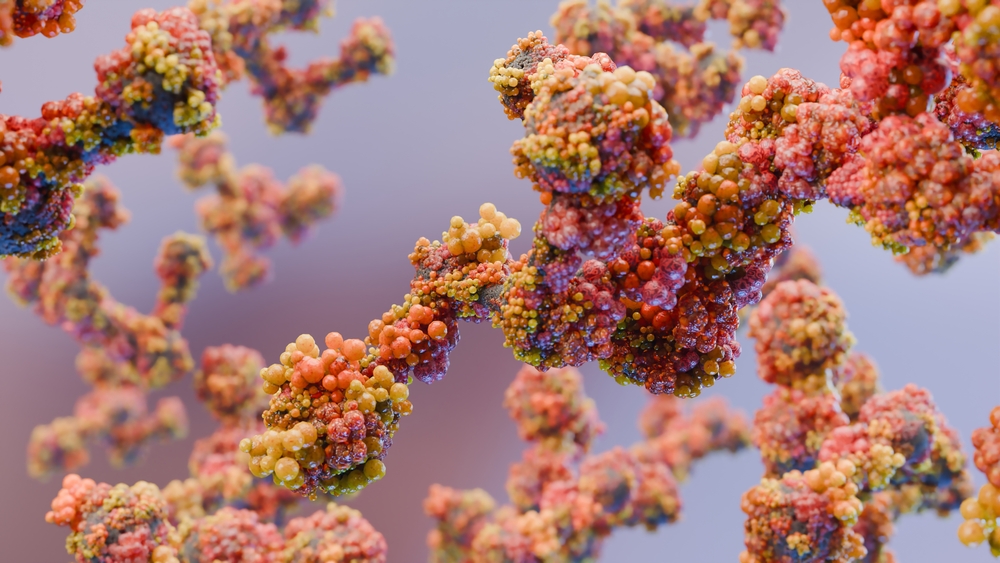
The word “proteome” refers to the entire set of proteins present in a cell, tissue, or organism at a given time. If the genome is the script, the proteome is the performance dynamic, adaptive, and responsive to its environment.
In the context of GAHT, the proteome serves as a living map of transformation. Each protein shift marks a step in the journey from one biochemical state to another. The Melbourne study found that within just six months, roughly five percent of all measured proteins had changed in concentration.
Some of these changes corresponded directly to hormone levels. For example, proteins involved in sperm formation such as SPINT3 and INSL3 dropped as testosterone levels fell. Others, like leptin and prolactin, rose as estradiol increased, contributing to changes in fat distribution and breast tissue development.
These molecular shifts echo the visible transformations that many trans women experience softer skin, redistribution of body fat, and decreased muscle mass. But what’s remarkable is that these external changes are reflections of deep internal rewiring. During transformation, the body undergoes not only structural change but also a reordering of its molecular functions.
Hormones, Immunity, and the Question of Balance
The study also uncovered intriguing links between feminizing hormone therapy and the immune system. Several immune-related proteins increased, particularly in those taking cyproterone acetate. Some of these, such as CXCL13, are involved in B-cell recruitment and autoimmune responses.
This might sound concerning, but it underscores how delicately balanced the immune system is. Estrogen is known to enhance immune surveillance while testosterone tends to suppress it. As hormone levels shift, the immune system recalibrates. The result may be a body that becomes more vigilant against pathogens but also more prone to inflammatory conditions.
Interestingly, this mirrors what is observed in cisgender biology. Women tend to have stronger immune responses but higher rates of autoimmune disease. Men are more susceptible to infections but less prone to autoimmune disorders. Gender-affirming hormone therapy appears to bring the immune system of trans women closer to the female pattern.
It’s a reminder that health is not a static ideal but a dynamic balance. Hormones function less like switches and more like dials, adjusting the body’s systems toward new points of balance.
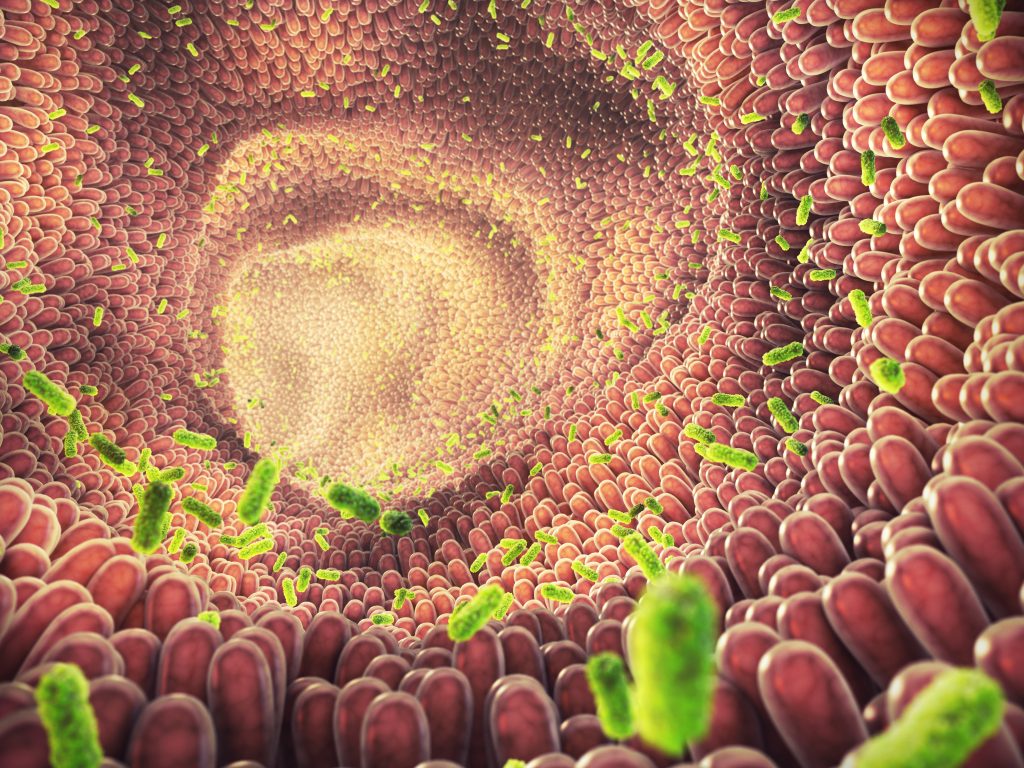
The Oral Microbiome: A Microcosm of Adaptation
Beyond the bloodstream, hormones also influence the communities of microorganisms that inhabit the body. A Dutch study on the oral microbiome of transgender individuals undergoing GAHT revealed subtle but fascinating shifts.
During the first six months of hormone therapy, participants experienced transient changes in salivary proteins like mucin and secretory immunoglobulin A, both of which affect how microbes adhere to tissues and defend against pathogens. The composition of oral bacteria also fluctuated before stabilizing by the twelfth month.
For trans women, these changes aligned with patterns observed in cisgender women undergoing estrogen therapy. Microbes associated with oral health, such as certain Streptococcus species, became more abundant, while others associated with inflammation diminished over time.
This pattern of early disruption followed by stability is seen across multiple biological systems. It suggests that hormone therapy initiates a period of reorganization, a kind of biochemical recalibration, before the body settles into a new equilibrium. The researchers dubbed this transitional stage a “chaos phase,” echoing the idea from chaos theory that systems often pass through turbulence before reaching stability.

The Spiritual Dimension of Molecular Change
To view these findings purely through a clinical lens would be to miss their deeper resonance. Science describes the mechanics, but there is also meaning in what these transformations reveal about human adaptability.
Hormone therapy demonstrates that the boundary between mind, identity, and matter is not as rigid as once thought. When an individual affirms their gender and takes steps to align their body with that truth, the universe responds through biology. Proteins, cells, and hormones participate in that act of becoming.
In spiritual language, one might say that consciousness reshapes form. The body, far from being a static vessel, is a living expression of will, intention, and identity. Each molecular shift is a small affirmation of that truth.
The idea that consciousness influences matter has long been central to many philosophical and mystical traditions. What modern biochemistry now shows is that this interplay operates through tangible mechanisms. Hormones carry signals that alter the behavior of thousands of molecules, literally changing how the body expresses itself.
It’s not mystical in the sense of being supernatural. It’s mystical in the sense that life itself is an ongoing mystery, a dialogue between thought and flesh, self and system, intention and evolution.
Toward a New Understanding of Biology and Identity
The emerging science of GAHT reframes old assumptions about sex and biology. It reveals that the human body is not defined by a static binary but by an ongoing capacity for transformation.
At the molecular level, identity is fluid, adaptive, and deeply embodied. Hormones serve as translators between mind and matter, guiding the body through an intricate process of realignment.
For medicine, this calls for a more nuanced approach, one that recognizes the individuality of each person’s biochemical landscape and the legitimacy of their lived experience. For science, it opens a new frontier in understanding how molecules mediate identity. And for society, it serves as a reminder that authenticity spans psychology, culture, and biology itself, woven into the fabric of being.
The Alchemy of Becoming
Hormone therapy for trans women does more than modify secondary sex characteristics. It rewires the architecture of the body at a molecular level, shifting the very proteins that define its internal identity. Within months, the proteome begins to reflect the person’s affirmed gender.
This is both a triumph of medical science and a revelation of human adaptability. It tells us that our biology is not a prison of fate but a living field of possibility. The same hormonal forces that shape life in the womb can be reawakened in adulthood to reshape it again.
In the end, what these studies reveal is not just that gender-affirming hormone therapy changes proteins, but that it illuminates a deeper truth: the human body is a symphony in constant rehearsal. Hormones are its conductors, identity is its theme, and consciousness is the silent composer guiding the performance.
When a person transitions, the universe listens through biology. And in the language of proteins and cells, the body answers, “Yes, this is who I am.”