
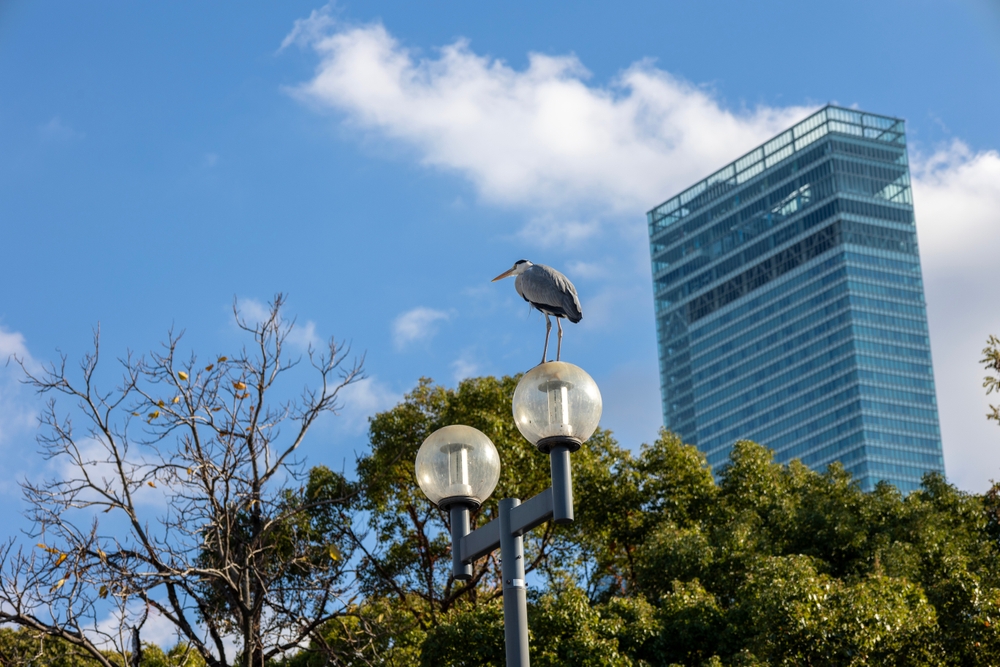
The sound of traffic, roaring engines and industrial machinery has become so familiar that most people barely notice it anymore. But for animals living nearby, these sounds can create serious problems. Creatures that depend on hearing to find food, communicate and escape predators may suddenly struggle to carry out some of the most basic activities needed to survive. Even more concerning, human-generated noise can change how animals behave and affect their bodies.
A major scientific study has now revealed the extent of the problem, finding that noise pollution affected the biology or behavior of 80% of the animal species examined. The research uncovered changes involving stress, physical development and interactions between predators and prey. One particularly disturbing example shows how noise can drive vulnerable animals out of their hiding places and expose them to hungry predators. The findings raise serious questions about what happens to wildlife when human activity makes even natural habitats increasingly noisy.
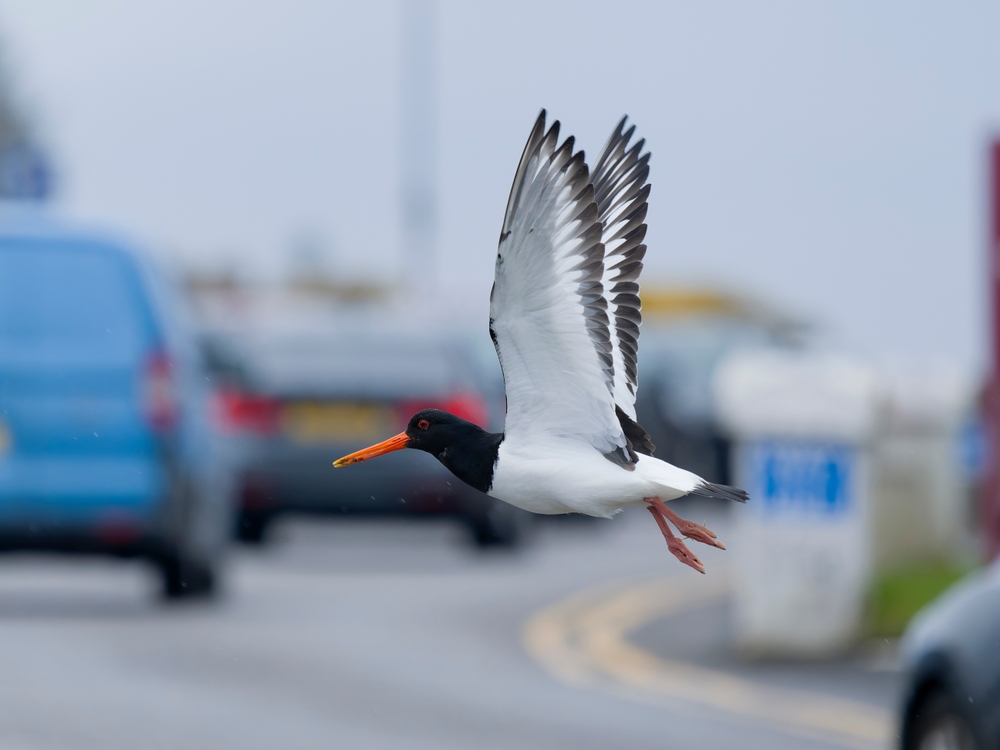
Scientists Examined The Effects Of Noise On 177 Species
Researchers Hansjoerg P. Kunc and Rouven Schmidt from Queen’s University Belfast wanted to understand how human-generated noise affects animals beyond their immediate reactions. Earlier studies had already demonstrated that loud sounds could cause stress and interfere with communication. However, scientists still needed a clearer understanding of how these disturbances might affect entire animal populations and the relationships between different species.
To investigate the issue, the researchers gathered information from 214 experimental studies covering 177 species. They examined how animals responded to human-made noise across several important areas of their lives, including body functions, physical development, behavior, survival, reproduction, population abundance and interactions between predators and prey. This allowed them to examine a much broader range of consequences than studies focusing on individual animals alone.
The researchers compared animals exposed to human-generated noise with control groups that experienced different conditions. They also accounted for evolutionary relationships between species because closely related animals can naturally share similar characteristics. Taking these relationships into consideration helped prevent inherited similarities from distorting the results and provided a clearer picture of the effects associated with noise exposure.
The 80% Finding Reveals How Widespread The Problem Is
The results revealed that noise affected at least one aspect of body function, development or behavior in 80% of the species examined. That means four out of every five species included in the research experienced some measurable change associated with human-generated sound. The finding suggests that noise pollution can influence a surprisingly wide range of animals rather than affecting only a handful of particularly sensitive species.
The effects appeared in several different areas of animal life. Some animals experienced increased cellular stress and elevated stress hormones, while others showed changes involving physical development and behavior. These responses can influence how creatures function in their environments, especially when they repeatedly encounter disruptive sounds during everyday activities.
The research also examined survival, reproduction and population abundance, helping scientists understand how individual responses might connect to wider ecological changes. Animals rely on their surroundings to find food, avoid danger and reproduce successfully. When noise interferes with these activities, the consequences can potentially extend beyond the individuals directly exposed to the disturbance.
Noise Can Turn A Safe Hiding Place Into A Dangerous Trap
One of the most unsettling examples involves an acoustic trap that can leave prey animals caught between two dangers. When an animal senses a potential threat, seeking shelter is often its best chance of survival. A burrow, enclosed hiding place or other protected space can help it escape the attention of a predator. However, human-generated noise can complicate this natural survival strategy by changing the acoustic conditions inside the shelter.
In some circumstances, sounds can become amplified within enclosed spaces, making the hiding place less comfortable for an animal trying to escape the disturbance. Instead of remaining safely hidden, the creature may leave its shelter and return to the open environment. This creates an unexpected opportunity for predators that might otherwise have struggled to locate their prey.
The situation becomes particularly concerning because the animal’s natural response to danger can expose it to another threat. A hiding place that would normally provide protection may become an acoustic trap, pushing vulnerable creatures into areas where predators can detect them more easily. Noise pollution can therefore interfere with the delicate balance between finding shelter and avoiding capture.
The process can unfold through several stages:
- Human activity introduces noise: Traffic, machinery and other sources create disruptive sounds around wildlife habitats.
- Prey animals seek shelter: Creatures respond to the disturbance by moving toward protected spaces.
- Sound becomes amplified: Certain enclosed environments can intensify the noise experienced by animals.
- Animals leave their hiding places: Continued disturbance can drive them back into exposed surroundings.
- Predators gain an advantage: Vulnerable prey may become easier to detect and capture.
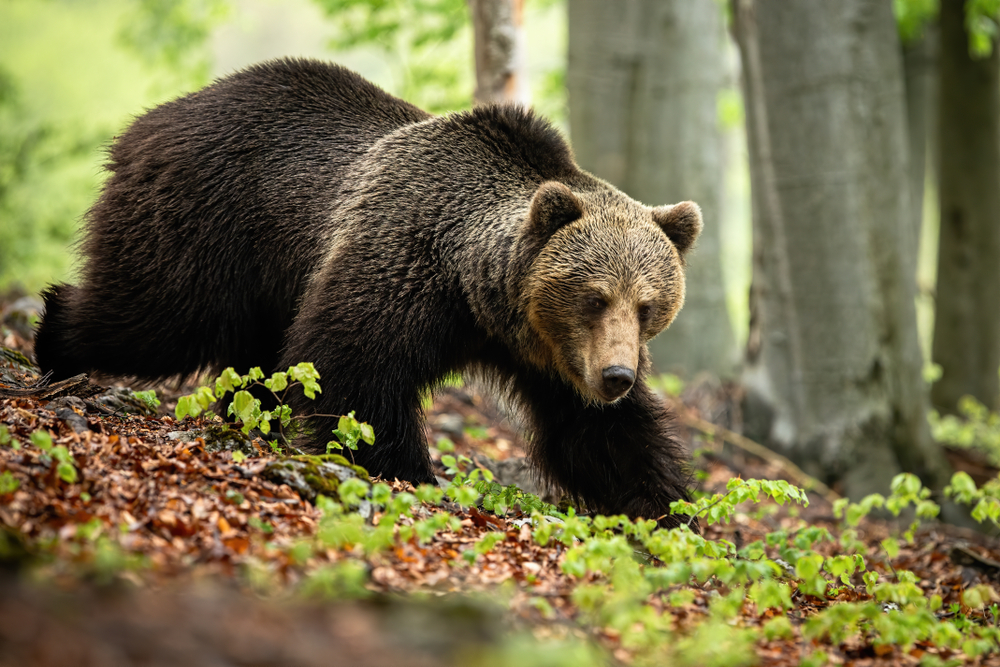
Some Predators Are Losing Their Ability To Hunt
The effects of noise pollution can also work against predators, particularly those that depend on sound to locate their next meal. Hunting requires animals to gather information from their surroundings, and hearing can play an important role in detecting movement and identifying nearby prey. When human-generated noise interferes with these signals, predators may struggle to locate animals they would otherwise be able to catch.
A predator that repeatedly misses hunting opportunities could face difficulties obtaining enough food. Finding prey may require additional time and energy, while persistent disturbances can make an already demanding survival task even harder. These difficulties could eventually influence an animal’s physical condition and its ability to survive in its natural environment.
However, the researchers also identified situations where predators could benefit from the same disturbance. When noise drives prey animals out of their shelters, certain predators may find them easier to catch. This creates an unusual situation in which one species experiences a disadvantage while another gains an opportunity.
The researchers explained this contrast in their study: “These responses can create winners and losers among species, reshaping ecosystem dynamics.” Their finding illustrates how one environmental disturbance can produce very different outcomes depending on an animal’s position within the food web.
Human-Made Noise Can Change Animals From The Inside
Changes in behavior are only one part of the problem identified by the researchers. Their investigation also examined physiological responses, including increased cellular stress and elevated stress hormones. These changes involve the internal processes that allow animals to function, develop and respond to their surroundings.
Stress responses are a natural part of survival. An animal encountering a predator may experience temporary changes that prepare its body to escape danger. However, repeated disturbances can create a different challenge when creatures encounter disruptive sounds as part of their everyday environment. Their bodies may repeatedly respond to conditions that interfere with normal activities.
Physical development is another area affected by noise exposure. The research identified changes in development among the biological responses observed across the species examined. Such findings raise concerns because animals depend on suitable environmental conditions throughout their lives, particularly during periods of growth.
The researchers also considered reproduction and survival when assessing the broader consequences of noise pollution. Changes affecting individual animals could influence their ability to maintain healthy populations over time. Although different species respond in different ways, the findings demonstrate that human-generated sound can reach beyond an animal’s immediate behavior and affect important biological processes.
Noise Pollution Reaches Beyond Busy Roads And Cities
Traffic and industrial machinery are familiar sources of noise on land, but the problem also extends into aquatic environments. Human activities can introduce disruptive sounds into places where animals depend heavily on acoustic information. For creatures that use sound to communicate and respond to their surroundings, these disturbances can interfere with important everyday behaviors.
Shipping activity is another example of how human-generated noise can affect wildlife. Ships moving through waterways produce sounds that enter aquatic environments, potentially exposing animals to disturbances even when they are far from busy urban areas. This creates additional challenges for creatures that rely on sound to interact with their surroundings.
The researchers examined species from different environments and found that noise-related effects were widespread across the animals included in their analysis. This makes it difficult to treat noise pollution as a problem restricted to heavily populated areas. Human activity can introduce sound into natural environments where wildlife depends on quieter conditions to carry out essential activities.
The findings also demonstrate why protecting a habitat requires attention to more than its visible condition. An environment may still contain vegetation, water and places for animals to shelter, yet persistent noise can interfere with the creatures living there. Acoustic conditions deserve consideration alongside other environmental pressures.
Scientists Point To Low-Noise Zones As A Possible Solution
Despite the concerning findings, the researchers identified an approach that could help reduce the effects of noise pollution. Their proposal involves targeted acoustic management, including the creation of low-noise zones where animals can experience fewer human-generated disturbances. These areas could provide quieter conditions for wildlife that depends on sound to communicate and respond to potential threats.
The researchers described these protected environments as acoustic refugia. Such places could help animals carry out essential activities without facing the same level of interference from traffic, machinery and other human activities. Creating quieter spaces may also help reduce the pressure experienced by species that struggle when their surroundings become persistently noisy.
In their study, the researchers wrote: “Targeted acoustic management such as low-noise zones creating acoustic refugia offers actionable pathways for mitigating these impacts.” The proposal offers a practical direction for addressing a form of pollution that can remain difficult to recognize because it does not necessarily leave visible damage behind.
Reducing unnecessary noise around important wildlife habitats could become part of broader conservation efforts. The findings suggest that environmental protection needs to account for the sounds entering natural spaces, particularly when those sounds interfere with survival and interactions between species.
Wildlife Needs Protection From More Than Visible Pollution
Noise pollution creates a challenge that can remain hidden even when an animal’s habitat appears untouched. A creature may still have access to shelter and food, yet struggle to communicate or avoid predators because human-generated sounds interfere with its surroundings. These disturbances can also affect internal biological processes, adding another layer of pressure to wildlife already facing environmental challenges.
The research involving 177 species shows how widespread these effects can be. Its findings also reveal how one disturbance can create advantages for some animals while making survival harder for others. Protecting wildlife will require greater attention to the acoustic conditions of natural habitats and the human activities that disrupt them.
For animals forced to abandon their hiding places because of noise, a quieter environment could mean the difference between escaping a predator and becoming its next meal.