
Your cart is currently empty!
The Hidden Psychology Behind Frequent Workout Posts

Posting a gym selfie has become almost as routine as the workout itself. Before the sweat dries or the protein shake settles, many people rush to capture the moment. Maybe it’s the treadmill view, a flex in the mirror, or a triumphant caption about beating personal records. And while these posts can motivate some and irritate others, researchers suggest they might be revealing something deeper than a commitment to fitness.
Contents
show
A growing body of research from Brunel University London has ignited viral conversations about why people broadcast their every workout. The findings suggest motivations linked to narcissism, validation seeking and even self esteem concerns. These motivations do not apply universally, but the research paints a complex picture about how social media and psychology intersect.
In this article, we will explore what the studies found, why certain personality traits predict gym related posting and how social feedback like likes and comments reinforce this cycle. We will also consider what these behaviors mean socially and personally, and what readers might learn from the science.
Why Researchers Looked Into Gym Posting Behavior
Researchers from Brunel University London launched a study aimed at understanding why Facebook users chose specific types of status updates. Their work drew attention because one finding stood out. People who frequently posted about their diet and exercise routines scored higher on measures of narcissism.
According to the research team, these individuals appeared motivated by a desire to draw attention to their achievements and to the time invested in physical appearance. As one researcher explained, narcissists more frequently updated about their accomplishments, a behavior driven by their need for validation from the Facebook community.

This was not a standalone insight. In a broader study examining personality traits and Facebook update topics, researchers analyzed data from 555 users in the United States. Participants completed surveys measuring the Big Five personality traits, self esteem and narcissism. They also reported how frequently they posted about a wide range of topics that included achievements, social activities, relationships and diet or exercise.
The studies collectively raised a provocative question. If gym posts are not solely about health or motivation, what psychological needs might they be serving?
The Role of Narcissism in Fitness and Achievement Posts

Narcissism surfaced consistently as a predictor of frequent posting about exercise and accomplishments. Narcissistic individuals tend to be self aggrandizing and exhibitionistic. They seek attention and admiration and often emphasize personal achievements that present them in a positive light.
In the context of social media, this trait expresses itself vividly. Researchers found that narcissistic participants updated more often about their diet and exercise routines. They also posted more frequently about their goals and accomplishments.
The logic behind these patterns is straightforward. Social platforms offer a ready made audience and an immediate feedback loop. Posting about a workout becomes a socially acceptable form of self promotion. The likes and compliments that follow provide instant reinforcement.
Interestingly, the data showed that narcissists do not only post more about physical achievements. They also receive more engagement on those posts than other users. This is where the psychology becomes cyclical. The more attention these posts attract, the more they reinforce the behavior that triggered them. In other words, every like becomes a small reward.
One study even found that this increased engagement partly mediated the relationship between narcissism and posting frequency. Narcissistic users reported receiving more likes and comments because they posted more often about their achievements. This attention then encouraged more of the same type of updates.
Validation Seeking and the Power of Social Feedback

While narcissism is one piece of the puzzle, validation seeking is another. The Brunel team noted that many gym focused status updates are driven by a desire for external approval. Validation seeking involves using social platforms to feel accepted, supported or admired.
Gym posts often fit that mold. They allow users to showcase discipline, progress or physical transformation. But validation seeking can also reflect deeper vulnerabilities. For example, one study found that people with low self esteem tend to post more about their romantic partners. This pattern was interpreted as an effort to reassure themselves and others about relationship stability. Although this finding did not specifically address workouts, it reinforces the idea that certain types of posts stem from unmet psychological needs.
The reinforcement process resembles a behavioral loop. A person posts an update that signals something positive or impressive. Friends respond with likes and supportive comments. The poster interprets the attention as approval. That brief hit of recognition encourages the cycle to continue.
This loop can become especially powerful for people who feel insecure offline. Social media becomes a stage where they can present a carefully curated identity. Over time, the positive feedback shapes posting habits more than internal motivation does.
What the Big Five Personality Traits Reveal About Posting Habits

The research also examined how the Big Five personality traits predicted Facebook posting behavior. Although not all findings were related directly to workouts, they offer insight into how personality shapes online expression.
Extraversion
People high in extraversion were more likely to post about social activities and everyday life. They also used Facebook as a communication tool. Their motivation was less about validation and more about interaction. While extraversion did not specifically correspond to gym posting, it showed how social engagement fuels online participation.
Neuroticism
Neurotic individuals experience more anxiety and seek support. Though this trait did not predict posting about workouts, it did relate to using Facebook for validation. In some ways, this reinforces the idea that social media can become a coping mechanism for those seeking emotional reassurance.
Openness
People high in openness tended to post more about intellectual topics. They used Facebook to share information rather than to socialize. This trait was unrelated to fitness updates but revealed how some users view social platforms as information hubs rather than social stages.
Agreeableness
Agreeable individuals did not show strong posting trends related to workouts or achievements. They generally avoid attention seeking behavior, making them less likely to engage in public self promotion.
Conscientiousness
One surprising finding was that conscientious individuals posted more frequently about their children. Researchers proposed that this might reflect indirect competitive parenting rather than validation seeking. It demonstrates that even seemingly wholesome posts can have layered psychological roots.
Across all these traits, narcissism stood out as the most significant predictor of diet and exercise posting. It motivated people to present an image of achievement and physical commitment. Social validation amplified the pattern.
When Support Is Not What It Seems

One of the most intriguing discussions in the research involved how other users perceive fitness posts. Dr Tara Marshall, a psychology lecturer involved in the Brunel study, cautioned that likes may not reflect genuine enthusiasm. She suggested that friends might offer polite support while secretly disliking such displays.
This idea resonates for many social media users. There is a social pressure to appear supportive even when content feels repetitive or boastful. The result is a mismatch between the poster’s interpretation of feedback and the audience’s true reaction.
In this sense, validation becomes unreliable. The poster sees approval while the audience may experience annoyance. Over time, this disconnect can distort perceptions of what others genuinely appreciate.
The research also noted that people who frequently post about intellectual topics tend to receive fewer likes and comments. Achievement related updates, including fitness milestones, generated more engagement. This may help explain why some users gravitate toward posting about exercise. Those posts feel safer and more rewarding.
Are Frequent Gym Posters Dealing With Psychological Issues
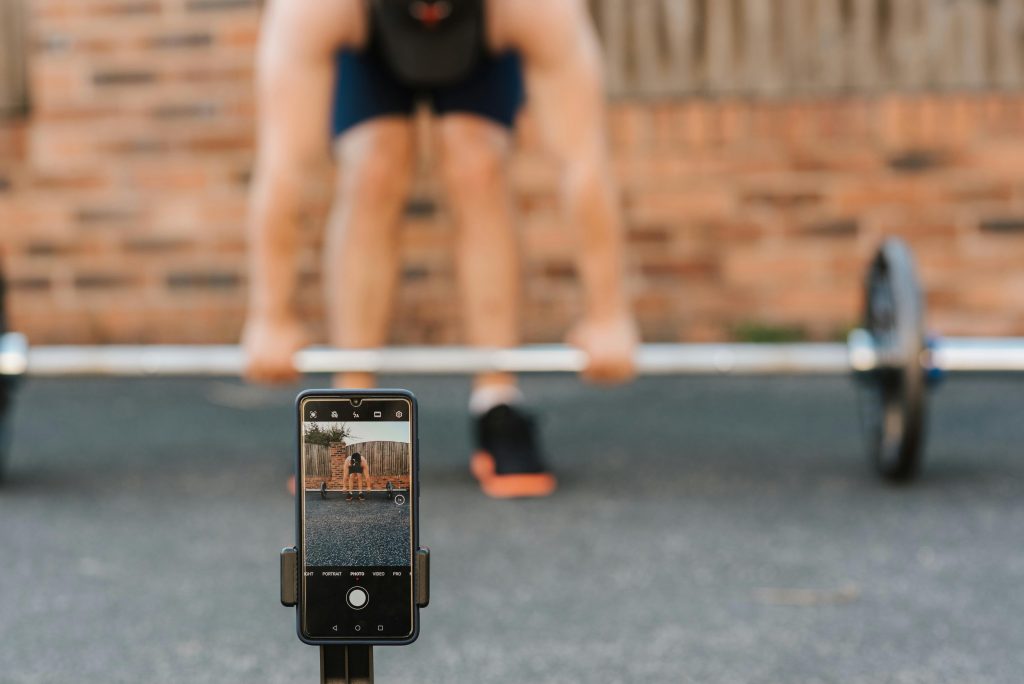
Labeling gym posters as people with psychological issues would oversimplify complex findings. However, the research does suggest that frequent exercise updates can reflect underlying psychological motivations. These motivations include a desire for admiration, validation and positive social identity.
For some individuals, posting about fitness progress can be grounded in healthy habits. They might be documenting milestones, connecting with fitness communities or motivating themselves. For others, the posts may serve as a buffer against insecurity or loneliness.
The term psychological issues in this context does not imply mental illness. Instead, it refers to traits, habits or internal needs that influence posting behavior. These traits can include narcissism, low self esteem or validation seeking tendencies.
Understanding these nuances helps avoid unfair generalizations. It also provides insight into how digital environments shape personal and social expression.
The Wider Social Context of Fitness Posting
The surge of gym related content on social media coincides with a broader cultural focus on wellness and appearance. Fitness influencers, viral challenges and transformation photos have created a landscape that rewards physical achievement.
In this environment, posting workouts becomes part of social participation. People feel encouraged to display discipline and health mindedness. Yet this culture can blur the line between genuine motivation and performance.
Advertising and media messaging also play roles. For many women in particular, daily exposure to idealized bodies can erode self esteem. Some may turn to social posting as a way to reclaim confidence or seek encouragement. Although this is not inherently unhealthy, it can reflect deeper struggles with body image and identity.
From a social standpoint, frequent workout posts raise questions about authenticity and pressure. How much of what we share online reflects who we are, and how much reflects who we think others want us to be?

What Readers Can Take Away From the Research
Understanding the psychology behind workout postings offers a chance to reflect on personal social media habits.
- Consider why you post certain updates. Are you sharing for connection, documentation or approval
- Notice which posts receive the most engagement. Engagement often reflects social norms rather than personal value
- Think about how you feel when you see others’ fitness posts. Do they inspire, annoy or pressure you
- Recognize that other people’s posts reflect only a fragment of their internal world
- Observe whether likes reinforce behaviors that do not genuinely fulfill you
Reflection can help people cultivate healthier interactions with social platforms. Awareness can also reduce the pressure to perform online.
A More Compassionate Interpretation
While the findings highlight narcissistic traits in frequent gym posters, they also invite compassion. People use social media to meet a variety of emotional needs. Posting a workout may be a way to feel seen, valued or connected.
Rather than assuming negative intentions, readers might consider how their own insecurities shape what they post. The research encourages empathy and perspective. Everyone has moments when they seek reassurance or attention.
The line between healthy self expression and attention seeking is not always clear. The platform itself is designed to reward visibility and engagement. In many ways, social media makes narcissistic behavior easier to display.
Ultimately, these studies reveal as much about social environments as they do about individuals.