
Your cart is currently empty!
The People Around You Are Shaping Your Stress Response

For decades, stress has been framed as something deeply personal. Your workload. Your mindset. Your coping skills. If you feel overwhelmed, the solution is often presented as an individual one: manage your thoughts better, build resilience, practice mindfulness, push through.
Contents
show
But modern neuroscience is quietly telling a very different story. One that challenges the idea that stress lives only inside your head.
The truth is this: the people you spend time with do not just influence your mood or your perspective. They physically shape how your brain and nervous system respond to stress. Over time, their emotional states, availability, and patterns of connection can either help your body learn safety or trap it in survival mode.
This process happens beneath conscious awareness. It is not about weakness or dependency. It is biology.
At the center of this shift in understanding is co-regulation, the deeply human process through which nervous systems stabilize, learn, and heal together.
The Nervous System Was Never Meant to Work Alone
Humans evolved as social mammals. Survival depended on staying connected to others who could offer protection, warmth, and attunement. Long before logic or language developed, the nervous system learned how to read safety through facial expressions, tone of voice, posture, and proximity.
This wiring has not disappeared just because society now celebrates independence and self-sufficiency.
Your nervous system still scans for cues of safety or threat in the people around you. It still adjusts your heart rate, hormone release, and muscle tension based on who you are with. When connection is present, your system can downshift into rest, repair, and recovery. When it is missing or unsafe, your body prepares to fight, flee, or shut down.
This is why isolation feels physically painful. It is also why certain people feel calming without saying a word, while others leave you tense and exhausted even after brief interactions.
Limbic Resonance and the Silent Sharing of Emotional States

The mechanism behind this phenomenon is known as limbic resonance. It refers to the capacity of mammalian nervous systems to sync emotional states with one another at a biological level.
This process does not rely on conscious empathy or verbal expression. Your body senses the internal state of another person through subtle signals such as breathing rhythm, eye contact, facial tension, and vocal tone.
When someone near you is regulated and grounded, your nervous system receives signals that it is safe to relax. When someone is anxious, angry, or disconnected, your body may mirror that state automatically.
Over time, repeated exposure to certain emotional environments shapes your baseline stress response. Your nervous system learns what is normal based on the people you regularly engage with.
This is why chronic exposure to dysregulated relationships can leave someone feeling anxious or on edge even when nothing is outwardly wrong. It is also why consistent, supportive connection can help the body unlearn fear responses that logic alone cannot resolve.
CO-Regulation is How Nervous Systems Learn Safety
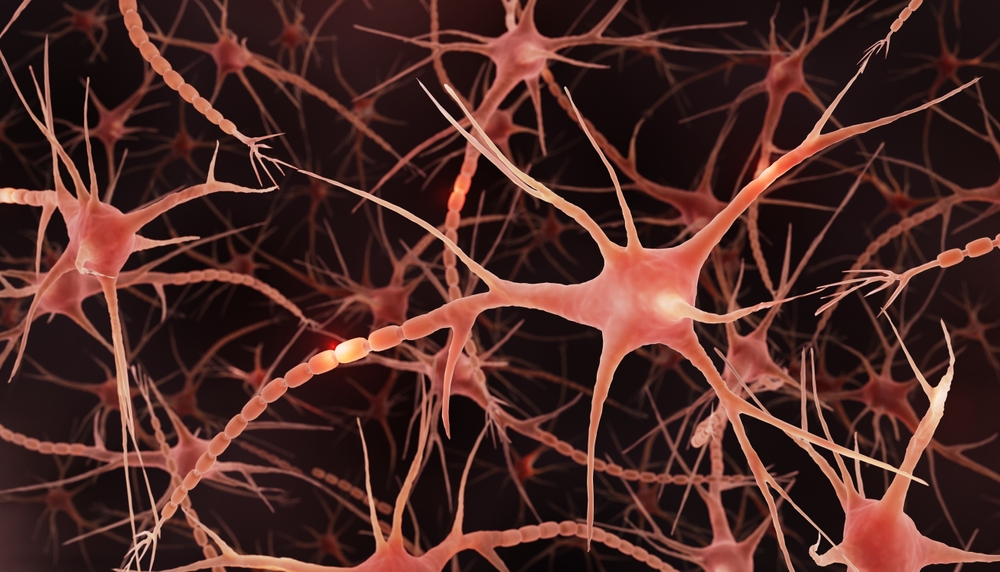
Co-regulation is the process by which one nervous system helps another return to balance through presence, attunement, and emotional availability.
It begins in infancy. Babies cannot regulate themselves. They rely on caregivers to soothe distress through touch, voice, eye contact, and responsiveness. Through thousands of these interactions, the child’s nervous system learns what safety feels like.
As people grow older, co-regulation does not disappear. It simply becomes less visible.
Adults still rely on co-regulation every day. A calm conversation with a friend after a difficult meeting. Sitting quietly beside someone you trust. Feeling understood by a therapist. Even brief moments of genuine connection can shift the nervous system out of survival mode.
These experiences are not emotional crutches. They are training sessions for the brain.
When co-regulation is repeated over time, the nervous system begins to internalize that sense of safety. This is how self-regulation develops. Not in isolation, but through relationship.
How Stress Becomes Chronic in Disconnected Environments

Stress itself is not harmful. Short bursts of stress help the body mobilize energy, solve problems, and respond to challenges. The issue arises when stress becomes constant and unresolved.
In disconnected environments, the nervous system often has no pathway back to regulation. Without attuned relationships, stress signals remain active, keeping the body locked in a state of alertness.
This prolonged activation affects nearly every system in the body. Elevated cortisol levels disrupt sleep and digestion. Chronic muscle tension leads to pain and inflammation. The immune system becomes compromised. Emotional regulation becomes harder, increasing anxiety, irritability, and emotional numbness.
Social factors play a significant role in this process. Loneliness, marginalization, lack of social support, and economic stress all send signals of unsafety to the nervous system.
When these conditions persist, the body adapts by prioritizing survival over growth and repair. Over time, this adaptation becomes the default state.
Relationships That Calm Versus Relationships That Dysregulate

Not all connection is regulating. Some relationships soothe the nervous system, while others amplify stress.
Regulating relationships tend to involve emotional consistency, responsiveness, and mutual respect. In these connections, people feel seen, heard, and valued. Conflict may occur, but it is repaired.
Dysregulating relationships often involve unpredictability, emotional withdrawal, chronic criticism, or unresolved tension. Even when these dynamics are subtle, the nervous system detects them.
Being around someone who is frequently overwhelmed or emotionally unavailable can slowly condition your body to remain on guard. Over time, your stress response becomes more reactive, even outside that relationship.
This is not about blame. Many people are dysregulated because of their own unprocessed stress or trauma. But understanding the impact of relational environments allows individuals to make informed choices about boundaries, support, and healing.
Parenting, Co-Regulation, and Emotional Development

Children provide one of the clearest examples of how co-regulation shapes the brain.
When a child experiences intense emotions, their nervous system becomes overwhelmed. Without guidance, they cannot access logic or problem solving. In these moments, a calm and attuned adult acts as an external regulator.
This does not mean fixing the child’s emotions or making them disappear. It means staying present, validating the experience, and offering cues of safety.
Over time, repeated co-regulation builds emotional skills such as self-soothing, emotional awareness, impulse control, and flexible thinking. These abilities form the foundation for resilience later in life.
Research suggests that strong self-regulation skills are associated with better long-term outcomes, including improved mental health, stronger relationships, and greater life stability.
Importantly, adults must regulate themselves first. Children absorb not only what is said, but the emotional state behind it. A calm presence teaches far more than words ever could.
Co-Regulation Does Not End in Adulthood

Many adults believe they should be able to handle stress on their own. This belief often leads to shame around needing support.
Biologically, this belief is inaccurate.
Even with well-developed self-regulation skills, the nervous system continues to rely on co-regulation throughout life. Moments of connection help the body recalibrate after stress, grief, or uncertainty.
This is why meaningful relationships are consistently linked to better health outcomes. Supportive social networks reduce inflammation, strengthen immune function, and lower rates of anxiety and depression.
It is also why certain professions emphasize relational presence. Therapists, somatic practitioners, and healthcare providers who maintain emotional attunement can help clients feel safe enough to process difficult experiences.
The nervous system responds not only to techniques, but to the state of the person offering them.
Trauma, Healing, and Relational Safety
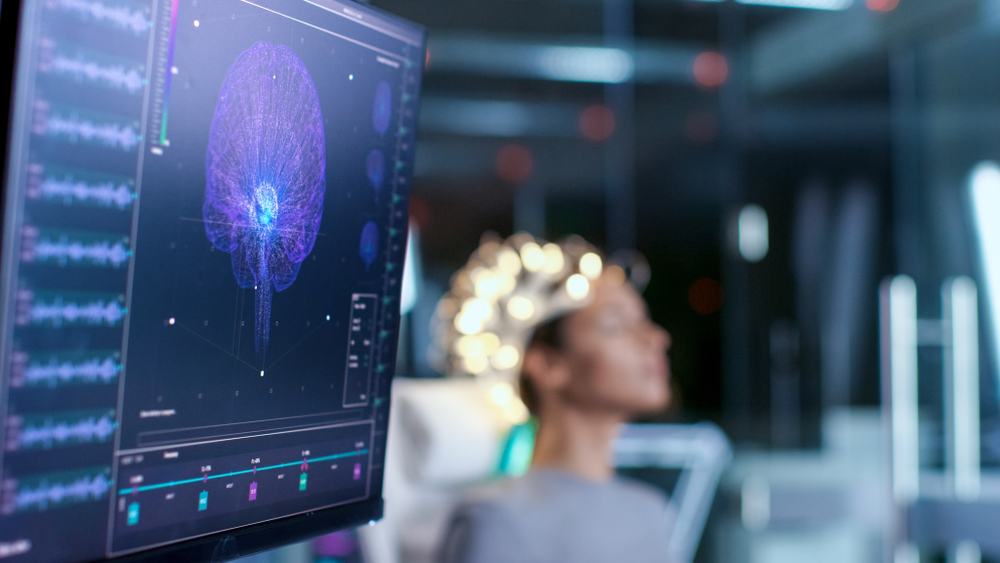
Trauma disrupts the nervous system’s ability to accurately assess safety. After trauma, the body may remain hypervigilant or disconnected even when danger has passed.
Healing trauma often requires more than cognitive understanding. The nervous system must experience safety repeatedly in real time.
This is where co-regulation becomes essential.
When a regulated person remains present with someone in distress, the distressed nervous system receives corrective information. It learns that connection does not always lead to harm. Over time, this experience can help restore flexibility and resilience.
This process cannot be rushed or forced. It unfolds gradually through consistent, attuned interaction.
Importantly, healing does not require perfect relationships. It requires enough moments of safety to outweigh the moments of threat.
The Role of Neuroplasticity in Stress Regulation
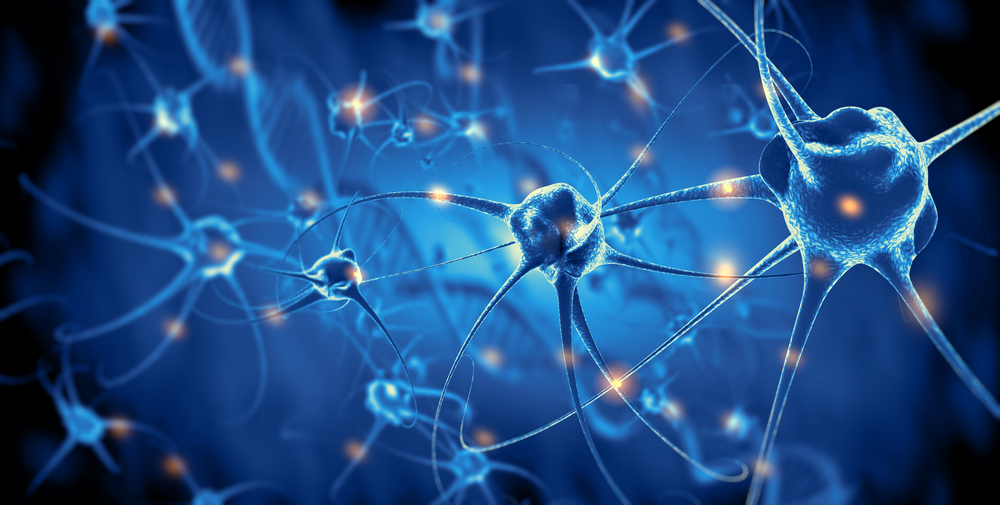
The brain is not fixed. Through neuroplasticity, it continually reorganizes itself based on experience.
Every time your nervous system moves from stress into calm through connection, new neural pathways are strengthened. Over time, the brain becomes more efficient at returning to regulation.
Conversely, repeated exposure to chronic stress without relief reinforces pathways associated with threat and survival.
This means that the people you spend time with are effectively participating in shaping your brain. Their presence, or absence, contributes to how easily you recover from stress.
While individual practices such as mindfulness and cognitive reframing are valuable, they are most effective when paired with relational support.
How to Rewire Your Brain to Deal With Stress
Rewiring your brain to better handle stress does not mean eliminating stress from your life. Stress is unavoidable. What can change is how your nervous system interprets and responds to it.
Because the brain is shaped by experience, repeated patterns of thought, behavior, and connection gradually build new neural pathways. This process, known as neuroplasticity, allows the nervous system to become more flexible over time.
Many people try to manage stress by addressing symptoms alone. They take breaks, distract themselves, or temporarily escape. While these strategies can help in the moment, they often fail to create lasting change because the underlying stress response remains intact.
Lasting change happens when the nervous system learns that stress does not automatically equal danger.
One of the most effective ways to begin this rewiring process is by changing how you relate to stressful situations. When a challenge arises, the brain often follows a familiar loop. An external trigger leads to catastrophic thoughts, which then provoke physical stress responses such as muscle tension, shallow breathing, or a racing heart. Those physical sensations reinforce the original thoughts, and the cycle continues.
Interrupting this loop requires conscious practice.
Rather than personalizing stressors or interpreting them as threats to your identity or safety, the brain can be trained to view them as problems to engage with, information to learn from, or situations that require boundaries.
Another important step is identifying behaviors that intensify stress unnecessarily. Some habits, such as compulsive overplanning, constant rumination, or repeatedly imagining worst case scenarios, keep the nervous system activated long after the stressor has passed.
Reducing or eliminating these behaviors removes fuel from the stress response.
Equally important is learning to take decisive action. When faced with stress, there are typically three options. You can work to change the situation, accept that it cannot be changed, or remove yourself from it. Clarifying which path is available helps the brain exit paralysis and regain a sense of agency.
Connection plays a critical role in this rewiring process. Processing stress with a regulated person helps the nervous system settle more quickly than trying to manage everything internally. Each time your body returns to calm through connection, it strengthens pathways associated with safety and recovery.
Over time, these repeated experiences teach the nervous system that stress can move through without becoming overwhelming. The goal is not to eliminate discomfort, but to shorten recovery time and reduce the intensity of stress reactions.

Stress, Productivity, and Modern Work Culture
Work environments often underestimate the role of co-regulation. Productivity is treated as an individual responsibility, disconnected from relational context.
In reality, leadership styles, team dynamics, and workplace culture have a direct impact on employee nervous systems.
Leaders who remain grounded under pressure can help stabilize those around them. Conversely, chronically stressed leadership can create widespread dysregulation.
This does not require constant emotional processing at work. Simple factors such as respectful communication, predictable expectations, and psychological safety contribute to regulation.
Organizations that foster healthy relational dynamics often see improvements in creativity, collaboration, and long-term performance.
A Quieter Definition of Resilience
Resilience is often portrayed as toughness or endurance. From a nervous system perspective, resilience looks different.
It is the ability to move fluidly between stress and calm. To recover after difficulty. To feel supported enough to rest.
This capacity is built not through isolation, but through relationship.
The people you spend time with are not just shaping your memories or habits. They are shaping your physiology.
In a world that often prioritizes independence, remembering our biological need for connection may be one of the most radical acts of health available.
And perhaps the most hopeful part is this: as your nervous system changes through connection, you become a source of regulation for others as well.
Healing spreads quietly, one regulated interaction at a time.