
Your cart is currently empty!
RFK Jr. Pushes To Make The U.S. The First Country To End Animal Testing

For many people, animal testing feels like one of those uncomfortable realities kept far from public view, accepted because it is tied to medicine, safety, and scientific progress. Robert F. Kennedy Jr.’s push to make the United States the first country to end animal testing is forcing that assumption into the open.
Contents
show
A Federal Reckoning on Animal Research
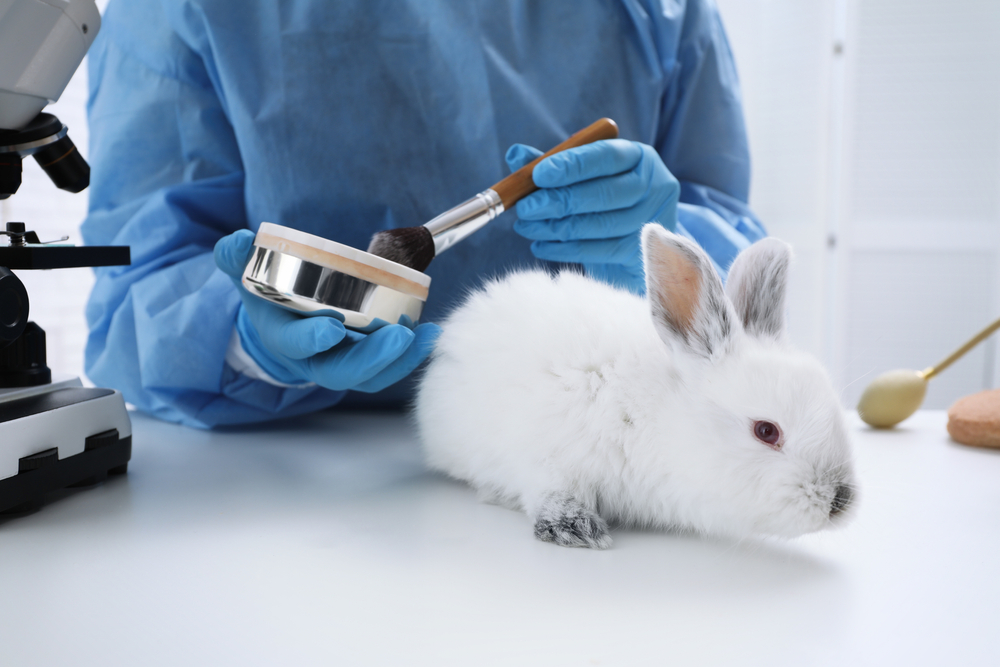
Animal testing has long been seen as a necessary part of medical progress. Mice, rats, dogs, monkeys, and other animals have been used to test drugs, study diseases, and predict whether treatments might be safe for humans. Kennedy’s push challenges that long-standing system at the highest level of U.S. health policy.
As Health and Human Services secretary, Robert F. Kennedy Jr. has backed a federal move away from animal experiments and toward research tools built around human biology. That matters because this is no longer just a campaign from animal welfare groups. It is now being discussed inside major government agencies, research institutions, and Congress.
The goal is not to shut down science. It is to ask whether better tools now exist. Scientists are already using methods such as organoids, organs on chips, human tissue models, computer simulations, and AI-based systems. These tools can study how human cells and organs respond without relying as heavily on animals.
Supporters say this could make research more humane and, in some cases, more relevant to people. Animal tests do not always predict how a drug will behave in the human body. Critics, however, warn that some areas of research still need animal models, especially when studying the brain, behavior, immune responses, and whole-body disease.
Why The Old Testing Model Is Being Questioned
The debate around animal testing is not only about compassion. It is also about accuracy.
For many families, the most important question is simple: will a treatment actually work safely in people? Animal studies can offer useful clues, but they do not always predict what happens in the human body. A drug that looks promising in mice may fail in people. A treatment that appears risky in one species may behave differently in another. That gap has frustrated scientists, patients, regulators, and drug developers for years.
This is one reason federal agencies are now paying closer attention to human-based research tools. The FDA has already laid out a roadmap to reduce animal testing in preclinical safety studies when scientifically reliable alternatives are available. NIH has also moved to prioritize human-focused research approaches, including real-world data, clinical studies, and newer lab models that use human cells or tissues.
The point is not that animal research has never helped medicine. It has. Many treatments used today were developed with some role for animal studies. But the limits are hard to ignore. Human diseases are shaped by genetics, age, environment, lifestyle, and complex body systems that cannot always be recreated in a lab animal.
Congress Is Now Being Pulled Into The Debate
Kennedy’s push has reached Congress, where lawmakers are deciding how far to go in reducing animal testing.
Unlike agency policies, laws are harder to reverse. If Congress sets limits through legislation or funding rules, the changes could shape research policy long term.
The issue is already part of budget discussions. House lawmakers have urged the NIH to improve its review of alternatives and ensure peer reviewers can properly evaluate nonanimal methods. At the same time, they acknowledged that animal models, including nonhuman primates, may still be necessary in some cases.
The debate reflects a cautious approach. Many lawmakers are not calling for an immediate end to all animal research. Instead, they are targeting unnecessary or painful experiments and studies where human-based methods may already be viable.
Proposals include restricting certain NIH-funded studies on dogs and cats unless no alternative exists, retiring lab animals, limiting specific primate research, and pushing the FDA to fully implement reforms that removed the requirement for animal testing before human trials.
Congress is now weighing whether animal testing should remain standard practice or become a last resort.
The FDA Is Where The Change Could Be Felt First
One of the biggest changes is happening at the FDA, where animal testing has long been part of the path toward human drug trials.
In April 2025, the agency announced a plan to reduce animal testing in preclinical safety studies, starting with monoclonal antibodies. These are lab-made proteins used in treatments for cancer, autoimmune disease, infections, and other serious conditions. The FDA said this area is a strong starting point because there is already enough scientific experience to compare older animal-based testing with newer tools.
The agency is not saying every animal study disappears immediately. Instead, it is encouraging drug developers to use New Approach Methodologies when they can provide reliable safety data. These include AI models, organ-on-chip systems, organoids, and other human-based tools that can help predict how a drug may behave in people.
For patients, the promise is practical. Better testing could mean safer drugs, fewer failed trials, and potentially faster access to treatments. For animals, it could mean fewer experiments that cause pain or distress when another method can answer the same question.
A Turning Point For Animals, Patients, And Science
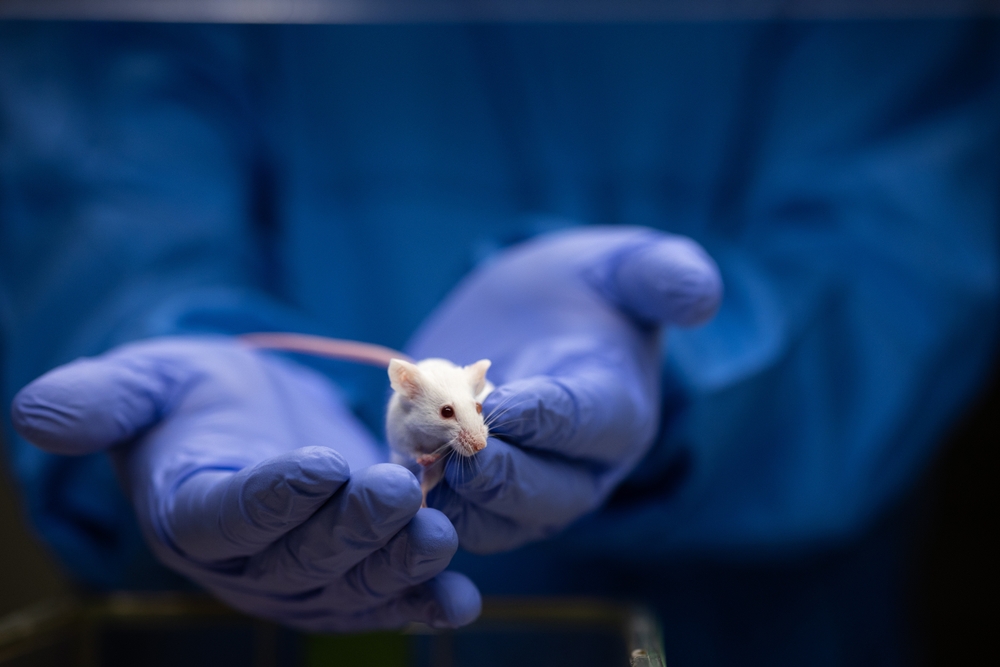
Kennedy’s push to end animal testing has opened a serious national debate about what modern science should look like. The issue is not as simple as choosing animals over patients, or patients over animals. The real challenge is building a system that protects both. When human-based tools can answer research questions more accurately and with less suffering, they deserve a stronger place in medical research.
The path forward will require more than strong statements. Regulators need clear standards, researchers need reliable funding, and drug developers need confidence that newer methods will be accepted. Some animal studies may still be needed for now, but the default is beginning to change. If the U.S. can make that shift carefully, it could help create a future where medical progress depends less on animal suffering and more on science built directly around human biology.