
Your cart is currently empty!
Scientists Discover Rare Plant That Pulls Toxic Metals From Soil And Stores Them In Its Leaves

Most plants struggle to survive in polluted ground loaded with heavy metals. A newly identified species found in the Philippines does the opposite. Hidden within the forests of Luzon, this remarkable plant absorbs massive amounts of nickel from the soil and stores it inside its leaves without suffering the toxic effects that would kill most vegetation. The discovery has drawn attention because scientists believe plants like this could help tackle one of the world’s most persistent environmental problems: contaminated land.
Contents
show
The species, known as Rinorea niccolifera, belongs to an extremely small group of plants capable of what scientists call hyperaccumulation. While thousands of plant species have been studied across the globe, only a tiny fraction can absorb extraordinary concentrations of metals and continue growing normally. The ability makes this unassuming shrub far more than a botanical curiosity. It could become an important tool in future efforts to clean polluted landscapes and recover valuable resources from the ground.
#NuevaEspecie #PlantasColombia
— Novatax_Col (@Novatax_Col) June 5, 2026
Rinorea cardenasii: una nueva especie de arbusto para la ciencia, encontrada en los bosques amazónicos de las serranías de La Lindosa y del Chiribiquete (departamentos de Caquetá y Guaviare).
Autor: Hoyos-Gómez (2025)
Familia: Violaceae pic.twitter.com/nfk2Y7UJSG
A Plant With An Ability Few Species Possess
Hyperaccumulation is one of the rarest traits found in the plant kingdom. Scientists estimate that only about 450 species worldwide possess the ability to absorb unusually high levels of nickel into their tissues. When compared with the estimated 300,000 species of vascular plants on Earth, the number is remarkably small.
Even among plants that naturally grow in metal-rich soils, the trait remains uncommon. Researchers estimate that only around 0.5 to 1 percent of species native to nickel-rich environments can accumulate the metal at extreme concentrations.
What makes Rinorea niccolifera particularly fascinating is the sheer amount of nickel it can store. While most plants contain only trace levels of the metal, this species concentrates it in its leaves and stems at levels rarely seen in nature.
The discovery adds another unique species to the short list of known nickel hyperaccumulators and highlights how much remains unknown about the biodiversity of tropical forests.
EXTRA🏷️:
— GlobalX (@GlobalXInt) June 1, 2025
• Rinorea niccolifera can store a huge amount of nickel in its leaves, way more than most plants can handle.
• It can absorb up to 18k parts per million of nickel from the soil.
• This makes it perfect for cleaning polluted soil, a process called phytoremediation. pic.twitter.com/81ZeErXvFY
The Shrub That Stores Extraordinary Amounts Of Nickel
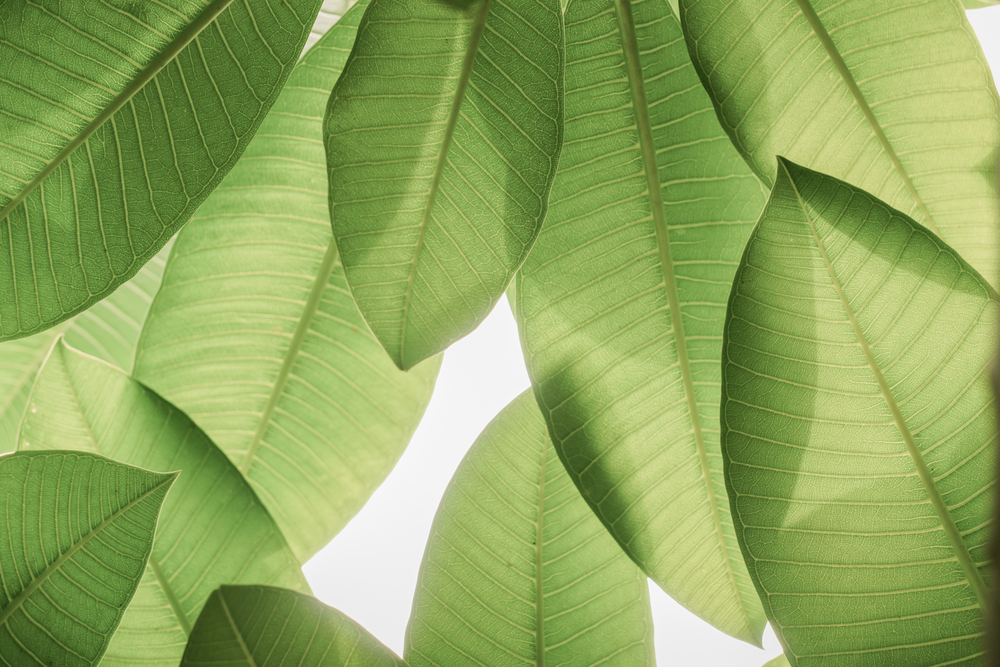
The plant grows as a shrub or small tree reaching between 1.5 and 8 meters in height. It has smooth outer bark, pale inner bark, and simple leaves arranged in distinctive rows along its branches.
Field testing revealed nickel concentrations in its leaves reaching extraordinary levels. Prof Edwino Fernando explained: “It accumulates up to 18,000 ppm of the metal in its leaves without itself being poisoned.”
He added: “Such an amount is a hundred to a thousand times higher than in most other plants.”
Additional measurements recorded nickel concentrations reaching as high as 18,388 micrograms in leaf tissue. For most living organisms, concentrations at this level would cause severe damage. Yet Rinorea niccolifera continues to grow naturally in its native habitat.
Why Scientists Are Excited About Its Potential
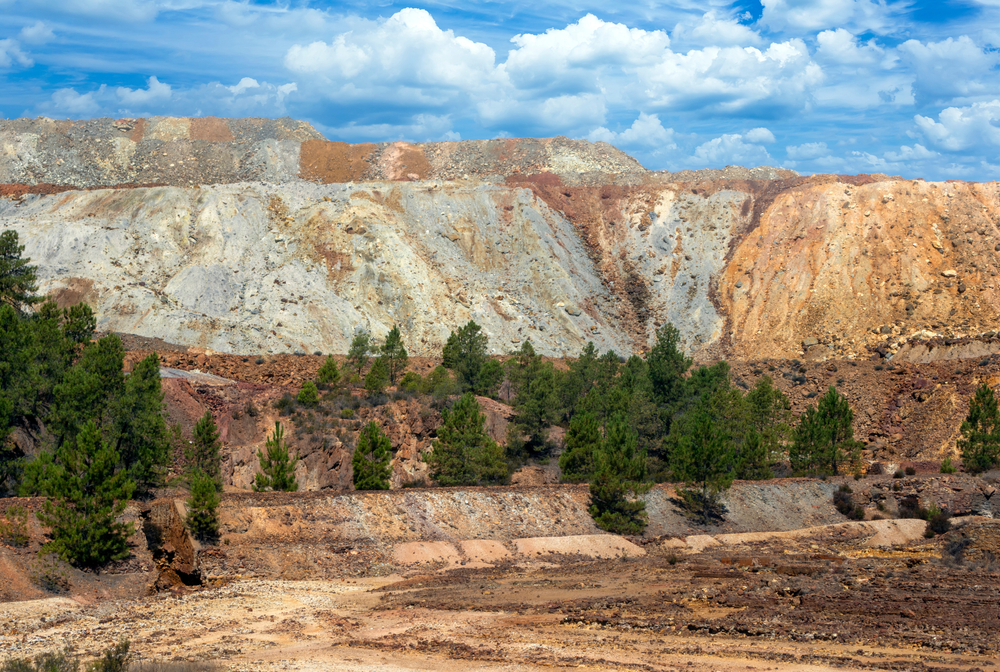
The plant’s unusual ability could have practical applications beyond scientific curiosity. Environmental contamination from mining, industrial activity, and improper waste disposal remains a challenge in many regions around the world.
Dr Augustine Doronila highlighted the broader significance of hyperaccumulator species, stating: “Hyperacccumulator plants have great potentials for the development of green technologies, for example, phytoremediation and phytomining.”
One potential use is phytoremediation, a process that uses plants to remove harmful metals from contaminated soil. Instead of relying solely on expensive engineering projects, specially adapted plants can gradually absorb pollutants through their roots and reduce contamination levels over time.
Because Rinorea niccolifera naturally accumulates nickel at such high concentrations, scientists see it as a promising candidate for future environmental cleanup efforts in areas affected by heavy metal pollution.

How Phytoremediation Could Help Polluted Landscapes
Heavy metal contamination can persist in soil for decades, making land difficult to use and creating risks for surrounding ecosystems. Conventional cleanup methods often involve excavation, transportation of contaminated material, or costly chemical treatments.
Phytoremediation offers a different approach. Plants absorb pollutants directly from the ground and store them within their tissues. Once harvested, the contaminants can be removed along with the plant material.
Potential benefits include:
- Lower environmental disruption compared with large-scale excavation
- Reduced cleanup costs in some locations
- Restoration of damaged ecosystems
- Improved soil quality over time
- A greener alternative to certain traditional remediation methods
The process is not a quick fix, but the discovery of species capable of absorbing extraordinary amounts of metal continues to expand the possibilities for this emerging field.

The Growing Interest In Phytomining
Scientists are also exploring another application known as phytomining. Rather than focusing solely on pollution cleanup, phytomining uses metal-accumulating plants to recover commercially valuable metals from the soil.
Plants are grown on metal-rich land and allowed to absorb elements such as nickel. After harvesting, the metal-rich biomass can be processed to recover the accumulated resources.
This approach has attracted interest because it could provide a less invasive alternative to some conventional mining activities. Instead of large excavations, plants perform the work of collecting metals from the ground over time.
For regions with naturally nickel-rich soils, species such as Rinorea niccolifera could play a role in future resource recovery strategies while reducing some of the environmental impacts associated with traditional extraction methods.

Found In Just One Corner Of The World
The species is currently known only from Luzon in the Philippines, where it grows on ultramafic soils rich in naturally occurring metals. It is commonly found along gullies and sloping terrain scattered with large rocks and boulders.
Its limited range makes the discovery even more significant. Many plant species with highly specialized environmental requirements face increasing pressure from habitat loss, land conversion, and resource extraction.
Every newly identified species adds another piece to the puzzle of how ecosystems function and adapt to challenging conditions. In the case of Rinorea niccolifera, that knowledge could extend far beyond botany and into the future of environmental restoration.
Deep within the forests where it evolved, this unusual shrub is quietly accomplishing something scientists are still trying to fully understand. By thriving in metal-rich soils that would overwhelm most plants, it may offer valuable clues for addressing pollution problems that continue to affect communities around the world.
Sources:
Fernando, E., Quimado, M., & Doronila, A. (2014b). Rinorea niccolifera (Violaceae), a new, nickel-hyperaccumulating species from Luzon Island, Philippines. PhytoKeys, 37(37), 1–13. https://doi.org/10.3897/phytokeys.37.7136