
Your cart is currently empty!
Scientists Found a Tiny Molecule That May Help Explain Why Our Cellular Energy Fades With Age
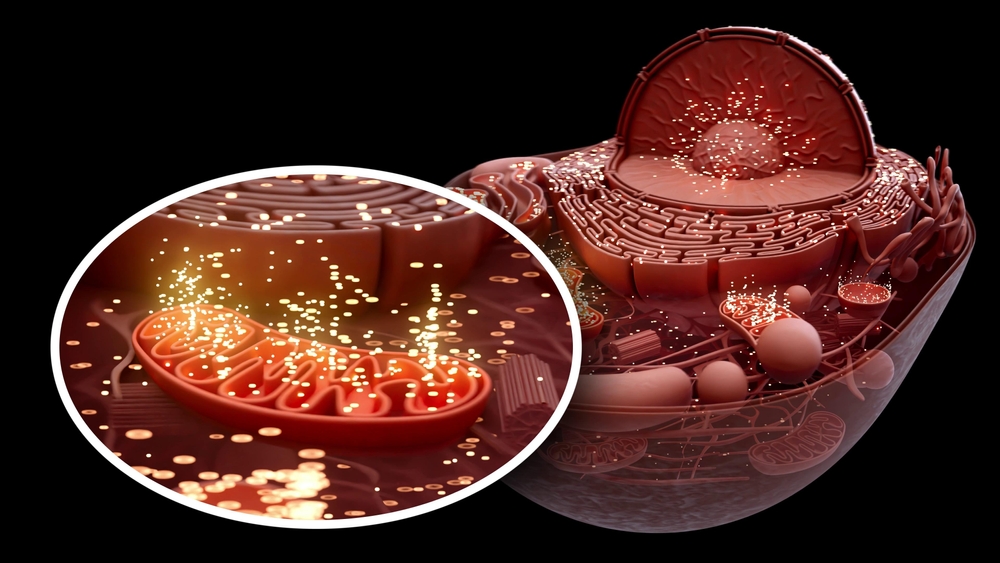
Of the thousands of proteins inside an aging worm, the three that fade fastest all belong to the same tiny biological assembly line. One production chain begins to fall quiet at almost the exact moment the animal’s ability to maintain its energy starts to weaken. That pattern caught the attention of Tetiana Poliezhaieva, a biologist at the Leibniz Institute on Aging in Jena, Germany, who had originally been searching for an answer to a different question: why do some worms live unusually long lives despite carrying mitochondria that are permanently damaged?
Contents
show
Those animals should, by conventional expectations, be frail. Instead, they survive and age in ways that suggest something else inside their cells is compensating for the loss. At the end of the molecular trail, the researchers found a single type of fat molecule that also appears to decline in humans with age. When they restored that molecule, or one of its building blocks, to aging worms, something striking happened to the tiny structures responsible for producing cellular energy.
Three Proteins Pointed to the Same Process
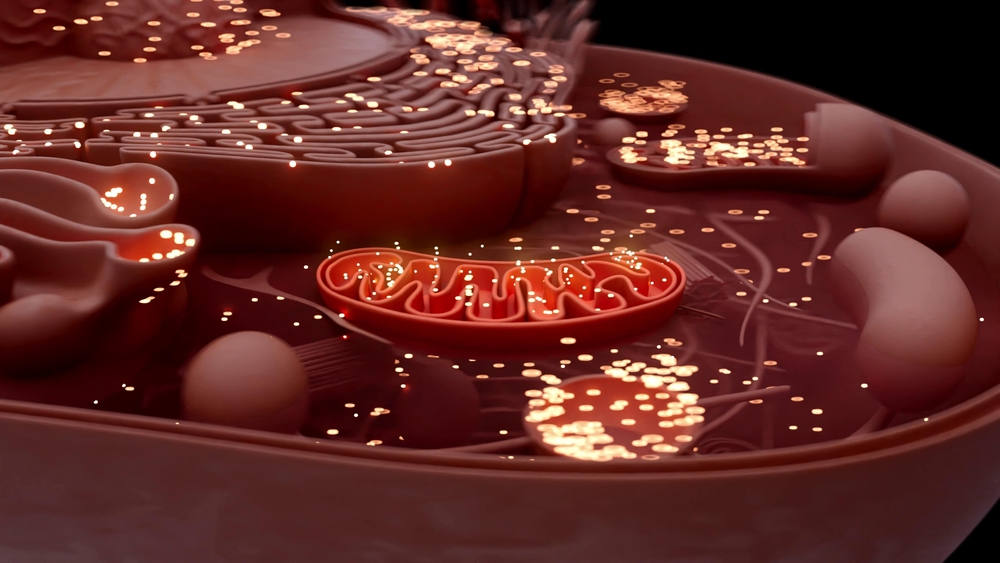
The study, published in Nature Communications in April 2026, began with a detailed examination of proteins in aging nematodes. By day 10 of adulthood, a relatively advanced age for an animal whose entire lifespan lasts only a few weeks, three proteins stood out: PMT-1, PMT-2, and SAMS-1. They were among the proteins showing the strongest decline. All three are involved in producing phosphatidylcholine, commonly known as PC, a lipid that forms an essential part of cellular membranes.
The researchers then compared ordinary worms with two long-lived mutant strains, known as clk-1(qm30) and isp-1(qm150). These animals live longer despite having impaired mitochondria, raising a fascinating question about how living systems adapt when one of their most important energy-producing structures is already under strain. Reducing the activity of the PC-producing pathway could benefit young animals with healthy mitochondria. Yet in worms whose mitochondria were already compromised, the same reduction became harmful. The findings suggested that PC production becomes increasingly important when a cell is trying to preserve function under the pressures of aging.
The Molecular Supply Chain
The pathway itself involves a sequence of connected steps. SAMS-1 supplies a methyl donor, while PMT-1 and PMT-2 help carry out the chemical reactions that eventually contribute to phosphatidylcholine production. The details are molecular, but the broader idea is surprisingly intuitive: cells need a steady supply of particular materials to maintain their internal structures. As organisms age, that supply may begin to weaken.
The researchers were therefore looking at more than three isolated proteins. They had found evidence of a system that seemed to be losing momentum. That distinction became especially important when they examined what phosphatidylcholine actually does inside a living cell.
Why Flexible Membranes Matter
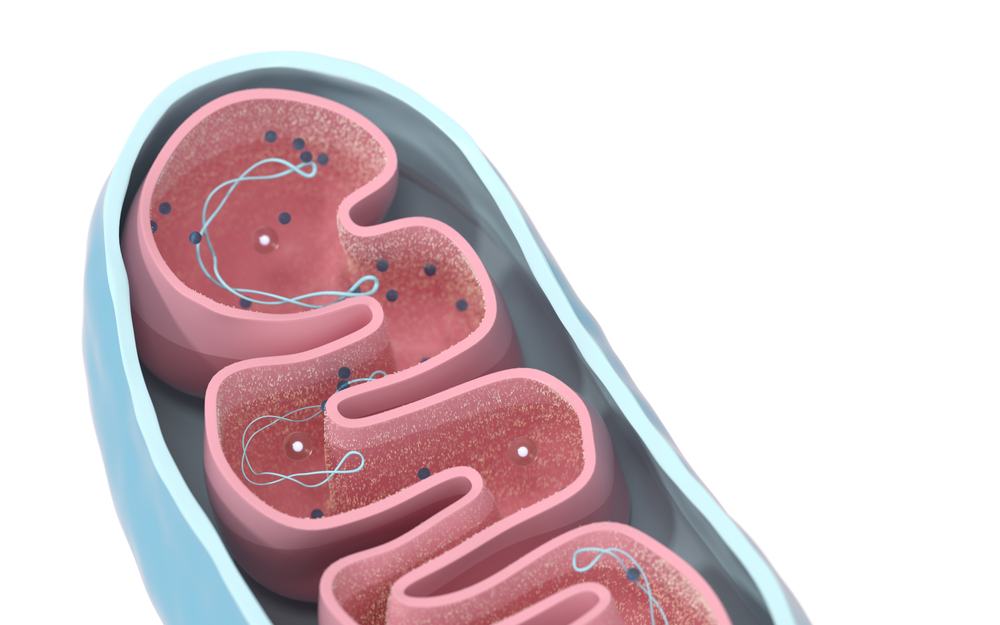
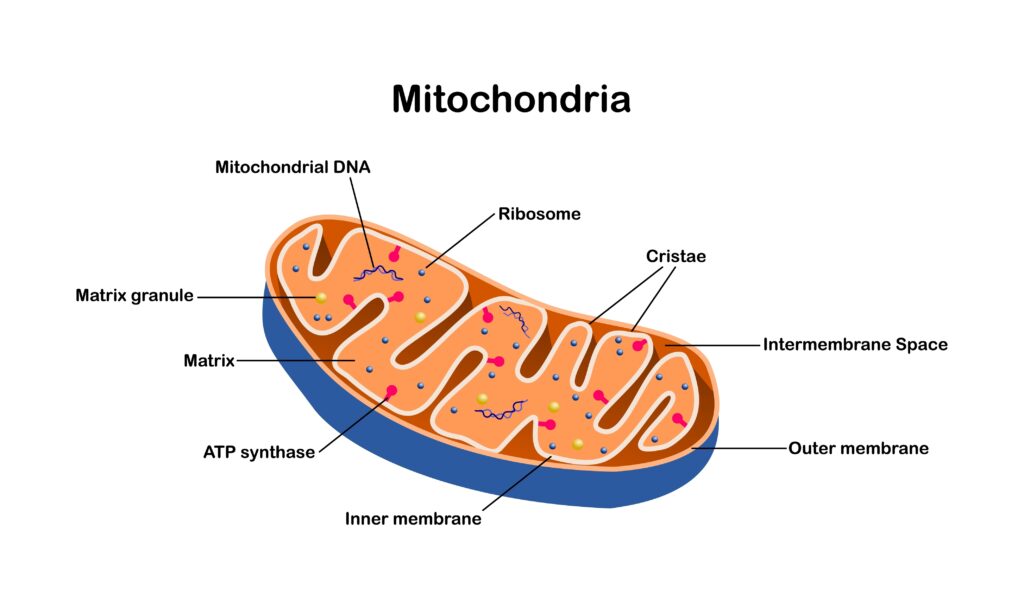
Phosphatidylcholine is one of the most abundant lipids in biological membranes, including the membranes inside human cells. These membranes cannot simply be rigid walls. They need enough flexibility to bend, merge, divide, and continuously reorganize. Mitochondria depend on that flexibility because they are not static structures sitting unchanged inside the cell. They move, separate, reconnect, and form networks that help distribute energy according to the cell’s needs.
When mitochondrial membranes lose some of their ability to function properly, those networks can begin to fragment. Maria Ermolaeva, who led the work, compared the process to a damaged power grid in which connections gradually fail and energy can no longer move efficiently through the system. The image captures something deeply familiar about aging: decline does not always arrive because every part suddenly stops working. Sometimes the connections between functioning parts become weaker, and the whole system begins to lose its resilience.
A Cellular Network Under Pressure
Mitochondrial fusion depends on membranes being able to merge. PC appears to be part of the chemistry that makes this possible. When the researchers interfered with PC production, the consequences became especially severe in animals whose mitochondria were already under stress. The findings suggest that aging may involve a gradual failure to maintain the physical conditions that allow these energy-producing structures to remain connected and functional.
That perspective also shifts the question. Instead of asking only why mitochondria become damaged with age, scientists can ask what changes inside the cell make recovery more difficult. The answer may involve the materials needed to keep mitochondrial networks flexible enough to repair and reorganize themselves.
Two Days Changed the Picture
The most striking part of the experiment came when the researchers gave aging worms phosphatidylcholine or its precursor, choline. Within two days, the mitochondria of older animals began to show a more youthful structure. The change was not limited to appearance under a microscope. Oxygen consumption also improved in older, post-reproductive worms, suggesting that mitochondrial function itself had recovered alongside the physical structure.
Poliezhaieva described the scale of the effect with surprise, saying the team had not expected the molecule to influence mitochondrial structure, connectivity, and function so strongly. Yet the researchers were careful about what the results did and did not show. The experiments demonstrated improvements in mitochondrial integrity and metabolic function. They did not demonstrate that the supplemented worms lived longer.
That distinction matters because it keeps the finding grounded. A cell can function better without an organism necessarily gaining years of life. Aging is shaped by many interconnected processes, and restoring one weakened pathway does not automatically solve all of them. Still, the experiment revealed something important: at least some age-related mitochondrial changes may be more flexible than previously assumed.
The Human Pattern Looked Familiar
Worms can reveal biological principles, but they are still worms. The researchers therefore searched for signs of the same pattern in human transcriptomic and metabolomic datasets. In humans, an enzyme called PEMT performs a role related to the pathway involving PMT-1 and PMT-2 in nematodes. Its expression appeared to trend downward with age across several human organs, with particularly notable changes in tissues where the enzyme is normally expressed at higher levels.
The human metabolomic data added another layer. Higher levels of phosphatidylcholine were associated with faster walking speed, stronger performance on a digit memory test, and fewer coexisting health conditions. These observations are correlations, not proof that increasing PC directly produces better physical or cognitive health. Many biological measurements tend to move together as people age, and a healthier person may have different PC levels for reasons that are not yet understood.
What Correlation Can Still Teach Us
Even so, there is something worth paying attention to in the repetition of the pattern. In one species, the ability to maintain PC production appears connected to healthier mitochondrial structure and function. In human datasets, PC levels also move alongside measures associated with healthier aging. The evidence does not establish a direct cause-and-effect relationship, but it gives scientists a specific biological pathway to investigate.
That is often how meaningful scientific questions begin. A clue appears in one organism, then echoes somewhere else. The next step is not to declare that the mystery has been solved. It is to find out whether the connection survives closer examination.
Menopause Revealed Another Important Clue
One of the clearest patterns in the human data appeared around menopause. Relative phosphatidylcholine levels showed their strongest decline in women around the age when menopause typically occurs, according to the researchers’ analysis. The timing is particularly interesting because menopause is also associated with major hormonal changes that can affect metabolism, energy levels, and mitochondrial function.
Two biological patterns changing around the same stage of life do not automatically explain one another. Menopause is a complex transition involving far more than a single molecule or pathway. Yet the observation gives researchers a focused lead. It raises the possibility that changes in phosphatidylcholine metabolism could be one part of a much larger biological shift occurring during midlife.
A Question That Deserves More Attention
For many people, the experience of aging is not defined by one dramatic event. Energy can change gradually. Recovery may take longer. Physical capacity can feel less predictable. Scientists are still trying to understand how hormonal changes, mitochondrial health, metabolism, inflammation, and other processes interact during these transitions.
The decline in PC observed around menopause does not provide a finished explanation. It provides a direction for future research. Understanding why these changes occur, and whether they can be safely influenced, could eventually help build a more detailed picture of how the body adapts through different stages of life.
Human Cells Faced a Different Test
The final experiments moved beyond worms and into human skin fibroblasts grown in the laboratory. The researchers stressed these cells with high doses of metformin, a diabetes medication that can place significant strain on mitochondrial function under experimental conditions. They then examined whether choline or phosphatidylcholine could help the cells withstand that stress.
Choline helped protect the cells from dying and from losing mitochondrial membrane potential, an electrical property associated with functioning mitochondria. The strongest protective effect appeared when choline and PC were used together. According to the study’s summary, boosting this pathway restored aspects of late-life mitochondrial integrity in aging nematodes and improved metabolic resilience in human cell culture experiments.
Those results create an interesting bridge between species, but the bridge is still incomplete. Cells growing in a laboratory dish do not experience the complexity of a human body. They do not have the same digestive system, immune system, hormonal environment, or decades of accumulated biological change.
What We Know and What We Still Do Not
No human clinical trial has yet shown that taking phosphatidylcholine or choline reverses mitochondrial aging. The dramatic structural changes described in this research occurred in nematodes, while the human experiments involved isolated cells under laboratory conditions. The authors themselves point out that the way these compounds are processed in the human body is likely to be far more complex than in laboratory worms.
That complexity includes the human gut microbiome, which contains an enormous and diverse community of microorganisms capable of influencing how nutrients and compounds are metabolized. A laboratory C. elegans model operates under much simpler conditions. A result that appears straightforward in a worm may follow a very different path through the human digestive and metabolic system.
Why Caution Still Matters
Choline supplements have been available for years, yet their widespread use has not produced an obvious population-wide transformation in health or longevity. That observation fits a more realistic interpretation of the new findings. Declining PC production may be one contributor to mitochondrial aging, rather than a single master switch controlling the entire process.
For that reason, the study should not be treated as a reason to change medication or begin taking supplements without professional guidance. People considering choline or phosphatidylcholine for health reasons should discuss their individual circumstances with a qualified healthcare professional who understands their medical history and current treatments.
Restocking a Cellular Supply Line
What this research offers is a possible target for understanding aging more precisely. The researchers argue that identifying the natural processes driving mitochondrial decline may reveal opportunities to restore aspects of cellular health later in life. In their experiments, PC synthesis appeared to be one such process. It could be influenced in aging worms, and related effects could be observed in human cells.
That brings the story back to those three proteins that were quietly fading as the worms grew old. Their decline did not necessarily represent machinery that had become permanently impossible to repair. It looked more like a supply line beginning to run low. In the worms, restoring part of that supply helped mitochondrial networks regain some of their structure and function.
Ermolaeva said the work suggests that mitochondrial aging and broader systemic aging may be modifiable, at least in part, if researchers can better understand the processes beneath them. The most compelling idea here is not that science has found a shortcut around aging. It is that some of the changes we once assumed were simply the unavoidable passage of time may turn out to be biological problems with specific causes, specific mechanisms, and perhaps, one day, specific ways to address them.
Sources:
- Poliezhaieva, T., Li, Y., Chaudhari, P. S., Isildak, U., Alonso-Pernas, P., Valentim, I. S., Su, F., Espada, L., Bayar, M., Fu, L., Koeberle, A., Dönertaş, H. M., & Ermolaeva, M. A. (2026). Aging-associated decline of phosphatidylcholine synthesis is a malleable trigger of natural mitochondrial aging. Nature Communications, 17(1). https://doi.org/10.1038/s41467-026-71508-7
- Scientists discover a hidden cause of aging cells that can be reversed. (2026, June 26). ScienceDaily. https://www.sciencedaily.com/releases/2026/06/260610003119.htm