
Your cart is currently empty!
Scientists Finally Reveal What Really Killed A Powerful Medici Ruler

For more than four centuries, one of Renaissance Europe’s most notorious mysteries has refused to fade away. A powerful ruler dies after days of agony. His wife follows him to the grave within hours. A rival brother inherits the throne. The accusations of murder begin almost immediately.
Contents
show
Now, a team of scientists believes the story that captivated historians for generations may have been built on the wrong assumption. Instead of poison, they say the true killer was one of humanity’s oldest and deadliest diseases.
A Death That Changed the Course of Tuscany
The House of Medici stood at the center of political power, banking, and artistic patronage during the Renaissance. Between the fifteenth and eighteenth centuries, the family shaped Florence into one of Europe’s greatest cultural capitals while influencing politics far beyond Italy.
Among its rulers was Grand Duke Francesco I de’ Medici, who governed Tuscany during a period marked by scientific curiosity, political rivalry, and family intrigue.
In October 1587, Francesco and his second wife, Bianca Cappello, were staying at the Medici villa in Poggio a Caiano.
Within days, both became seriously ill. Historical accounts describe prolonged suffering, repeated fever attacks, weakness, and worsening health before Francesco died. Bianca passed away less than a day later.
The timing alone fueled suspicion.
The deaths appeared too convenient for Francesco’s younger brother, Cardinal Ferdinando de’ Medici, who stood next in line to inherit the Grand Duchy. Rumors spread quickly that the couple had been deliberately poisoned with arsenic, allowing Ferdinando to secure power before Francesco’s illegitimate son, Antonio, could become a political obstacle.
A Dynasty Already Surrounded by Suspicion
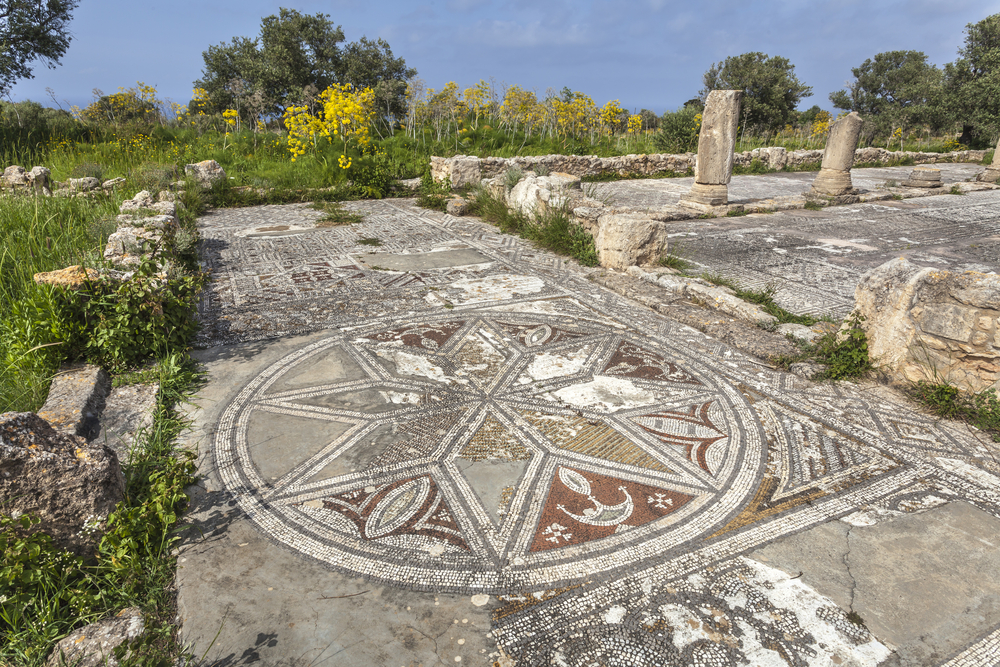
The Medici family was no stranger to political violence.
Across generations, rival factions, succession disputes, and assassination attempts became woven into the family’s history. Stories of betrayal circulated throughout Renaissance Italy, making fresh accusations of murder seem believable to contemporaries.
Ferdinando’s visit to Francesco shortly before the illness only strengthened public suspicion.
Although there was never conclusive proof that poison had been used, the theory remained popular for centuries. Writers, historians, and documentaries often repeated the possibility that one of Italy’s most famous ruling families had once again turned against itself.
The mystery survived because it seemed to fit the Medici reputation perfectly.
Yet another explanation had always existed.
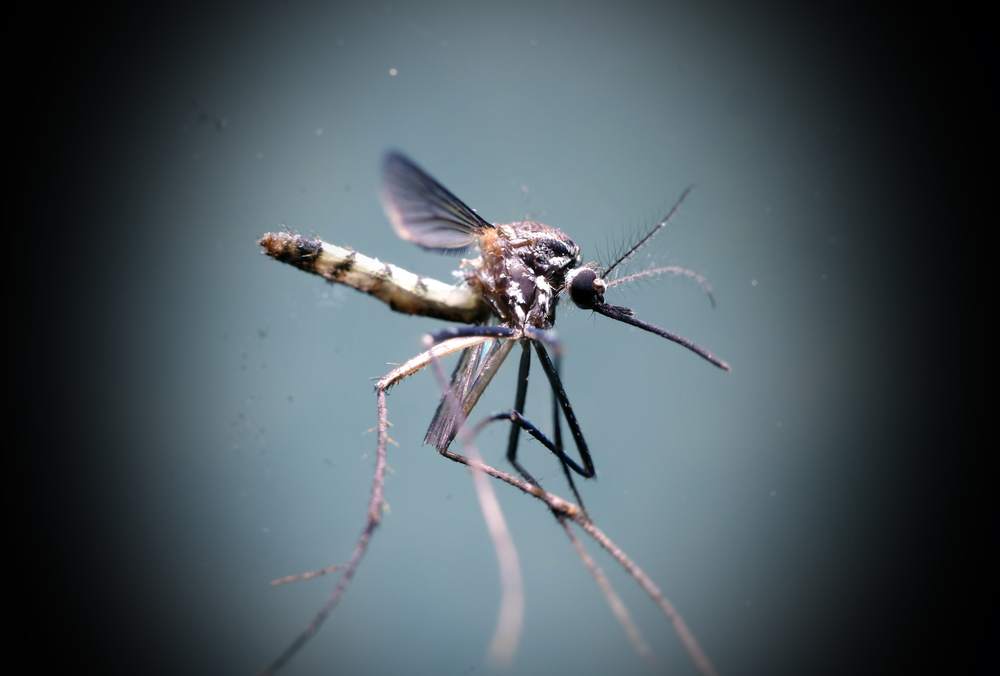
The villa where Francesco and Bianca stayed was surrounded by marshland and rice fields, creating ideal breeding grounds for mosquitoes carrying malaria. Physicians at the time recorded symptoms that matched the disease, including intermittent fever, chills, and periods of temporary recovery before another wave of illness struck.
The Scientific Debate Refused to End

Modern researchers have revisited the case several times over the past two decades.
When archaeologists opened dozens of Medici tombs in 2004 as part of the Medici Project, they hoped modern science could finally answer questions that history had left unresolved.
Early studies appeared to support malaria.
Researchers detected biological evidence suggesting infection, reinforcing what Renaissance physicians had originally believed. However, another investigation reached a very different conclusion after toxicological testing reportedly found evidence consistent with arsenic poisoning.
Instead of ending the argument, scientific research made it even more complicated.
Two competing explanations now existed.
One side argued that disease had killed Francesco.
The other insisted murder remained the most convincing explanation.
For years, neither theory managed to silence the other because each relied on different scientific methods with different limitations.
Ancient DNA Offers a New Way to Look at History

Recent advances in genetic science allowed researchers to revisit evidence that earlier generations of scientists simply could not examine.
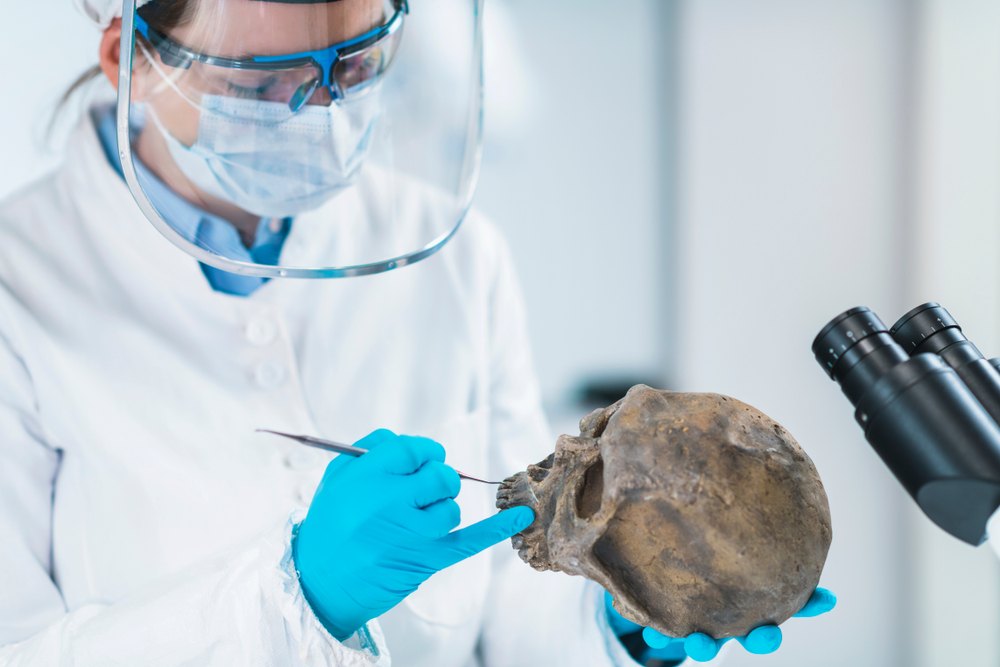
A team led by researchers from Yale University and the University of Pisa extracted ancient DNA preserved inside small bone samples collected when the Medici tombs were first opened.
Unlike earlier methods that searched for proteins or immune markers, DNA analysis looks directly for the genetic fingerprints left behind by infectious organisms.
According to Professor Valentina Giuffra from the University of Pisa, previous testing suggested malaria but could never fully convince skeptics because the evidence was indirect.
DNA changed that.
Researchers identified genetic material belonging to Plasmodium parasites inside Francesco’s rib bones. These microscopic organisms are responsible for malaria, one of the deadliest infectious diseases in human history.
Giuffra said the findings finally answered the question with a much greater level of confidence because the researchers were detecting the parasite itself rather than indirect signs of infection.
An Even More Surprising Discovery
The investigation revealed something researchers were not necessarily expecting.
Francesco had not been infected with just one malaria parasite.
Scientists detected evidence of two different species.
One was Plasmodium falciparum, responsible for the deadliest form of malaria today. The second was Plasmodium malariae, another parasite capable of causing repeated fever episodes over long periods.
The discovery suggests Francesco may have suffered a dual infection, potentially making his illness even more severe.
Researchers also analyzed remains belonging to Francesco’s younger brother Giovanni, who died decades earlier after traveling through coastal Tuscany.
His bones also contained malaria DNA.
Even more interesting, scientists identified what appears to be a previously undocumented strain of Plasmodium falciparum, offering researchers valuable insight into how malaria evolved across Renaissance Europe.
While solving a centuries-old mystery captures public attention, the scientific value extends much further.
Ancient DNA allows researchers to reconstruct how dangerous diseases spread across historical populations, helping scientists understand how pathogens adapted over hundreds of years.
Malaria Was Once One of Italy’s Greatest Killers
Today, many people associate malaria with tropical regions, but that was not always the case.
Large parts of Italy were once heavily affected by the disease.
Marshes, wetlands, and poorly drained farmland created ideal conditions for mosquitoes that carried the parasite. Entire communities experienced seasonal outbreaks, particularly during warmer months.
The very word “malaria” traces its roots to medieval Italian. It comes from the phrase “mal aria,” meaning “bad air.” Before mosquitoes were identified as carriers, many believed foul-smelling swamp air caused the illness.
Historical medical records describing Francesco’s final days align closely with malaria symptoms.
Court physicians documented recurring fever attacks and treatments such as bloodletting, which physicians of the period believed could restore health. Modern medicine now recognizes that bloodletting would likely have weakened an already critically ill patient even further.
According to the World Health Organization, malaria continues to claim hundreds of thousands of lives each year despite enormous advances in prevention and treatment.
That broader context helps explain why researchers considered malaria a plausible explanation long before DNA technology finally caught up with the mystery.
Not Everyone Believes the Mystery Is Fully Solved

Despite the strength of the new genetic evidence, some historians and medical researchers remain cautious about declaring the case closed.
The main reason is simple. Finding evidence of malaria does not automatically prove it was the only factor that caused Francesco’s death.
Alexander Ochoa, the study’s first author from Yale University, acknowledged that possibility. While the DNA evidence strongly supports malaria, he noted that it cannot completely exclude the chance that poisoning also occurred.
His colleague Adalgisa Caccone reached a similar conclusion.
Researchers can confidently say Francesco carried malaria parasites. They cannot say with complete certainty that someone did not also administer poison. If both happened, modern science may never be able to distinguish which ultimately caused his death.
The Arsenic Theory Refuses to Disappear
One of the strongest supporters of the poisoning theory remains Donatella Lippi, a professor of the history of medicine at the University of Florence.
Lippi coauthored a 2006 study that argued arsenic poisoning better explained Francesco’s final days.
She points to historical records describing symptoms such as skin eruptions, swelling, and severe pain. According to her interpretation, these signs are compatible with acute arsenic poisoning.
She also argues that Francesco’s body appeared unusually well preserved centuries after his death, something arsenic exposure has occasionally been linked to.
In her view, malaria and poisoning are not mutually exclusive.
Francesco may have contracted malaria during his travels, but someone could still have exploited his weakened condition by administering poison.
That possibility continues to intrigue historians because it preserves the dramatic political narrative surrounding the Medici succession.

Researchers Say the Historical Context Tells a Different Story
Members of the Yale and Pisa research team believe the broader historical record supports disease more strongly than murder.
Court physicians documented recurring fevers that matched malaria long before anyone suspected poisoning.
The Medici family also frequently visited hunting estates and villas surrounded by marshes where mosquito populations were abundant.
Historical records even show that court doctors advised certain family members to avoid traveling through these regions during autumn because malaria infections were especially common.
Those warnings often went unheeded.
Within days of returning from these journeys, several members of the Medici family developed similar symptoms.
Francesco was not the only victim.
His younger brother Giovanni also tested positive for malaria DNA after dying following travel through Tuscany’s coastal wetlands decades earlier. Earlier generations of the Medici family had suffered comparable illnesses under similar circumstances.
Taken together, researchers argue these repeated patterns make widespread malaria exposure far more believable than multiple carefully planned assassinations spread across decades.
Ancient DNA Is Transforming Historical Investigations

The Medici study demonstrates how rapidly ancient DNA research has evolved.
Only a generation ago, scientists relied mainly on written records, preserved tissues, and visible damage to bones when investigating historical deaths.
Today, microscopic fragments of DNA can reveal details that historians never imagined possible.
Recovering genetic material from remains more than 400 years old is an enormous technical challenge. DNA naturally breaks apart over time, while archaeological remains are vulnerable to contamination from soil, bacteria, and centuries of handling.
Even with these obstacles, modern laboratory techniques can identify traces of pathogens that once infected historical individuals.
That capability is reshaping fields ranging from archaeology and anthropology to epidemiology.
Instead of relying entirely on historical accounts that may contain bias, exaggeration, or political motives, researchers can compare written records with biological evidence preserved inside the skeleton itself.
The Discovery Could Help Modern Disease Research
Although the headlines have focused on solving a Renaissance mystery, researchers say the broader scientific value may be even greater.
The team identified a previously unknown genetic strain of Plasmodium falciparum in Giovanni de’ Medici’s remains.
Studying ancient versions of malaria helps scientists reconstruct how the parasite changed over centuries as it spread through different regions.
Understanding those evolutionary changes may improve future research into how malaria adapts, survives, and develops resistance.
Malaria remains one of the world’s deadliest infectious diseases despite decades of public health efforts.
According to the World Health Organization, hundreds of thousands of people still die from malaria every year, while millions more become infected across dozens of countries.
Ancient DNA provides another piece of that much larger puzzle by showing how the disease behaved long before modern medicine existed.

A Family Whose History Often Blurred Fact and Legend
The Medici dynasty has inspired countless books, documentaries, television dramas, and historical debates.
Their wealth financed masterpieces by artists such as Michelangelo, Botticelli, and Leonardo da Vinci. Their political influence reached across Europe through banking, diplomacy, and royal marriages.
Yet the family also became synonymous with conspiracy theories, secret alliances, suspicious deaths, and fierce power struggles.
That reputation explains why the poisoning story proved so difficult to abandon.
A murder committed for political gain fits comfortably alongside many other dramatic episodes associated with Renaissance Italy.
Disease, by comparison, seems almost ordinary.
History, however, often turns out to be less theatrical than legend. The most convincing explanation is not always the most exciting one.
Science May Never Erase Every Doubt
Even with powerful DNA evidence, some uncertainty will probably remain.
Independent experts have praised the study while emphasizing that no single piece of evidence should be interpreted in isolation. Archaeological findings, historical records, pathology, and toxicology all contribute to reconstructing events that happened centuries ago.
Professor David Caramelli of the University of Florence described the research as an important advance while cautioning that detecting pathogen DNA alone does not automatically establish the exact cause of death.
That careful approach reflects the nature of historical science.
Researchers rarely claim absolute certainty when working with evidence that has survived for hundreds of years.
Instead, each new discovery narrows the range of possibilities.
In the Medici case, the latest research significantly shifts the balance toward malaria while leaving only a small window for alternative explanations.
For more than 400 years, the deaths of Francesco I de’ Medici and Bianca Cappello fueled stories of betrayal, ambition, and murder inside one of Europe’s most powerful dynasties. Thanks to advances in ancient DNA analysis, that centuries-old mystery now appears far closer to an answer than ever before.
Whether every historian accepts the conclusion or not, the investigation demonstrates how modern genetics is transforming our understanding of the past. Sometimes the greatest breakthrough is not uncovering a forgotten treasure or a hidden document. It is finding microscopic traces of evidence that survived long enough to let history tell its own story.