
Your cart is currently empty!
Sydney Towle Death Brings Attention To Rare Bile Duct Cancer Symptoms

Sydney Towle spent nearly three years showing the world what life with a rare and aggressive cancer really looked like. Millions of people watched her celebrate milestones, share difficult hospital updates, walk fashion runways, and continue chasing experiences that many assumed would be impossible after such a devastating diagnosis.
Contents
show
Now, following her death at the age of 26, many of those same followers are asking a different question: what exactly is bile duct cancer, and why did it affect someone so young?
Towle’s journey brought unusual attention to a disease that most people have never heard of until someone they know is diagnosed. While cholangiocarcinoma most commonly affects adults over the age of 50, her experience highlighted that rare cancers can sometimes develop in younger people, often with symptoms that may not initially seem alarming.
Towle was just 23 years old when she was diagnosed with cholangiocarcinoma, also known as bile duct cancer. Before her diagnosis, she had recently graduated from Dartmouth College and was building a career while enjoying life in Los Angeles.
According to interviews she gave during her treatment, she first sought medical attention after noticing a prominent bulge in her abdomen along with a burning sensation. The diagnosis that followed changed the course of her life.
Instead of stepping away from social media, Towle made the unusual decision to document nearly every stage of her treatment. Her TikTok account eventually attracted more than one million followers, while her Instagram posts reached hundreds of thousands more.
She openly discussed surgeries, chemotherapy, clinical trials, painful setbacks, and the emotional reality of living with an illness that few people her age ever expect to face.
Her content also challenged assumptions about what cancer patients should look like. One day she might be connected to medical equipment inside a hospital. Days later she could be traveling, dancing with friends, or sharing fashion videos.
She often explained that living with cancer did not erase the parts of life that still brought her happiness.
Speaking about the messages she received from followers, Towle told PEOPLE, “What’s really kept me going is the people who message me or even come up to me and say, ‘You’ve helped me so much.’ Just knowing that being vulnerable and real about cancer is making a difference, that’s been huge for me.”
Her Final Months Drew Attention to the Reality of Advanced Cancer

Towle continued searching for treatment options even after learning that her disease had progressed.
Earlier this year, she shared that her cancer had spread to the peritoneum, the membrane lining the abdomen and pelvis. She later described an emotional meeting with one of her doctors, who recommended hospice and end-of-life care rather than continuing treatment.
The recommendation came as a shock.
“We had never been told that that was the path that we were going towards,” Towle told PEOPLE. “No one had ever mentioned hospice or end-of-life care.”
Rather than immediately accepting that recommendation, she sought another specialist and hoped to continue participating in a clinical trial involving tumor-infiltrating lymphocyte therapy.
Even during that period, she continued creating content focused on living fully.
One of her most celebrated moments came when she walked the runway during Miami Swim Week, modeling swimwear designed for people whose bodies had been changed by cancer treatment.
She spoke honestly about the surgical pump implanted in her abdomen and the scars that had once made her self-conscious.
“Being able to walk for a swimwear brand that is empowering women to embrace those scars is so empowering,” she said before the event.
Her health gradually declined over the following weeks.
Her brother Austin announced that she had entered hospice care surrounded by family and close friends. Shortly afterward, her family confirmed that Sydney Towle had died following an almost three-year battle with metastatic cholangiocarcinoma.
What Is Bile Duct Cancer?
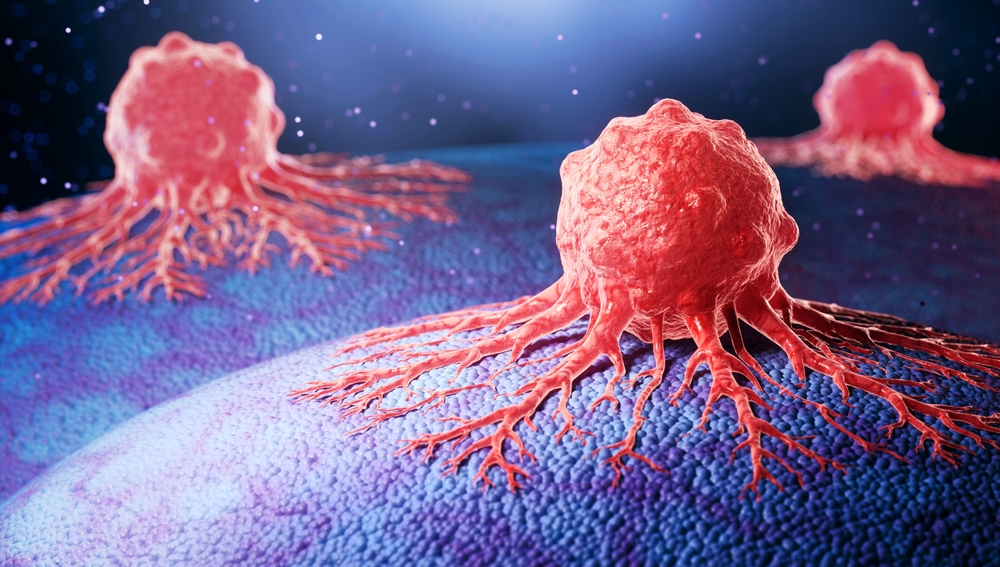
Cholangiocarcinoma develops inside the bile ducts, which are thin tubes responsible for carrying bile from the liver to the gallbladder and small intestine.
Bile plays an important role in digestion by helping the body break down fats.
Doctors classify bile duct cancer according to where it begins.
Some tumors develop inside the liver, while others form just outside it or closer to the small intestine. Although these locations differ, they all involve the same network of bile ducts responsible for transporting bile through the digestive system.
One of the biggest challenges with cholangiocarcinoma is that it often develops quietly.
The disease frequently remains undetected until it has reached an advanced stage, making treatment significantly more difficult.
Because early symptoms can resemble many other digestive conditions, diagnosis is often delayed.
This is one reason specialists encourage people to seek medical evaluation if symptoms persist rather than assuming they are minor digestive problems.
Why Sydney Towle’s Diagnosis Was So Unusual
Towle repeatedly emphasized that she did not fit the typical profile for bile duct cancer.
According to the Mayo Clinic, cholangiocarcinoma most often affects adults over the age of 50.
Doctors also recognize several conditions that may increase the risk of developing the disease.
These include chronic liver disease, primary sclerosing cholangitis, certain congenital bile duct abnormalities, liver fluke infections in some parts of Southeast Asia, diabetes, smoking, and several inherited genetic conditions.
Even so, many people diagnosed with bile duct cancer do not have every known risk factor.
Towle said she had none of the demographic characteristics doctors usually associate with the disease, making her diagnosis especially unexpected.
Her experience illustrates that while age remains an important risk factor, it does not completely eliminate the possibility of younger adults developing the condition.
Cases like hers remain uncommon, but they remind both patients and healthcare professionals to investigate persistent symptoms carefully, regardless of age.
Symptoms That Can Signal Bile Duct Cancer

The symptoms of bile duct cancer vary depending on where the tumor develops and how advanced it has become.
Some people experience only one or two warning signs, while others notice several symptoms appearing together.
According to the Mayo Clinic, symptoms may include:
- Yellowing of the skin and eyes, known as jaundice.
- Persistent itching.
- White or pale-colored stools.
- Dark urine.
- Fatigue that does not improve with rest.
- Pain on the right side of the abdomen beneath the ribs.
- Unexplained weight loss.
- Fever.
- Night sweats.
Not everyone with these symptoms has bile duct cancer.
Many of these signs can result from gallstones, infections, liver disease, or other digestive conditions.
However, medical experts recommend seeking evaluation when symptoms continue, worsen, or occur together, especially jaundice, unexplained weight loss, or persistent abdominal pain.
Towle herself first noticed physical changes in her abdomen before receiving her diagnosis.
Her willingness to speak openly about those early warning signs has prompted many followers to learn more about symptoms they previously knew little about.
Why Early Diagnosis Can Be Difficult
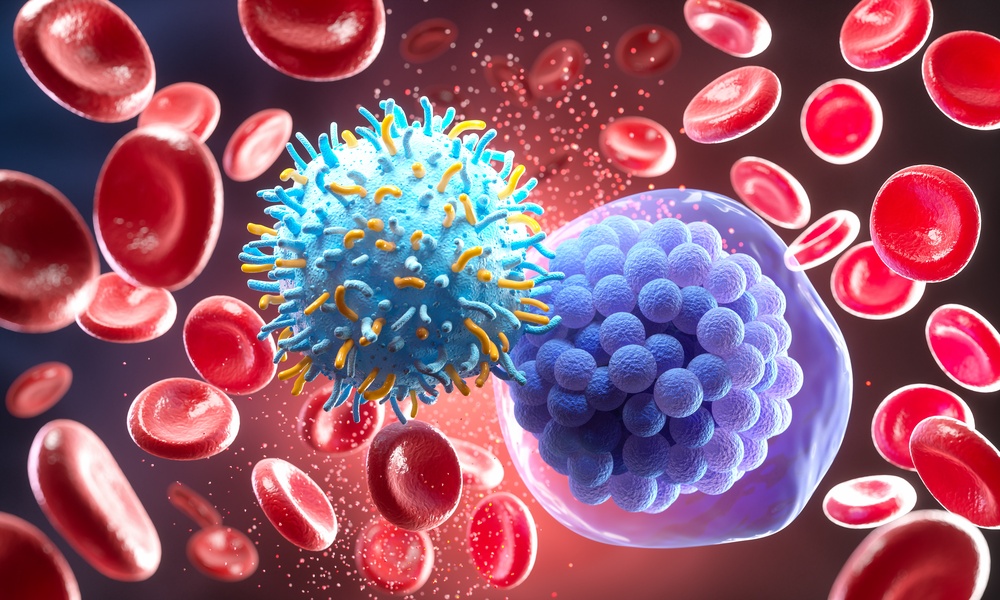
Unlike cancers that may produce obvious symptoms early, cholangiocarcinoma often develops gradually.
Small tumors inside the bile ducts may not immediately block the normal flow of bile.
As a result, people can feel relatively well during the earliest stages of disease.
Symptoms frequently become more noticeable only after tumors enlarge or spread.
Even then, fatigue, abdominal discomfort, and weight loss can easily be mistaken for far more common illnesses.
Imaging scans, blood tests, biopsies, and specialized procedures are often required before doctors can confirm the diagnosis.
Because the disease is uncommon, particularly among younger adults, it may not be one of the first possibilities considered during an initial medical evaluation.
That reality makes awareness especially important.
Recognizing symptoms early cannot prevent every diagnosis, but it may encourage people to seek medical attention before disease progression limits treatment options.
Living Fully While Living With Cancer

Towle’s online presence was never solely about illness.
She shared travel videos, fashion content, celebrations with friends, and ordinary moments that reminded viewers cancer does not erase someone’s identity.
In one memorable post, she encouraged followers to appreciate life despite difficult circumstances.
“Go get a pint of Ben and Jerry’s, watch your favorite movie, remember that life is good and bad things happen sometimes but that doesn’t make it a bad life.”
She also spoke candidly about challenges many young adults with cancer experience but rarely discuss publicly.
Dating became difficult.
Friendships evolved.
Career plans changed.
Hospital appointments often replaced the milestones many people in their twenties expect to enjoy.
Still, she consistently encouraged honesty rather than pretending everything was fine.
Her brother later reflected on that approach, saying she wanted people to understand that “it’s OK not to be OK.”
That openness helped many followers feel less isolated during their own medical journeys.
A Legacy That Reaches Beyond Social Media

Towle’s family said she wanted to raise awareness about rare cancers while encouraging patients to advocate for themselves throughout treatment.
Health organizations also praised her willingness to educate the public about a disease that receives far less attention than many other forms of cancer.
Her story demonstrated that awareness is not simply about statistics or medical terminology.
It is also about helping people recognize symptoms, encouraging conversations with healthcare providers, and reminding patients that asking questions about their treatment remains an important part of care.
Following the announcement of her death, thousands of messages appeared across her social media accounts from people who said her honesty had changed how they viewed serious illness.
Some had cancer themselves.
Others had supported loved ones through treatment.
Many simply thanked her for showing that joy and hardship can exist together.
Sydney Towle spent nearly three years documenting one of the hardest chapters of her life. In doing so, she introduced millions of people to a rare disease they might otherwise never have learned about. Her story leaves behind more than memories of resilience. It also leaves greater awareness of bile duct cancer, its warning signs, and the importance of seeking medical attention when persistent symptoms should not be ignored.
How Bile Duct Cancer Is Diagnosed And Treated

Because bile duct cancer often causes symptoms that overlap with more common digestive problems, diagnosing it usually requires several tests rather than a single examination.
Doctors typically begin by reviewing a patient’s symptoms and medical history before ordering blood tests to look for signs of liver dysfunction or bile duct blockage. Imaging tests such as ultrasound, CT scans, or MRI scans help identify abnormalities in the liver and bile ducts. In some cases, specialists may perform procedures that allow them to examine the bile ducts more closely or collect tissue samples to confirm whether cancer is present.
One of the greatest challenges with cholangiocarcinoma is that it is frequently discovered after it has already spread. According to the Mayo Clinic, this makes successful treatment more difficult than it would be if the disease were detected earlier.
Treatment depends on several factors, including where the cancer began, whether it has spread, and a patient’s overall health.
For people whose cancer is discovered at an early stage, surgery may offer the best chance of removing the tumor. Depending on its location, surgeons may remove part of the liver, sections of the bile duct, the gallbladder, or nearby lymph nodes.
When surgery is not possible, doctors may recommend chemotherapy, radiation therapy, targeted therapies, immunotherapy, or participation in clinical trials. Many patients receive a combination of treatments aimed at slowing the disease, relieving symptoms, and improving quality of life.
Towle experienced many of these approaches during her own treatment. Over nearly three years, she underwent multiple surgeries, several forms of chemotherapy, and participated in clinical trials as she continued searching for new treatment options.
The Importance Of Self-Advocacy During Serious Illness
One message appeared repeatedly throughout Towle’s videos: patients should feel empowered to ask questions and seek additional opinions when facing difficult medical decisions.
That became especially clear after she revealed that one of her oncologists recommended ending active treatment and beginning hospice care. The conversation came as a shock to both Towle and her mother because they believed they were meeting to discuss the next stage of treatment.
Instead of immediately accepting that recommendation, Towle sought another specialist so she could continue pursuing a clinical trial involving tumor-infiltrating lymphocyte therapy.
While every patient’s medical situation is different, experts often encourage people with complex or rare diseases to seek second opinions when appropriate. Different hospitals may have access to specialized treatments, research studies, or clinical trials that are unavailable elsewhere.
Towle never suggested that every patient should reject difficult medical advice. Rather, she emphasized understanding every available option before making life-changing decisions.
Her willingness to speak openly about those conversations helped many followers better understand the realities of navigating a rare cancer diagnosis.

Her Story Changed The Conversation Around Young Adults With Cancer
Cancer is often portrayed through a narrow lens, particularly on social media, where serious illness is frequently reduced to statistics or fundraising campaigns.
Towle showed something different.
She documented hospital stays alongside vacations, chemotherapy appointments alongside fashion content, and emotional setbacks alongside joyful celebrations with friends. Her videos illustrated that people living with cancer continue to experience ordinary moments, ambitions, and personal milestones even while undergoing treatment.
She also spoke honestly about subjects that many young adults facing cancer struggle to discuss, including dating, friendships, career plans, financial uncertainty, and the emotional challenge of watching peers move through life while everything around them seems to pause.
In one video highlighted after her death, she reflected on the awkwardness of trying to date while receiving treatment.
“How do you make small talk about what you’ve been up to,” she said, “when what you’ve been up to is going to chemotherapy?”
Those moments resonated because they captured experiences rarely represented in public conversations about cancer.
Health advocates have long argued that younger adults diagnosed with cancer often face unique emotional and practical challenges. Towle’s content helped bring those experiences into the public eye for an audience that extended well beyond cancer patients themselves.
Facing Online Harassment While Fighting For Her Life
As Towle’s following continued to grow, so did unwanted attention.
According to reporting by The New York Times, anonymous users on Reddit created online communities dedicated to questioning whether her illness was genuine. They scrutinized her appearance, analyzed medical details she shared publicly, and accused her of exaggerating or fabricating aspects of her diagnosis.
Some individuals reportedly contacted companies she partnered with, while others even attempted to reach her healthcare providers.
Towle chose not to publicly argue with those making the accusations.
Instead, she continued posting videos documenting her treatment and daily life.
When interviewed about the harassment, she expressed sadness rather than anger, saying she was sorry that some people believed cancer had to look a certain way.
Her experience highlighted a growing problem faced by many people who share personal health journeys online. Social media can create supportive communities filled with encouragement and compassion, but it can also expose vulnerable individuals to misinformation, conspiracy theories, and relentless harassment.
Despite that pressure, Towle continued creating content because she believed it helped others facing similar diagnoses feel less alone.
A Life That Continues To Raise Awareness
Following Towle’s death, tributes poured in from followers, fellow creators, advocacy organizations, and public figures who had followed her journey over the past three years.
Her family said she remained passionate about increasing awareness of rare cancers and encouraging patients to advocate for themselves throughout treatment.
Many supporters echoed those sentiments, thanking her for showing both the difficult and hopeful realities of living with a serious illness.
While bile duct cancer remains uncommon, particularly among younger adults, her story has prompted renewed interest in understanding the disease, recognizing potential warning signs, and supporting research into better treatments.
For many people who discovered Towle through TikTok, she became far more than an influencer.
She became an educator, an advocate, and a reminder that even in the face of extraordinary challenges, honesty and compassion can leave a lasting impact.
Her videos documented far more than a battle with cancer. They captured a young woman determined to keep living, keep exploring, and keep helping others for as long as she could. That legacy continues through the millions of people who learned about cholangiocarcinoma because she chose to share her story.