-
Mercury Could Be Smaller Than Its Ancient Size By Miles

Mercury has been shrinking for billions of years, but scientists may have seriously underestimated how much the planet has contracted. A new analysis suggests its roughest terrain has been hiding evidence of that dramatic change. The revised estimate puts Mercury’s radial contraction between 6.9 and 11.6 kilometers. At the upper end, that could mean the…
-
Scientists Found Something Surprisingly Different Happening In Your Brain When You Write By Hand

For years, typing has quietly replaced handwriting in classrooms, offices, and everyday life. It is faster, easier to edit, and far more convenient when there is a lot of information to record. But researchers comparing the two activities found something happening inside the brain that could make people think twice before abandoning pen and paper…
-
This T. Rex Fossil Could Change How Scientists Picture The Dinosaur
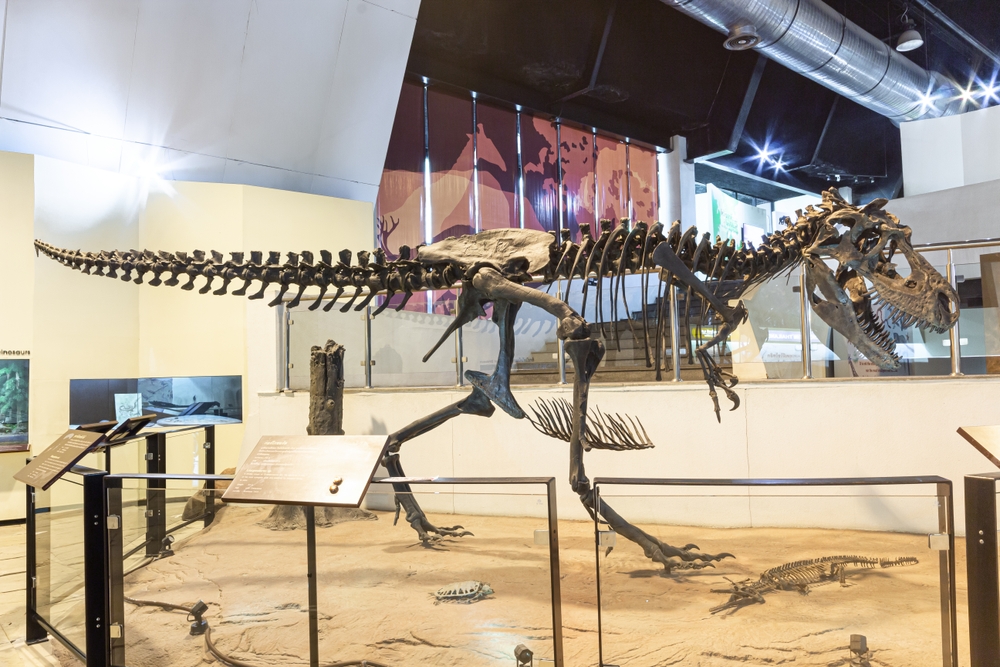
A Tyrannosaurus rex discovered on a Wyoming ranch decades ago has turned out to be far more unusual than researchers initially realized. Buried for around 67 million years, the specimen contains an exceptionally preserved section of the predator’s skeleton that could give scientists a much clearer picture of how the animal was built, how it…
-
Scientists Studied 183 Countries and Found a Dark Personality Pattern

Almost 1.8 million people answered the same uncomfortable questions about themselves, giving researchers a rare opportunity to compare personality patterns across much of the world. When those answers were placed alongside decades of data on corruption, violence, inequality, and poverty, a striking pattern emerged. The results put countries including Indonesia and Mexico toward the higher…
-
Scientists Are Using a Deadly Tree Disease to Help Bring America’s Elms Back
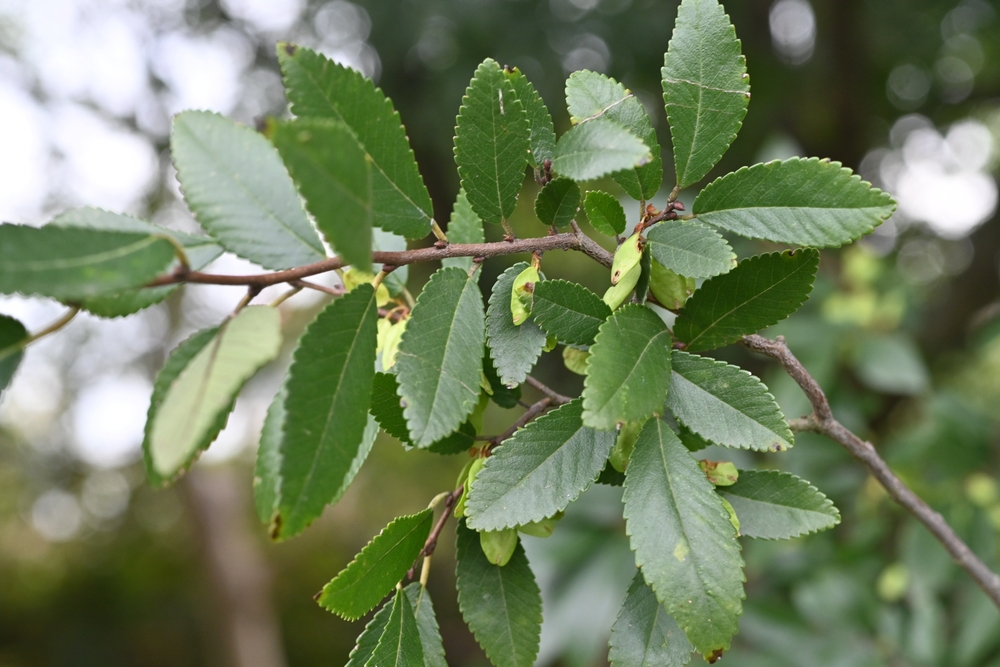
For generations, enormous American elm trees were a familiar part of towns, forests, schoolyards, and riverbanks across the United States. Then Dutch elm disease arrived and changed the landscape, killing tens of millions of trees and leaving the towering elms that once defined many communities far harder to find. Now, scientists are fighting back with…
-
Scientists Find a Way to Cut Cholesterol With a Single Gene Edit
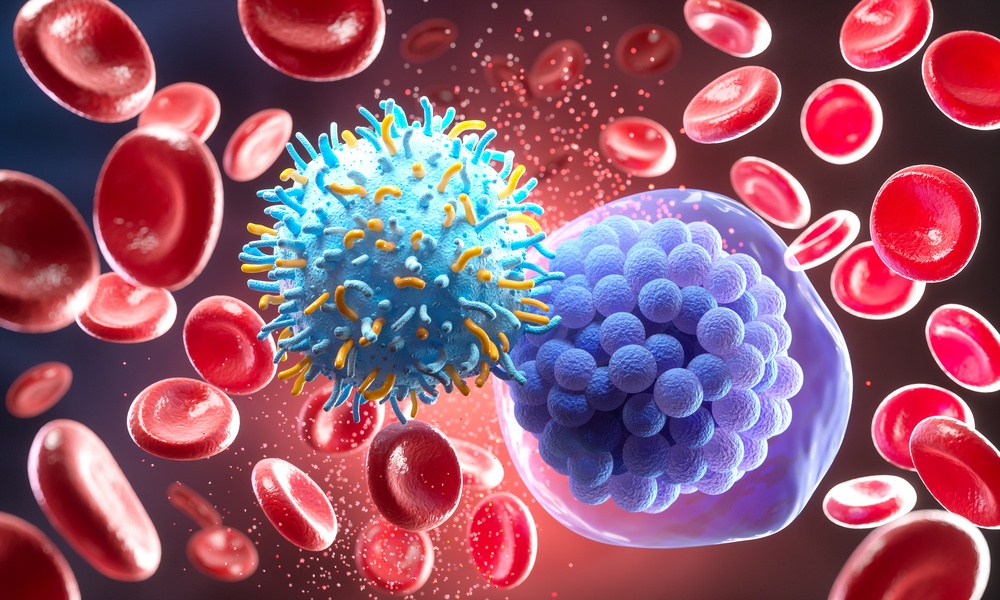
For decades, people with dangerously high cholesterol have faced a familiar reality: lifelong medication, regular injections, and a constant effort to keep a major risk factor for heart disease under control. Now, scientists are testing a radically different approach that could eventually change that routine. A one-time gene-editing treatment lowered LDL cholesterol by roughly 50%…
-
Honolulu Student Finds Fungi That Could Break Down Plastic and Sunscreen
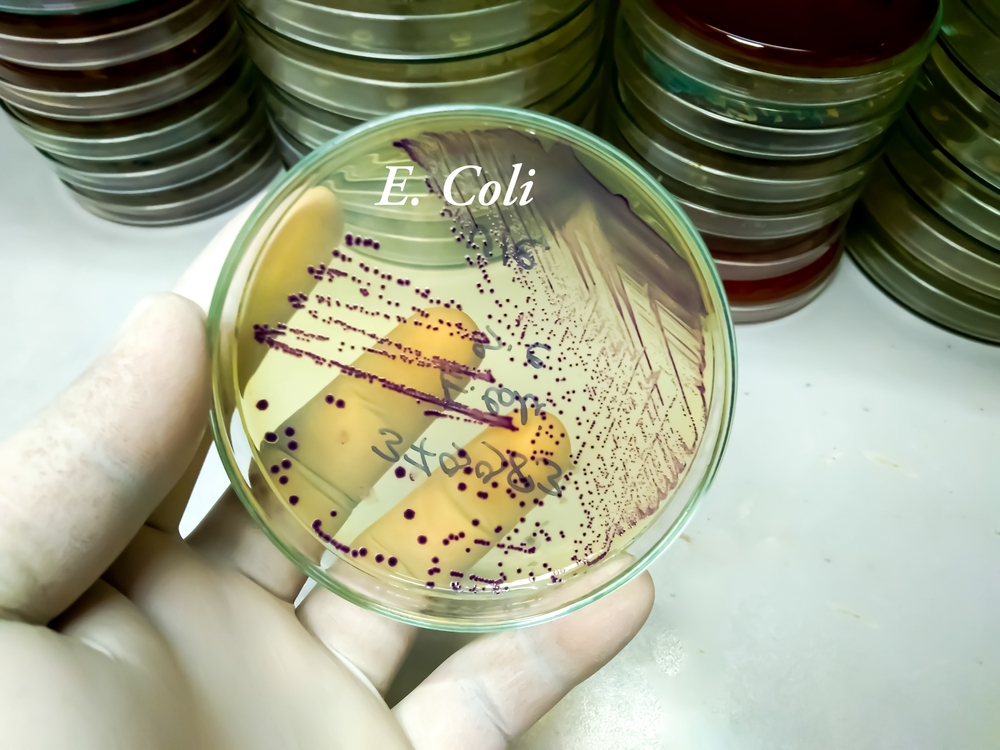
What happens after pollution is pulled out of the ocean but remains trapped inside a filter? That question sent a Honolulu high school student from a homemade coconut-fiber experiment into a university laboratory, where researchers found fungi capable of breaking down plastic and chemical sunscreen. Vera Wang’s project produced another surprise along the way. Some…
-
Scientists Built Glasses That Let Humans See What Our Eyes Normally Miss
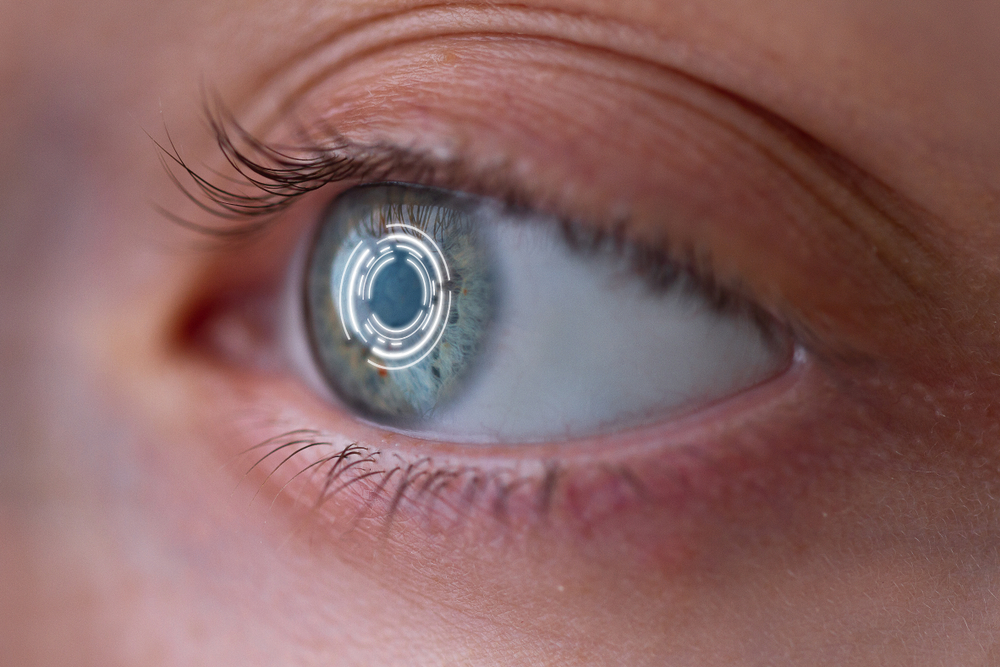
There is a huge part of the world passing through your eyes every second that you have never been able to see. Infrared radiation comes from warm engines, human bodies and everyday electronics, yet the human retina simply ignores it. Now, researchers in China have built a tiny wearable device that converts some of that…
-
Your Brain May Actually Fall Into Sync With People Around You
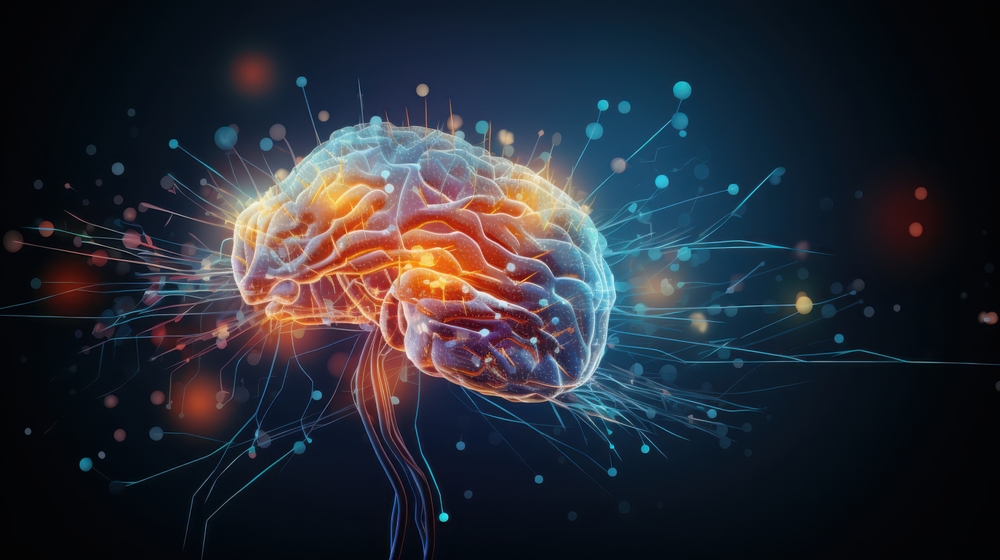
For years, “being on the same wavelength” sounded like a nice way to describe two people who instantly connected. Now researchers have found a way to measure part of what that phrase may actually mean inside the brain. Scientists using portable EEG headsets have found that people’s brain activity can become more synchronized during shared…
-
Scientists Trace America’s Record Honey Bee Collapse To A Troubling New Threat
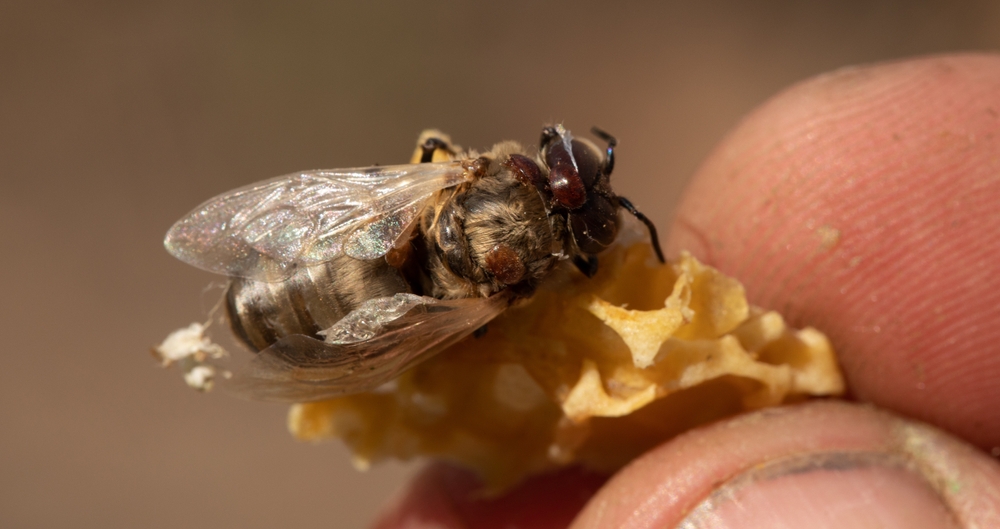
A disaster has been unfolding inside America’s beehives, and the latest numbers are difficult to ignore. Between June 2024 and January 2025, U.S. beekeepers lost 62% of their commercial honey bee colonies, marking the largest winter die-off ever recorded. The collapse followed another brutal season in which 55% of colonies were lost, leaving beekeepers facing…
