
Your cart is currently empty!
Teenagers At A Party Spot Cat Struggling In Ocean And Rush To Save Him

A group of teenagers enjoying a party in British Columbia suddenly found themselves in the middle of a desperate rescue after spotting something struggling in the ocean. What initially appeared to be a distressed duck turned out to be a helpless cat fighting to keep its head above water.
Contents
show
The animal was 20 years old, blind and deaf, making the situation even more frightening. Fortunately, one teenager had the experience and instincts needed to act quickly, and his decision to investigate may have saved the elderly cat’s life.
A Party Suddenly Turned Into An Emergency Rescue
Nicole Phillpotts and her boyfriend, James Winkelman, were spending time with friends at a house in Deep Cove, British Columbia, when something unusual caught their attention. There was an animal struggling in the nearby water, and its movements suggested that it was having difficulty staying afloat.
At first, Nicole thought she was looking at a duck in distress. She alerted James, who decided to get a closer look rather than assume everything was fine.
What he discovered was far more alarming than anyone had expected. The animal was actually a cat, and it appeared to be struggling desperately to survive in the ocean.
James immediately understood that the situation required action. He was a lifeguard, which meant he had experience responding to emergencies involving people in danger around water.
He did not waste time waiting for someone else to intervene. James took off his shoes and socks before scrambling down the rocky embankment toward the water.
The cat was struggling to paddle toward shore, but it kept dipping beneath the surface and turning onto its side. Every moment mattered because the animal was clearly having difficulty keeping itself above water.
James entered the water and managed to reach the frightened cat. He grabbed it by the scruff of its neck and pulled it out of the ocean.
It was a dramatic rescue that began with a simple decision to investigate something unusual. Had James and Nicole ignored what they saw, the outcome could have been very different.
Speaking to CBC News about the incident, James explained how his girlfriend had initially mistaken the animal for a duck. He recalled that his instincts took over when he realized what was happening.
“My girlfriend’s like, ‘oh no that’s a duck.’ So I go and investigate… [and] the whole, like, ‘mode’ just kicked in,” Winkelman said.
Friends Worked Together To Help The Cat Recover

Although James had managed to get the cat out of the water, the emergency was far from over. The group brought the animal back to the house and quickly realized that it needed immediate attention.
The cat was breathing, but its condition appeared worrying. Everyone understood that simply getting it out of the ocean might not be enough to save its life.
Fortunately, one of the people attending the gathering was a nurse. She gently assessed the animal to determine whether it was still breathing and what condition it appeared to be in.
Nicole later described the frightening situation to the North Shore News. She explained that the nurse checked the cat and discovered that its breathing was very weak.
“[T]here was one woman there who’s actually a nurse so she kind of gently pushed to see… He was breathing, but not very well,” Nicole explained.
The group continued trying to help the animal, and chest compressions were performed. The cat was still breathing faintly, giving everyone some hope that it might recover.
However, its condition remained serious enough that the group knew professional veterinary assistance was necessary. They decided to drive the cat to a nearby animal rescue centre.
What had started as an ordinary evening with friends had become an urgent effort to save an animal’s life. Several people contributed to the response, from spotting the struggling cat to helping it after James brought it ashore.
The situation also demonstrated how quickly an emergency can develop when an animal encounters danger around water. Even a relatively short period of struggling can leave a vulnerable animal in serious trouble.
The Rescuers Discovered The Cat Was 20 Years Old
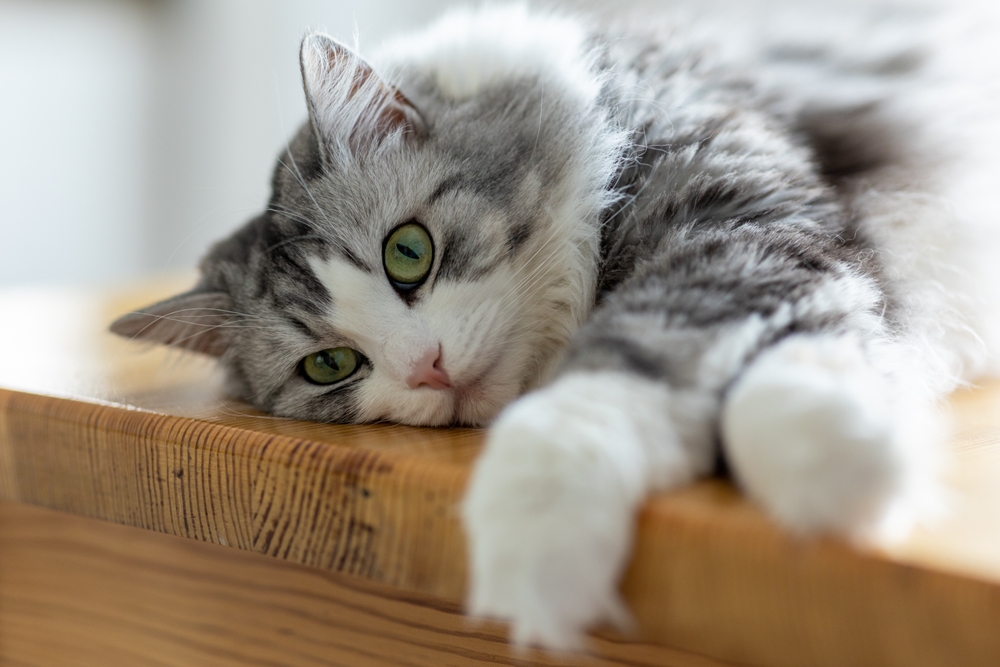
After helping the cat, James and Nicole managed to track down its family. That was when they learned the animal’s name and discovered just how vulnerable it had been.
The cat was called Spunky, and he was 20 years old. His family also revealed that he was both blind and deaf.
Spunky had been part of their household since he was a kitten. His owners had spent two decades caring for him, making him a familiar and much-loved member of the family.
The discovery made the rescue even more meaningful for James. An elderly cat that could neither see nor hear would have faced additional challenges while struggling in the ocean.
The reports did not establish exactly how Spunky ended up in the water. However, his age and disabilities made the circumstances particularly concerning.
James was relieved that the animal had been spotted and that someone had been able to reach him in time. He also thought about how Spunky’s family must have felt during the ordeal.
“I’m really glad and happy especially now that I know it’s blind and deaf,” Winkelman told CBC News.
He went on to explain that he understood how upsetting it would be to lose a beloved pet. James had a dog of his own and could imagine the distress of not knowing whether an animal would ever return home.
“The owners must be so happy to have their cat back. I have like a dog at home and I’d be really sad if it didn’t come home one day,” he said.
His comments reflected the emotional connection many people have with their pets. For Spunky’s family, the possibility of losing an animal they had raised since kittenhood must have been particularly difficult.
Spunky’s Owners Sent A Thank-You Gift To Nicole

Once Spunky’s family learned what had happened, they were understandably grateful to the people who had helped him. The cat had been with them for 20 years, and the possibility of losing him in an accident was frightening.
Their appreciation extended beyond simply thanking the rescuers. Spunky’s family later sent Nicole flowers as a gesture of gratitude for the couple’s intervention.
The flowers were a thoughtful way to acknowledge what James and Nicole had done. Their decision to investigate the animal in the water had given the family an opportunity to have their elderly companion back.
The rescue also involved several other people who stepped forward when help was needed. The nurse who assessed Spunky and the friends who assisted after he was pulled from the ocean all played a part in the response.
James’ lifeguard experience was particularly valuable because he recognized the urgency of the situation and acted without hesitation. His ability to respond quickly helped turn a potentially tragic incident into a rescue.
There was also something significant about how the incident began. Nicole initially thought the animal was a duck, and nobody at the gathering had expected to encounter an emergency involving a cat.
Yet, once they understood what was happening, they did not simply return to their evening. They focused on helping an animal that could not ask them for assistance.
For Spunky’s family, the kindness of these strangers meant having another opportunity to spend time with a companion who had been part of their lives for decades.
Another 20-Year-Old Blind Cat Was Rescued From Freezing Water
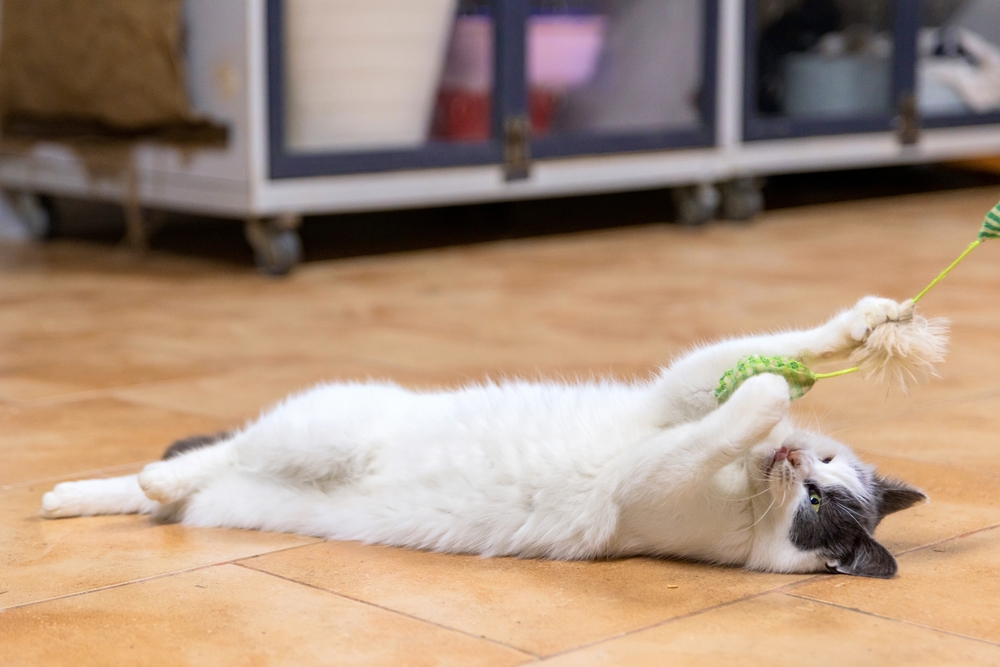
Spunky’s frightening experience brings to mind another remarkable rescue involving an elderly blind cat in Massachusetts. The animal, named Tiki, was also 20 years old when he found himself in a potentially fatal situation outdoors.
Unlike Spunky, who fell into the ocean in British Columbia, Tiki became stranded on ice covering Nabnasset Pond in Massachusetts.
Tiki was a black-and-white cat who enjoyed spending time outside. However, on this particular occasion, he ventured onto the frozen pond and ended up in serious danger.
A passerby named Dawn Felicani noticed him on the ice and realized that something was wrong. She watched as the ice began cracking beneath him, leaving the elderly cat increasingly vulnerable.
Felicani recalled the terrifying moment when the ice finally gave way. She explained that Tiki’s head was left sticking above the freezing water after he fell through.
“The crackling happened, and I was like, hysterical,” Felicani told reporters.
She immediately contacted first responders and a local animal control officer in Westford. However, the situation became increasingly desperate while help was on its way.
Two construction workers at a nearby property noticed what was happening and decided to intervene. One of them climbed into a rowboat while the other pushed it toward the struggling cat.
The rescuer used a shovel to help break through the ice and reach Tiki. Working carefully across the freezing pond, he eventually managed to retrieve the animal and bring him back to shore.
Tiki was taken inside, dried with towels and wrapped in blankets. Animal control officer Kirsten Hirschler later explained that the cat was shivering, lethargic and in shock.
His condition was so serious that his body temperature was too low to register on the thermometer. He was subsequently taken to a veterinarian for treatment.
Fortunately, Tiki survived the ordeal. His owners, John Arden and his wife, were eventually located and reunited with their beloved cat.
Arden explained that Tiki had been blind for approximately a year but could still get around relatively well. He also said that the cat usually did not venture as far as the frozen pond.
Hirschler believed that Tiki might have been chased onto the ice by a predator, leaving him stranded without an easy way to escape.
Despite the frightening experience, Tiki eventually recovered. His owner even joked that the cat was annoyed because he could no longer go outside.
How Blind Cats Learn To Live Without Their Sight
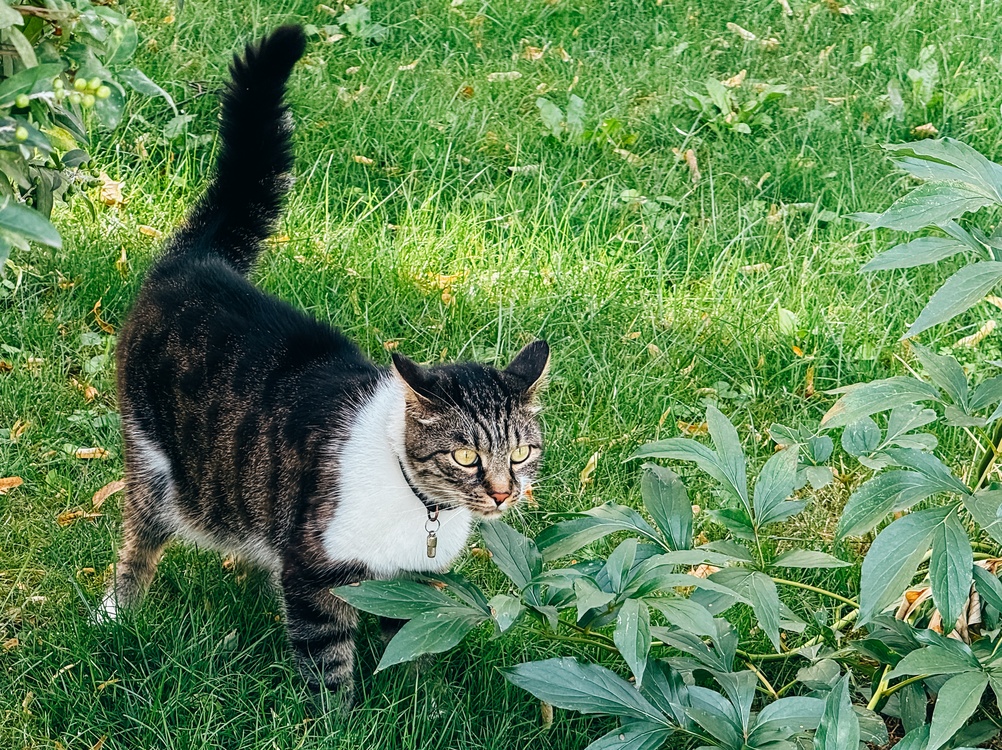
Both Spunky and Tiki were elderly cats living with blindness. Their experiences also raise an important question about how animals adjust when they lose one of their primary senses.
Cats that gradually lose their eyesight can often adapt surprisingly well, particularly when they remain in familiar surroundings. They begin relying more heavily on their other senses to understand where they are and move around safely.
According to information from Best Friends Network referenced in the report about Tiki, cats can experience relatively small behavioral changes when their vision deteriorates gradually.
Their sense of touch, scent, hearing and memory become increasingly important. Whiskers also help them detect nearby objects and obstacles.
Some blind cats develop particular ways of moving around their homes. They may use their tails to help assess their surroundings or climb onto familiar objects rather than jumping directly onto them.
Their ability to remember the arrangement of furniture and other household objects can also help them maintain familiar routines.
However, sudden blindness can create much greater difficulties. A cat that loses its vision unexpectedly may struggle to understand its surroundings and become hesitant when moving.
Some common behavioral changes associated with sudden vision loss include:
- Bumping into objects: Cats that suddenly lose their sight may have difficulty identifying furniture, walls and other obstacles.
- Becoming hesitant: An unfamiliar environment can make movement more difficult, causing the animal to move cautiously or avoid exploring.
- Vocalizing more frequently: Some blind cats may meow when they become confused or need reassurance from their owners.
- Avoiding familiar activities: Sudden vision loss can make an animal reluctant to leave its sleeping area or explore places it previously enjoyed.
- Struggling with familiar routines: Changes in toileting habits and difficulty finding familiar locations can occur when a cat is disoriented.
These behaviors can vary between individual animals. Cats that lose their eyesight gradually may have more time to adjust than those experiencing sudden vision loss.
Simple Changes Can Make Life Safer For Blind Cats
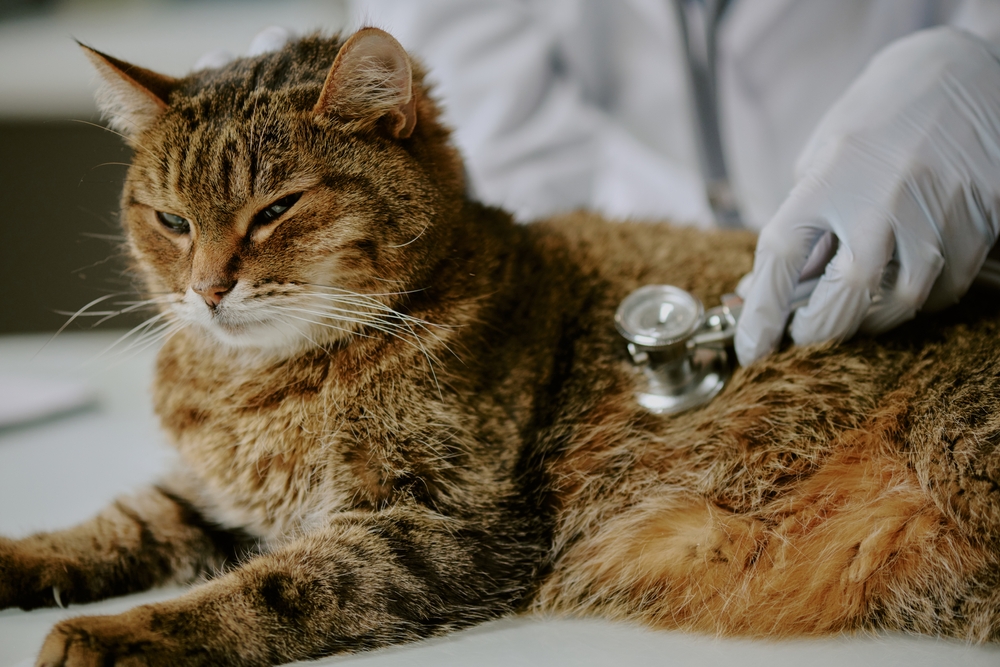
Although blindness creates additional challenges, many cats can continue enjoying comfortable lives with appropriate care. Their owners can make several practical adjustments to help them remain confident and safe.
Consistency is particularly important because blind cats often rely heavily on memory. Moving furniture frequently or leaving unfamiliar objects in their usual walking paths can make everyday activities more difficult.
According to the guidance discussed in the report about Tiki, patience is also essential. Some cats may need several weeks to become comfortable with changes in their surroundings.
There are several ways owners can make their homes safer for cats experiencing vision loss.
Keep furniture in familiar positions. Avoid rearranging the household unnecessarily because a blind cat may have memorized the location of furniture, food bowls and sleeping areas.
Remove dangerous objects. Sharp edges, exposed objects and obstacles should be kept away from areas where the animal regularly walks. Keeping floors clear can reduce the risk of accidental injuries.
Protect stairs and water sources. Barriers can help prevent cats from falling down open stairways or accidentally entering swimming pools and other dangerous areas. Toilet lids should also remain closed.
Help cats explore independently. Owners should guide their pets rather than constantly carrying them from one place to another. Allowing an animal to learn its surroundings through touch and scent can help build confidence.
Supervise outdoor activities. Blind cats face additional dangers outside, particularly around roads, water and unfamiliar terrain. A harness and leash can provide more control while allowing them to experience the outdoors.
These adjustments can help senior cats maintain independence while reducing unnecessary risks. They also give owners practical ways to accommodate changes in their pets’ abilities as they grow older.
A Stranger’s Decision Can Change An Animal’s Fate
Spunky’s rescue began when Nicole noticed something unusual in the water during an ordinary gathering with friends. James could have ignored the situation, but instead he went to investigate and discovered an animal fighting for its life.
His lifeguard experience helped him react quickly, while the people around him contributed to the effort to get Spunky the assistance he needed.
The story of Tiki offers another example of ordinary people stepping forward during an emergency. A passerby raised the alarm, construction workers used a boat to reach the stranded cat, and animal control arranged veterinary care.
Both animals were 20 years old and blind. Both found themselves in dangerous situations involving water, and both survived because people nearby decided to help.
For Spunky’s family, the most important part of the story was getting their beloved cat back. After 20 years together, they had another opportunity to enjoy his company.
A pair of flowers sent to Nicole could never fully express what that meant. But they offered a heartfelt thank-you to the people who refused to walk away when an elderly cat needed help.