
Your cart is currently empty!
Trump Ends Medicare Part D Subsidy Affecting Millions Of Americans
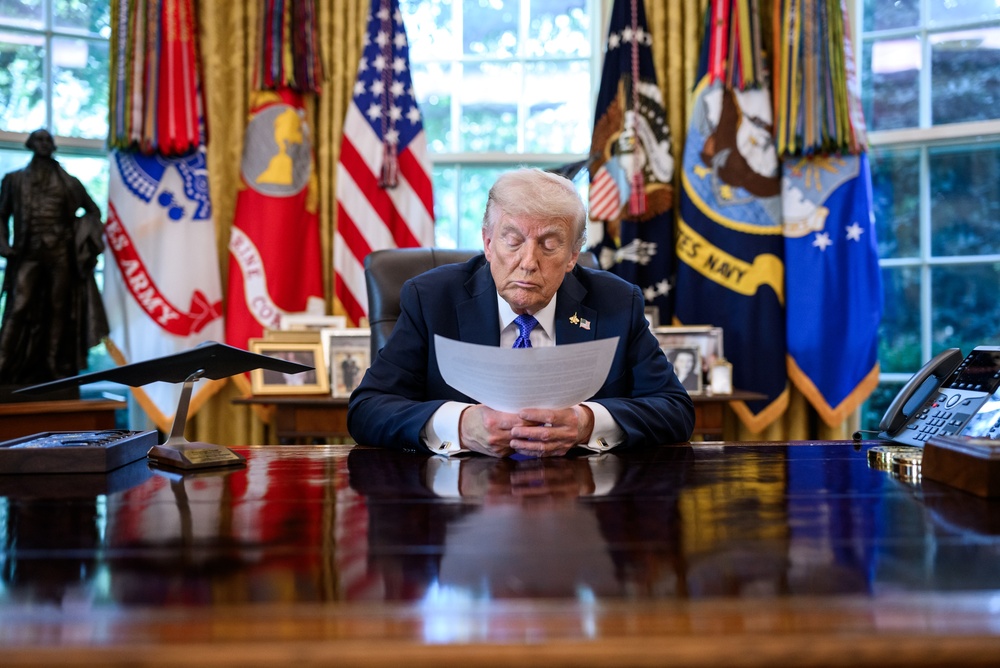
Millions of older Americans could soon face higher prescription drug insurance premiums after the Trump administration announced it will end a temporary Medicare Part D subsidy program that has helped keep costs down for the past two years.
Contents
show
The decision marks one of the most significant Medicare policy changes since the Inflation Reduction Act reshaped the prescription drug benefit. While the administration argues the market no longer needs billions of dollars in federal support, healthcare experts warn many seniors will likely pay more each month beginning in 2027, even if the increases are smaller than initially feared.
Trump Administration Ends Temporary Medicare Part D Subsidy
The Centers for Medicare & Medicaid Services (CMS) confirmed that the Medicare Part D Premium Stabilization Demonstration will expire after the 2026 plan year. The program was introduced under the Biden administration to cushion the impact of major changes made to Medicare’s prescription drug benefit through the Inflation Reduction Act.
Rather than extending the demonstration into 2027, the Trump administration says insurers should now be able to operate without additional federal financial assistance.
CMS Administrator Mehmet Oz defended the move, arguing that the temporary subsidies had outlived their purpose.
“We are stabilizing the market so this bailout is no longer needed,” Oz wrote in a post on X.
He also sought to reassure Medicare beneficiaries that premium increases would remain relatively limited.
“Premiums will go up by less than $10 for most Medicare recipients, with many even seeing LOWER premiums,” Oz added.
According to administration officials, Medicare beneficiaries will learn their new monthly premium amounts when insurers release their 2027 plans later this year during the annual enrollment period.
Why the Subsidy Program Was Created
The subsidy program was never intended to be permanent.
It was introduced in 2025 after the Inflation Reduction Act dramatically changed how Medicare Part D prescription drug plans operate. Among the law’s most notable reforms was a cap on annual out-of-pocket prescription drug spending for Medicare beneficiaries, providing significant financial relief for seniors with high medication costs.
While the law reduced what many beneficiaries pay at the pharmacy counter, it also shifted a greater share of prescription drug expenses onto insurance companies.
Federal officials at the time feared insurers would respond by sharply increasing premiums or withdrawing from the Medicare Part D marketplace altogether.
To prevent that outcome, CMS created the Premium Stabilization Demonstration.
Under the program, the federal government provided billions of dollars in payments to insurers to offset their increased financial responsibilities and keep monthly premiums from rising rapidly during the transition.
The demonstration ultimately became one of the largest temporary subsidy efforts in Medicare’s prescription drug program.
According to a Government Accountability Office report cited in multiple reports, the federal government committed approximately $9.8 billion to the program across 2025 and 2026. Roughly $6.2 billion was distributed in 2025, followed by another estimated $3.6 billion during 2026.
The administration now argues that those extraordinary payments are no longer justified.
Officials contend insurers have had sufficient time to adjust to the new benefit structure and can now accurately price their plans without continued taxpayer assistance.
What the Decision Means for Medicare Beneficiaries

The end of the subsidy does not eliminate Medicare Part D itself.
Prescription drug coverage remains available through both stand-alone Part D plans and Medicare Advantage plans that include drug benefits.
Instead, the policy removes an additional layer of government funding that helped suppress monthly premiums during the transition period.
Exactly how much premiums increase will depend on the insurance company and the specific plan each enrollee chooses.
Administration officials maintain that the financial impact will be manageable for most beneficiaries.
According to CMS officials, about one-quarter of Medicare Part D enrollees are expected to see their premiums remain flat or even decrease in 2027.
Another 30% are projected to experience increases of less than $10 per month.
For the remaining 45% of beneficiaries, monthly premium increases are expected to fall largely between $11 and $20.
Officials also argue that many beneficiaries will be able to reduce costs by comparing plans during Medicare’s annual open enrollment period instead of automatically renewing their existing coverage.
Affordable alternatives, they say, will remain available throughout the marketplace.
Healthcare analysts, however, caution that even relatively modest monthly increases can become meaningful for retirees living on fixed incomes.
For seniors balancing prescription medications alongside housing, food, and other healthcare expenses, every additional dollar in recurring monthly costs can have a cumulative effect over the course of a year.
Roughly 25 Million Americans Could Be Affected

The policy change affects one of Medicare’s largest populations.
According to CMS and health policy experts, approximately 25 million Americans are currently enrolled in stand-alone Medicare Part D prescription drug plans.
Many pair those plans with traditional Medicare coverage for hospital and physician services.
An additional 31 million Medicare beneficiaries receive prescription drug coverage through Medicare Advantage plans, which package hospital, medical, and drug benefits into a single private insurance plan.
Although Medicare Advantage plans are not directly affected in the same way as stand-alone Part D plans, analysts suggest the policy change could still reshape enrollment patterns.
If stand-alone Part D premiums rise substantially for certain beneficiaries, more seniors may decide that Medicare Advantage offers better overall value.
Many Medicare Advantage plans advertise no additional monthly premium beyond standard Medicare costs, although provider networks, deductibles, and out-of-pocket expenses vary considerably between plans.
Experts stress that beneficiaries should evaluate more than just premium prices when comparing coverage.
Prescription formularies, participating pharmacies, physician networks, deductibles, and annual out-of-pocket limits all influence the overall value of a Medicare plan.
The Administration Says the Program Became an Expensive Bailout
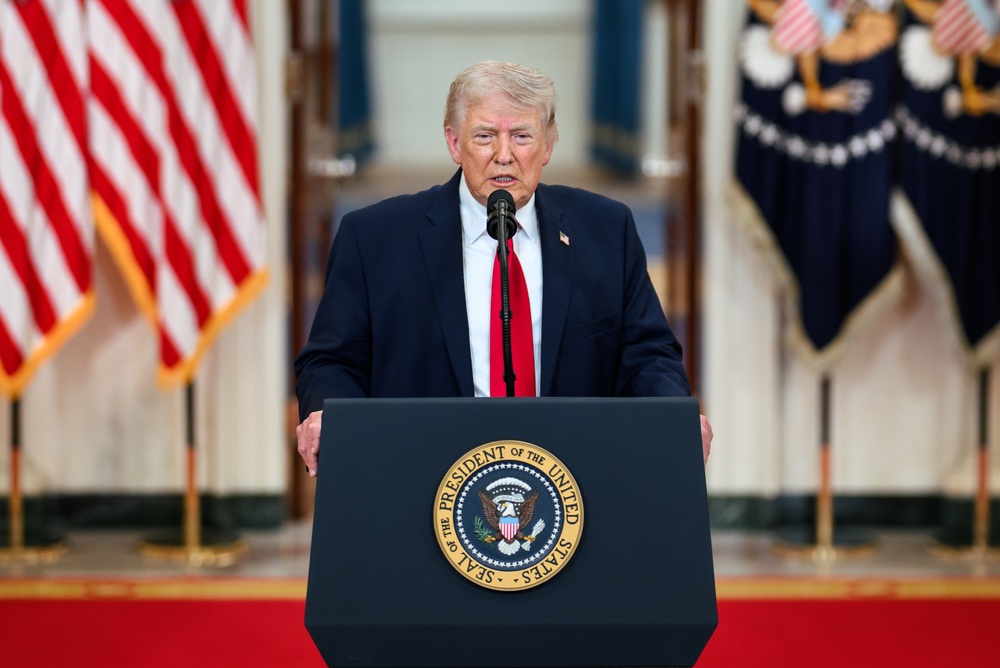
Trump administration officials have framed the subsidy program as an unnecessary transfer of taxpayer money to large insurance companies.
Officials argue that the demonstration effectively insulated insurers from the financial consequences of setting higher premiums because the federal government absorbed much of the additional cost.
According to administration officials, continuing the program into 2027 would have directed billions more dollars toward insurers.
One official said that more than half of the projected subsidy payments would have gone to a single company, UnitedHealth Group.
UnitedHealth responded by saying it remains committed to working with CMS to help seniors maintain access to affordable prescription medications.
The administration also argues that several other policies designed to lower prescription drug costs remain in place, reducing the need for continued premium stabilization payments.
Among those initiatives are efforts to negotiate lower drug prices and expand access to certain medications through additional pricing reforms.
Oz pointed to those broader efforts while defending the decision.
He said the administration intends to continue lowering prescription drug prices for Americans through additional policy initiatives, including expanded access to GLP-1 medications for eligible Medicare beneficiaries at lower monthly costs.
How the Inflation Reduction Act Changed Medicare

The debate surrounding the subsidy program cannot be separated from the broader changes introduced by the Inflation Reduction Act.
Signed into law during the Biden administration, the legislation included sweeping reforms to Medicare’s prescription drug benefit.
Perhaps its most widely publicized provision was allowing Medicare to negotiate prices for certain high-cost prescription drugs, a power the federal government previously lacked.
The law also introduced annual caps on out-of-pocket prescription drug spending for Medicare beneficiaries.
Those reforms were welcomed by many patient advocates because they reduced financial exposure for seniors who rely on expensive medications throughout the year.
However, the law also shifted a larger share of prescription drug costs onto insurers offering Medicare Part D coverage.
As insurance companies absorbed greater financial responsibility, concerns grew that premiums would rise sharply unless additional federal support was provided.
The Premium Stabilization Demonstration was designed to bridge that transition period while insurers adapted to the new payment structure.
With the demonstration now scheduled to end after 2026, the question facing insurers, beneficiaries, and policymakers is whether the Medicare Part D market can maintain affordable coverage without those temporary federal payments.
Healthcare Experts Warn Some Seniors Will Pay More

While the Trump administration has emphasized that most premium increases should remain below $10 a month, outside health policy experts say the end of the subsidy program will still be noticeable for many Medicare beneficiaries.
Juliette Cubanski, vice president and director of the Program on Medicare Policy at KFF, said the temporary stabilization initiative had achieved its intended purpose by preventing steep premium increases during a period of major policy change.
According to Cubanski, “This temporary demonstration appeared to work as intended to stabilize year-over-year premium increases and enrollment.”
KFF data show that the average monthly premium for stand-alone Medicare Part D plans declined from about $43 in 2024 to roughly $36 in 2026 while enrollment increased from approximately 23 million to 25 million beneficiaries.
With the demonstration ending, Cubanski warned that some Medicare recipients “could see a larger premium increase for drug coverage next year than they’ve faced in recent years.”
She also noted that rising prescription drug costs remain a challenge for insurers beyond the changes made by the Inflation Reduction Act.
Growing use of high-cost specialty medications, including GLP-1 drugs prescribed for diabetes and weight management, continues to place additional financial pressure on prescription drug plans.
Those market forces are expected to persist even without the temporary subsidy program.
Why Rising Drug Costs Continue to Pressure Medicare Plans

The Medicare Part D market has undergone significant changes over the past several years.
Prescription drug spending has climbed steadily as more patients use newer medications that often carry substantially higher prices than older treatments.
Among the fastest-growing categories are GLP-1 medications, which have become increasingly popular for treating diabetes and obesity.
Earlier this year, Medicare also began covering certain GLP-1 weight-loss medications for eligible beneficiaries under a pilot program, with qualifying seniors paying a $50 monthly copayment while Medicare covers the remaining cost.
Although expanded access provides financial relief for eligible patients, it also increases overall spending within the Medicare prescription drug system.
At the same time, the Inflation Reduction Act introduced new financial protections for beneficiaries by limiting annual out-of-pocket prescription drug expenses.
Beginning in 2025, Medicare beneficiaries were protected by a $2,000 annual cap on prescription drug spending. That limit increased slightly to $2,100 in 2026.
While those caps reduce financial hardship for patients with expensive medications, insurers are now responsible for covering a greater share of prescription drug costs once beneficiaries reach those limits.
Healthcare economists say these combined pressures help explain why insurers have sought additional financial support during the transition period.
The Political Debate Over Billions in Federal Spending
The decision has also become part of the broader political debate surrounding healthcare spending and the Inflation Reduction Act.
Trump administration officials argue the temporary subsidies represented an unnecessary federal expense that primarily benefited large insurance companies rather than patients.
According to administration officials, billions of taxpayer dollars flowed directly to insurers through the demonstration project even as companies continued adjusting premiums and reducing the number of available plans.
Officials also argued that extending the subsidies would have disproportionately benefited some of the nation’s largest health insurers.
One administration official said UnitedHealth Group alone could have received approximately $1.5 billion had the demonstration continued into 2027.
UnitedHealth responded by saying the company remains committed to working with CMS to ensure seniors continue to have access to affordable prescription medicines.
The Biden administration defended the broader Medicare reforms while the Inflation Reduction Act was being implemented, pointing to measures that lowered out-of-pocket costs for beneficiaries and authorized Medicare to negotiate prices for certain high-cost prescription drugs.
Supporters of those reforms argued they would produce long-term savings for seniors even if insurers faced additional financial responsibilities.
The Trump administration has taken a different position, maintaining that the temporary subsidies had become an expensive government bailout that was no longer necessary after insurers adapted to the new system.

What Medicare Beneficiaries Should Expect Next
Although the subsidy program is ending, Medicare beneficiaries will not see immediate changes to their current coverage.
The demonstration remains in place through the end of the 2026 plan year.
CMS is expected to release final Medicare Part D premiums and plan offerings during the annual enrollment season this fall.
Beneficiaries will then have the opportunity to compare available plans before selecting coverage for 2027.
Experts encourage seniors to review more than just monthly premiums when making their decisions.
Prescription formularies can change from year to year, meaning medications covered under one plan may not receive the same level of coverage under another.
Deductibles, pharmacy networks, copayments, and annual out-of-pocket expenses can also vary significantly between insurers.
For beneficiaries taking multiple prescription medications, comparing total yearly costs rather than focusing solely on monthly premiums may provide a more accurate picture of overall affordability.
Healthcare analysts also note that some seniors may find lower-cost options simply by switching plans during open enrollment instead of remaining with their existing provider.
CMS has maintained that affordable plans will continue to be available throughout the Medicare marketplace despite the expiration of the demonstration program.
A Significant Policy Shift Ahead of the Midterm Elections
The decision arrives as healthcare affordability continues to rank among the most important issues for American voters.
Prescription drug costs have remained a persistent concern, particularly for retirees living on fixed incomes who rely on Medicare for access to essential medications.
The end of the Premium Stabilization Demonstration represents a major shift in how the federal government approaches Medicare Part D after two years of extraordinary financial support.
Supporters of the administration’s decision argue the market should now function without billions of dollars in additional taxpayer funding and that insurers have had sufficient time to adapt to the changes introduced by the Inflation Reduction Act.
Critics, however, warn that the loss of those subsidies could leave many seniors paying more for prescription drug coverage even if monthly increases remain modest for most beneficiaries.
The full impact will become clearer when insurers release their 2027 Medicare Part D premiums during the upcoming enrollment period.
Until then, millions of Medicare beneficiaries, insurers, healthcare providers, and policymakers will be watching closely to see whether the prescription drug market remains stable without the temporary federal support that has helped hold premiums down over the past two years.