
A teenager who vanished during a camping trip in Australia has been found alive after spending six days lost in remote woodland, leaving his family facing an agonising wait that finally ended with an extraordinary rescue. The 17-year-old had been navigating difficult terrain for days before becoming trapped near a creek, where he remained until rescuers spotted him from above.
William, who has Level 2 autism, was discovered sleeping on a flat rock during a police helicopter search near Walhalla in Victoria. When the helicopter approached and woke him, he gave the crew a thumbs-up before officers winched him to safety. His mother was waiting to embrace him after an extensive search involving more than 100 emergency services personnel and volunteers.
A Weekend Camping Trip Turned Into A Six-Day Search
William had been camping with a teenage friend near Walhalla, a former gold-mining town approximately 185 kilometres east of Melbourne, in the Australian state of Victoria. His mother, Elizabeth, had dropped off the two teenagers on Friday, expecting them to enjoy a weekend outdoors together.
The trip initially appeared to be an ordinary camping adventure, with the boys having access to their campsite and equipment. However, events took a frightening turn when William walked a short distance away to collect additional camping equipment from the drop-off location.
According to police, William never returned to his friend after leaving to retrieve the equipment. What should have been a relatively straightforward walk suddenly became the beginning of a disappearance that would trigger a major emergency response.
His friend eventually contacted police, and authorities began searching the surrounding woodland. The circumstances were particularly concerning because William had become separated from his companion in an unfamiliar environment with challenging terrain.
The first hours of a missing-person search can be especially difficult for families, as they wait for information about where their loved one might have gone. For Elizabeth, the uncertainty surrounding her son’s disappearance would continue for several days.
Police identified the missing teenager only as William. His family also shared that he has Level 2 autism, providing additional context about his circumstances and support requirements during the search.
As the hours passed without confirmation of his whereabouts, the operation expanded across the surrounding wilderness. Rescuers would eventually discover that William had travelled through some extremely difficult terrain before reaching the location where he was found.
More Than 100 People Joined The Search Operation
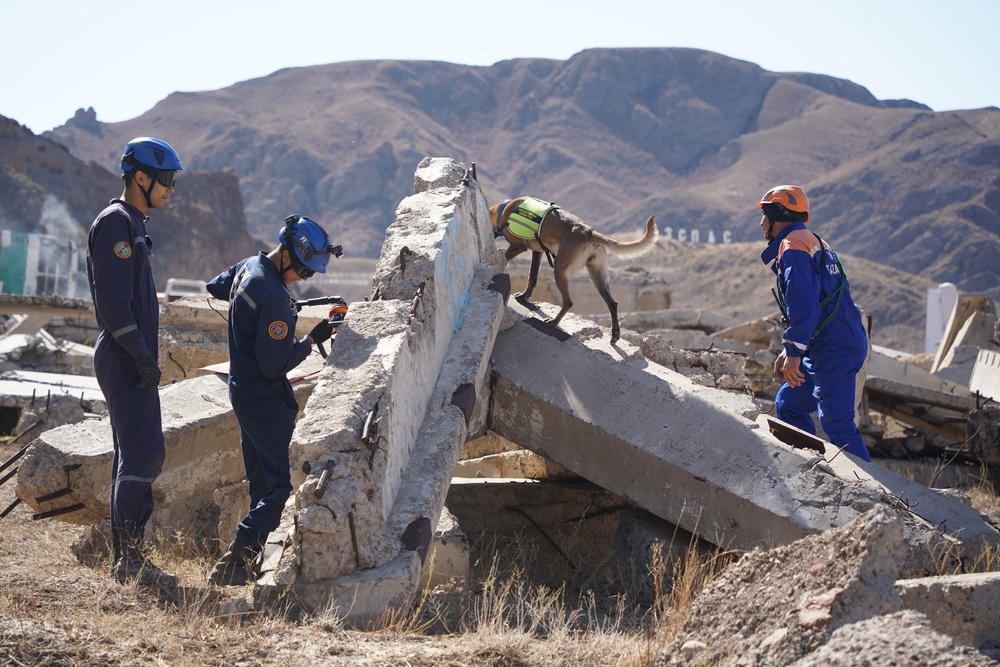
The disappearance prompted an extensive search involving more than 100 emergency services personnel and volunteers. Police deployed helicopters and specialist units while people on the ground searched the surrounding bushland for signs of the missing teenager.
The landscape around Walhalla presented considerable difficulties for those involved. William had reportedly travelled up and down steep sections of terrain after becoming lost, making the search more complicated than simply checking the immediate area around his campsite.
Acting Police Inspector Jason Benbow later described the challenging conditions William had encountered. According to Benbow, the teenager had spent days trekking through areas containing some very steep terrain.
The search required different teams to cover different parts of the landscape. Aerial searches allowed officers to examine areas that could be difficult to access on foot, while emergency personnel and volunteers continued searching from the ground.
The operation involved several important elements:
- Police helicopter crews: Aircraft searched the surrounding wilderness from above, looking for William and anything that might help establish his location.
- Specialist police units: Officers with relevant search capabilities supported the operation across the challenging landscape.
- Emergency services personnel: More than 100 emergency workers contributed to the extensive search effort.
- Community volunteers: Local volunteers joined the operation and helped search the bushland.
- Continued aerial surveillance: Helicopter searches continued until officers finally spotted William near a creek on Thursday morning.
The number of people involved demonstrated the scale of the operation and the concern surrounding the teenager’s disappearance. Despite the difficult conditions, rescuers continued looking for signs that could lead them to him.
For William’s family, every passing day without news meant another period of uncertainty. The search continued until a police helicopter crew made a discovery that would bring the ordeal to an end.
A Fishing Tackle Box Helped Lead Rescuers To William
William was eventually discovered during an aerial search near Stoney Creek on Thursday morning. According to Australia’s public broadcaster ABC, rescuers first spotted a fishing tackle box before noticing the teenager sleeping on a rock in a dry riverbed.
The location was surrounded by wilderness, and the steepness of the surrounding terrain had left William unable to easily get out. He was approximately two kilometres from his campsite when the helicopter crew finally spotted him.
Police later explained that William had fallen down the side of a riverbed around two days before being found. After reaching that location, he remained there while waiting to be rescued.
The discovery was particularly significant because the search had already continued for six days. Rescuers had been examining a large area of difficult terrain, and the helicopter crew’s observation finally gave them a precise location.
Video captured during the rescue showed the teenager lying on the rock. He was shirtless and visibly sunburned, wearing shorts and boots, with towels being used as blankets.
His surroundings offered little in the way of comfort, and the teenager had spent several days away from his campsite. However, the helicopter crew had finally located him, allowing the rescue operation to move into its most important stage.
The circumstances surrounding his discovery also helped explain why the search had been so challenging. William had travelled through steep country before falling into the riverbed, where the surrounding landscape made it difficult for him to leave.
The crew now had an opportunity to reach him and bring him out of the remote location. What happened next became one of the most memorable details of the entire operation.
William Gave The Helicopter Crew A Thumbs-Up

After six days missing, William was asleep on the rock when the approaching helicopter disturbed him. As the aircraft arrived overhead, the teenager woke up and recognised the rescuers.
Rather than leaving the crew guessing about his condition, William responded with a thumbs-up. The simple gesture provided an encouraging sign to the officers who had finally located him after days of searching.
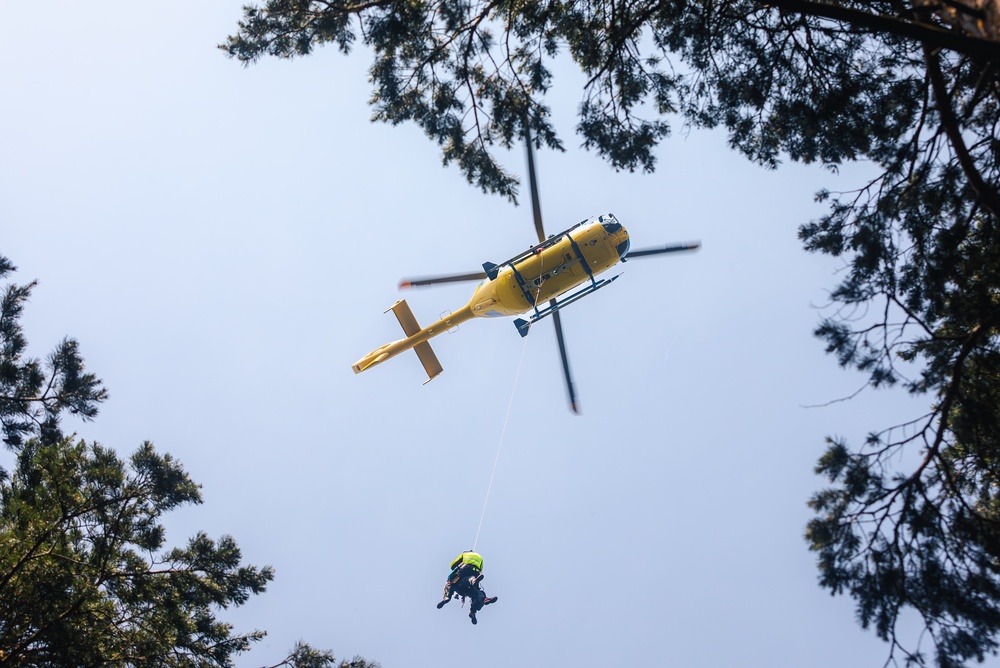
Acting Police Inspector Jason Benbow described the moment while speaking to reporters, explaining how the teenager reacted to the helicopter’s arrival. “He woke up to the sound of the helicopter, gave them a thumbs up and they winched him to safety,” Benbow said.
Flight officers then descended and retrieved William from the difficult location. The teenager was brought back to the command post, where he was reunited with his mother.
Police also described the rescue in an official statement, explaining that the flight officers had successfully brought William back to the waiting team. “Flight officers winched down and retrieved Will before bringing him back to the command post to reunite with his mum,” police said.
The operation marked the end of six days of uncertainty for his family and the emergency workers involved. After spending nearly a week in the wilderness, William was finally back in the care of people who could help him.
The thumbs-up was a particularly welcome moment because it offered an immediate indication that he was responsive when the helicopter crew found him. The rescuers could then proceed with retrieving him from the steep and difficult surroundings.
His recovery from the location was followed by a reunion with Elizabeth. For the family, the helicopter’s arrival had delivered the news they had been desperately hoping to hear.
The Teenager Was Sunburned But In Good Spirits
The images from the rescue showed that William had spent considerable time exposed to the outdoor conditions. He was shirtless and sunburned, wearing shorts and boots while using towels as makeshift blankets.
Despite his appearance, police reported that he was in good spirits and mostly in good health. That assessment was welcome news after six days spent away from the campsite and navigating difficult woodland.
The teenager had reportedly walked through steep terrain for several days before falling down the side of a riverbed. He then remained in the area for approximately two days because the steep surroundings made it difficult for him to get out.
Police also noted that the weather conditions in the alpine region had been relatively mild during the previous week. The Southern Hemisphere spring weather had brought little rainfall, which meant William had not faced particularly wet conditions during his disappearance.
However, spending several days outdoors without the usual facilities and comforts of a campsite still presented considerable challenges. The visible sunburn and the circumstances of his discovery showed that the experience had been physically demanding.
Following the rescue, William was taken to hospital so his health could be monitored. Police confirmed that medical monitoring would follow his return from the wilderness, allowing medical staff to assess his condition.
His reported good spirits offered encouragement to his family and the people involved in the search. After days of uncertainty, the teenager had survived the ordeal and was finally receiving the care he needed.
His Mother’s Reaction Captured The Relief Of The Rescue
For Elizabeth, the disappearance had meant waiting for news about her son while emergency workers searched the surrounding woodland. The fact that William had been missing for six days made the eventual reunion an especially emotional moment.
Speaking to reporters, she expressed her happiness after learning that he had been found alive. “I’m just over the moon that he’s alive,” she said.
Her words reflected the enormous relief that followed the discovery. The search had involved a large number of people, but for William’s mother, the most important outcome was that her son had returned safely.
Elizabeth also offered a humorous response when asked about what would happen after William returned home. She joked that his camping adventures might be over for a very long time.
“And he’s never leaving the house again. He’s grounded for life. He’s not going anywhere ever again,” she told reporters.
The comment brought a lighter moment to a story that had involved days of worry and an extensive rescue operation. It also captured the kind of reaction that can follow an experience in which a family has spent several days fearing the worst.
According to another account of the incident, Elizabeth also said that William had stayed in one spot and waited to be rescued. Her comments followed the discovery that he had remained near the riverbed after falling into the area.
The reunion at the command post brought the search to its conclusion. William was subsequently taken to hospital for monitoring, while his family could finally focus on his recovery.
Why William’s Level 2 Autism Was Relevant To The Search

William’s family had previously explained that he has Level 2 autism, which is associated with a requirement for substantial support. The information provided important context about his individual circumstances after he became separated from his friend.
According to the Australian advocacy organisation Autism360, people with Level 2 autism may experience marked differences in verbal and non-verbal social communication. They may also depend heavily on familiar routines and predictable activities.
Unexpected changes to those routines can cause significant distress. Becoming lost in an unfamiliar outdoor environment can therefore present additional challenges for someone who relies on predictability and support.
However, autism affects every individual differently. A diagnosis alone does not explain exactly how someone will respond to a particular situation, and individual support requirements can vary.
In William’s case, his family had shared information about his diagnosis, helping explain why his disappearance was especially concerning. The teenager had become separated from his companion while camping and was subsequently alone in unfamiliar woodland.
The search operation involved numerous people working to locate him across the difficult landscape. His eventual discovery meant he could be reunited with his family and receive appropriate medical attention.
The circumstances also demonstrated the importance of understanding an individual’s support needs when responding to a missing-person situation. Information provided by families can help authorities understand the person they are searching for and the circumstances surrounding their disappearance.
For William, the immediate priority after the rescue was medical monitoring and time with his family following the difficult experience.
The Search Ended With A Rescue Nobody Wanted To Miss
William’s disappearance brought together police officers, emergency services personnel and volunteers in an extensive search across the Australian wilderness. The operation continued for six days before a helicopter crew finally located him near a creek.
The teenager had spent days travelling through rugged terrain before falling into a riverbed, where he remained for approximately two days. His discovery on Thursday morning brought an end to the uncertainty surrounding his whereabouts.
His thumbs-up to the helicopter crew became a defining moment in the rescue, followed by his reunion with Elizabeth and a hospital visit for monitoring. Police confirmed that he was in good spirits and mostly in good health despite the time he had spent outdoors.
For the emergency workers and volunteers who had spent days searching, finding William alive was the outcome everyone had been hoping for. And for his mother, the six-day ordeal ended with the news that mattered most: her son was coming home.