
Your cart is currently empty!
The AI Backlash Has Become So Intense CEOs Are Traveling With Armed Guards
The race to dominate artificial intelligence has created some of the world’s most valuable companies, but it has also turned their executives into unexpected targets. Just a few years ago, Silicon Valley CEOs rarely needed personal protection beyond the occasional event security team. Today, armed bodyguards, secure transportation, and expanded security budgets are becoming increasingly common as anger over AI spreads from online debates to real-world confrontations.
Contents
show
The shift reflects a growing divide between the people building artificial intelligence and those who fear its impact. Critics worry AI will eliminate millions of jobs, deepen economic inequality, and hand unprecedented power to a handful of technology companies. While most opposition has taken the form of protests and activism, several recent incidents have raised concerns that hostility toward the industry is becoming more dangerous. For many executives leading the AI revolution, personal security is no longer viewed as a luxury. It is rapidly becoming part of the job.

AI Executives Are No Longer Taking Any Chances
Silicon Valley has always attracted public attention, but the level of security surrounding AI leaders has changed dramatically in a short period. As companies race to develop increasingly powerful artificial intelligence systems, executives are finding themselves at the center of growing public frustration over what the technology could mean for society.
That concern has translated into a noticeable increase in corporate spending on executive protection. Companies that once focused primarily on cybersecurity are now investing heavily in physical security as well, recognizing that online threats can sometimes spill into the real world.
“Tech CEOs, a few years ago, definitely did not have security,” Dakota Dominguez, an executive at Silicon Valley-based security firm JPT Security, told The Wall Street Journal. “A lot of tech companies now are incorporating that into their budgets.”
The growing demand has created an entirely new layer of responsibility for companies developing AI. Beyond competing to build the most advanced models, they must now consider how to protect the people leading those efforts.
The Attempted Attack On Sam Altman’s Home Changed Everything
Concerns over executive safety intensified earlier this year after one of the industry’s most alarming incidents. OpenAI CEO Sam Altman became the target of what authorities described as an attempted attack involving a firearm and a Molotov cocktail.
According to reports, 20-year-old anti-AI activist Daniel Moreno-Gama allegedly attempted to firebomb Altman’s home. Although the attack failed and no one was injured, the incident immediately raised questions about how far anti-AI sentiment could escalate beyond online criticism.
The attempted attack did not occur in isolation. Reports indicate OpenAI had already dealt with violent threats and at least one lockdown before the incident, highlighting a pattern of growing security concerns surrounding the company.
For many observers, the attack served as a wake-up call. Threats that once appeared limited to angry social media posts were now being treated as credible physical risks, forcing companies to rethink how they protect senior leadership.
Anthropic Faced Its Own Frightening Security Scare
OpenAI has not been alone in dealing with security threats. Rival AI company Anthropic also experienced a disturbing incident that demonstrated how vulnerable even highly secured technology firms can be.
Around the same period, a man reportedly gained access to Anthropic’s headquarters by slipping inside behind an employee entering the building. According to reports, he was carrying an envelope bearing the name of one of the company’s executives.
The situation quickly escalated when the individual allegedly told a security guard that the executive “was going to be killed.” Fortunately, security personnel intervened before anyone was harmed, preventing what could have become a far more serious incident.
Together, the incidents involving OpenAI and Anthropic have reinforced why many technology companies are dramatically expanding executive protection programs. What once seemed like an unlikely expense has rapidly become a business necessity.
Public Anger Toward AI Extends Far Beyond Online Criticism
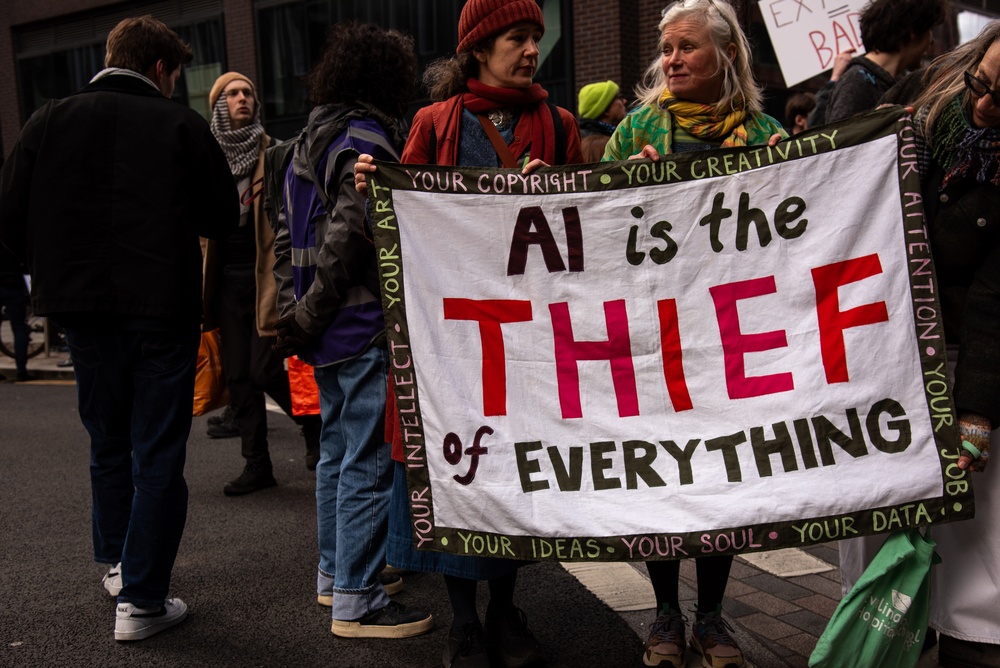
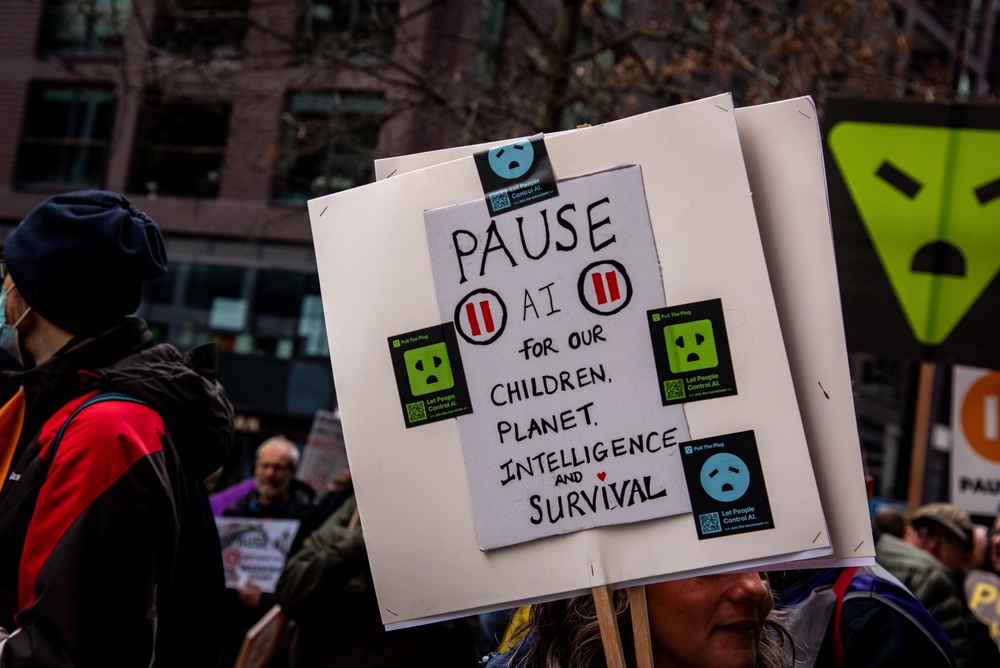
While the most alarming incidents have involved direct threats against executives, much of the backlash against artificial intelligence has taken different forms. Across the United States and other countries, activists have staged demonstrations aimed at slowing AI’s rapid expansion.
Recent actions linked to anti-AI campaigns have included:
- Protests outside AI company headquarters.
- Demonstrations targeting new AI data centers.
- Acts of vandalism against AI-powered surveillance cameras.
- Disruptions intended to draw attention to concerns about automation and corporate power.
Many critics argue that artificial intelligence could eliminate large numbers of jobs while concentrating wealth and influence among a small group of technology companies. Others fear increasingly capable AI systems could create risks that extend far beyond today’s workplace, echoing warnings that some AI leaders themselves have publicly discussed.
Critics Say AI Could Reshape Society In Ways Many People Fear
The backlash against artificial intelligence is not being driven solely by concerns over individual companies. For many critics, the debate centers on what AI could mean for society over the next decade. Rapid advances in automation have fueled fears that entire industries could be transformed, leaving millions of workers uncertain about their future.
Public concern has only grown as AI systems become more capable. From generating text and images to writing software and assisting with customer service, the technology is expanding into jobs that many people once believed were safe from automation. Some economists predict AI will create new opportunities, while others warn the transition could be painful for workers whose roles disappear faster than new ones emerge.

There are also broader concerns about the concentration of power within the technology industry. A handful of companies now control many of the world’s most advanced AI systems, giving them enormous influence over information, business, and the future direction of the technology. That concentration has become a major point of criticism among activists and former tech workers.
Others worry about risks that stretch beyond employment. Some AI researchers and industry leaders have warned that increasingly powerful systems could create long-term dangers if development outpaces regulation, adding another layer to an already heated public debate.
A Former Tech Employee Captured The Growing Frustration
One of the strongest criticisms came from Bonnie Kate Wolf, a former Pinterest employee who lost her job during an AI-focused restructuring. Speaking to The Wall Street Journal, she argued that anger surrounding artificial intelligence reflects deeper concerns about wealth, power, and the future of work.
“That’s why people are setting warehouses on fire,” Wolf said. “You can’t go back to serfdom. It really feels like the people in power want to be kings. Historically, that doesn’t work out for kings.”
Her comments illustrate how AI has become about more than technology itself. For many people, it represents a wider struggle over economic security, corporate influence, and who ultimately benefits from the next wave of innovation.
Security Has Become Another Cost Of Winning The AI Race
The combination of violent threats, attempted attacks, and increasingly organized protests has forced AI companies to rethink how they protect their executives. Security teams that once focused primarily on safeguarding corporate campuses are now expanding their role to include residential protection, secure transportation, travel planning, and around-the-clock personal security.
This trend reflects a reality that few technology leaders anticipated when generative AI first captured the public’s imagination. The industry’s biggest names are now operating under conditions more commonly associated with political figures or global business leaders than software executives.
For security firms, the demand has created a rapidly growing business. For technology companies, however, it represents another sign that public tensions surrounding artificial intelligence are becoming impossible to ignore.
As AI continues reshaping industries across the world, the debate is unlikely to become less intense. The technology promises enormous opportunities, but it also raises questions about jobs, privacy, regulation, and corporate power that remain far from settled.
The growing presence of armed bodyguards around some of Silicon Valley’s most influential leaders reflects that new reality. Whether those precautions remain temporary or become a permanent feature of the AI era may depend on how successfully the industry can rebuild public trust while continuing its rapid pace of innovation.