
Your cart is currently empty!
The Hidden Light in Your Home Could Be Affecting How Your Cells Produce Energy
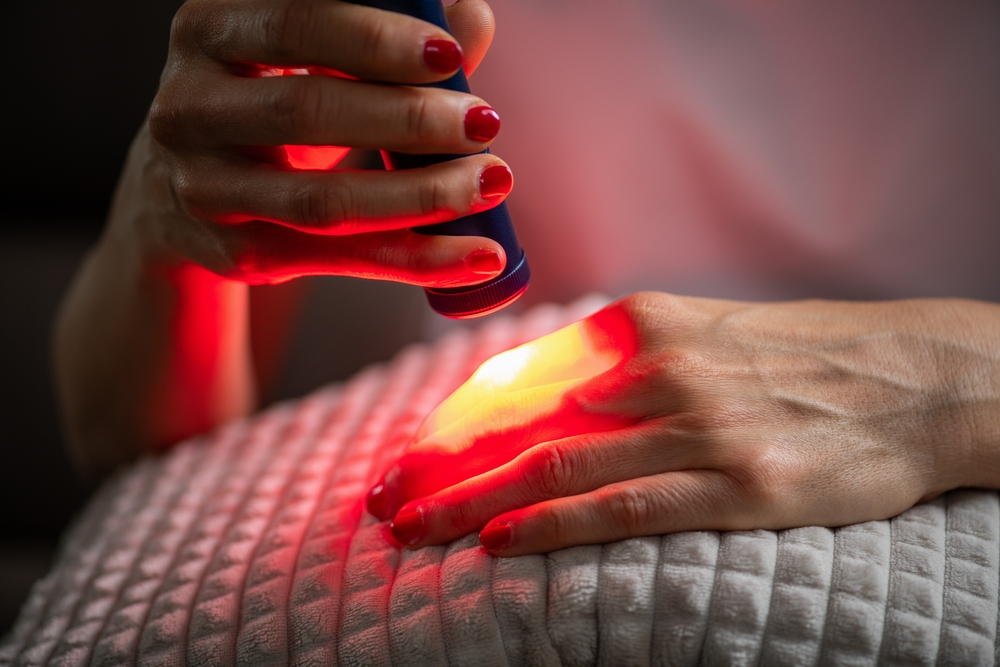
Your home’s light bulbs might be doing more than illuminating a room. Scientists are investigating whether the red and infrared wavelengths naturally present in sunlight play a role in how our cells produce energy, raising questions about the biological effects of the lighting we use every day. The idea is surprising because modern lighting has largely been designed around brightness, convenience and energy efficiency, while the effects of different wavelengths on human biology are still being investigated.
Contents
show
For decades, sunlight has been recognised as essential for life, but researchers are now examining whether light has a more direct relationship with the way animal cells function. Some scientists believe that the shift from incandescent bulbs to LEDs could have reduced our exposure to certain wavelengths worth studying. The theory has attracted attention because red and near-infrared light have been linked to cellular processes in experimental research. However, the claim that modern light bulbs are damaging human metabolism remains unproven, and the distinction between an interesting scientific possibility and an established health risk is crucial.
Why Scientists Are Looking At Your Light Bulbs
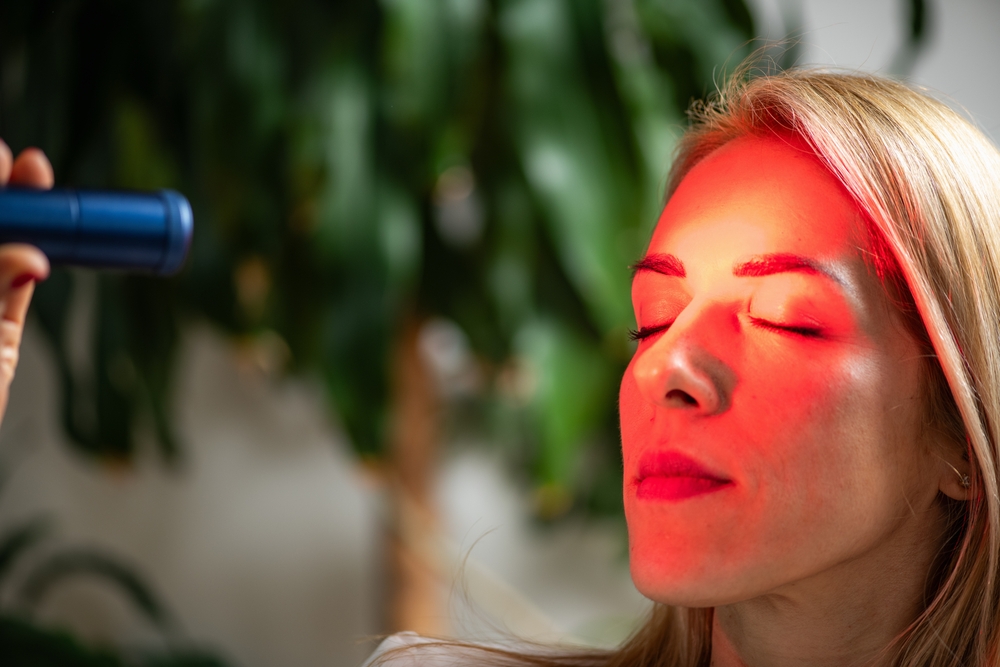
The lighting inside homes and workplaces has changed considerably over recent decades. Traditional incandescent bulbs produce visible light alongside substantial infrared radiation, while many common LEDs have a different spectral output and emit far less infrared energy. LEDs have become popular because they use electricity efficiently and last longer, but their different light profiles have prompted questions about whether the wavelengths reaching our bodies could influence biological processes.
Astrophysicist Bob Fosbury, who later turned his attention to the biology of light, has argued that light deserves consideration as a biological resource. His view challenges the assumption that light is relevant to animals primarily because it allows them to see. Plants use sunlight to manufacture carbohydrates through photosynthesis, while animals rely on food for energy. Yet researchers investigating photobiology believe light may also interact with animal cells in ways that influence their activity.
The idea is especially interesting because people spend substantial amounts of time indoors under artificial lighting. Sunlight contains a broad spectrum of wavelengths, whereas indoor bulbs produce different combinations depending on their design. Researchers are investigating whether those differences have biological consequences, although there is not yet sufficient evidence to conclude that energy-efficient bulbs are depriving people of something essential to their metabolism.
What Red Light May Be Doing Inside Your Cells
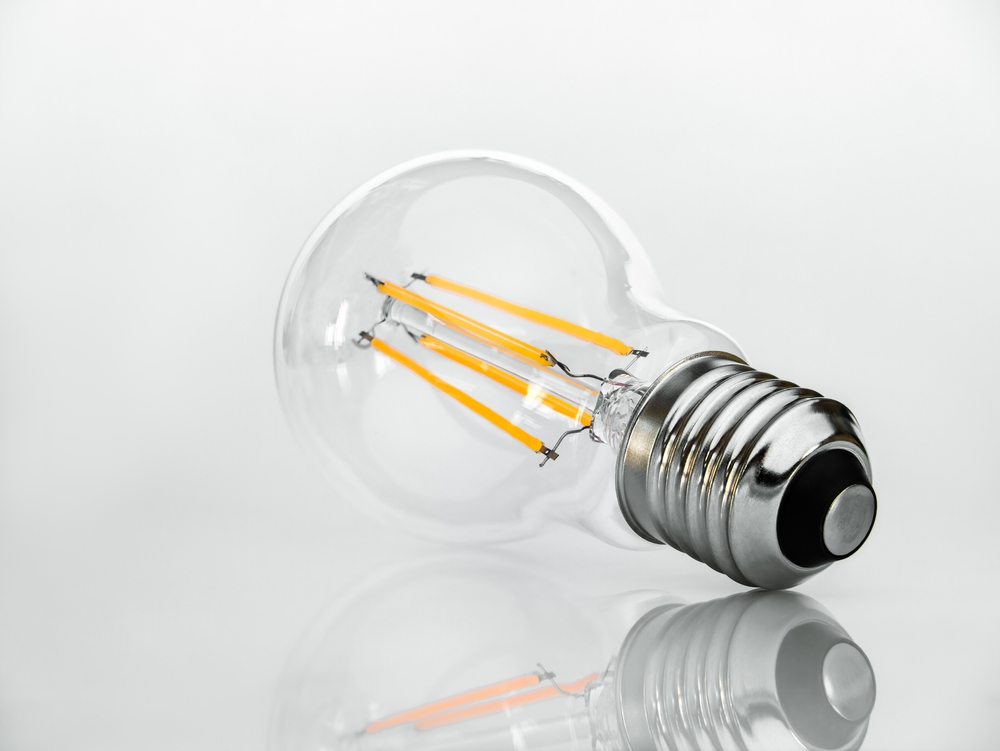
The human body depends on a constant supply of usable energy to maintain everything from muscle movement to the beating of the heart. Much of that energy is supplied through adenosine triphosphate, commonly known as ATP. Cells produce ATP through several processes, including mitochondrial oxidative phosphorylation, which uses oxygen and nutrients to generate energy. Scientists studying photobiomodulation are examining whether certain wavelengths of light can influence these processes.
The Role Of Mitochondria
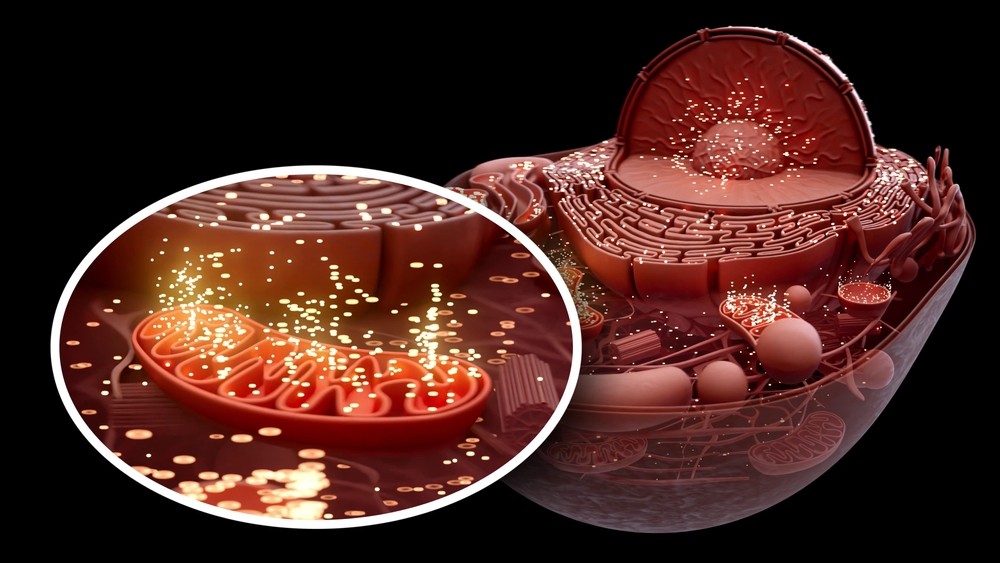
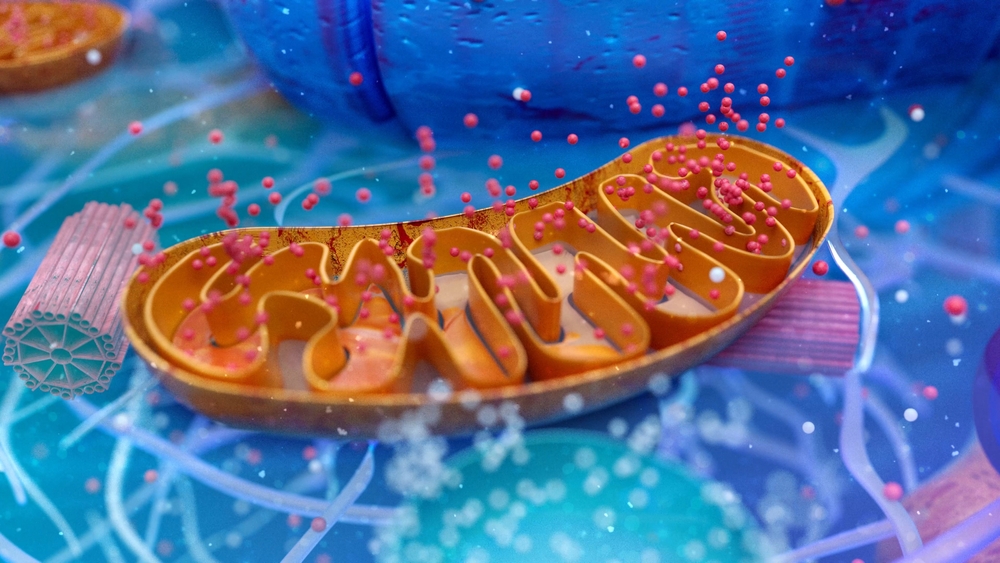
Mitochondria are structures inside cells that help convert energy from food into ATP. They contain a series of molecular complexes that transfer electrons during cellular respiration. Some laboratory research suggests red and near-infrared light can influence mitochondrial activity, with one proposed mechanism involving cytochrome c oxidase, an enzyme complex involved in the electron transport chain.
Researchers have investigated whether light exposure can affect cellular signalling, energy production and other biological responses. However, the exact mechanisms remain under investigation, and findings can vary according to the wavelength, intensity, exposure time and tissue being studied. Evidence that light can influence a biological process under controlled conditions does not automatically mean that ordinary household lighting has the same effect on the human body.
Why Wavelength Matters
Red light has longer wavelengths than blue light, while near-infrared light extends beyond the visible spectrum. These differences affect how light interacts with biological tissue and how deeply particular wavelengths can penetrate. The amount reaching a specific tissue also depends on exposure intensity, distance from the source and the characteristics of the tissue itself.
Scientists have explored red and near-infrared light in studies involving cellular activity and potential therapeutic applications. Yet the effects observed during controlled treatments cannot automatically be applied to everyday exposure from household bulbs. Researchers still need to establish which wavelengths produce meaningful effects, how much exposure is required and whether any benefits translate into better health outcomes.
How Modern Lighting Changed Our Exposure
Incandescent bulbs emit a substantial amount of energy as infrared radiation, much of which is experienced as heat. Many LEDs produce visible light through a different mechanism, often using a blue-emitting source combined with a phosphor to create white light. Their spectral output is therefore different from both incandescent lighting and natural sunlight, which contains a broad range of visible and invisible wavelengths.
The difference has led researchers to investigate whether modern indoor environments provide a different pattern of light exposure from those people experienced in the past. Someone who spends most of the day indoors may receive a different combination of wavelengths from someone who regularly spends time outdoors. However, exposure varies significantly according to the time of day, the location, the light source and the amount of time spent outside.
Several factors need to be considered when assessing the potential effects of indoor lighting:
- Spectral composition: Different bulbs produce different combinations of visible and infrared wavelengths.
- Outdoor exposure: Sunlight provides a broader spectrum than most indoor lighting.
- Time spent indoors: Daily routines influence how much natural light reaches the body.
- Exposure intensity: Distance, duration and the characteristics of a light source affect the amount of light reaching tissue.
- Biological response: The effects of a wavelength depend on the tissue exposed and the conditions of the experiment.
These differences provide legitimate reasons to study lighting and biology more closely. They do not, however, prove that energy-efficient bulbs are causing widespread metabolic problems or that replacing them would improve public health.
The Theory Linking Red Light To Blood Sugar
One area attracting scientific interest is glucose metabolism. Glucose is a major source of fuel for the human body, and its concentration in the bloodstream is regulated through several processes, including insulin secretion and glucose uptake by tissues. Researchers studying red light have investigated whether exposure to particular wavelengths could influence the way the body handles glucose following a meal or a controlled glucose intake.
Researcher Glen Jeffery has investigated the relationship between red light exposure and blood sugar. A report describing his work stated that a 15-minute exposure to red light reduced the blood sugar spike following a glucose load. The finding has prompted questions about whether light could influence metabolic processes in ways that deserve further investigation. However, a result from a specific experiment cannot establish that ordinary household lighting causes diabetes or that red-light exposure offers a reliable way to prevent it.
Why One Experiment Cannot Settle The Question
Blood sugar levels are affected by numerous factors, including food intake, physical activity, sleep, medications and individual physiology. To understand whether light exposure produces a meaningful effect, researchers need to establish whether results can be repeated across different groups of people and experimental conditions. They must also determine whether any observed change lasts long enough to influence health.
The wider theory connecting reduced red-light exposure with rising rates of obesity, type 2 diabetes and other chronic conditions remains unproven. These conditions have multiple established risk factors, and light exposure has not been established as a major cause. Research into photobiomodulation may eventually clarify whether particular wavelengths have a useful role in metabolic health, but current evidence does not justify treating household LEDs as a demonstrated health hazard.
Scientists Still Disagree About How Much Light Helps
Research into photobiomodulation has examined potential effects on cellular signalling, wound healing, pain and other biological processes. Some studies have reported encouraging results under specific experimental conditions, while others have found little or no measurable effect. Differences in treatment protocols, wavelengths, exposure levels and outcome measurements make the findings difficult to generalise across different settings.
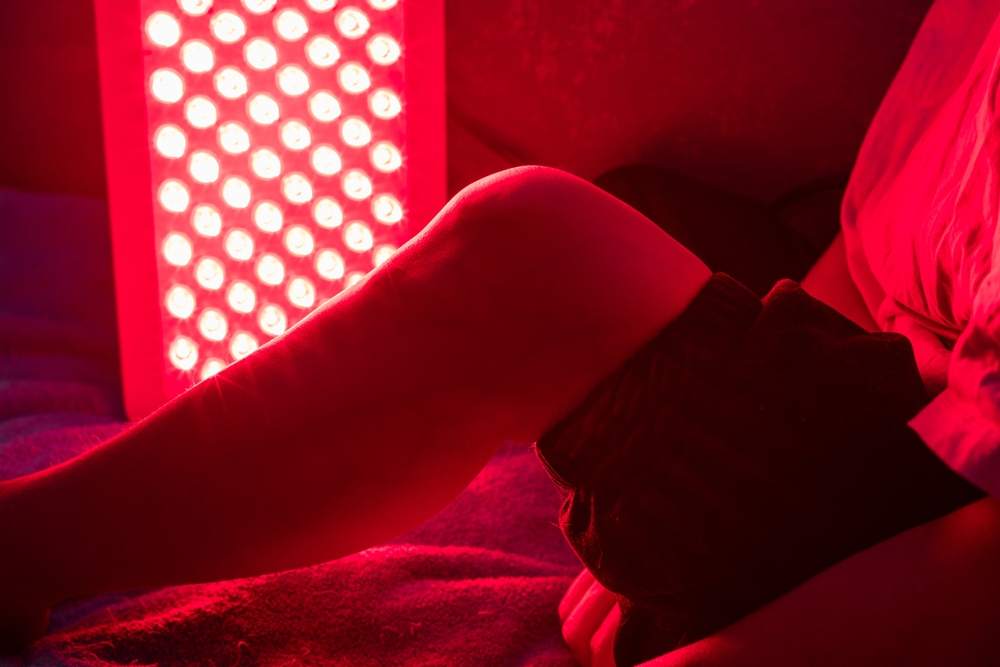
A human study published in August 2026 examined whether a single photobiomodulation session could increase mitochondrial respiration in healthy adults. Twelve participants received treatment on one leg, while the other leg received a sham treatment for comparison. Researchers then examined skin and muscle samples to assess mitochondrial respiration and changes in metabolic gene expression.
The study found no significant difference in maximal mitochondrial respiration between the treated and control legs under the conditions tested. Most of the measured metabolic gene expression outcomes also showed no meaningful change. The findings do not establish that red light has no biological effects, since the research examined a small group and a single treatment session. They do show why broad claims about light boosting cellular energy need careful testing.
What The Evidence Actually Tells Us
Research findings need to be considered in context. Experiments involving isolated cells, laboratory models and controlled treatments can help scientists identify possible mechanisms, but they do not necessarily predict what happens when people encounter light during ordinary daily activities. Human studies with larger participant groups and longer follow-up periods are needed to determine whether specific exposures produce consistent and clinically meaningful benefits.
Scientists also need to establish whether any potential benefits depend on the wavelength, the amount of light delivered or the condition being studied. Until those questions are answered, claims that people are being deprived of essential metabolic energy by modern bulbs go beyond the available evidence. The science remains an active area of investigation rather than a settled explanation for chronic disease.
What You Can Do While Researchers Investigate
There is currently insufficient evidence to conclude that ordinary household LED bulbs are damaging everyone’s metabolism. There is also no strong basis for recommending that people replace energy-efficient bulbs with incandescent lighting to prevent diabetes or other chronic conditions. However, people can make sensible decisions about their daily light exposure without spending money on specialist equipment or abandoning modern lighting.
Spending time outdoors during daylight hours is a practical way to experience natural light. Maintaining a comfortable evening lighting routine may also help people whose sleep is affected by bright light late at night. These choices do not depend on accepting claims about widespread red-light deprivation, and they fit within a broader approach to maintaining healthy daily routines.
Before purchasing red-light devices marketed for metabolism, longevity or weight management, it is worth examining the evidence for the specific product and claimed benefit. Research on one wavelength or treatment protocol cannot automatically establish that another device will produce the same outcome. People managing blood sugar or other medical conditions should continue to rely on established medical advice rather than treating light exposure as a replacement for proven care.
The Next Question Is How Much Light Our Bodies Need
Scientists have good reasons to investigate how different wavelengths interact with living tissue. Research into photobiomodulation has raised questions about mitochondrial function, cellular signalling and potential therapeutic applications. But demonstrating that light can affect cells under controlled conditions is different from proving that modern household lighting causes widespread metabolic harm.
Answering that question will require reproducible findings, larger human studies and evidence that particular light exposures improve meaningful health outcomes over time. Researchers must establish which wavelengths matter, what doses are effective and whether the effects apply to ordinary environmental lighting rather than specialised treatments.
For now, there is no reason to panic about the bulbs in your home. Energy-efficient lighting remains a practical choice, while outdoor daylight and healthy daily routines deserve attention for their established benefits. The important scientific question is whether specific wavelengths can reliably improve human health, and researchers still need stronger evidence before that possibility becomes a practical recommendation.