
Your cart is currently empty!
The Viral Calf-Raise Hack Has One Big Problem Nobody Is Talking About
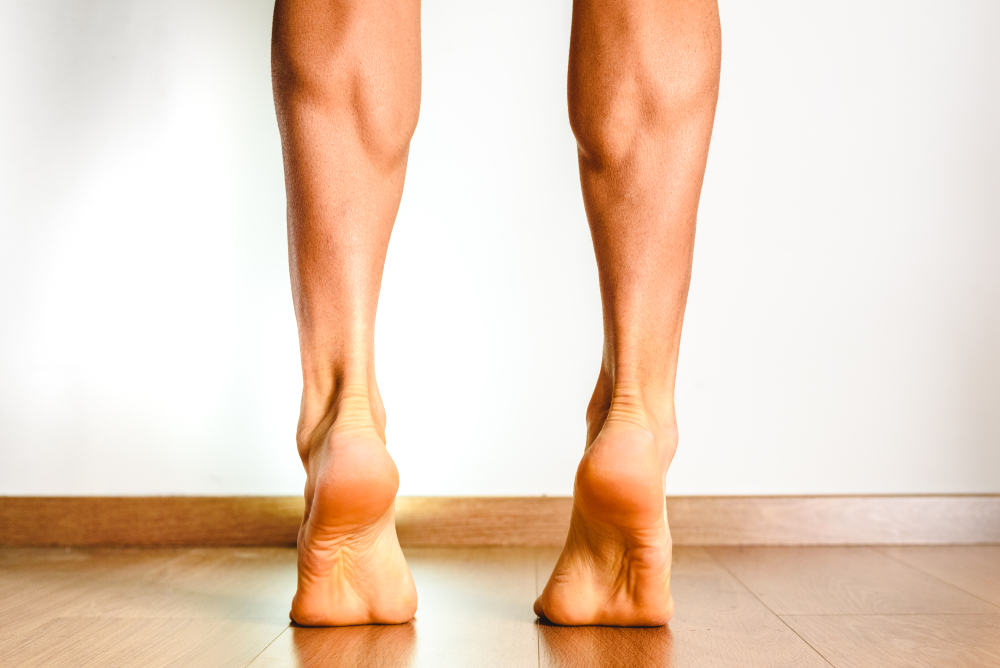
A tiny muscle buried deep inside your calf has suddenly become the center of an online fitness craze after researchers discovered that activating it can dramatically change what happens to blood sugar after a meal. The idea sounds almost absurdly simple: move your heels, activate the muscle, and let your body use some of the glucose circulating through your bloodstream. That finding has now been transformed into a popular routine involving 20 calf raises before bed, with claims that doing it for two weeks can produce surprising results. There is just one problem with that version of the story: the original research did not test anything close to the bedtime challenge now making the rounds online.
Contents
show
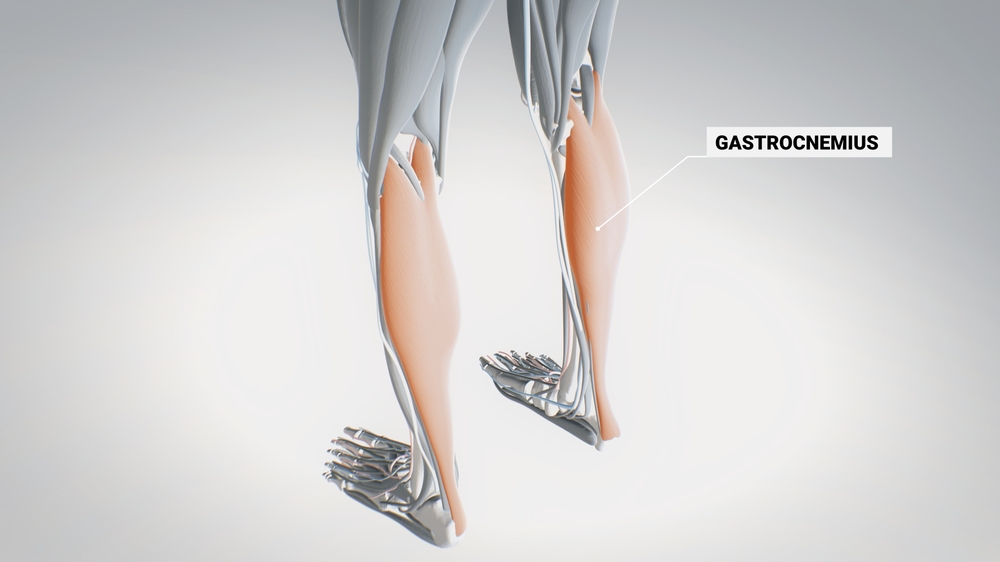
The actual experiment was much longer, much more controlled and far more specific than the viral version suggests. Participants were not standing beside their beds and knocking out a few dozen calf raises before sleeping. They spent hours repeatedly activating a particular muscle while researchers monitored what was happening to their glucose and insulin levels. Once those details are put back into the story, the research becomes even more interesting. The soleus may have an unusual ability to keep working for long periods and use circulating fuel, but that does not mean 20 quick repetitions at night have been proven to deliver the same result.
The Original Experiment Lasted Four And A Half Hours
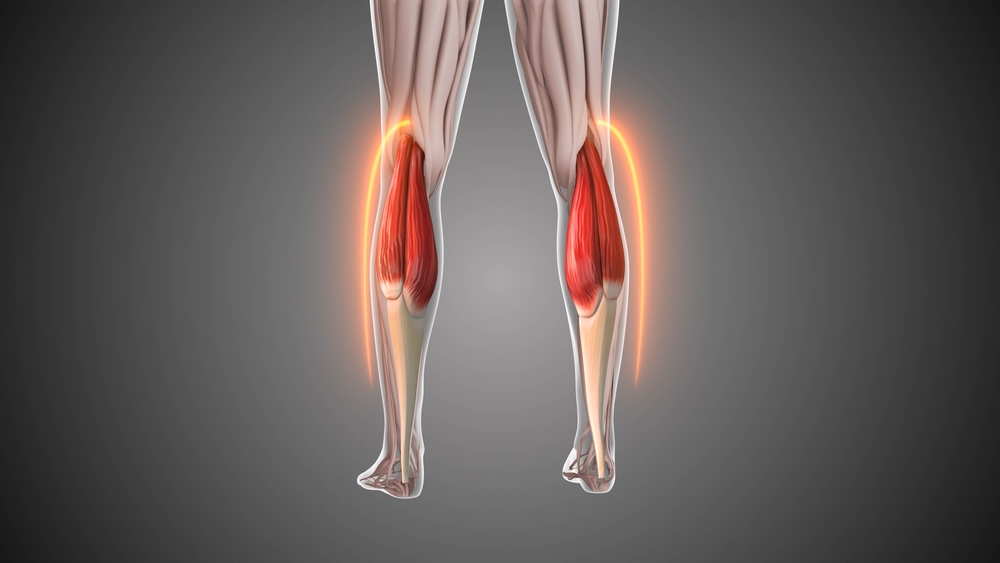
The muscle involved is the soleus, a deep muscle positioned underneath the more familiar calf muscles. It helps with standing, posture and everyday movement, meaning it spends much of the day quietly working without receiving much attention. Marc Hamilton’s team at the University of Houston published research on the muscle in iScience in August 2022, studying 25 volunteers who performed a specific seated heel-lifting movement. During the experiment, the participants experienced a 52% reduction in the post-meal glucose spike and a 60% reduction in the insulin response.
Those figures are striking, but the duration of the experiment is just as important as the result. Participants performed the movement for 270 minutes, or four and a half hours, rather than completing a short bedtime routine. That difference is easy to miss when the study is reduced to a viral fitness tip. Twenty ordinary calf raises take less than a minute, meaning the popular challenge represents only a tiny fraction of the exercise duration used in the original experiment.
Hamilton has described the soleus as capable of maintaining elevated local oxidative metabolism “for hours, not just minutes.” That characteristic is central to understanding why the researchers became interested in the muscle. The study was not showing that a handful of repetitions could suddenly transform someone’s metabolism. It was examining what could happen when this particular muscle was kept active for a prolonged period.
The result therefore needs some context before the 52% figure is attached to a bedtime routine. The number came from a controlled research setting involving a specific movement performed over several hours. It should not automatically be treated as the expected result of 20 calf raises performed at home.
The Muscle Was Doing Something Unusual With Fuel
The researchers found that the soleus behaved differently from many muscles when it was repeatedly activated for long periods. Instead of rapidly exhausting its own stored glycogen, the muscle was able to draw heavily on glucose and fats already circulating in the bloodstream. It could then continue using that fuel during prolonged contractions, which helps explain why researchers were interested in a muscle that makes up such a small portion of the body.
Hamilton said the soleus is “only 1% the body weight,” yet during these contractions it could “easily double, even sometimes triple, the whole-body carbohydrate oxidation.” That is an unusual finding because the soleus is not a large muscle compared with the major muscles of the legs. Its importance in the experiment came from its ability to remain active for extended periods without behaving like a muscle that quickly burns through its readily available fuel stores.
That also explains why the research should not be reduced to the phrase “calf raises burn blood sugar.” The body does not respond to every calf movement in exactly the same way. The researchers were studying a particular muscle under particular conditions, and the duration of its contractions was a major part of the experiment.
The intriguing part is that the soleus is already being used whenever people stand, walk or maintain their posture. The research suggests that carefully controlled activation can make this otherwise overlooked muscle contribute substantially to fuel use. That is a far more specific finding than the idea that any 20-repetition calf workout automatically produces the same metabolic response.
The Viral Version Changes The Movement
The exercise shown in viral posts can look close enough to the research movement that it is easy to assume the two are identical. They are not. The research involved participants sitting down and repeatedly lifting their heels while maintaining a particular movement pattern. The viral version often shows people standing upright and repeatedly rising onto their toes, which is a familiar calf exercise but is not automatically the same movement used in the research.
Hamilton has described the exercise as “a very specific movement” that “right now requires wearable technology and experience to optimize the health benefits.” That comment is particularly relevant because it addresses the part of the experiment that is usually missing from simplified versions online. The researchers were not simply telling people to move their calves in any way they liked. They were studying how to activate the soleus effectively.
The pace also matters. A follow-up trial used roughly 60 heel lifts per minute during a glucose tolerance test, showing that cadence was another part of the protocol. A few slow repetitions before bed therefore cannot automatically be treated as a smaller version of the same experiment.
That does not make ordinary calf raises useless. It simply means they should not be presented as though researchers tested them and found the same result. The distinction is small enough to disappear in a social media caption but large enough to change what the evidence actually says.
A Follow-Up Study Found A Smaller Effect
The original study produced an eye-catching result, but one relatively small experiment cannot establish that everyone will experience the same effect. A pilot trial published in Sports in 2025 examined 10 adults with prediabetes, whose average age was 53, and tested soleus pushups during a two-hour glucose tolerance test. The participants experienced roughly a 32% reduction in their post-meal glucose rise.
The researchers also found a difference depending on whether participants received live feedback about their muscle activity. Those who received feedback saw a reduction of about 37%, while participants without that feedback saw a reduction of about 26%. That difference adds another layer to the story because it suggests that simply performing a movement is not necessarily enough to guarantee the same degree of muscle activation.
The numbers are still interesting, but they are different from the 52% reduction reported in the original research. That does not mean the first study was wrong or that the later trial disproved it. The experiments were small and used different conditions, so the results should be viewed as pieces of an emerging research picture rather than a universal prescription.
The sample size also matters. Ten participants is enough to make a pilot study worth investigating further, but it is not enough to establish that millions of people will experience a particular reduction in blood sugar. Larger studies would be needed to determine how consistent the effect is across different ages, health conditions and activity levels.
The Bedtime Claim Has Never Been Tested
This is where the popular bedtime challenge moves beyond what the research actually tested. The available studies measured what happened when the soleus was activated while glucose was circulating after a meal. They did not test what happened when someone performed 20 calf raises immediately before going to sleep, and they did not follow participants for two weeks to see whether the ritual produced a measurable transformation.
The timing matters because the original research focused on a period when glucose from food was entering the bloodstream. That gave the active muscle an available source of circulating fuel. By bedtime, someone may be several hours beyond their evening meal and already moving toward an overnight fasting period, meaning the metabolic situation is different from the one examined by researchers.
There is also no evidence from these studies that 20 bedtime calf raises improve sleep. A short, gentle movement routine may feel comfortable and could become part of a person’s evening habits, but that is not the same as having a clinical trial demonstrating a specific sleep benefit.
The viral claim therefore combines several separate ideas into one neat package: blood sugar control, calf circulation, sleep and a two-week transformation. The research supports some interesting biology around the soleus, but it does not establish that all of those outcomes come from 20 repetitions before bed.
After A Meal, The Timing Makes More Sense
The evidence points toward a much more practical use of the movement, particularly around meals. Jessie Inchauspe, who helped introduce the exercise to a wider audience, has recommended performing it for five to 10 minutes after eating, during the period when a post-meal glucose rise is taking place. That timing fits the basic mechanism being studied far better than doing the exercise hours after dinner.
She has also made clear that the widely repeated 52% figure came from prolonged calf-muscle activity rather than a brief minute of exercise. That distinction changes the way the number should be understood. Someone cannot perform 20 repetitions and reasonably assume that they have reproduced an intervention that kept the muscle active for hours.
Walking after a meal is another straightforward option for people who want to add movement after eating. It does not require specialized equipment or a precise seated technique, and it can be incorporated into ordinary routines. The important point is that moving after a meal gives the muscles something useful to do while the body is processing food.
The soleus research adds another possibility for people who spend long periods sitting. Short bouts of movement may be easier to fit into a workday than a conventional workout, although the exact dose needed to reproduce the research findings remains an open question.
Your Calves Really Do Help Move Blood
There is another part of the calf-raise conversation that has a much clearer physiological explanation. The calf muscles contribute to the calf muscle pump, helping push blood upward through the veins of the legs against gravity. Valves inside the veins help keep blood moving in the correct direction, while repeated contractions from the surrounding muscles assist the return journey toward the heart.
The Cleveland Clinic describes this mechanism as a “second heart” because each step causes the calf muscles to squeeze and help move blood upward. When someone spends hours sitting or standing without moving their legs, blood can collect in the lower limbs. That can contribute to swelling around the ankles and a sensation of heaviness, particularly after long periods of inactivity.
Regular movement helps keep that pump active, which is one reason simple leg and ankle movements can be useful during long periods of sitting. During travel, for example, moving the feet and legs periodically can provide some muscle activity when walking around is difficult.
That circulation benefit is separate from the blood-sugar findings. The calf muscle pump is a well-established part of normal circulation, while the viral bedtime claim about glucose reduction has not been tested in the same way. Keeping those claims separate makes the overall story much easier to understand.
The Sleep Evidence Is Much Thinner
The claim that calf raises before bed improve sleep has considerably less direct evidence behind it. Low-intensity evening exercise can support better sleep for some people, and a 2021 study cited by AARP found that low-intensity exercise in the evening may support sleep quality. Calf raises appear on lists of gentle evening exercises because they are simple and low impact, but that does not mean researchers have specifically demonstrated that 20 calf raises improve sleep.
A broader 2025 review published in BMC Public Health examined 86 trials and found improvements in sleep across several forms of exercise, including aerobics, resistance training, yoga, tai chi and Pilates. Those findings show that physical activity can have a relationship with sleep, but they do not establish a special effect from calf raises performed immediately before bed.
Claims about cortisol falling or the nervous system becoming calmer are also proposed explanations rather than results from a dedicated bedtime calf-raise trial. There may be perfectly reasonable physiological theories behind why gentle movement could help someone wind down, but a theory should not be presented as though it were a measured result.
For someone who enjoys doing a few slow calf raises as part of an evening routine, there is little reason to turn the habit into something complicated. The bigger mistake would be assuming that a convenient bedtime ritual has already been proven to produce the same metabolic effects seen in a carefully controlled research protocol.
The Real Trick Is Moving More Often
The most useful lesson from the research may have little to do with bedtime at all. The soleus work points toward the potential value of repeatedly activating a muscle during otherwise sedentary periods, particularly around meals when glucose is entering the bloodstream. That could mean adding short periods of movement after eating, breaking up long stretches of sitting during the workday, or using simple leg movements during long journeys when getting up is difficult.
A few practical options stand out:
- After meals: Add several minutes of gentle movement during the period after eating.
- During long sitting periods: Break up extended stretches of inactivity with simple leg and ankle movements.
- During travel: Move your feet and legs periodically when you cannot walk around.
- During the workday: Use short movement breaks rather than waiting for one long workout later.
These options should not be confused with the exact laboratory protocol. Four and a half hours of controlled contractions cannot be reduced to 20 repetitions and still be described as the same experiment. The research raises an interesting question about how much metabolic work can come from small muscles that remain active for long periods, but scientists still need more evidence to establish how that translates into ordinary daily exercise.
Twenty Reps Are Not The Whole Story
There is nothing inherently wrong with doing 20 slow calf raises before bed if the movement feels comfortable and fits naturally into someone’s routine. The problem starts when a simple habit is presented as though it has been clinically proven to deliver results that researchers never actually measured. The available studies provide an intriguing look at what happens when the soleus is repeatedly activated, especially after a meal, but they do not establish that a 40-second bedtime routine will lower blood sugar by 52%, improve sleep or create a visible transformation after two weeks.
The more interesting finding is sitting in plain sight. A muscle weighing roughly 1% of the body can perform substantial metabolic work when it is activated repeatedly for long periods. That discovery gives people a reason to think differently about everyday movement, especially during the hours spent sitting at desks, eating meals or traveling. The viral bedtime challenge may have simplified the science, but the research behind it points toward something more useful: sometimes the smallest movements deserve a much closer look.
Sources:
- Hamilton, M. T., Hamilton, D. G., & Zderic, T. W. (2022). A potent physiological method to magnify and sustain soleus oxidative metabolism improves glucose and lipid regulation. iScience, 25(9), 104869. https://doi.org/10.1016/j.isci.2022.104869
- Fischer, K. (2026, March 13). 8 Best exercises to help you sleep at night. AARP. https://www.aarp.org/health/healthy-living/best-exercises-to-help-you-sleep/