
Your cart is currently empty!
Tourist Arrested After Throwing Rock at Endangered Hawaiian Monk Seal
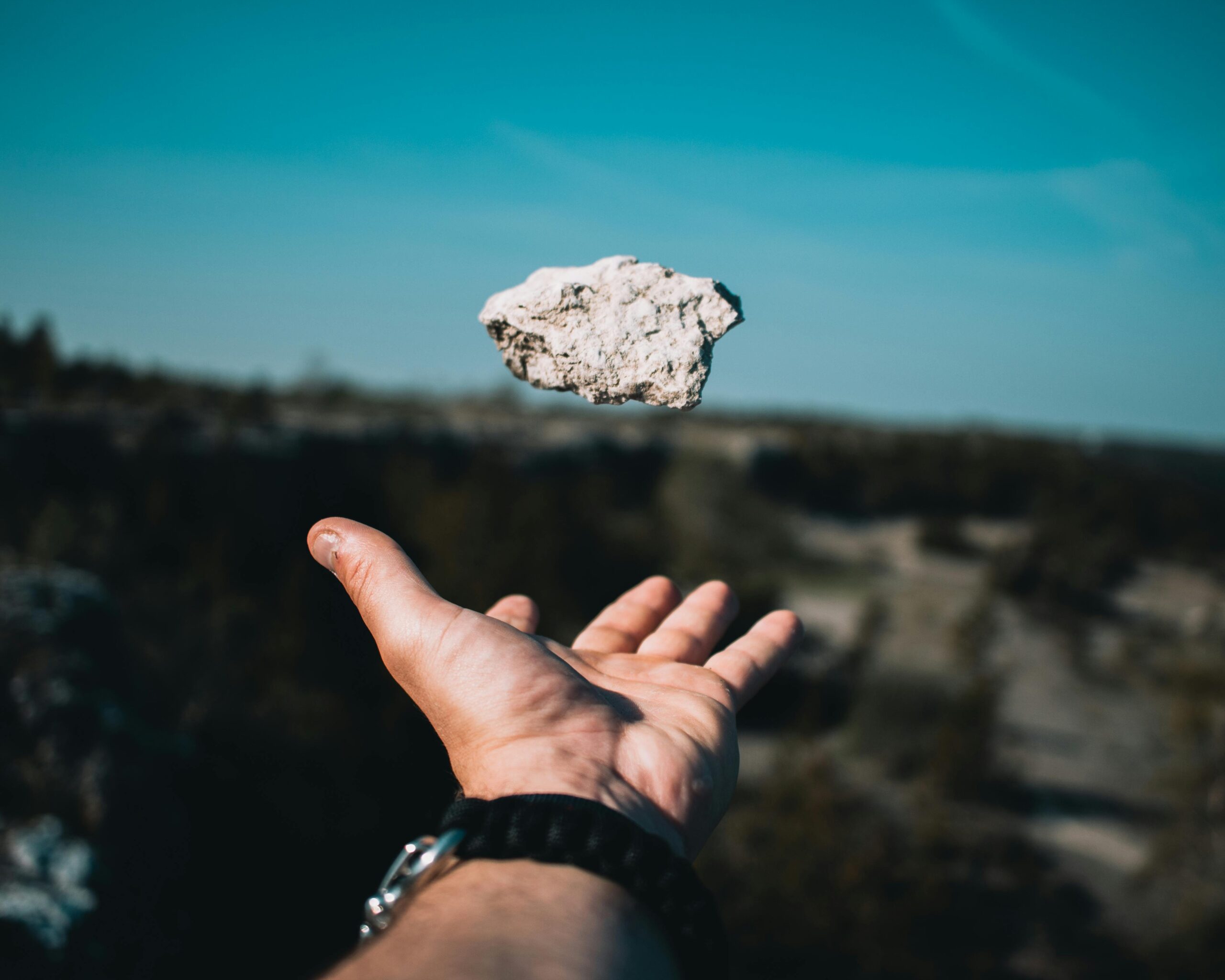
A man accused of throwing a large rock at the head of an endangered Hawaiian monk seal in Maui has now been arrested by federal agents after the incident sparked outrage across Hawaii and far beyond.
Contents
show
The case exploded online after video footage showed the tourist taking aim at a monk seal known locally as “Lani,” a beloved animal that many residents see as a symbol of resilience after Lahaina’s devastating wildfires.
Federal prosecutors say the man, identified as 38-year-old Igor Mykhaylovych Lytvynchuk of Covington, Washington, now faces criminal charges under both the Endangered Species Act and the Marine Mammal Protection Act.
Federal Agents Arrested The Tourist Near Seattle
According to the U.S. Attorney’s Office in Hawaii, National Oceanic and Atmospheric Administration special agents arrested Lytvynchuk near Seattle on May 13.
Prosecutors allege that the incident happened on May 5 along the shoreline in Lahaina, Maui, where Lani was swimming close to shore while interacting with a floating log.
Witnesses told investigators they watched Lytvynchuk track the seal’s movements before picking up what officials described as a coconut-sized rock.
The criminal complaint states that he then “took aim” and threw the rock directly toward the endangered seal’s head.
The rock reportedly missed Lani’s nose by a narrow margin.
Investigators said the impact caused the seal to suddenly change behavior and rear up out of the water in distress.
Witness Kaylee Schnitzer recorded the incident on her cellphone, and the footage quickly spread online.
In the video, Schnitzer can be heard shouting, “What are you doing?” and “Why would you throw a rock at it?” as the seal reacts in the shallow water.
The footage triggered immediate anger across social media, especially in Hawaii, where monk seals are deeply protected and emotionally important to many communities.
Prosecutors Say He Claimed He Was ‘Rich Enough’ To Avoid Consequences

The part of the story that intensified public outrage came moments after the rock was thrown.
According to the federal complaint, witnesses confronted Lytvynchuk immediately after the incident and told him law enforcement had been contacted.
Prosecutors say he responded by claiming he “did not care” and was “rich enough to pay any fines” before leaving the area.
That alleged remark spread almost as quickly as the video itself.
For many people online, the statement became symbolic of what they viewed as entitlement and disregard toward protected wildlife.
Federal officials did not mince words after charges were filed.
U.S. Attorney Ken Sorenson said authorities were committed to protecting Hawaii’s endangered species and warned that people who harass them would face swift accountability.
“The unique and precious wildlife of the Hawaiian Islands are renowned symbols of Hawaii’s special place in the world and its incredible biodiversity,” Sorenson said.
“We are committed to protecting our vulnerable wild species, in particular endangered Hawaiian monk seals, like Lani.”
The charges carry serious penalties.
If convicted, Lytvynchuk could face up to one year in prison for each charge. Prosecutors also say he faces a fine of up to $50,000 under the Endangered Species Act and another $20,000 under the Marine Mammal Protection Act.
That brings the total potential fines to $70,000.
Why Lani Means So Much To Maui Residents
The viral reaction to the case was not only about the act itself.
For many residents of Lahaina, Lani represents something much bigger.
The Hawaiian monk seal became widely recognized in the area after returning to Lahaina following the catastrophic 2023 wildfire that destroyed much of the historic town and killed more than 100 people.
Residents saw her return as a small but meaningful sign of recovery during one of the darkest periods in Maui’s modern history.
Maui Mayor Richard Bissen addressed that emotional connection directly after the arrest was announced.
He said the prosecution sends a message that cruelty toward protected wildlife will not be tolerated in Hawaii.
“Lani is a reminder that humanity and the instinct to protect what is vulnerable are still values people can unite around,” Bissen said.
The mayor also revealed that he personally contacted the U.S. attorney in Honolulu to advocate for prosecution in the case.
That level of political attention reflected just how strongly the incident resonated with the community.
Lani is not simply another wild animal to local residents.
People in Lahaina have watched her for years. Tourists photograph her from a distance. Wildlife volunteers monitor her movements. Residents share updates about her online.
The seal’s survival story became connected to the town’s own struggle to heal.
That made the video even more difficult for many people to watch.
Hawaiian Monk Seals Are One Of The Rarest Marine Mammals On Earth
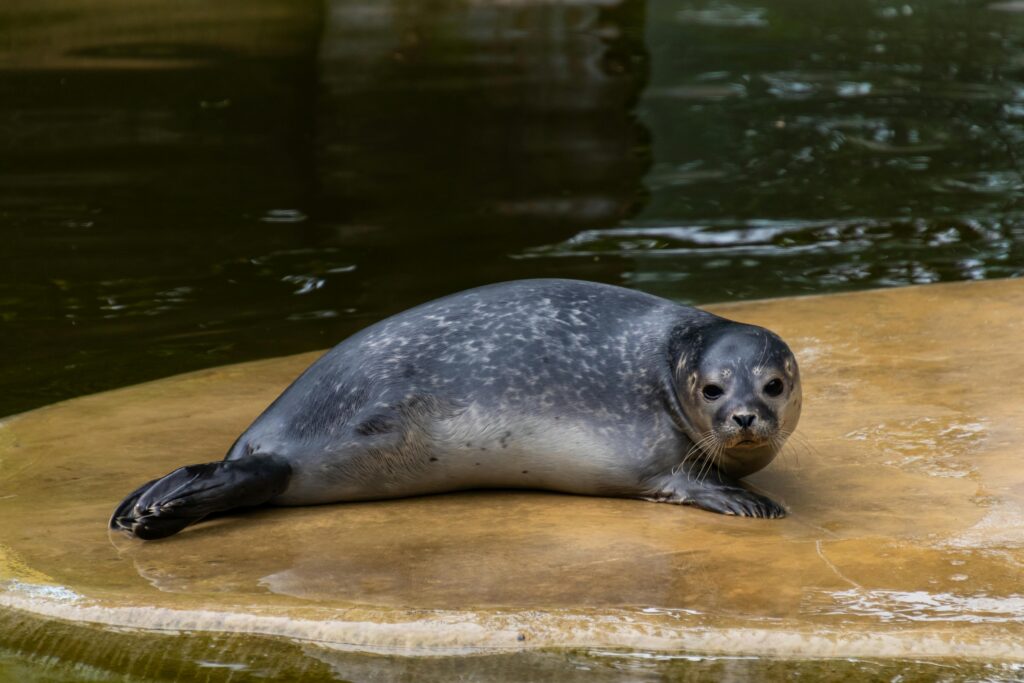
Hawaiian monk seals are among the most endangered marine mammals in the world.
Scientists estimate that only around 1,600 remain in the wild.
The species exists almost exclusively in Hawaii and faces a long list of threats, including habitat loss, fishing entanglements, pollution, disease, shark predation, and human disturbance.
According to NOAA, the seals are protected under both the Endangered Species Act and the Marine Mammal Protection Act.
Harassing or harming one can lead to criminal prosecution.
Officials define harassment broadly.
Actions that disrupt a seal’s natural behavior, including chasing, touching, feeding, or throwing objects near them, can all qualify as violations.
Authorities in Hawaii have repeatedly warned visitors not to approach monk seals resting on beaches.
Volunteers often place signs and barriers around animals to create distance between seals and the public.
Many tourists are surprised to learn how vulnerable the species remains.
Although conservation efforts have helped stabilize populations in recent years, Hawaiian monk seals are still considered critically endangered.
Wildlife experts say every individual animal matters.
Female monk seals are especially important because the population is relatively small and isolated.
The seals also reproduce slowly, which makes recovery difficult.
Some of the biggest threats facing Hawaiian monk seals today include:
- Human disturbance along beaches and shorelines
- Fishing hooks and marine debris
- Habitat destruction and coastal development
- Entanglement in nets and plastic waste
- Disease outbreaks and environmental stress
- Injuries caused by intentional human actions
Wildlife officials say intentional harassment cases are relatively rare, which is one reason this incident drew such intense attention.
The Video Triggered Outrage Across Social Media

The footage spread rapidly across TikTok, X, Instagram, and Facebook after witnesses uploaded clips of the confrontation.
Many users expressed anger not only over the alleged attack itself, but also over the reported comments about being wealthy enough to avoid consequences.
Animal welfare groups, Maui residents, and environmental advocates shared the footage widely.
Some users demanded criminal charges within hours of the video circulating.
Others called for permanent bans from Hawaii for tourists who abuse wildlife.
The incident also reignited long-running frustrations among Hawaii residents regarding disrespectful tourist behavior.
Locals have frequently raised concerns about visitors ignoring environmental rules, entering restricted areas, damaging coral reefs, or approaching protected animals too closely for photos.
For many residents, the monk seal case became part of a larger conversation about respect for Hawaii’s culture, land, and wildlife.
One reason the reaction intensified so quickly was because the video appeared so direct.
There was little ambiguity about what viewers were seeing.
The footage reportedly showed a man clearly aiming and throwing a large object toward the seal’s head.
That visual impact helped turn the story into international news within days.
The case was soon covered by major outlets across the United States and overseas.
Locals Allegedly Confronted Him After The Incident

The viral story became even more dramatic after additional videos surfaced online showing a confrontation involving local residents.
Some reports described the encounter as “street justice” after a resident physically confronted Lytvynchuk following the alleged attack.
Videos of the altercation spread online almost as quickly as the original seal footage.
State officials later referred to the local resident involved as an “Ambassador of Aloha.”
The confrontation reflected the emotional intensity surrounding the incident.
In Hawaii, monk seals are not viewed as distant wildlife.
Many residents see them as part of the islands themselves.
Native Hawaiian cultural traditions place deep importance on respect for the natural world and living creatures.
The reaction in Lahaina showed how strongly many locals felt that line had been crossed.
At the same time, officials emphasized that the federal charges would handle the matter through the legal system.
Authorities have not suggested that Lani suffered long-term physical injuries.
Experts who later assessed the seal reportedly found that she had returned to normal behavior.
That outcome brought some relief to residents who feared the incident could have been fatal.
Still, wildlife advocates noted that the emotional shock to the animal and the potential danger remained serious.
A rock thrown with enough force could easily have caused catastrophic injuries.
Hawaii Has Strict Laws Protecting Marine Wildlife
Hawaii enforces some of the strongest wildlife protections in the United States, particularly involving endangered marine species.
The Hawaiian monk seal receives federal protection because of its critically endangered status.
Under the Marine Mammal Protection Act, it is illegal to harass, harm, hunt, capture, or kill protected marine mammals.
The Endangered Species Act adds another layer of penalties for species facing extinction risks.
Federal authorities have increasingly cracked down on cases involving wildlife harassment in Hawaii over the past decade.
Officials say tourism growth and viral social media culture have created new problems.
Some visitors attempt to get close-up videos or photos with protected animals despite warning signs and legal restrictions.
Wildlife officers regularly remind visitors to stay at least 50 feet away from monk seals.
NOAA and Hawaii wildlife agencies have repeatedly warned that approaching marine animals too closely can stress them, interrupt feeding or nursing behavior, and increase injury risks.
Several recent incidents have involved tourists touching sea turtles, chasing dolphins, or crowding resting seals.
Conservation groups say public education remains one of the biggest challenges.
Many visitors simply do not understand how fragile Hawaii’s ecosystems are.
Others underestimate how aggressively federal authorities can respond when endangered species are harmed.
This case may become one of the most visible examples yet.
Federal prosecutors moved quickly after the footage surfaced, and the arrest happened within days.
That rapid response appeared designed to send a strong warning.
The Case Has Become Bigger Than One Viral Video
What began as a shocking moment on a Maui shoreline has now become part of a larger debate about tourism, accountability, and the treatment of endangered wildlife.
For residents in Lahaina, the story carried emotional weight because of what the town has already endured.
After the 2023 wildfire disaster, many people saw the return of wildlife like Lani as a sign that nature was slowly recovering alongside the community itself.
The attack disrupted that sense of healing.
It also exposed how quickly one visitor’s actions can ignite national anger in the social media era.
Within hours, millions of people had seen the footage.
Within days, federal agents had made an arrest.
The speed of the response reflected both the seriousness of the allegations and the level of public attention.
The story also highlighted a reality many wildlife experts have warned about for years.
Endangered species do not only face threats from pollution, climate change, or habitat destruction.
Sometimes the danger comes from ordinary moments involving ordinary people making reckless decisions.
For Hawaii officials, the prosecution appears intended to make an example out of the case.
Authorities want tourists to understand that wildlife laws are not symbolic.
They are enforceable criminal statutes backed by prison time, heavy fines, and federal investigations.
The case is still moving through the court system.
Under U.S. law, Lytvynchuk is presumed innocent unless proven guilty beyond a reasonable doubt.
But regardless of the legal outcome, the footage has already left a lasting impression across Hawaii.
For many people who watched the video, the image that stayed with them was not the man holding the rock.
It was the monk seal lifting herself from the water in confusion after the object narrowly missed her head.
That single moment turned Lani into a global symbol overnight.
And for Hawaii residents who fought to protect her long before the cameras arrived, the federal arrest signaled that someone was finally being held accountable.