
Your cart is currently empty!
Trump Pushes Federal Agencies to Buy American Products Only
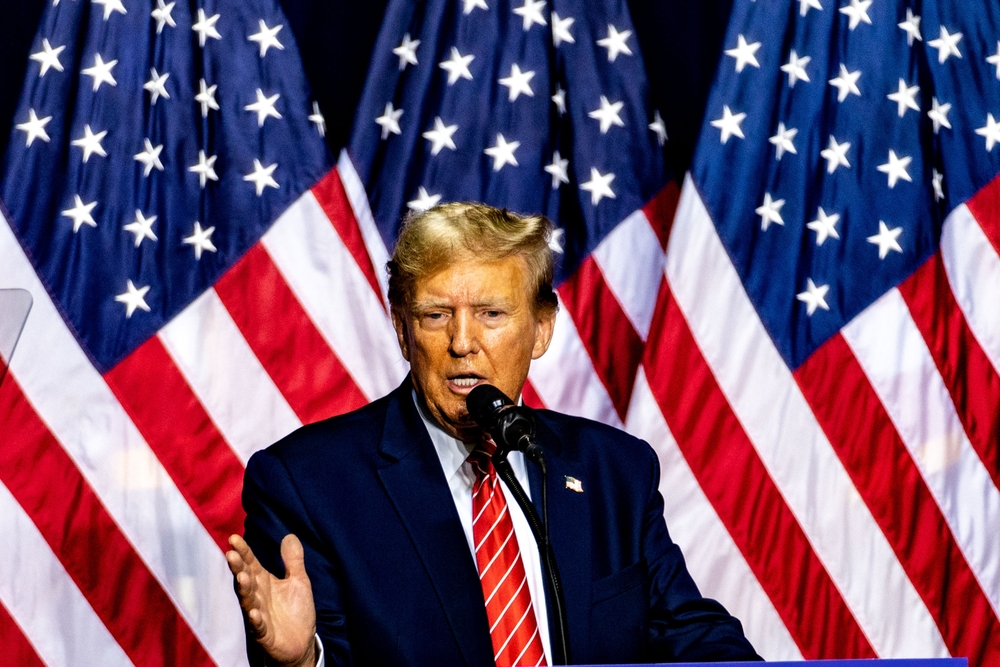
President Donald Trump is once again putting federal purchasing under the spotlight, this time with a direct order aimed at forcing government agencies to prioritize American-made goods.
Contents
show
In a fiery Truth Social post, Trump declared that “ALL FEDERAL AGENCIES MUST BUY AMERICAN — NO EXCUSES!” while accusing Washington bureaucrats of sending taxpayer money overseas for decades.
The renewed push arrives as Trump intensifies his broader America First economic agenda during his second term, with the White House focusing heavily on manufacturing, supply chains, and domestic industry. The message was simple: if American products are available, the federal government should stop buying foreign alternatives.
Trump Says The ‘Betrayal’ Of American Workers Is Over
Trump’s latest remarks were directed squarely at federal agencies that routinely approve waivers allowing foreign-made products to be used in government contracts.
“For decades, Washington politicians sent your Taxpayer Dollars overseas, and let Foreign Countries rip us off while our Workers, Factories, and Supply Chains were left behind,” Trump wrote.
“That betrayal is OVER.”
He also warned federal officials against approving exemptions too freely.
“And to the D.C. Bureaucrats: NO MORE handing out Waivers like candy! No more rubber-stamping exceptions for Foreign Products while American Workers get shafted,” Trump added.
The comments were posted as the administration continues tightening domestic sourcing requirements across federal procurement programs. Trump argued that the government should not purchase foreign goods when comparable American-made products are available.
The president framed the issue as both an economic and patriotic concern. According to Trump, buying American products strengthens factories, protects jobs, and reduces the country’s reliance on overseas supply chains.
The post also tied directly into Trump’s long-running political message about rebuilding U.S. manufacturing after decades of globalization.
“We are putting American Workers, American Factories, and American Supply Chains FIRST — Bigger, better, and stronger than ever before!” Trump wrote.
What The Buy American Rules Actually Mean
Although Trump’s comments sounded sweeping, federal agencies are already required to follow domestic purchasing laws in many situations.
The central law is the Buy American Act of 1933, which generally requires federal agencies to purchase goods made in the United States for public use.
The law has existed for nearly a century, but enforcement has varied dramatically depending on the administration and the type of contract involved.
Under current rules, agencies can still receive waivers allowing them to buy foreign-made products under certain circumstances.
These exceptions usually fall into three categories:
- The American-made product costs significantly more
- The required product is unavailable from U.S. manufacturers
- Domestic sourcing would conflict with the public interest
Those exemptions have become a major target for Trump.
The president has repeatedly argued that agencies rely too heavily on waiver approvals, creating loopholes that weaken domestic manufacturing protections.
Critics of the current system say agencies often choose foreign suppliers because they are cheaper or faster, even when American alternatives exist.
Supporters of stricter Buy American enforcement argue that the federal government spends hundreds of billions of dollars each year through procurement contracts. That means even modest changes in purchasing policy could shift enormous amounts of money toward U.S. factories.
The issue extends across multiple sectors including infrastructure, transportation, military equipment, technology, and government uniforms.
Kimberly Glas, president and CEO of the National Council of Textile Organizations, argued earlier this year that Americans would be surprised to learn how many products used by federal workers are manufactured overseas.
“When Americans see a U.S. Immigration and Customs Enforcement official, a federal air marshal, or a National Park Service ranger, they assume the uniforms they wear represent more than authority,” Glas wrote in a Newsweek op-ed.
“They expect them to represent the country itself.”
Trump’s Earlier Executive Orders Laid The Groundwork
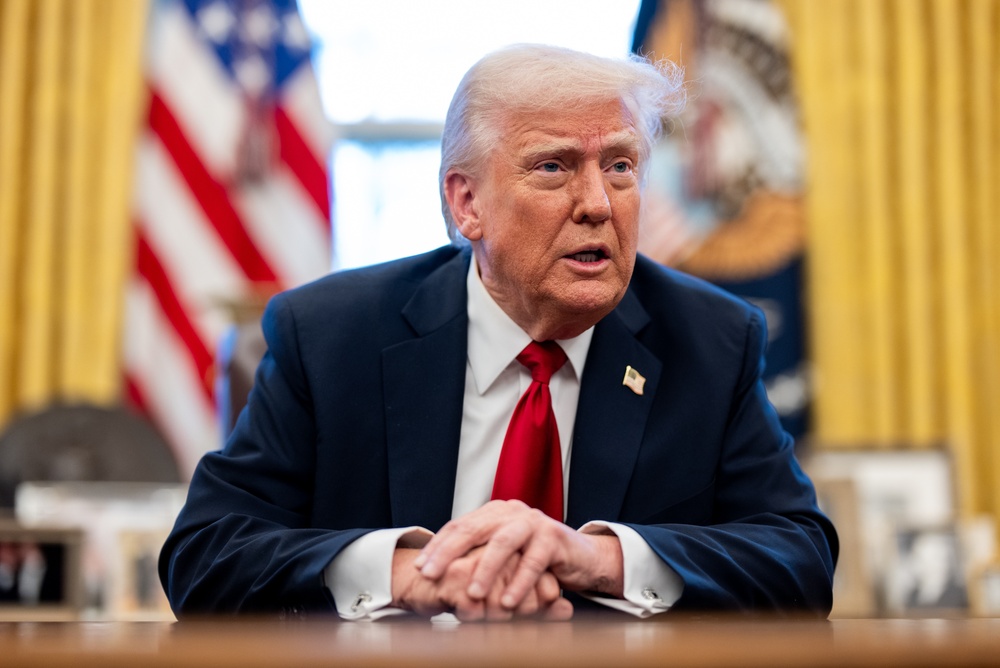
This is not the first time Trump has launched a Buy American campaign.
During his first administration, Trump signed several executive orders aimed at strengthening domestic manufacturing requirements and increasing enforcement against foreign sourcing.
One of the most notable actions came in 2017 through the “Buy American, Hire American” executive order.
That directive instructed agencies to maximize the use of American-made goods and services while increasing scrutiny on waiver requests.
Two years later, Trump signed another order called “Strengthening Buy-American Preferences for Infrastructure Projects.”
That order focused heavily on steel and iron production.
The Steel And Iron Requirements
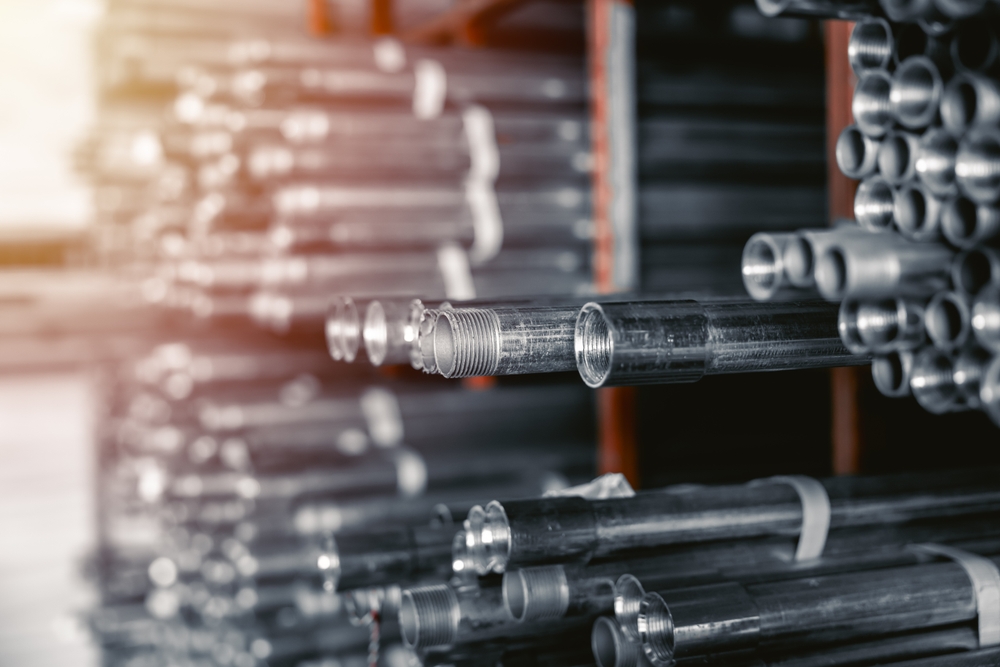
Under the infrastructure order, products could only qualify as American-made if the manufacturing process happened entirely inside the United States.
The rules stated that everything from the initial melting stage through coating applications had to occur domestically.
The administration argued that some companies were exploiting weak labeling standards by importing partially manufactured products while still marketing them as American-made.
That concern has now expanded into Trump’s second-term crackdown on allegedly fake “Made in America” claims.
The March Executive Order On False Labels
In March, Trump signed Executive Order 14392 aimed at combating fraudulent “Made in America” advertising.
The order directed the Federal Trade Commission to prioritize enforcement against companies and online sellers accused of misleading consumers about where products were manufactured.
The administration also instructed federal agencies to coordinate with the FTC on country-of-origin rules and conduct periodic checks on products used in federal procurement contracts.
According to Trump, the government plans to crack down aggressively on companies that falsely market imported products as American-made.
“I already signed EO 14392 to crack down on fake ‘MADE IN AMERICA’ claims, and we are enforcing it HARD,” Trump wrote.
The administration said suspected violations could be referred to the Department of Justice for possible enforcement action.
Why Federal Procurement Matters So Much
Government procurement may sound like a dry bureaucratic issue, but it plays a massive role in the American economy.
Federal agencies award hundreds of billions of dollars in contracts every year.
Those contracts influence where factories are built, which industries expand, and how companies organize supply chains.
A stricter Buy American policy could potentially shift significant spending toward domestic manufacturers.
Supporters say that could create jobs, encourage factory construction, and reduce dependence on overseas suppliers.
The issue became especially important after supply chain disruptions during the COVID-19 pandemic exposed how reliant the United States had become on foreign manufacturing.
Trump has repeatedly argued that America cannot remain economically secure while depending heavily on imports for critical products.

The Auto Industry Push
The president has already used tariffs and trade negotiations to pressure foreign companies into expanding manufacturing inside the United States.
The auto industry has become one of the clearest examples.
Trump has pushed automakers to establish or expand American factories while tying domestic production commitments into broader trade discussions.
The administration argues that bringing production back to the United States helps strengthen local economies and protect industrial jobs.
Supporters of the policy believe the federal government should lead by example through its own purchasing decisions.
If agencies prioritize American-made materials, supporters say private companies may also increase domestic investment.
Manufacturing As A Political Message

Trump’s latest comments also arrive at a politically significant moment.
Manufacturing and blue-collar job growth remain central themes in Trump’s appeal to working-class voters.
By emphasizing factory jobs and supply chains, the White House is reinforcing one of the president’s strongest political identities.
The messaging is particularly focused on voters in industrial and manufacturing-heavy states where concerns about outsourcing and factory closures remain deeply emotional issues.
Trump’s language on Sunday reflected that strategy.
“No more games. No more fake labels. No more ripping off the American Taxpayer. AMERICA FIRST means BUY AMERICAN!” he wrote.
Critics Warn The Plan Could Raise Costs
While Trump’s proposal has strong support among manufacturing advocates, critics argue stricter Buy American enforcement could also create problems.
One major concern is cost.
Domestic products are often more expensive than imported alternatives, especially in industries where global supply chains dominate production.
Critics warn that limiting waivers too aggressively could increase costs for federal infrastructure projects, transportation systems, and defense contracts.
Some experts also point out that certain specialized products simply are not produced in sufficient quantities inside the United States.
Without waiver flexibility, agencies could face delays or shortages.
Infrastructure projects are one area where the debate becomes especially complicated.
Large-scale federal construction efforts often rely on materials sourced from multiple countries. Tightening sourcing requirements could slow projects if domestic suppliers cannot meet demand quickly enough.
Defense procurement creates another challenge.
Military systems often involve highly specialized components produced through international partnerships. Restricting foreign sourcing too aggressively could complicate existing supply arrangements.
Some economists also argue that stronger Buy American restrictions could increase tensions with trading partners.
Countries affected by tighter U.S. sourcing rules could respond with restrictions of their own, potentially hurting American exporters.
Still, supporters argue that the long-term economic benefits outweigh the short-term costs.
They believe domestic manufacturing growth could eventually strengthen supply chains and reduce dependence on foreign production.
Agencies Could Soon Face Greater Scrutiny
At the moment, Trump’s Truth Social post does not announce a brand-new executive order specifically changing waiver rules.
However, experts believe federal agencies may soon face increased pressure to justify future waiver approvals.
Internal reviews or new guidance from the Office of Management and Budget could potentially tighten enforcement standards.
That could lead agencies to examine contracts more carefully before approving foreign sourcing exemptions.
Some long-standing exemptions across infrastructure and transportation programs have already reportedly been narrowed or phased out in recent months.
The administration’s broader direction appears clear.
Trump wants agencies to buy American products whenever possible and reduce what he sees as excessive dependence on foreign suppliers.
What Agencies May Need To Consider

If enforcement becomes stricter, agencies may have to weigh several competing factors more carefully before approving contracts.
These issues could include:
- Whether American-made alternatives are realistically available
- How much more domestic products would cost taxpayers
- Whether project timelines would be delayed
- How sourcing decisions could affect supply chain stability
- Whether national security concerns favor domestic production
The debate may ultimately come down to how aggressively the administration chooses to enforce existing law.
Legal experts note that major changes to procurement thresholds or waiver standards could require formal rulemaking or congressional action.
That means implementation may unfold gradually rather than through one immediate policy shift.
Still, Trump’s public pressure campaign could significantly influence agency behavior even without new legislation.
Federal officials may become more cautious about approving waivers if the White House continues emphasizing stricter enforcement.
The Broader Push To Bring Manufacturing Back Home
Trump’s latest Buy American message fits into a much larger effort to rebuild domestic manufacturing.
Over the past several years, concerns about supply chains, foreign dependence, and industrial decline have moved from niche economic debates into mainstream political issues.
The pandemic, rising tensions with China, and global shipping disruptions all intensified concerns about where critical products are manufactured.
Many policymakers now view domestic production capacity as both an economic and national security issue.
Trump has embraced that argument aggressively.
His administration has consistently linked manufacturing growth to economic independence, stronger labor markets, and national strength.
The focus on procurement rules is one piece of a broader strategy that also includes tariffs, trade negotiations, and pressure on companies to expand U.S. operations.
For supporters, the idea is straightforward.
If taxpayer money is being spent by the federal government, they believe those dollars should support American workers and American factories whenever possible.
Critics, however, argue that modern supply chains are deeply globalized and cannot be easily restructured overnight.
Many products involve components sourced from multiple countries before final assembly.
That reality makes strict domestic sourcing rules difficult to implement in some industries.
Even so, Trump’s message appears designed to send a signal far beyond federal agencies.
The White House wants manufacturers, contractors, and global companies to understand that domestic production is becoming a central expectation of doing business with the federal government.
Whether the policy ultimately transforms procurement practices remains to be seen.
But politically, the message is unmistakable.
Trump is once again placing American manufacturing at the center of his administration’s economic agenda while warning federal agencies that the era of easy foreign sourcing may be coming to an end.
As the administration pushes for tighter enforcement and fewer waivers, the battle over what truly qualifies as “Made in America” could become one of the defining economic debates of Trump’s second term.