
Your cart is currently empty!
Trump Urges Oil Executives to Find a Way to Lower Gas Prices
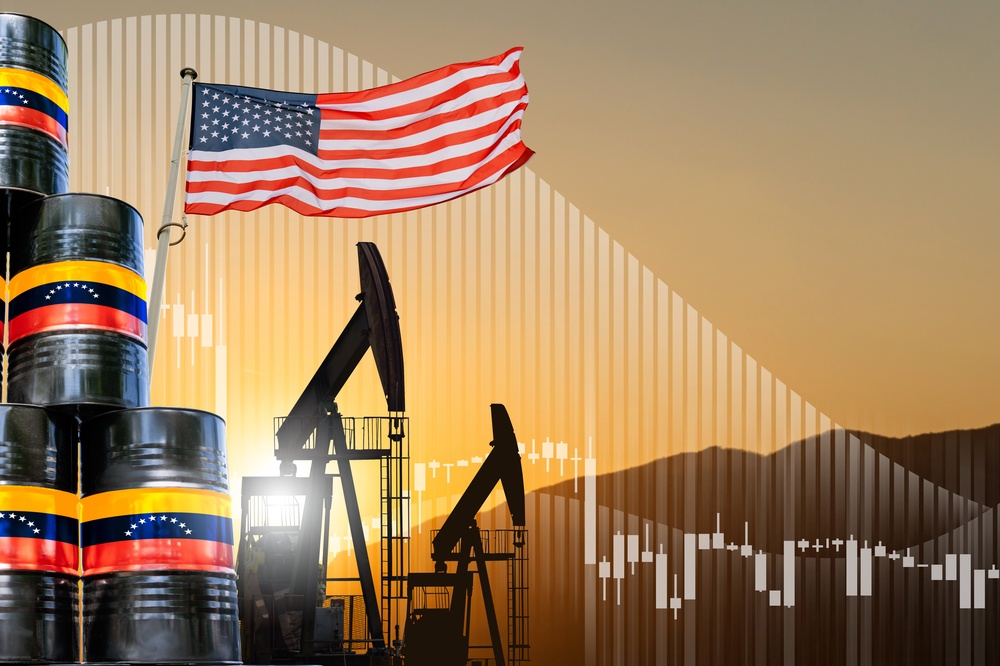
President Donald Trump has taken his push for lower gasoline prices directly to the U.S. oil industry. At a White House meeting with refiners and fuel distributors, Trump pressed executives to find ways to increase refining capacity and bring relief to drivers facing prices above $4 per gallon.
Contents
show
The political goal is straightforward, but the energy market is not. American refineries are already operating near their limits, while companies remain reluctant to spend billions of dollars building facilities that could take years to complete.
Trump Meets Oil Executives at the White House
Trump met Tuesday with representatives from small, mid-sized and large refiners and fuel distributors as his administration looked for ways to expand domestic refining capacity. Senior officials involved in the broader energy agenda also participated in the discussions.
The White House said Trump wanted the industry’s energy gains to translate into lower costs for ordinary Americans. White House spokeswoman Taylor Rogers said, “President Trump is laser-focused on ensuring his successful energy dominance agenda translates into the most cost savings possible at the pump for consumers.”
Trump also promoted the administration’s energy agenda on Truth Social, writing, “We are unleashing American Energy Dominance!” According to a White House official, the discussions included regulation changes, faster permitting and additional investments that could help expand capacity.
The administration is also focused on whether lower costs within the supply chain are reaching consumers. That question has become increasingly important as affordability remains a major political issue ahead of the midterm elections.
Gas Prices Remain a Major Political Problem

The meeting came as the national average price of gasoline remained above $4 per gallon, according to the supplied references. High fuel costs are particularly visible because drivers see price changes every time they stop to fill their tanks.
A Reuters/Ipsos poll cited in the reference material found that nearly half of Americans considered the cost of living their top voting issue. The poll also found that 70% disapproved of Trump’s handling of the issue.
Trump’s administration is trying to demonstrate that its energy policies can produce measurable savings. However, the forces pushing gasoline prices higher extend far beyond the White House and the decisions of any individual oil company.
Global disruptions have tightened supplies of refined products such as gasoline, diesel and jet fuel. Valero estimated that wars in Iran and Ukraine had knocked around 5 million barrels per day of refining capacity offline.
That has created pressure even when crude oil prices have eased at different points. The challenge is no longer simply finding enough oil, but having enough facilities capable of turning crude into the fuels consumers and businesses need.
American Refineries Are Already Running Hard
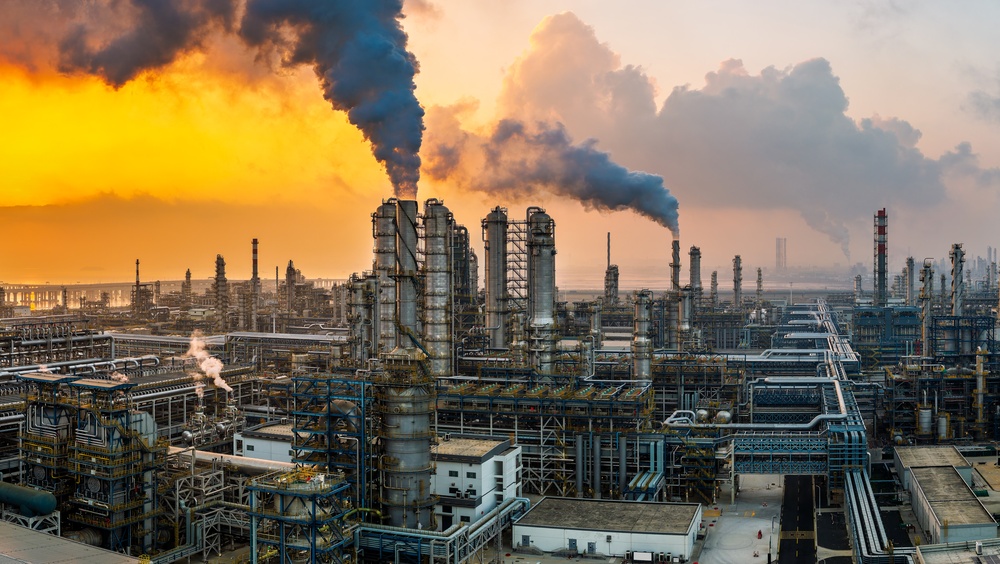
U.S. refineries have recently operated at more than 97% of their collective capacity, according to the second reference. That is close to their highest operating rate in roughly eight years.
Patrick De Haan, head of petroleum analysis at GasBuddy, said the industry has little room left to increase output quickly. “U.S. refineries are operating at some of their highest rates that we’ve ever seen,” he said.
De Haan linked the pressure partly to Russian oil refining infrastructure being knocked offline. He said supply and demand had tightened enough that American refineries were heavily incentivized to operate as intensely as possible.
“There is very little spare capacity that has remained in the U.S.,” De Haan said. That shortage of available capacity helps explain why simply increasing oil production may not immediately lower gasoline prices.
Exxon Chief Executive Darren Woods also pointed to the gap between crude supply and refining capacity. He said refining constraints had created a “disconnect” between crude prices and prices at the pump.
The distinction is central to Trump’s challenge. More crude oil entering the market does not automatically become cheaper gasoline unless refiners have enough capacity to process it.
Building New Refineries Is a Tough Sell

Trump wants the industry to find ways to expand refining capacity, but companies face a difficult investment decision. Building a major new refinery can require several billion dollars and take three to five years to complete.
Oil companies also have to consider what the fuel market will look like when those projects are finally finished. Gasoline demand is expected to face longer-term pressure as more drivers adopt electric vehicles and engines become more efficient.
Robert Campbell, an analyst at Energy Aspects, questioned whether companies would commit to huge investments based on what could be a temporary period of exceptional refining profits. “Nobody’s going to go out and make a huge multibillion-dollar investment based on three months of record margins,” he said.
John Auers of Novi Labs raised a similar concern about the long-term outlook for gasoline. “Who wants to invest in something that, by the time you build it, the demand is down?” he said.
The United States has been closing refineries for decades. According to the second reference, the country has 128 fewer refineries than it did in 1982, and the newest major refinery was completed in 1977.
Instead of building completely new facilities, companies are increasingly focused on expanding and modernizing existing operations. That approach may be less risky, but it also means significant new capacity could arrive gradually.
Industry analysts cited in the references believe companies may have room to add capacity by expanding facilities in Texas, Louisiana and other Gulf Coast states. Even those projects, however, require substantial investment and time.
Venezuelan Oil Is Part of Trump’s Plan
The White House is also looking to Venezuela as part of a broader strategy to increase available crude supplies. Trump has promoted a new arrangement involving Venezuelan oil reserves and U.S. interests in the country’s energy sector.
The supplied references describe a deal involving North American Blue Energy Partners and concessions to Venezuelan oil fields. The arrangement has raised questions about its legal and political durability, but the administration sees Venezuela as a potentially important source of additional crude.
Venezuela holds approximately 303 billion barrels of proven crude oil reserves, according to the fourth reference. Much of that supply consists of heavy or extra-heavy crude that requires specialized refining equipment.
That is significant because some Gulf Coast refineries are designed to process heavy crude from Venezuela. Increased supplies could therefore provide those facilities with more oil to process if production and transportation expand as planned.
Chevron is expected to expand its operations in Venezuela under the administration’s plans. Energy Secretary Chris Wright and company executives were also expected to travel to the country to discuss further investment.
A U.S. official framed the administration’s interest partly as a geopolitical issue. “Do we want Russia and Chinese companies controlling the the wealth of a country in our hemisphere, or do we want the United States in combination and partnership with the Venezuelan people, having influence over those resources so that they benefit the Venezuelan people, which is in our interest,” the official said.
The administration believes greater access to Venezuelan crude could strengthen U.S. energy supplies. However, analysts quoted in the references warned that consumers should not expect immediate changes at the pump.
More Oil May Not Bring Immediate Relief
Patrick De Haan said the Venezuela agreement could have major significance in the coming years. He also warned that it would not quickly transform what Americans pay for gasoline.
“This deal in the years ahead is absolutely very monumental and very significant, subject to legal risks and potentially regime shift in Venezuela. But it will not have major impacts on what consumers are paying anytime soon,” De Haan said.
That warning applies to Trump’s broader refining strategy as well. Oil has to be produced, transported, processed and distributed before any additional supply can affect retail prices.
Taylor Rogers said increased volumes could reach the market if the administration’s plans proceed. “That at cost oil hit the market in November and if things go as planned, we can expect to see millions of barrels hit by the beginning of next year,” she said.
Even then, global events could continue influencing prices. U.S. crude prices topped $90 per barrel Tuesday amid renewed military action involving Iran and continued conflict connected to Russia and Ukraine, according to the supplied reports.
Those disruptions have contributed to a wider shortage of refined fuel products. They also demonstrate why Washington cannot completely control what drivers pay at local gas stations.
The Administration Is Looking for Faster Solutions
Trump’s meeting was not focused solely on building entirely new refineries. The White House also discussed regulatory changes and faster permitting that could allow companies to expand existing facilities.
That approach could produce results sooner than constructing a refinery from the ground up. It could also face fewer financial obstacles for companies that are uncertain about long-term gasoline demand.
The administration wants refiners and distributors to identify practical steps that could increase supply in the near term. Officials also discussed whether costs and savings throughout the energy system are being passed through to consumers.
Some major energy companies are already investing heavily in existing facilities. Those investments do not always focus on producing more gasoline, however.
Exxon is expected to spend about $2 billion upgrading its Baytown, Texas, refinery to increase production of diesel and lubricant base stocks. Chevron has pursued a similar but smaller project at its Pascagoula refinery in Mississippi.
Those decisions reflect the industry’s expectations about future demand. Refiners may see stronger long-term opportunities in diesel, petrochemicals and other products than in expanding gasoline production.
Trump’s Push Meets the Reality of the Market

The White House says refiners and distributors share Trump’s goal of lowering costs for consumers. Yet support for cheaper gasoline does not automatically translate into multibillion-dollar construction projects.
Refiners are currently benefiting from strong margins because global supply disruptions have increased the value of fuel products. Industry executives and analysts appear reluctant to assume those extraordinary market conditions will last long enough to justify entirely new facilities.
Trump has previously encouraged retailers to lower prices directly. In July, he praised Freedom Fuel Network for selling gasoline at $3.47 per gallon and urged other fuel sellers to follow.
The reference material also describes a separate dispute involving a fuel supplier that alleged roughly $4 million in invoices had not been paid by a distributor connected to discounted fuel. Freedom Fuel was not named as a defendant or accused of wrongdoing in the lawsuit mentioned in the first reference.
The episode reflects how complicated the fuel business can become once oil leaves the ground. Prices are affected by crude costs, refining capacity, transportation, wholesale markets, taxes and the decisions of retailers.
Trump can pressure the industry and promote policies designed to increase production. He cannot quickly remove the global disruptions that have helped create the current shortage of refined fuel.
Cheaper Gas Could Still Take Time
The White House is pursuing several paths at once, including increased Venezuelan production, expanded domestic refining and regulatory changes. The strategy could add more supply over time if the projects move forward as planned.
But the experts quoted in the supplied references repeatedly raised the same concern about timing. New refining capacity, even when companies agree to invest, can take months or years before it meaningfully affects gasoline prices.
De Haan said that even an announced increase in capacity would not necessarily provide quick relief. “Even if they do announce any increase in capacity, it would take likely months, if not years, depending on the scope of that work, to really have a meaningful impact on what consumers are paying at the pump,” he said.
Trump’s message to the oil industry is clear: Americans want lower prices. The harder question is whether the energy system can deliver those savings quickly enough to satisfy drivers who are already watching the numbers rise at the pump.