
Your cart is currently empty!
Trump Weighs NATO Exit as Europe Quietly Drafts a Plan Without America
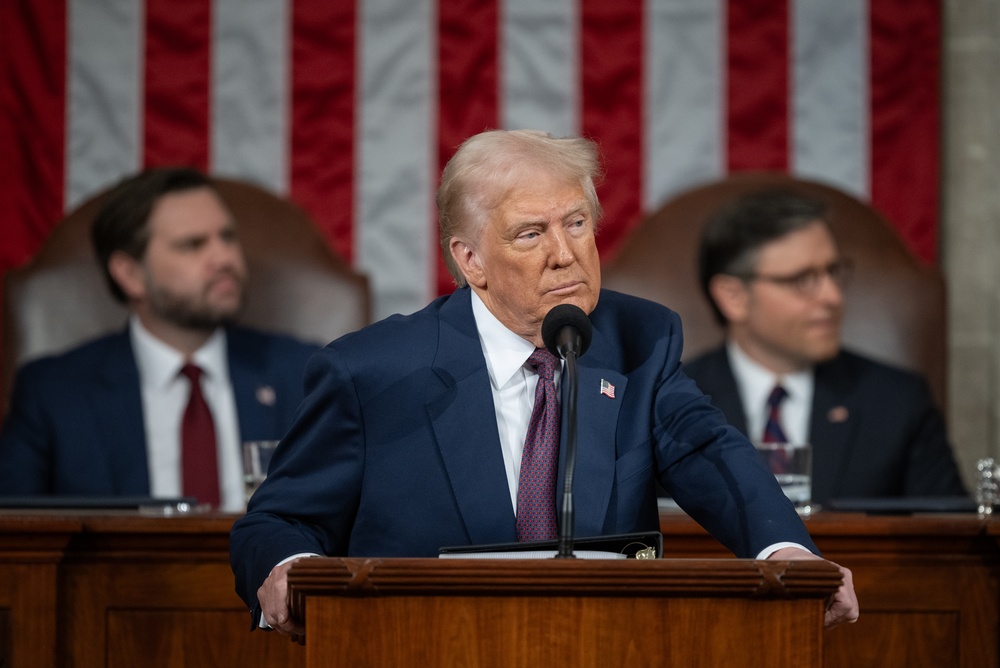
Something has shifted in Washington, and European capitals have taken note. After days of sharp rhetoric from the Oval Office and hushed meetings across allied embassies, Donald Trump has raised a question on the table that few NATO members ever wanted to face. Can a 77-year-old pillar of transatlantic defence survive without its most powerful founder?
Contents
show
Behind the bluster of an Oval Office press gaggle and the pages of a Telegraph interview, a second story has begun to take form. European leaders, once focused on keeping Trump onside, have started work on what a post-American NATO might look like. What follows is how this moment arrived, what Trump can and cannot do, and why the coming weeks in Washington could redraw the map of western security.
Trump’s Telegraph Bombshell
In an exclusive interview published April 1, Trump told The Telegraph he was strongly considering pulling the United States out of the alliance after its members declined to back his war on Iran. He called NATO a paper tiger and said removal from the defence treaty was now beyond reconsideration, words most read as a decision already made.
Hours later, Trump doubled down with Reuters, confirming he was reviewing membership in unequivocal terms. White House aides said the topic had come up in private discussions over recent days. Asked directly about NATO in the Telegraph sit-down, the president did not mince words. “I was never swayed by Nato. I always knew they were a paper tiger,” he said.
That night, during his first prime-time address since the Iran war began on February 28, Trump declined to thank European allies and praised Middle East partners instead. He made no mention of pulling out of NATO, yet aides say the option is live.
How the Iran War Lit the Fuse

Trump’s anger centres on one grievance. NATO members, he argues, abandoned the United States during a war it started alongside Israel on February 28. Britain, France, Germany, and other capitals have kept their distance. Nothing in the alliance charter obliges them to join a war of choice, and Washington did not consult NATO before launching strikes.
For Trump, that silence reads as betrayal. He told The Telegraph the response should be automatic and pointed to Ukraine as a case where America showed up while others did not return the favour.
The Hormuz Blockade
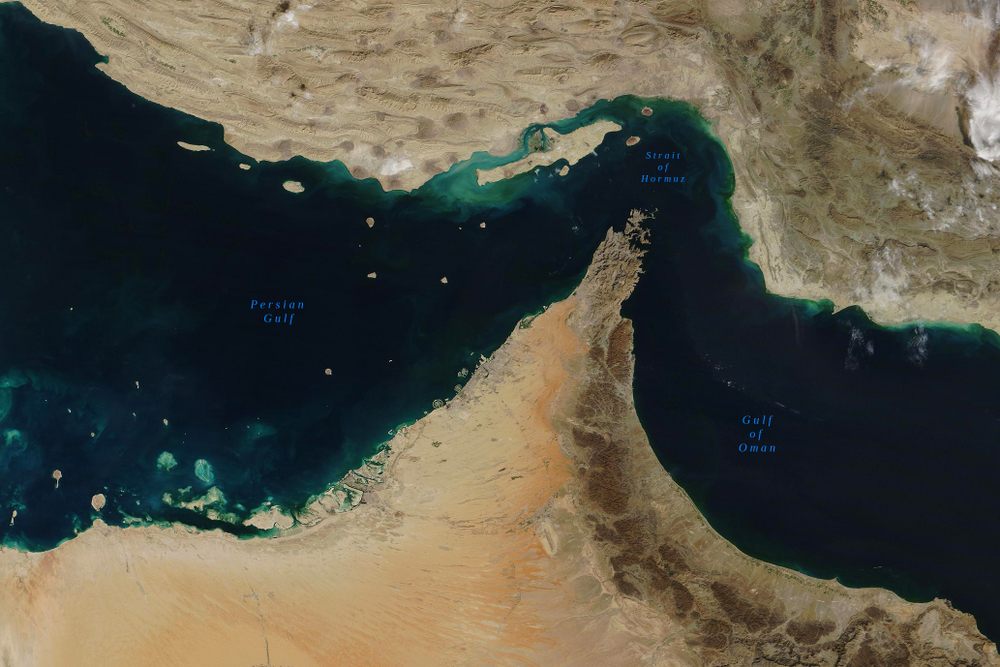
Pressure has built around the Strait of Hormuz, a sea lane that carries roughly 20 per cent of the world’s oil. Tehran has kept the passage effectively closed for weeks, sending global oil and gas prices upward and pushing markets toward recession territory.
Trump pressed allies to dispatch warships to reopen the strait. Britain refused. Keir Starmer also blocked the use of Diego Garcia, a joint British-US base in the Indian Ocean, as a launchpad for strikes on Iran. In his Wednesday address, Trump ordered Europe to seize and cherish the Strait, promising US support without US leadership.
Starmer rejected that framing, saying the conflict is not Britain’s war and his government will not be dragged in. Foreign Secretary Yvette Cooper will chair a 35-nation meeting to press for a diplomatic plan that gets commercial shipping moving again.
Article 5 and What It Really Covers
NATO was founded in 1949 with twelve members, among them the United States, Britain, France, Canada, and Denmark. It has since grown to 32 nations. A core promise sits in Article 5, a clause that treats an attack on one member as an attack on all.
Article 5 has been invoked once, after the September 11 attacks, when allies sent troops to Afghanistan in support of the US-led campaign. It does not apply to the current Iran war, which began with American and Israeli air strikes on Iranian soil. No NATO member was attacked.
That legal reality has done little to cool Trump’s frustration. He argues loyalty, not treaty text, should dictate how partners behave.
What America Brings to the Table
Before any talk of withdrawal gets practical, it helps to count what Washington provides. First, a nuclear arsenal far larger than that of Britain and France combined. Second, a network of bases across Europe, with heavy concentration in Germany. Third, Incirlik airbase in Turkey is a hub for Mediterranean and Middle East operations.
Those assets have long been read as a deterrent against Russian aggression. Vladimir Putin, Russia’s president, has made no secret of his wish to break NATO or decouple it from Washington. NATO support for Ukraine has helped slow Russia’s invasion, now in its fifth year, and has kept the Baltic states and Poland out of direct Kremlin crosshairs.
Europe’s Quiet Plan B
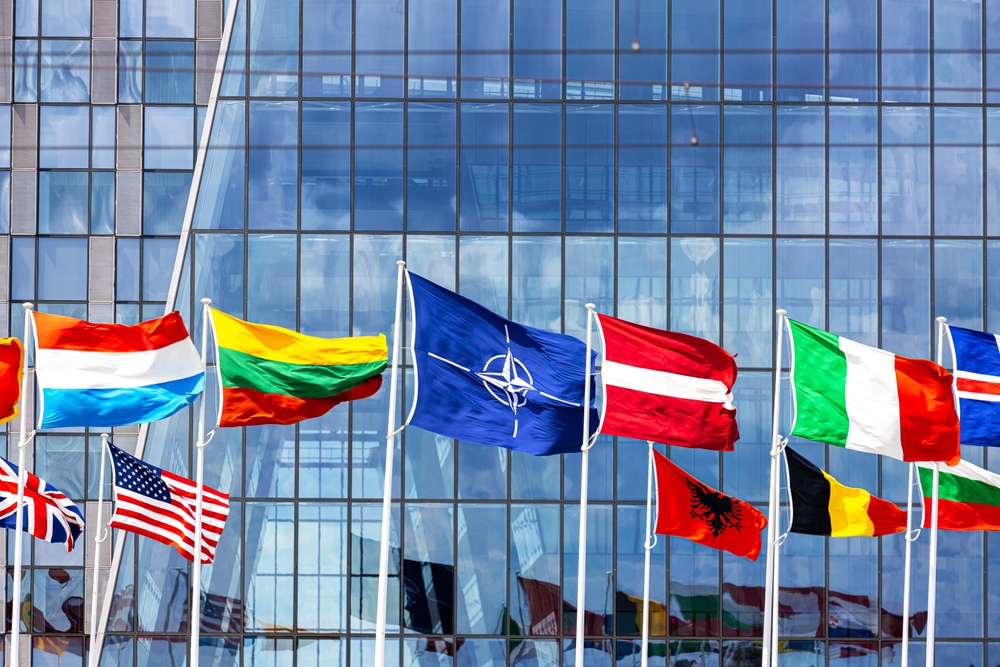
European leaders moved fast to calm the waters after Trump’s Telegraph interview. Alexander Stubb, the Finnish president, floated the idea of a more European NATO in the works. Starmer reaffirmed his support for the alliance and spoke with Secretary General Mark Rutte, agreeing to stay in close touch over the coming days.
Beneath the public reassurance, planning has begun. Last June, NATO members agreed to raise their defence spending target to 5 per cent of GDP by 2035, a figure few capitals would have accepted a decade ago, when some were missing the older 2 per cent mark. That spending commitment now looks less like a gift to Trump and more like seed capital for a Europe-led defence posture.
Starmer signalled Wednesday he would pursue closer ties with Europe in response to the souring relationship with Washington. Whatever the noise from the White House, he said, he would act in Britain’s interest.
The 2023 Law Trump Cannot Ignore
Trump’s exit threat runs straight into a wall built by his own secretary of state. In 2023, Congress passed legislation preventing any president from withdrawing the United States from NATO without either a two-thirds Senate majority or a full act of Congress. That bill, co-sponsored by then-Senator Marco Rubio and Democratic Senator Tim Kaine, became part of the 2024 National Defense Authorization Act, which Joe Biden signed into law.
Math on the floor is unforgiving. Even if every Republican senator backs Trump, at least 14 Democrats would need to join to reach the two-thirds bar. Senate Minority Leader Chuck Schumer has already ruled that out, posting on X that the Senate will not vote to leave NATO over what he described as a reckless war of choice.
A Congressional Research Service report warns that any attempt to withdraw unilaterally could end up in court. Curtis A. Bradley, a law professor at the University of Chicago, told CNN that Trump’s likely constitutional argument, that the statute interferes with presidential authority over foreign relations, is a weak one, given that Congress has treaty-making power with the president under the Constitution.
Republican Resistance Builds
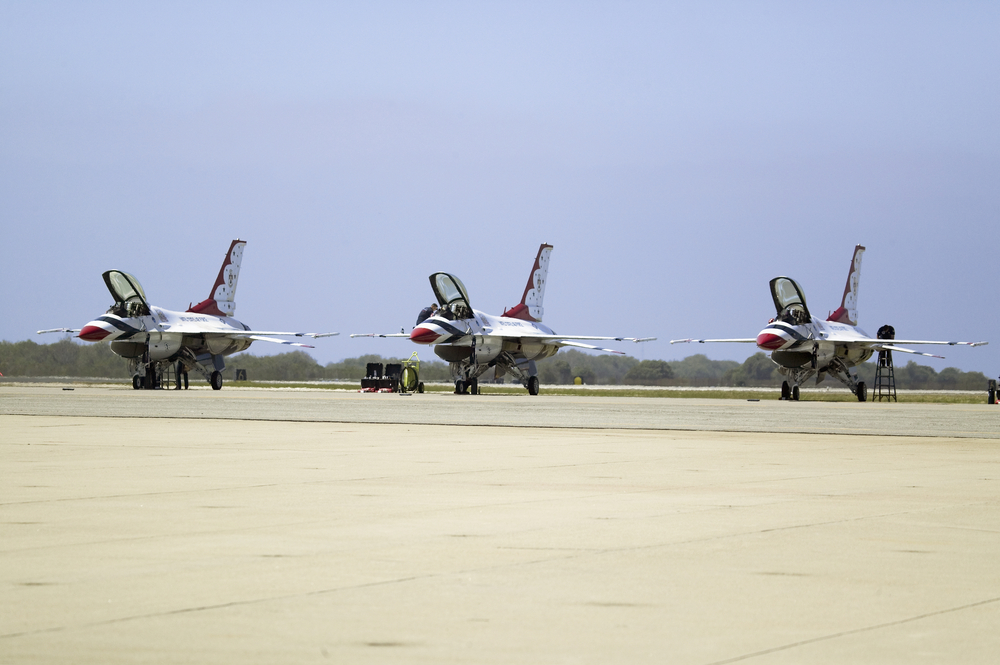
Senator Thom Tillis, the top Republican on the bipartisan Senate NATO Observer Group, has broken with Trump on the question. Tillis told ABC’s This Week it is factually untrue that Trump can pull out of NATO without Congress. He warned that while withdrawal may not be on the table, damage certainly is. “The president can poison the well,” Tillis said, adding Trump could render the alliance functionally defunct if he chose.
Tillis also pushed back on Trump’s description of NATO allies as cowards. He urged the president to consult top generals before severing the relationship, saying American lives have been saved by the alliance and lives would be lost without it.
Short of the exit door
Even without a formal withdrawal, Trump has room to hollow out American participation. Ivo Daalder, former US ambassador to NATO under Obama, has sketched scenarios in which the president could pull all US troops and remove American officers from the command structure, all while claiming compliance with Article 5.
Senior administration figures have discussed a pay-to-play model that would block allies missing spending targets from decision-making, including votes on going to war. Sources close to the president say he is also weighing a withdrawal of US forces from Germany.
Trump’s scepticism of NATO is not new. In 2017, he called the body obsolete and accused European members of ripping off the United States. In 2024, he warned Russia to do “whatever the hell they want” to any European country missing his spending demands. A January standoff over his interest in annexing Greenland ended with a climbdown, though few in NATO capitals believed the matter was closed.
Starmer Out, King Charles Courted
Relations between Trump and Starmer have fallen to a low not seen in the modern special relationship. Neither leader has spoken in weeks. Trump has subjected the prime minister to near-daily attacks, questioning the state of the Royal Navy and dismissing British energy policy.
By contrast, Trump has kept King Charles close. Speaking with The Telegraph, he called the King a friend and a great gentleman, and suggested the monarch would have taken a different stand on the Iran war. Buckingham Palace keeps the monarch out of political decisions, regardless of the royal prerogative on war powers, yet the diplomatic symbolism is heavy.
Trump’s admiration for the Royal family is said to trace back to his respect for the late Elizabeth II. During his second state visit last year, King Charles played a key part in convincing him that Ukraine could win its war against Russia, a turn that shifted American policy.
King Charles’s state visit to Washington later this month will include a White House dinner and an address to Congress. British diplomats are counting on the trip to ease the fracture with the United States, even as Starmer builds bridges to Paris and Berlin.
The Calendar That Will Shape the Alliance
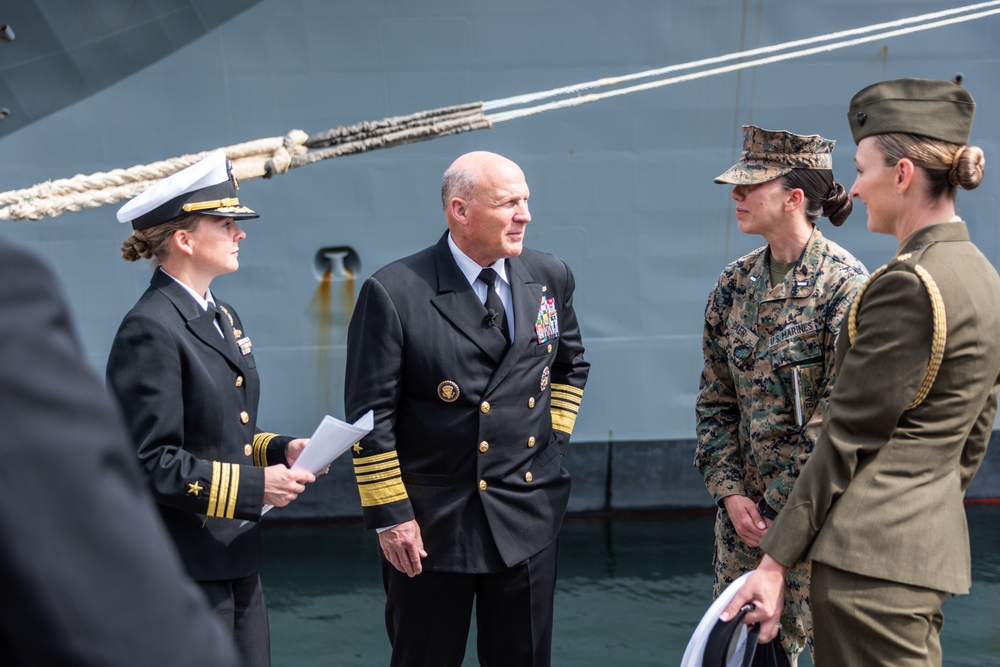
Three dates matter in the weeks ahead. Rutte meets Trump in Washington next week, armed with flattery and an offer of deeper European spending. King Charles arrives later this month for a state visit that British officials hope can reset the tone. Cooper chairs her 35-nation Hormuz summit, pushing for a diplomatic path that could de-escalate the Iran war and remove the immediate trigger for Trump’s NATO rupture.
Whether any of this keeps the United States in the alliance, or whether Europe’s plan B moves from contingency to reality, will depend on the president’s mood, the Senate’s nerve, and the pace at which war in Iran winds down. For now, a question once thought unthinkable is one every NATO capital is asking.
2024 NDAA, Alexander Stubb, Article 5, Chuck Schumer, collective defence, defence spending, Diego Garcia, Donald Trump, European defence, European NATO, Finland, Incirlik airbase, Iran war, Keir Starmer, King Charles III, Marco Rubio, Mark Rutte, NATO, NATO 5 percent GDP, NATO withdrawal, Oval Office, paper tiger, Royal Navy, Russia, Senate approval, special relationship, Strait of Hormuz, Thom Tillis, transatlantic relations, Trump Iran war, UK-US relations, Ukraine War, US Congress, US Foreign Policy, US troops Germany, Vladimir Putin, western security, White House, Yvette Cooper