
Your cart is currently empty!
Scientists Believe Condors May Be Breeding in Northern California Again
At first, it looked like something had gone terribly wrong.
Contents
show
A signal came through from a tracking device attached to a California condor. The bird had not moved for hours. For conservationists who have spent decades trying to save this species, that kind of silence usually carries a heavy meaning. It often signals injury, poisoning, or death.
But when wildlife biologists followed up on the alert, they did not find a lifeless bird.
They found something far more powerful.
The condor was sitting still for a reason. It was incubating what could be the first wild egg in Northern California in more than 130 years.
That quiet moment, deep in the forests of Redwood National and State Parks, may represent one of the most important turning points in the long and fragile recovery of a species that once stood on the edge of extinction.
A Moment That Changed the Narrative
The discovery did not come with fanfare or dramatic visuals. There was no immediate confirmation, no clear photograph of an egg nestled in a tree. Instead, it came through behavior, patterns, and careful observation.
Biologists from the Yurok Tribe’s wildlife department had been monitoring a group of condors reintroduced into Northern California. When the alert came in, they prepared for the worst. A motionless condor typically means trouble.
Instead, what they found was a male bird remaining perfectly still, hunkered down in a remote location. This kind of stillness is also a known behavior during nesting. When condors incubate eggs, they can remain in place for long stretches of time, sometimes for days.
Further tracking revealed something even more compelling. The male and a nearby female appeared to be taking turns occupying the same remote location. One would stay while the other left to feed, then they would switch.
For scientists who have studied condor behavior for years, this pattern was unmistakable.
It strongly suggested that the pair was incubating an egg.
The absence of direct visual confirmation does not weaken this conclusion. In remote ecosystems like this, scientists often rely on behavioral signals rather than physical access. In fact, this method has become a standard approach in condor monitoring, especially when nests are located in areas that are difficult or unsafe to reach.
A Species That Nearly Disappeared
To understand why this moment matters, it helps to look back at how close California condors came to disappearing entirely.
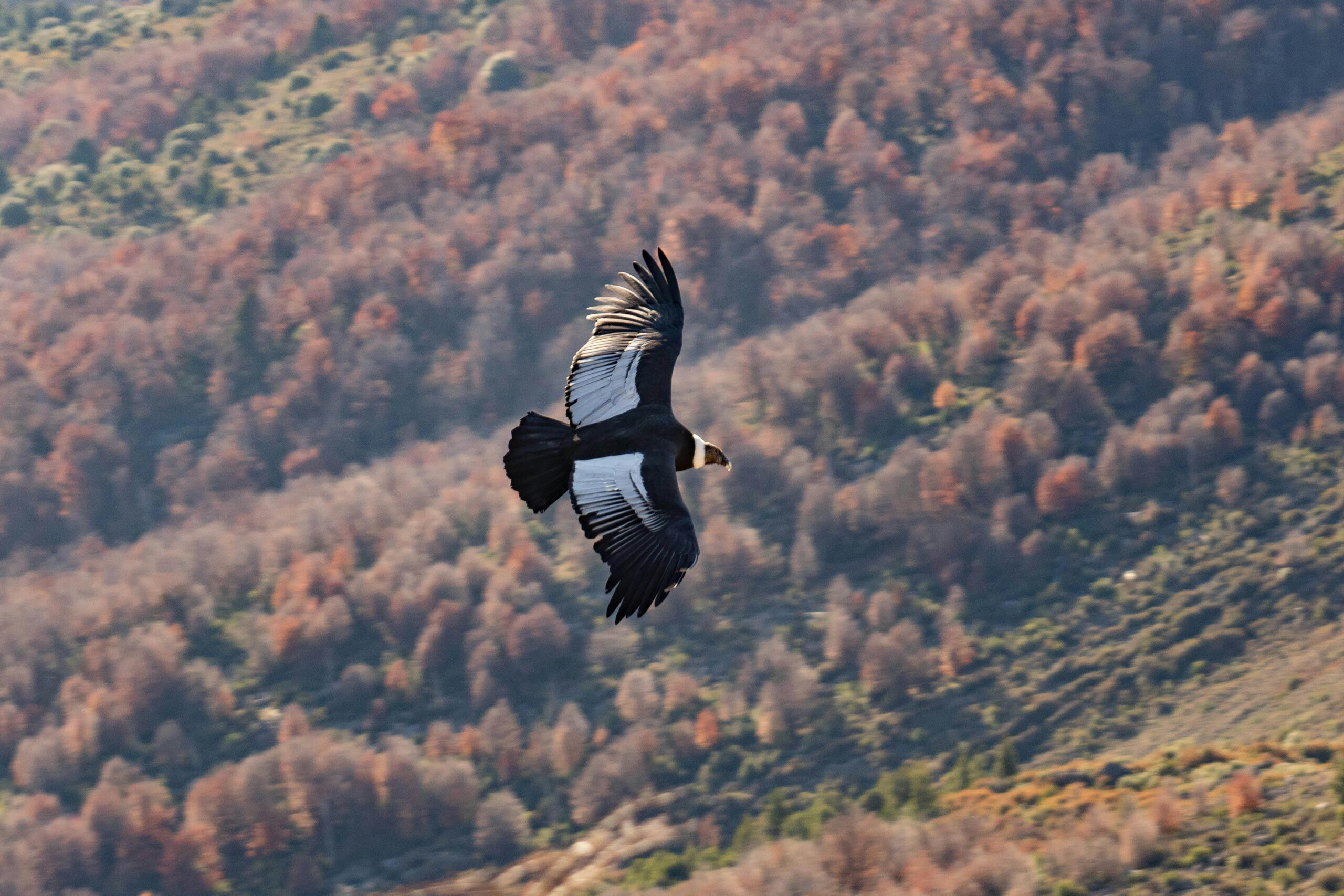
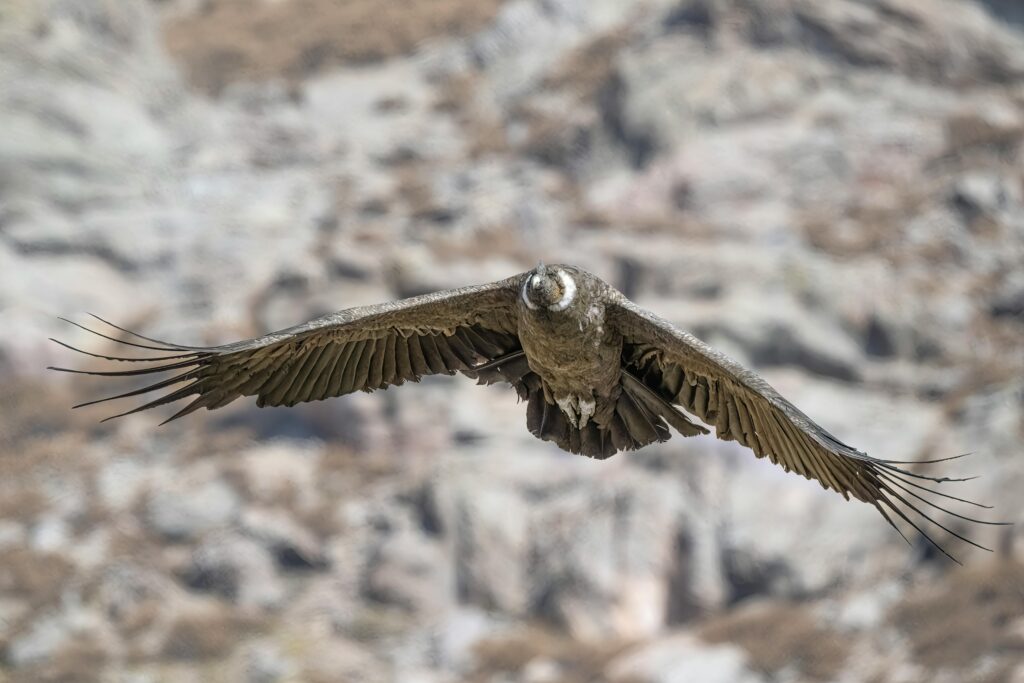
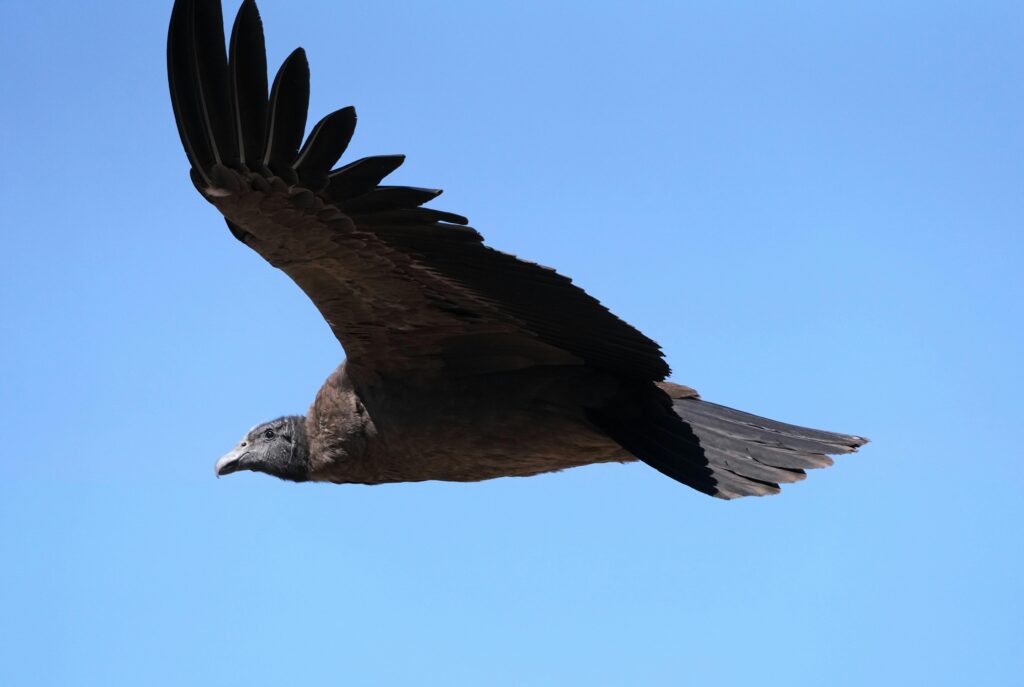
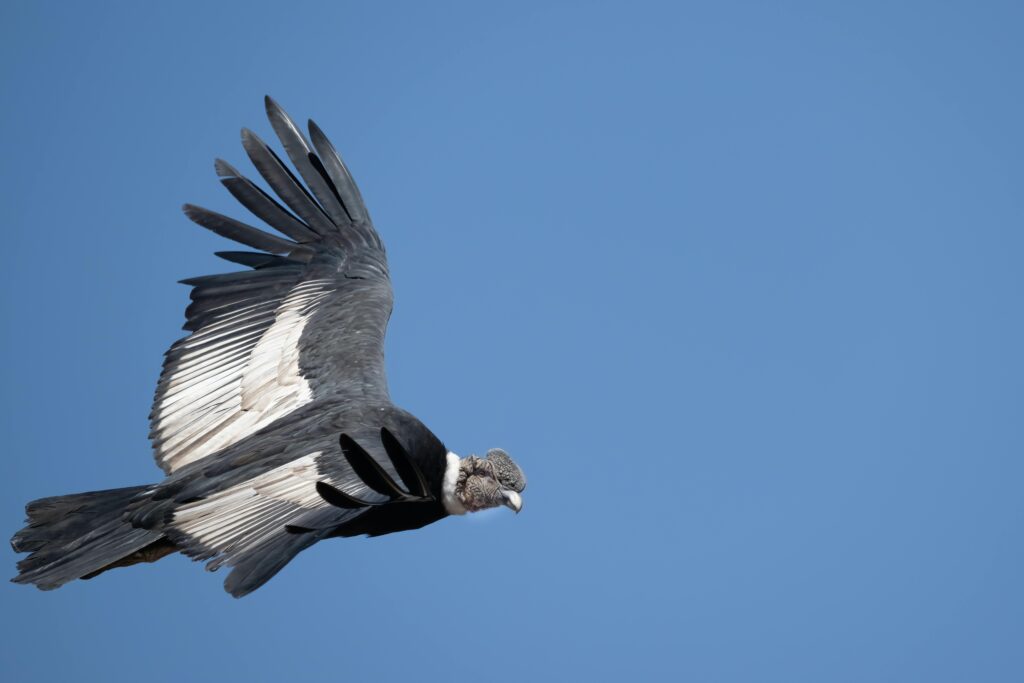
Once, these massive birds dominated the skies along the West Coast, ranging from British Columbia all the way to Mexico. With wingspans approaching 10 feet, they are among the largest flying birds in the world, capable of soaring for hours without flapping their wings.
Their presence was once a defining feature of the region’s ecosystems.
But their decline was swift and devastating.
As human settlements expanded across the West Coast, condors faced increasing pressure. Large predators and scavengers were often seen as threats or nuisances and were deliberately killed. Habitat loss reduced the availability of safe nesting sites. At the same time, industrial and agricultural expansion introduced new environmental hazards.
One of the most damaging threats turned out to be lead poisoning. Condors feed on carrion, and when animals are shot with lead ammunition, tiny fragments remain in the carcass. When condors consume these remains, the lead enters their bloodstream, often with fatal consequences.
By the early 1980s, the situation had reached a breaking point. Only about 20 to 22 condors remained in the wild.
The species was on the brink of extinction.
The Decision That Saved a Species
Faced with an almost certain collapse, conservationists made a bold and controversial decision. They captured every remaining wild condor and placed them into captive breeding programs.
At the time, this move was heavily debated. Some feared that removing the last wild birds would erase any chance of natural recovery. Others argued that without intervention, extinction was inevitable.
In hindsight, the decision proved to be essential.
Captive breeding programs allowed scientists to carefully manage reproduction, increase population numbers, and protect the birds from immediate threats. Eggs were incubated under controlled conditions, and chicks were raised with minimal human interaction to preserve their natural instincts.
Over time, these efforts began to pay off.
The Long Road to Recovery
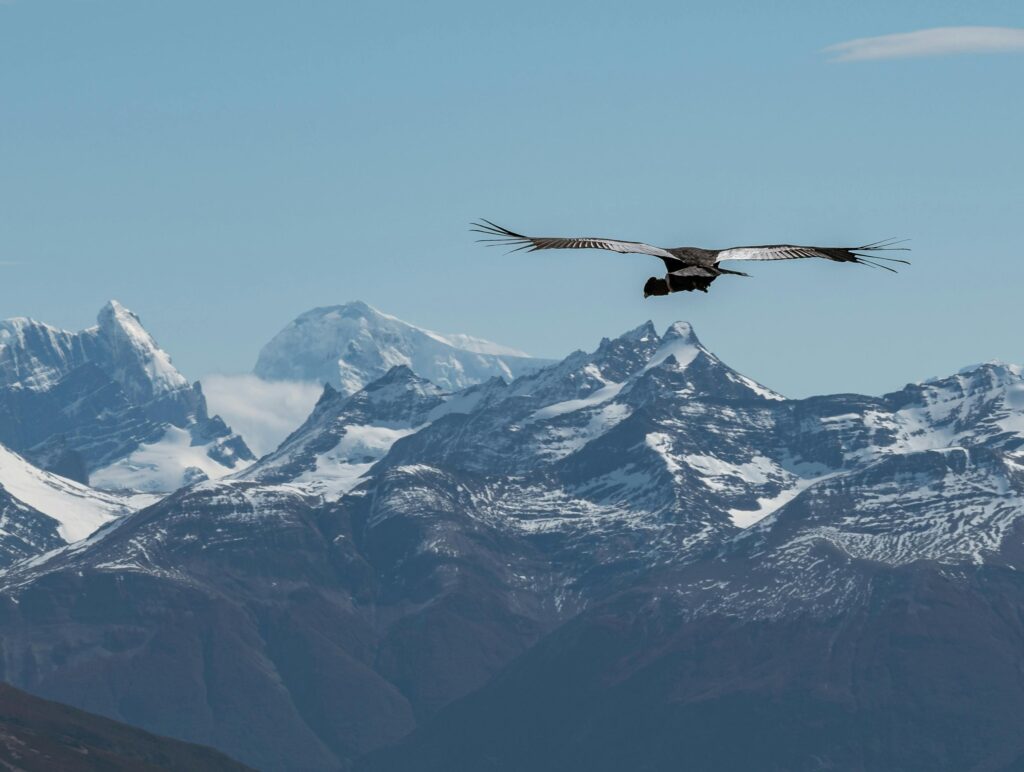
The recovery of the California condor has taken decades of sustained effort.
Reintroduction programs began in the early 1990s, with captive-bred birds being released into carefully selected habitats. Each release required extensive planning, monitoring, and support.
Condors were fitted with tracking devices so that biologists could follow their movements, identify risks, and intervene when necessary. Supplemental feeding programs were established to reduce the likelihood of lead exposure. Veterinary teams monitored the birds for signs of illness or poisoning.
This level of involvement highlights an important reality. Even today, many condor populations depend on ongoing human support.
Despite these challenges, the numbers have improved significantly. There are now more than 600 condors in existence, with nearly 400 living in the wild.
This represents one of the most notable conservation success stories of modern times.
But recovery is not just about numbers.
Returning to Northern California
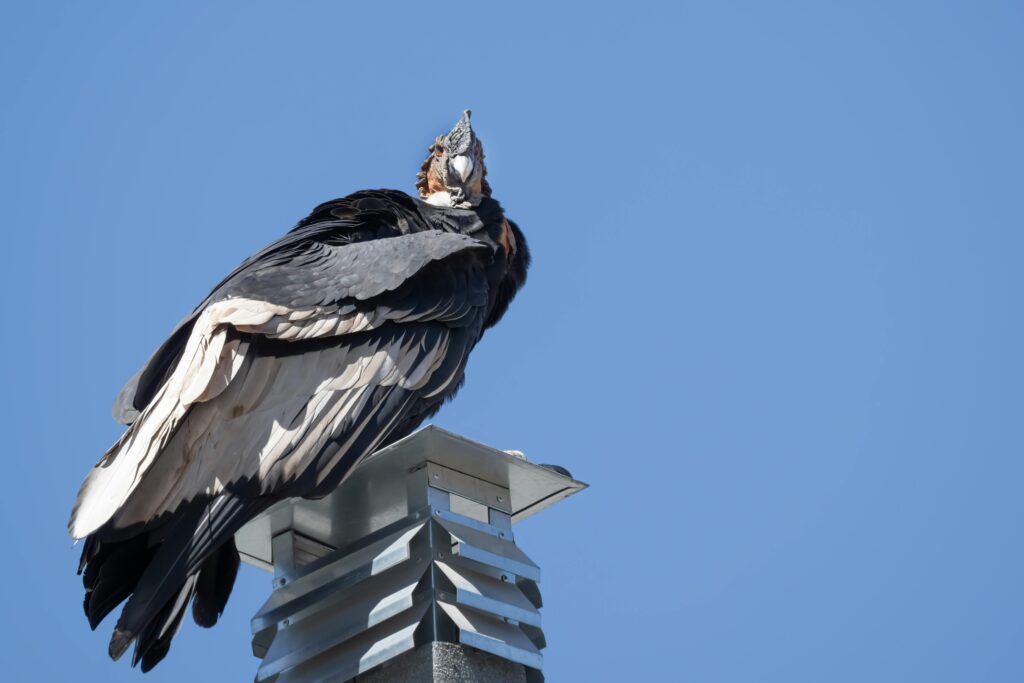
Northern California holds a special place in the history of the condor.
The birds once thrived in this region, but disappeared more than a century ago. Their absence left both an ecological and cultural gap.
Efforts to bring them back began more than two decades ago, led in large part by the Yurok Tribe. Through years of planning, collaboration, and advocacy, a reintroduction program was finally launched in 2022.
Since then, 26 condors have been released into the wild in Northern California, with 24 currently surviving.
These birds represent the foundation of a new population.
However, survival alone is not enough. For the population to grow and sustain itself, the birds must begin to reproduce naturally.
That is why the possibility of a wild egg is so significant.
The Pair Behind the Discovery
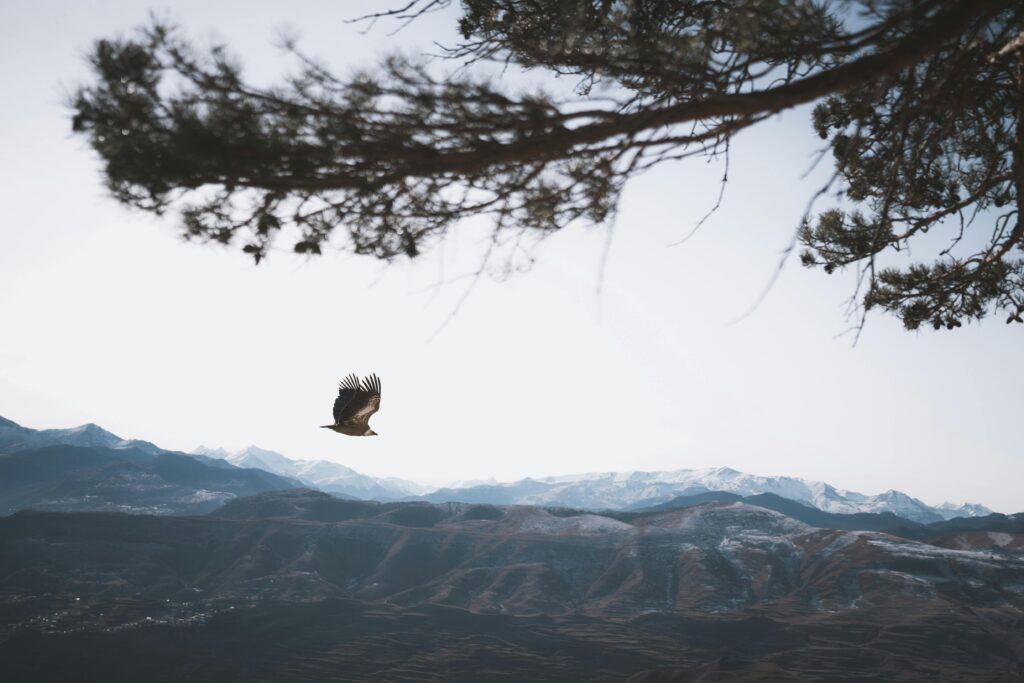
The condors believed to be nesting are known as A0 and A1.
The female, A0, carries a name in the Yurok language that translates to “she carries our prayers.” She was bred at the Oregon Zoo before being released into the wild.
Her mate, A1, whose name translates to “at least I fly,” was raised at the World Center for Birds of Prey.
Both birds are around seven years old, placing them at the beginning of their reproductive years. Condors typically do not begin breeding until they are about six years old.
Biologists had observed signs of bonding between the pair in the previous year. They would separate from the group and spend time together, which often indicates the formation of a mating pair.
This year, those behaviors became more focused and consistent.
The pair began spending extended periods in a single, remote location. They alternated between staying at the site and leaving to feed, a pattern that aligns closely with nesting behavior.
Their chosen nesting site appears to be located in an old-growth redwood tree, deep within a part of the park that is difficult to access. This kind of location provides natural protection from predators and human disturbance.
Why This Egg Matters
If the egg exists and successfully hatches, it would mark the first wild condor chick born and raised in Northern California in approximately 130 years.
This milestone carries profound significance.
From a conservation perspective, it represents a shift from dependency to independence. Captive breeding programs have played a crucial role in increasing condor numbers, but they are not a permanent solution.
A truly recovered population must be able to sustain itself through natural reproduction.
From an ecological standpoint, the return of condor breeding helps restore balance. As scavengers, condors play a key role in ecosystems by consuming carrion and preventing the spread of disease.
Their presence contributes to a healthier and more stable environment.
The Challenges of First Time Parenting
Despite the optimism, scientists remain cautious.
Condors are not prolific breeders. A pair typically lays only one egg at a time, and often not every year. The incubation period lasts around 60 days, and the chick requires months of care before it is ready to leave the nest.
This slow reproductive cycle means that every attempt carries significant weight.
The pair is also inexperienced. First time condor parents often face challenges as they learn how to care for an egg and later a chick.
Early observations suggested that the male may have spent too much time away from the nest during the initial stages. This could have exposed the egg to temperature fluctuations, which can be fatal.
However, more recent data indicate that his behavior has improved. He has been observed staying at the nest for extended periods, sometimes up to eight days.
This adjustment suggests that the birds are learning and adapting.
Even if this attempt does not succeed, it may increase the likelihood of success in future breeding seasons.

Cultural Meaning and Connection
For the Yurok Tribe, the return of condors is deeply meaningful.
These birds are not just part of the ecosystem. They are part of cultural identity, tradition, and spiritual belief.
In Yurok culture, condors are associated with renewal and balance. They are believed to carry prayers and play a role in maintaining harmony in the world.
The effort to restore condors to their ancestral lands reflects a broader commitment to healing both the environment and cultural connections that were disrupted over time.
The potential presence of a wild egg represents more than biological success. It symbolizes renewal, resilience, and the possibility of restoring what was lost.
Ongoing Threats to Survival
Despite decades of progress, California condors still face serious challenges.
Lead poisoning remains the most significant threat. Even small amounts of lead can be fatal, and exposure continues to occur when condors feed on contaminated carcasses.
Efforts to reduce lead use in ammunition have made some progress, but the issue has not been fully resolved.
Other threats include habitat changes, environmental contamination, and the inherent risks associated with small populations.
These challenges highlight the need for continued conservation efforts.
Watching From a Distance
One of the most striking aspects of this story is how much remains unseen.
The nest is located in a remote area that is difficult to access, surrounded by dense forest and natural barriers. This makes direct observation nearly impossible.
Instead, scientists rely on tracking data and behavioral analysis.
This approach requires patience and careful interpretation. Every movement, every period of stillness, becomes a piece of a larger puzzle.
If the pair continues to alternate time at the nest, it suggests that incubation is ongoing. If they abandon the site, it may indicate that the attempt has failed.
If a chick does hatch, it could take several months before it is visible outside the nest.
A Turning Point in Silence
The image of a motionless condor once carried a sense of fear.
Now, in this case, it carries something else entirely.
It represents the possibility of new life, of recovery, and of a species finding its way back after more than a century of absence.
There are still many uncertainties ahead. The egg may not hatch. The pair may need more time to learn. The threats facing condors have not disappeared.
But this moment stands as a reminder of what is possible.
After decades of effort, collaboration, and persistence, there is finally a sign that condors in Northern California may be beginning to sustain themselves once again.
Sometimes, change does not arrive loudly. Sometimes, it begins quietly, in a hidden place, with two birds doing exactly what they were meant to do.
And sometimes, that quiet beginning can carry the weight of an entire species’ future.