
Your cart is currently empty!
Mother Fighting to Save Her Eye After a Rare Parasite Invaded Her Cornea
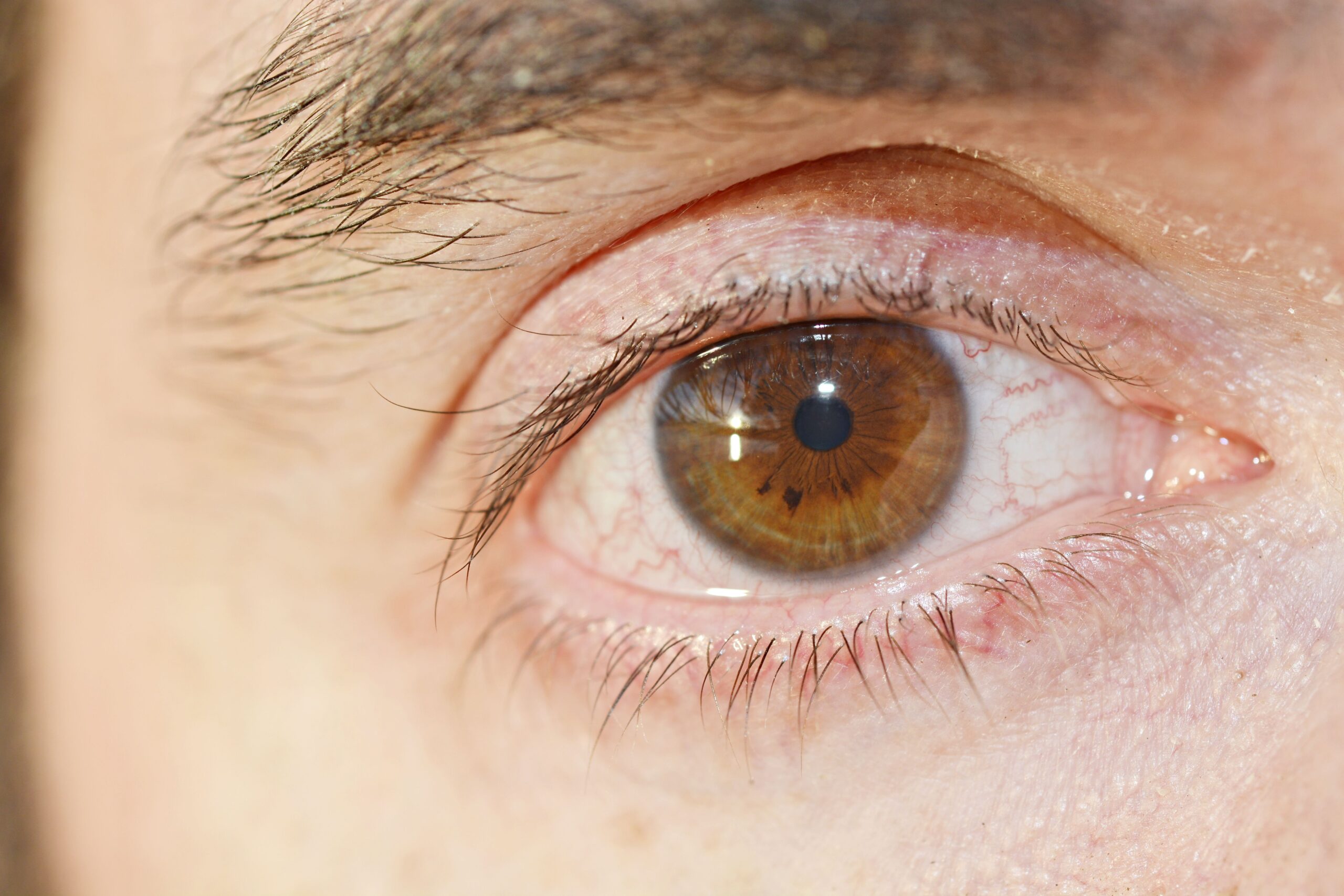
Something as ordinary as washing your face is probably the last thing you’d expect to threaten your eyesight.
Contents
show
For one British mother, however, that everyday habit turned into a medical nightmare after she unknowingly gave a microscopic parasite the opportunity to invade her eye. Months later, she has endured unbearable pain, lost vision in one eye, undergone emergency surgery, and now faces years of treatment before doctors can even consider restoring her sight.
A Routine Day Took a Horrifying Turn
Emma Marsden, a 47-year-old former personal trainer from Whalley, Lancashire, had been cleaning horse stables on February 28 when an accident changed her life.
The mother of three slipped while mucking out the stables after rain had left the ground slippery. Instead of simply falling over, she landed headfirst into a wheelbarrow filled with mud, dirt, and water.
Speaking about the incident, Marsden recalled that she initially laughed it off.
“I laughed at myself and I thought, ‘This is your own silly fault.’”
She was covered in mud from head to toe, including her face and hands.
Like most people would, she immediately went inside and washed the dirt away. There was just one detail she didn’t think twice about.
She was still wearing her contact lenses.
Rather than removing them before rinsing her face, Marsden left them in until later that evening. At the time, it seemed completely harmless.
It would become the most devastating mistake of her life.
The First Symptoms Didn’t Seem Serious
Nothing unusual happened immediately after the accident.
It wasn’t until four days later that Marsden noticed something was wrong.
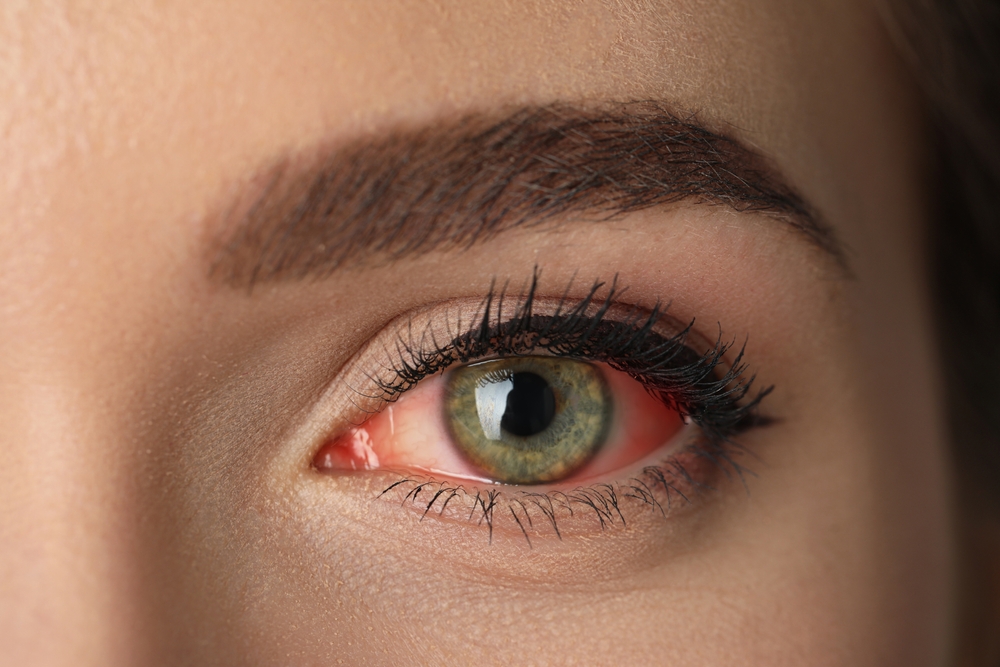
Her right eye suddenly began to sting.
Initially, she assumed it was minor irritation caused by dirt or dust. She removed her contact lenses and even got into the shower, expecting the discomfort to disappear.
Instead, the pain intensified.
“It got worse and worse,” she explained.
Within hours, the irritation had transformed into severe agony.
“My eye was excruciatingly painful and red. When I woke up the next morning, any time light hit my eye the pain was so severe I couldn’t open my eyes.”
Unable to cope with the pain, Marsden visited her GP and was referred to hospital.
Doctors initially suspected she had developed a corneal ulcer.
The diagnosis appeared reasonable based on her symptoms, and she was prescribed medicated eye drops before being sent home.
Unfortunately, that was not the real problem.
The Pain Became Almost Impossible to Endure

Instead of improving, Marsden’s condition rapidly deteriorated.
Her vision became increasingly blurred before disappearing altogether in her right eye.
Even basic daily activities became impossible.
Light caused overwhelming pain.
She spent weeks sitting in complete darkness because opening her eye or stepping outside was unbearable.
“I was in a dark room for three-and-a-half weeks and I couldn’t go outside or do anything,” she said.
“I had all the lights off in the house and everyone had to eat in the dark.”
For someone who had previously led an active lifestyle, the sudden loss of independence was devastating.
“You can’t go anywhere or do anything. The last three weeks are the only times I’ve been able to go outside and go for walks with my dogs and kids.”
She described feeling as though her entire life had been placed on hold.
The pain itself was unlike anything she had experienced before.
“I’ve had three kids and giving birth is a dream compared to this pain.”
That comparison highlights just how severe acanthamoeba keratitis can become once it progresses.
Doctors Finally Found the Real Cause
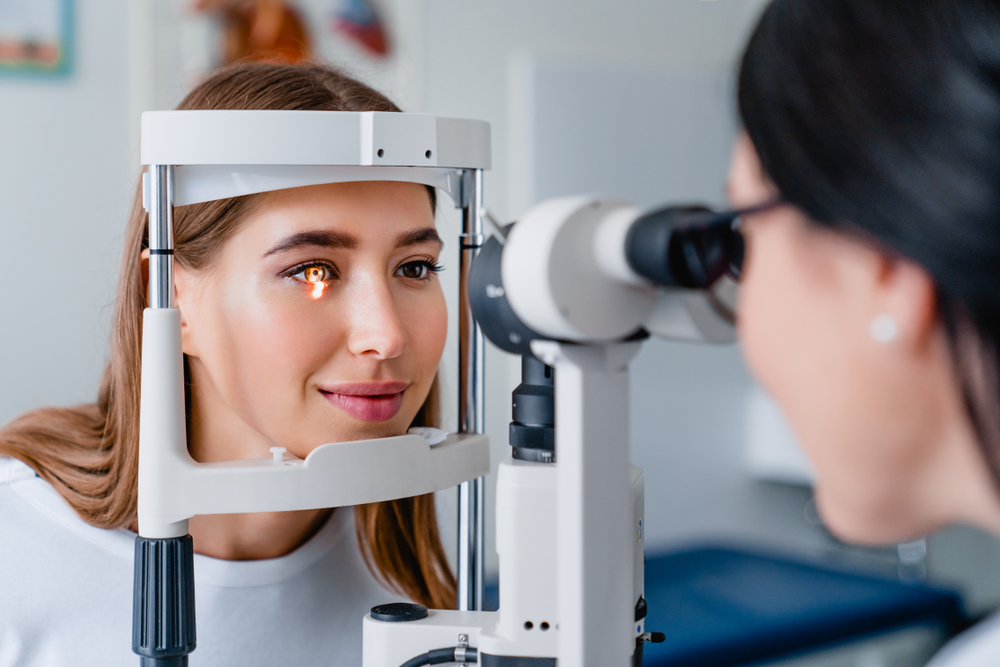
After weeks of worsening symptoms, hospital specialists carried out further examinations.
On March 7, Marsden finally received the diagnosis that explained everything.
She had developed acanthamoeba keratitis, a rare but potentially sight-threatening infection caused by a microscopic organism known as Acanthamoeba.
Doctors also diagnosed her with fusarium keratitis, a fungal infection affecting the cornea, along with corneal ulcers.
The combination proved especially aggressive.
According to her doctors, the fungal infection likely came from the mud she fell into.
The parasite, however, almost certainly entered her eye through water when she washed her face while her contact lenses remained in place.
Acanthamoeba organisms are surprisingly common.
They can be found in:
- Tap water
- Rivers
- Lakes
- Oceans
- Swimming pools
- Hot tubs
- Soil
- Dust
For most people, these microscopic organisms are harmless.
Problems arise when they become trapped beneath a contact lens, allowing them prolonged contact with the surface of the eye.
Once attached to the cornea, they can begin invading its tissue.
Marsden described what doctors told her was happening inside her eye.
“It eats through your eye and cornea and all your nerves.”
She added that even specialists were shocked.
“The speed it ate at, the doctors couldn’t believe it.”
What Is Acanthamoeba Keratitis?

Although the infection receives little public attention, ophthalmologists have warned about it for years because of its connection with improper contact lens hygiene.
Acanthamoeba keratitis affects the cornea, the transparent dome-shaped surface covering the front of the eye.
The infection develops when Acanthamoeba organisms enter damaged corneal tissue or become trapped beneath contact lenses after exposure to contaminated water.
While anyone can develop the condition, contact lens wearers account for the overwhelming majority of cases.
According to the Cleveland Clinic, approximately 1,500 cases are reported in the United States each year.
UK specialists have also observed increasing numbers of infections in recent years.
Research cited by Moorfields Eye Hospital indicates that roughly 85 percent of cases involve contact lens users.
Symptoms often resemble more common eye conditions during the early stages, making diagnosis difficult.
Common warning signs include:
- Severe eye pain
- Redness
- Blurred vision
- Extreme sensitivity to light
- Excessive tearing
- A sensation that something is trapped inside the eye
Because the infection is rare, patients are sometimes initially treated for more common problems before the true cause is identified.
Unfortunately, delays can allow the parasite to continue damaging the cornea.
For Marsden, the diagnosis came only after her vision had already been lost.
Emergency Surgery Became the Only Option

By the time specialists understood what they were dealing with, the parasite had already caused catastrophic damage.
The infection had perforated Marsden’s cornea, leaving a hole in the surface of her eye.
Doctors had little choice but to perform emergency surgery.
Rather than removing the eye, surgeons stitched her eyelids together in an effort to protect the damaged cornea and encourage healing.
The procedure, known as a temporary tarsorrhaphy, limits movement and exposure while the eye attempts to recover.
Photographs shared during her treatment show her right eye completely sewn shut.
Her once blue-green eye has since turned grey as a result of the extensive damage.
Although the surgery may help preserve what remains of the eye, it cannot reverse the destruction already caused by the infection.
Marsden now faces a long and uncertain road ahead, one that will require constant hospital monitoring and intensive treatment simply to prevent things from becoming even worse.
A Corneal Transplant May Be Years Away
Despite the emergency surgery, Marsden’s ordeal is far from over.
Doctors have told her she will eventually need a corneal transplant to have any chance of restoring vision in her right eye. However, that operation cannot happen immediately.
Because the infection remains such a significant concern, specialists have advised waiting several years before attempting the transplant. Performing the procedure too soon could increase the risk of the parasite returning or causing the new cornea to fail.
In the meantime, Marsden continues to attend weekly hospital appointments while following an intensive treatment plan.
She must administer six doses of medicated eye drops every two hours, a demanding routine that dominates her daily life.
The uncertainty has been one of the hardest parts of the experience.
“It’s pretty heartbreaking to think I might never see out of that eye again,” she said.
She also admitted there are moments when the physical and emotional toll feels overwhelming.
“If I’m still two years down the line and have no life and can’t do anything, I will quite happily have my eye taken out.”
Even with that possibility hanging over her, she refuses to let the situation define her.
“It’s a bad situation but I’m still here. I can walk, I can see with one eye and I can still hear. It will get better over time.”
A Similar Infection Cost Another Woman Her Eye
Unfortunately, Marsden’s experience is not an isolated case.
Several years earlier, another British woman suffered an even more devastating outcome after unknowingly exposing her contact lenses to water.
Marie Mason, from Shropshire, believes she contracted the same parasite while showering with her contact lenses still in.
According to reports, the microscopic organism became trapped beneath her lens before multiplying across the surface of her eye.
“It would have got under the lens then multiplied, so my eye was riddled with it,” Mason told the BBC.
She first noticed something was wrong when it felt as though sand had become trapped in her eye.
Like many patients, the symptoms initially appeared relatively minor.
Over time, however, the infection became increasingly aggressive.
Doctors treated Mason with multiple medications, powerful antimicrobial eye drops and three separate corneal transplants in an attempt to save her vision.
Despite years of treatment, the damage proved irreversible.
Five years after her diagnosis, surgeons were forced to remove her left eye entirely. She now wears a prosthetic eye.
Experts say cases like Mason’s remain uncommon, but they demonstrate just how destructive acanthamoeba keratitis can become if the organism penetrates deeply into the cornea.
According to Professor John Dart of the UCL Institute of Ophthalmology, approximately 150 to 200 people develop the infection each year in the UK.
Only a small number ultimately lose an eye, although nearly half experience substantial and permanent vision loss.
Why Contact Lenses and Water Can Be a Dangerous Combination
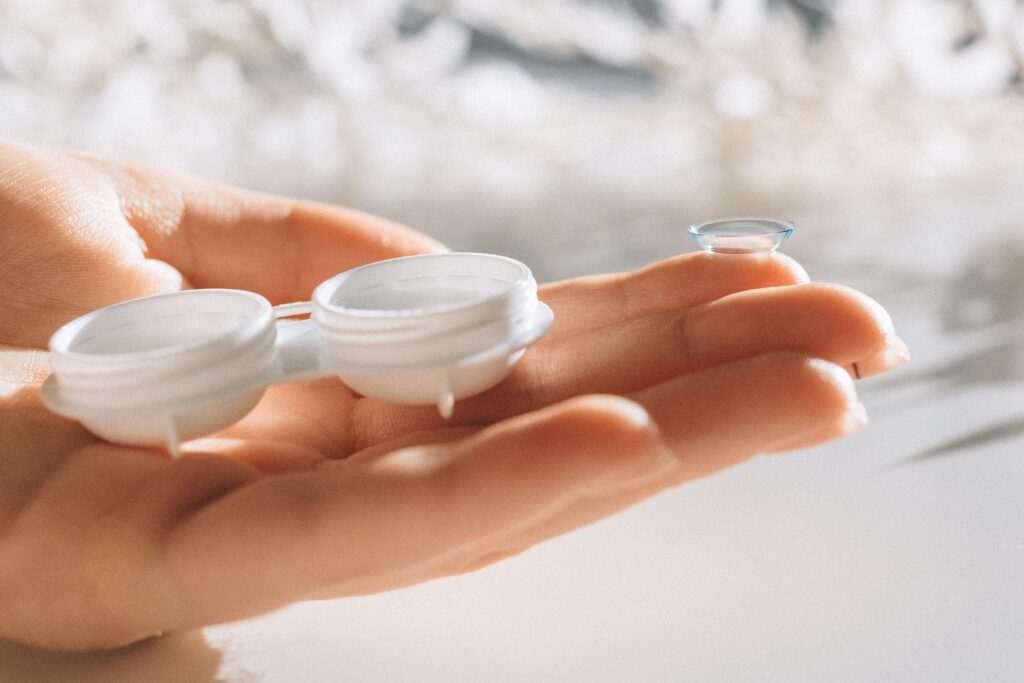
Many contact lens users assume tap water is clean enough to come into contact with their lenses.
Eye specialists strongly disagree.
The issue is not that drinking tap water is unsafe. Instead, the concern lies with microscopic organisms naturally present in many water sources.
Acanthamoeba exists in environments people encounter every day, including domestic tap water, lakes, rivers, swimming pools, hot tubs and even soil.
Most people come into contact with these organisms without ever becoming ill.
Contact lenses can change that equation.
When lenses remain in the eye during activities involving water, tiny organisms can become trapped beneath them.
The lens creates prolonged contact between the parasite and the cornea while also causing tiny microscopic scratches that make infection more likely.
Health authorities, including the Centers for Disease Control and Prevention, advise contact lens wearers to avoid exposing their lenses to any water.
That includes:
- Showering while wearing contact lenses.
- Swimming or using hot tubs with lenses in.
- Washing your face without removing lenses first.
- Rinsing lenses or storage cases with tap water.
- Handling lenses with wet hands.
Sleeping in contact lenses also increases the risk of infection.
According to the CDC, people who regularly sleep while wearing their contacts are six to eight times more likely to develop eye infections than those who remove them before bed.
While infections such as acanthamoeba keratitis remain rare, experts say they are largely preventable through proper lens hygiene.
Emma Wants Others to Learn From Her Experience
One of the most striking parts of Marsden’s story is that she has not given up wearing contact lenses altogether.
She still wears a lens in her healthy left eye.
For her, the lesson is not that contact lenses are inherently dangerous.
Instead, she believes the real problem was not fully understanding how easily everyday habits could create the conditions for a serious infection.
“I still wear my contact lenses in my left eye because it isn’t the contact lens that did this but it was the wearer not having the knowledge of how to look after them properly and what not to do,” she explained.
She hopes sharing her story will encourage other contact lens users to rethink routines they may never have questioned before.
“You don’t think about the knock-on effect just by not taking your contact lenses out in the shower or to swim in, or to wash your face in my case.”
Like many contact lens wearers, she remembers receiving advice from opticians but admits she never imagined ignoring it could have such severe consequences.
“When you go to the opticians they do tell you don’t swim or shower in your contact lenses because you might get an infection and that’s it.”
Only after living through months of pain did the warning take on a completely different meaning.
A Tiny Organism Changed Everything
For millions of people, putting in contact lenses is as routine as brushing their teeth.
Emma Marsden’s experience shows how quickly that routine can become dangerous when water enters the picture.
A single decision to leave her lenses in while washing away mud after an accident allowed a microscopic organism to invade her eye, triggering months of agony, emergency surgery and an uncertain future that could still end with a corneal transplant or the loss of her eye.
Her message is straightforward because she knows how easily others could make the same mistake.
“You’ve got to be careful with your eyes. Until you’ve been through this or know someone, you are quite blasé.”
For the millions of people who rely on contact lenses every day, that simple reminder may be the most important takeaway from a story that began with nothing more than washing a muddy face.