
Your cart is currently empty!
Woman’s Fake Rotten Teeth Trick Has Women Saying They’d Try Anything for a Peaceful Night Out
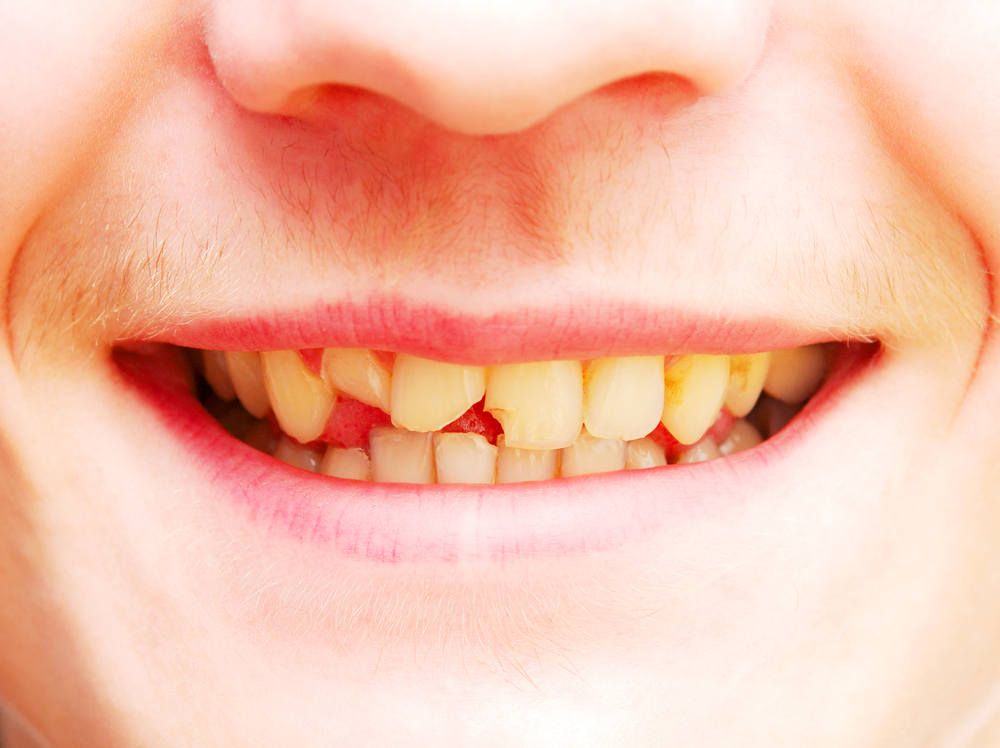
A woman has found a bizarre way to stop unwanted attention at nightclubs, and the trick involves putting a set of horrifying fake teeth over her perfectly normal smile.
Contents
show
My Linh, a special effects makeup artist based in Vietnam, created a set of crooked, rotten-looking prosthetic teeth and wore them on a night out. The clip of her transformation has been circulating since March, turning a clever makeup stunt into a much bigger conversation about what women do to avoid being bothered in public.
She Built The Ultimate Club Deterrent
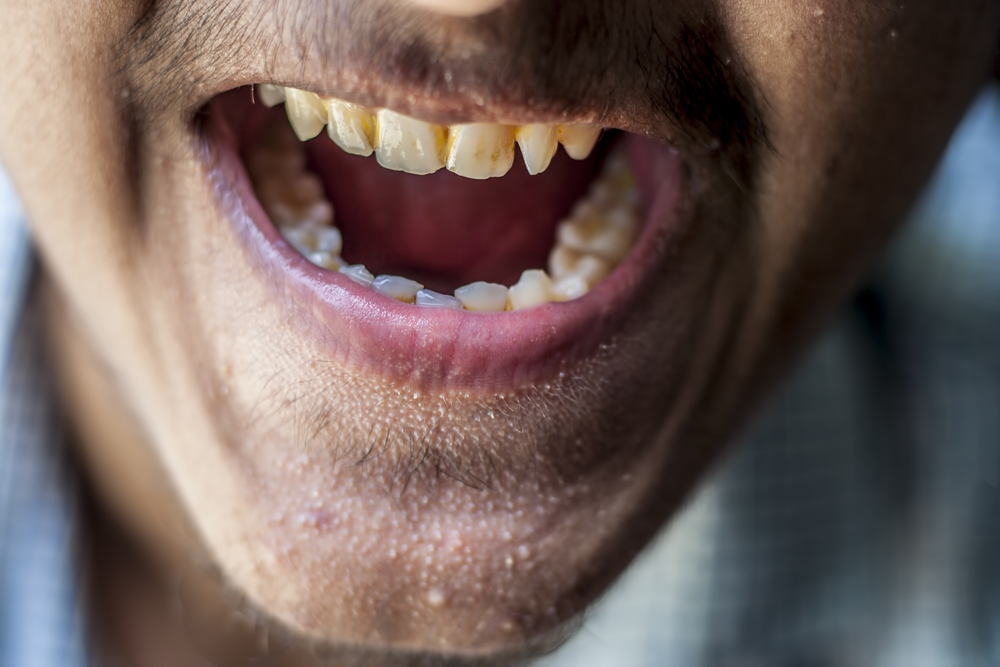
Linh is a special effects makeup artist whose work includes film, cosplay and other creative projects. Her skills usually involve transforming faces for fictional characters, but she found a very different use for them when she wanted to enjoy a night at a club without unwanted approaches. The temporary prosthetic teeth were designed to fit over her natural teeth and create the appearance of a severely damaged smile. They were crooked, oversized and unsettling enough to completely change the way her face looked. Linh then wore them to a nightclub, effectively turning herself into the last person a stranger might want to approach for a flirtatious conversation.
The caption accompanying her video summed up the experiment: “When the guy bothering you in the club finally leaves you alone.” The joke works because the transformation is so extreme. Beneath the disturbing-looking teeth was the same woman who had walked into the venue in the first place. Her clothes had not suddenly become different. Her personality had not changed. The only obvious difference was the fake mouth covering her real smile, yet that apparently changed how strangers interacted with her.
The Reveal Made The Whole Thing Even Wilder
The final part of the clip shows Linh removing the prosthetic teeth and revealing her normal smile underneath. That reveal turns what initially looks like an unusual horror makeup demonstratio
n into something much more pointed. The fake teeth were never about hiding her identity or changing her appearance permanently. They were a temporary barrier designed to discourage unwanted attention, and the fact that the tactic worked is what made the video resonate with viewers.
There is an older tradition behind the idea. Women have long used small signals to discourage unwanted approaches, including fake wedding rings, invented partners and claims that someone is waiting for them. Linh’s version simply takes that strategy to an absurd new level. Instead of saying she has a boyfriend, she arrives looking like she has just escaped from a horror movie.
Viewers Saw More Than A Makeup Trick
The comments quickly moved beyond the craftsmanship and toward the reason Linh felt she needed the disguise in the first place. One viewer described it as “an extreme privacy filter, but I get the logic for a night out,” while another wrote, “Female defense strategies are getting more and more creative.” The reactions showed that plenty of viewers understood the joke while also recognising the uncomfortable reason behind it.
Other comments focused on the fact that women should not have to alter their appearance to enjoy a night out. One viewer wrote, “It’s so sad we have to buy these kinda stuff, just to protect ourselves.” Another argued that “women deserve to have fun in public without feeling watched or bothered.” That tension is what gives the clip its staying power. The prosthetic is funny, but the reason for wearing it is much harder to laugh off.
The Problem Goes Far Beyond One Nightclub
Research into nightlife behaviour suggests that unwanted attention is not an isolated experience. A study involving 232 nightlife patrons aged 18 to 65 in Geelong, Victoria, found that “half the women and almost one in three men experienced some form of sexual harm on a night out in the past three months.”
The researchers included experiences ranging from leering and unwanted sexual comments to more serious behaviour such as groping and forced kissing. They described the basic expectation behind a night out simply: “A night out should be about friends, dancing and fun. But our new research shows sexual harm is an all-too-common experience.” The study involved a relatively small group in one Australian nightlife area, so it cannot be treated as a measurement of every nightclub everywhere. It does, however, put numbers around a problem many people already recognise.
Brighter Clubs Could Make A Difference
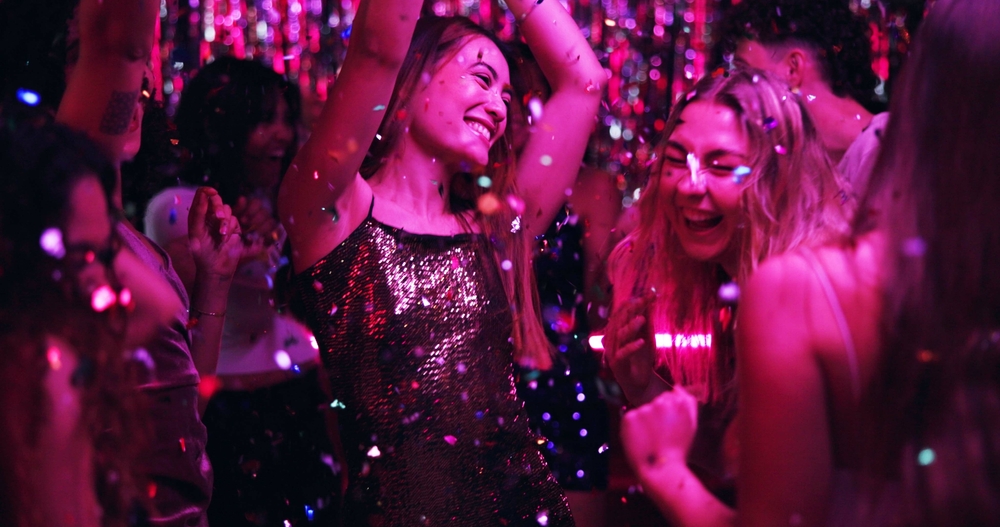
One of the study’s more striking findings focused on something far less complicated than fake teeth: lighting. Researchers found that as venue lighting increased by one unit, the odds of experiencing sexual harm decreased by 27%.
Their explanation is linked to the anonymity created by dark, crowded environments. “When a space is dark, noisy and tightly packed, people may feel a sense of anonymity and believe they are unlikely to be caught if they engage in unwanted sexual behaviours,” the researchers said. That makes lighting more than an aesthetic choice for venues. It can influence how visible people’s behaviour is and how easily staff can spot problems.
For nightclub operators, that points toward several practical changes:
- Better visibility: Brighter areas can make unwanted behaviour easier for staff to spot.
- Less anonymity: People may think twice when they know their actions are visible.
- More staff awareness: Clearer sightlines can help employees identify problems sooner.
- Safer spaces: Lighting can be changed before guests even arrive, rather than expecting individuals to manage every risk themselves.
Most Incidents Never Made It To Staff
The same research found that only around 35% to 38% of people who experienced sexual harm reported it to venue staff or police. Many of those who stayed silent believed the behaviour was normal in nightclubs, doubted staff would take them seriously, felt embarrassed or worried they would be blamed.
That creates a difficult problem for venues relying on complaints to understand what happens inside their walls. A quiet incident log does not necessarily mean a trouble-free night. Some experiences never make it beyond the person who experienced them, leaving managers with an incomplete picture of what their customers are dealing with.
That also changes the way Linh’s prosthetic stunt can be viewed. She found something she could control herself and used it to change the situation around her. But expecting individuals to disguise themselves, invent partners or otherwise modify their behaviour to avoid harassment puts the burden on the wrong person.
The Fake Teeth Were Funny For A Reason
Linh’s stunt is memorable because it is ridiculous. A woman putting grotesque fake teeth into her mouth before heading to a nightclub sounds like the setup for a comedy sketch, not a serious strategy for getting through an evening without being bothered.
Yet the joke disappears once the reason becomes clear. The same person was apparently treated differently after changing one visible feature of her appearance. That is what turned a clever piece of special effects makeup into a viral conversation. The teeth may have been fake, but the problem they were designed to solve is very real.
For now, Linh has demonstrated one unusually creative workaround. The more useful question for nightlife venues is why anyone should need one in the first place. A safer night out should depend on better behaviour and better environments, not on whether someone remembered to pack a set of rotten teeth.