
Your cart is currently empty!
Rubio Reveals New Plan To Deport Migrants To Third Countries
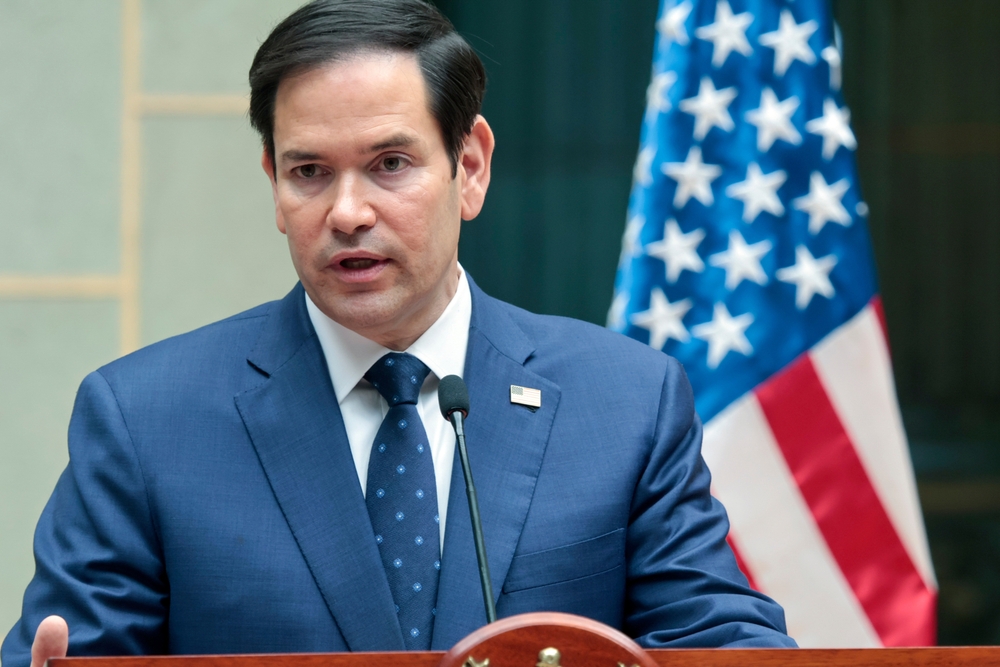
The Trump administration has unveiled one of the most aggressive immigration enforcement measures in recent American history, with Secretary of State Marco Rubio announcing that 20 countries have now agreed to accept deportees from the United States under newly negotiated third-country agreements.
Contents
show
The revelation immediately triggered outrage, praise, legal concern, and intense political debate after Rubio explained how the policy is already pressuring some migrants to abandon legal fights and voluntarily leave the country.
For supporters, the strategy represents a major breakthrough in solving one of the federal government’s biggest immigration problems. Critics argue it could expose thousands of people to dangerous conditions in countries they have never seen before.
Rubio Reveals New Deportation Strategy During White House Meeting
Rubio made the announcement during a White House Cabinet meeting while discussing the administration’s broader immigration agenda.
“A part of securing our border is dealing with the people that are in this country unlawfully, many of whom do not want to go back to the country that they originally came from,” Rubio said.
The secretary of state explained that the United States has secured agreements allowing certain migrants to be deported to “safe” third countries when direct removal to their home nation becomes impossible or delayed.
“One of the key things we have achieved is now 20 countries have signed third-country national agreements,” Rubio said. “These are safe countries where individuals who refuse to go back to their country of origin can be sent to that country instead.”
Rubio did not identify the countries involved in the agreements. The administration has also declined to publicly release the full details of the arrangements.
That secrecy has become one of the biggest points of controversy surrounding the program.
Still, the announcement confirmed that the Trump administration has dramatically expanded its deportation infrastructure beyond traditional bilateral agreements.
The policy appears designed to eliminate one of the most persistent obstacles facing immigration enforcement officials: migrants who cannot easily be returned to their country of origin.
The Administration Says The System Solves A Longstanding Immigration Problem
For years, immigration authorities have struggled to remove certain individuals after they receive final deportation orders.
Some countries refuse to accept deported citizens back into the country. Others create bureaucratic delays that can stretch for months or even years.
In other cases, migrants actively resist removal proceedings while filing appeals through immigration courts already burdened by enormous case backlogs.
The Trump administration argues that third-country deportation agreements create an entirely new layer of leverage.
Instead of waiting indefinitely for cooperation from the migrant’s home government, officials can now transfer that person elsewhere.
Rubio indicated that the possibility alone is already changing behavior.
“What often happens when you go to the person who’s here unlawfully and say, ‘We’re going to send you to this third country,’ is all of a sudden they decide they’d rather go back to their home country instead,” Rubio said.
Supporters of the policy quickly praised the strategy online.
Conservative immigration advocates described the approach as practical and efficient, arguing that previous administrations allowed deportation cases to drag on endlessly because migrants believed they would never actually be removed.
Some Trump allies framed the policy as psychological pressure rather than mass forced relocation.
According to that argument, migrants facing deportation would rather voluntarily return home than risk relocation to a completely unfamiliar country.
Critics, however, say that pressure tactic itself raises major ethical concerns.
Human Rights Groups Say The Policy Could Place Migrants In Danger
Immigration advocates and international legal organizations have strongly condemned the administration’s growing use of third-country deportations.
Several groups argue the policy may violate longstanding protections against transferring migrants into unsafe or unstable environments.
A coalition of human rights organizations estimates that more than 17,500 people have already been deported by the United States to countries other than their own.
Those numbers have reportedly accelerated in recent months.
One of the most widely discussed cases involves José Yugar-Cruz, a Bolivian asylum seeker whose story has become central to criticism of the policy.
According to reports from immigration lawyers, Yugar-Cruz entered the United States legally through Arizona in 2024 and requested asylum after allegedly facing torture in Bolivia.
An immigration judge later ruled that he could not safely return to Bolivia because he would likely face torture again.
Ordinarily, that ruling would prevent deportation back to his home country.
But after the United States negotiated a third-country agreement with the Democratic Republic of the Congo, immigration authorities reportedly attempted to place Yugar-Cruz on a deportation flight there instead.
The Democratic Republic of the Congo is thousands of miles away from Bolivia. Yugar-Cruz reportedly has no family there and does not speak local languages.
“I don’t know [it], I have no family there, I don’t speak their language,” he said. “I feel like a person who has no value.”
His case became symbolic of fears surrounding the administration’s strategy.
Advocates argue the system effectively allows the government to bypass asylum protections by relocating migrants somewhere else entirely.
Reports About Deportation Conditions Have Sparked Additional Alarm

Human rights groups have also raised concerns about the physical conditions surrounding these deportation transfers.
Reports describing flights to African nations and other destinations have painted a disturbing picture.
Some deportees reportedly arrived restrained in handcuffs, waist chains, and leg irons during charter flights.
Others allegedly ended up housed in temporary facilities with poor sanitation and little clarity about their future legal status.
One report described deportees being held near an airport hotel where water outages, rodents, and mosquitoes were common problems.
The administration has not publicly confirmed many of those claims.
Officials continue insisting that partner nations participating in the agreements are considered safe destinations and that deportations are conducted legally.
Still, the lack of transparency has fueled suspicion among critics.
Legal organizations argue that migrants and their attorneys often receive little warning about where deportation flights are headed.
Some advocacy groups claim the secrecy surrounding the agreements makes it difficult to monitor how deportees are treated once they arrive.
The White House Says Border Security Requires Tougher Enforcement
Despite backlash from advocacy groups, the administration has shown no signs of slowing down its immigration crackdown.
Trump has repeatedly argued that aggressive enforcement measures are necessary after years of record migrant crossings at the southern border.
Immigration became one of the defining issues of Trump’s political rise beginning in 2015, and it remains central to his presidency today.
Administration officials say Americans demanded stronger border security after what Republicans described as failures under President Joe Biden.
The White House argues that weak enforcement encouraged migrants to enter the country illegally with the expectation they would eventually be released or allowed to remain.
Rubio’s announcement appears intended to signal that the administration now has far more tools available to force removals.
The Department of Homeland Security has reportedly coordinated closely with the State Department while negotiating the agreements.
Federal officials believe the expanded network of receiving countries could significantly accelerate deportation operations moving forward.
Some conservatives are already describing the policy as one of the administration’s most important immigration victories.
Critics Say The Program Is Expanding Beyond Traditional Deportation
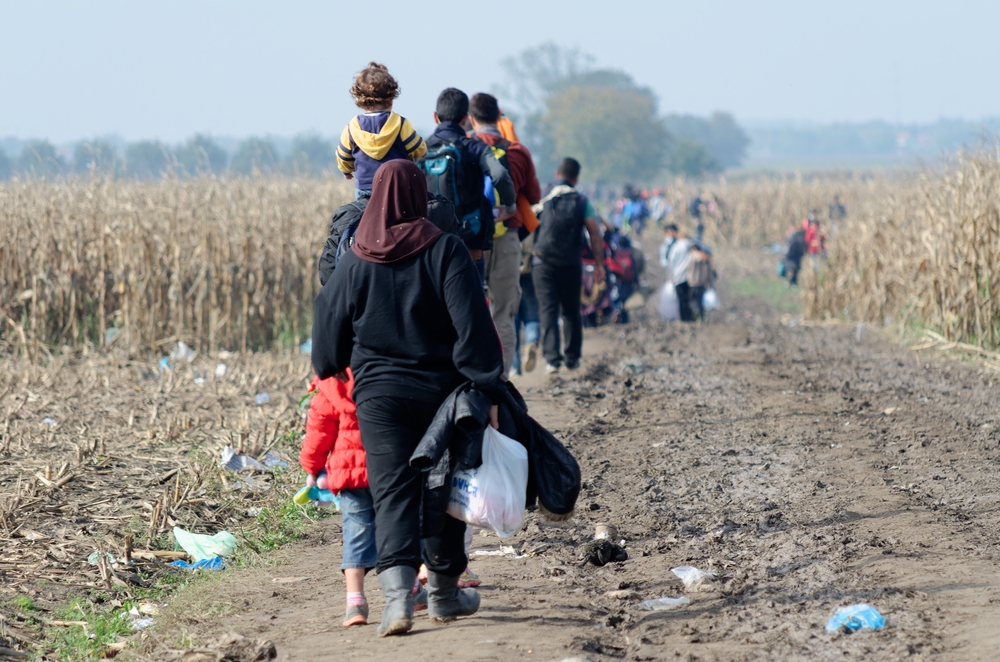
Opponents argue the strategy goes far beyond standard immigration enforcement.
Traditionally, deportation involves returning individuals to their country of citizenship or legal residence.
Third-country removals fundamentally alter that process by transferring migrants elsewhere entirely.
Legal scholars say the distinction matters because asylum law was built around preventing people from being sent into dangerous conditions.
Critics argue that danger does not disappear simply because the deportation destination changes.
Human rights lawyers warn that some receiving countries lack stable asylum systems, functioning courts, or adequate legal protections.
Others fear deportees could eventually be transferred again from the receiving nation to somewhere even more dangerous.
International law generally prohibits sending migrants into situations where they may face persecution, torture, or serious harm.
Advocates claim the administration is exploiting legal gray areas by outsourcing responsibility to other governments.
The White House rejects those accusations and maintains that all partner nations involved in the agreements meet safety standards.
The “Office Of Remigration” Has Added Fuel To The Controversy

The debate intensified further after reports emerged about a little-known State Department office allegedly helping coordinate aspects of the deportation system.
According to Wired, an internal unit known as the Office of Remigration has quietly operated with limited public attention.
The office reportedly handles logistics and funding tied to deportation arrangements with foreign governments.
The term “remigration” itself immediately became controversial.
In Europe, the phrase has historically been associated with far-right political movements advocating large-scale deportation campaigns tied to ethnic identity and nationalism.
Critics argue the administration’s adoption of the term sends a disturbing message.
Trump and senior adviser Stephen Miller have both publicly used the word in recent years.
During the 2024 campaign, Trump wrote on social media that his administration would “return Kamala’s illegal migrants to their home countries (also known as remigration).”
The State Department defended the office in a statement responding to criticism.
“President Trump promised to reverse the Biden-era invasion of illegal aliens and once again make America a country for Americans,” the statement read. “Remigration puts these words into action.”
For supporters, the language reflects a straightforward commitment to immigration enforcement.
For critics, it reflects a broader ideological shift inside parts of the administration.
The Legal Fight Around Third-Country Deportations Is Intensifying
Federal courts are now becoming one of the main battlegrounds over the administration’s deportation strategy.
Several lawsuits have challenged whether migrants can legally be deported to countries where they have no personal ties.
Judges have issued conflicting rulings.
One federal judge reportedly required immigration authorities to provide meaningful notice before deporting migrants to third countries.
That ruling also emphasized the need to allow migrants an opportunity to explain fears tied to a potential destination.
Another judge criticized the administration’s approach as an effort to avoid legal obligations tied to asylum law.
At the same time, higher courts have repeatedly allowed many deportation operations to continue while broader litigation moves forward.
The Supreme Court’s involvement has become especially important because the administration appears determined to push the boundaries of executive immigration authority.
Legal experts say the coming court battles could reshape deportation law for years.
If courts ultimately approve broad third-country removals, future administrations could inherit powerful new enforcement tools.
If courts reject the strategy, the administration may face major limitations on how aggressively it can carry out deportations.

Foreign Governments Are Also Facing Pressure
The controversy surrounding the agreements is not limited to the United States.
Foreign governments participating in the arrangements are increasingly facing political pressure and legal scrutiny inside their own countries.
Some nations reportedly accepted deportees only after negotiations involving financial assistance or diplomatic incentives.
Human rights organizations have urged governments not to cooperate with the expanding deportation network.
Advocacy groups argue countries accepting deportees could themselves become complicit in human rights violations if migrants later face abuse or forced transfers.
In several nations, lawsuits have already challenged participation in the program.
Governments in places like Costa Rica, Panama, and Uganda have reportedly faced growing legal and political pressure over deportation arrangements tied to the United States.
Some officials abroad appear cautious about publicly embracing the agreements.
Even governments cooperating with Washington sometimes describe the arrangements as temporary rather than permanent settlement programs.
That uncertainty has raised additional questions about what ultimately happens to deportees after they arrive.
The Immigration Debate Is Becoming Even More Polarized
Rubio’s announcement lands at a moment when immigration remains one of the most divisive political issues in America.
For Trump supporters, the policy demonstrates strength and seriousness after years of frustration over illegal immigration and border chaos.
Many conservatives argue that previous administrations failed because deportation systems lacked credible consequences.
From their perspective, the new agreements finally give immigration authorities meaningful leverage.
Critics see something very different.
Immigration advocates argue the policy normalizes mass deportation practices that would have once been politically unthinkable.
Civil liberties groups warn that secrecy surrounding the agreements creates opportunities for abuse and weakens public accountability.
The use of countries facing conflict, corruption, or instability has intensified those fears.
At the same time, polling continues showing strong support among many Republican voters for tougher immigration enforcement.
That political reality gives the administration significant incentive to keep expanding the program.
Trump has repeatedly framed immigration enforcement as essential to national sovereignty and public safety.
Rubio’s announcement appears designed to reinforce that message while signaling that the administration intends to move even faster during Trump’s second term.

The Missing List Of Countries Is Fueling Speculation
One of the biggest unanswered questions remains simple: which countries are actually participating?
The administration has not publicly identified all 20 nations involved in the agreements.
That absence of information has fueled enormous speculation online.
Reports and lawsuits have referenced countries including the Democratic Republic of the Congo, El Salvador, Panama, Costa Rica, Uganda, and South Sudan.
But officials have not confirmed the complete network.
Critics argue the secrecy prevents proper public oversight.
Supporters counter that releasing operational details could interfere with immigration enforcement efforts or complicate diplomatic negotiations.
Without transparency, however, the debate surrounding the agreements continues to grow more heated.
Immigration lawyers say uncertainty makes it difficult for migrants and attorneys to prepare legal defenses.
Human rights groups argue the public deserves to know which governments are participating and what protections exist for deportees after arrival.
The administration has so far resisted those demands.
Trump’s Immigration Agenda Is Entering A New Phase
Trump’s first presidential campaign became famous for promises involving walls, deportations, and strict border policies.
Now, his administration appears focused on building something much broader: an international deportation infrastructure capable of moving migrants almost anywhere cooperating governments are willing to accept them.
That marks a major evolution in immigration enforcement strategy.
Rather than relying solely on traditional deportation routes, officials are building a flexible system designed to overcome diplomatic, legal, and logistical obstacles.
Supporters believe that flexibility finally gives immigration authorities the power to enforce removal orders consistently.
Critics fear the same flexibility could weaken longstanding humanitarian protections.
The fight surrounding these agreements is unlikely to disappear anytime soon.
Court battles are accelerating. Advocacy groups are mobilizing internationally. Conservative immigration activists are demanding even faster implementation.
At the center of the storm is a policy that could fundamentally reshape how the United States handles deportation for years to come.
And with the administration refusing to reveal the full list of participating nations, the controversy surrounding Rubio’s announcement may only be getting started.