
Your cart is currently empty!
Erin Brockovich Launches Nationwide AI Data Center Complaint Map

The woman who once helped expose one of America’s most infamous environmental contamination scandals has returned with a new warning, and this time the target is artificial intelligence.
Contents
show
Erin Brockovich, the environmental activist whose fight against toxic groundwater pollution inspired the Oscar-winning film starring Julia Roberts, has launched a public tracking platform focused on AI data centers spreading across the United States.
Within weeks of the site going live, thousands of Americans had already submitted complaints.
The reports describe fears over water shortages, rising electricity demand, constant industrial noise, environmental risks, and giant facilities appearing near neighborhoods with little public attention.
As Silicon Valley races deeper into the AI era, Brockovich says many communities are only now realizing what it physically takes to power artificial intelligence.
Erin Brockovich Says AI’s Expansion Is Happening “Town By Town”
Brockovich announced the launch of BrockovichDataCenter.com as a crowdsourced reporting platform designed to track operational, proposed, and under-construction AI-focused data centers across America.
Residents can upload photographs, submit concerns, and identify nearby developments they believe deserve greater scrutiny.
“The RACE to build AI infrastructures is unfolding town by town across America,” Brockovich wrote on the website.
“In some places, data centers are welcomed. In others, they are delayed, contested or abandoned altogether. This MAP captures the real-world footprint of that race, revealing patterns of growth, conflict and uncertainty.”
The platform immediately struck a nerve online.
Within days, reports began pouring in from dozens of states. By late May 2026, the website had received more than 2,700 community submissions, according to figures displayed on the platform.
Texas quickly emerged as the state with the highest number of complaints.
The website does not frame itself as an anti-AI campaign.
Instead, Brockovich says the goal is transparency.
Her project calls for “sustainable, secure, and efficient AI data center practices” while giving communities a way to publicly document environmental and infrastructure concerns often discussed only at local planning meetings.
Why AI Needs So Many Massive Data Centers
For many people, artificial intelligence feels invisible.
They interact with chatbots, image generators, recommendation systems, or search tools through phones and laptops without seeing the industrial systems operating behind the scenes.
But AI runs on physical infrastructure, and that infrastructure is enormous.
Modern AI systems require giant data centers filled with high-powered computer servers running continuously around the clock. These facilities train machine-learning models, process user requests, and store huge volumes of information.
The demand has exploded since generative AI tools entered the mainstream.
Companies including OpenAI, Microsoft, Google, Meta, and Amazon are now competing to build faster and larger AI systems. That competition has triggered a nationwide construction boom unlike anything the tech industry has seen before.
According to figures cited on Brockovich’s platform, more than 4,200 data centers now operate across the United States.
Experts expect that number to rise sharply over the next decade.
The Biggest Fear Is Water Consumption
Among the thousands of complaints submitted to Brockovich’s website, one concern appeared more than any other.
Water.
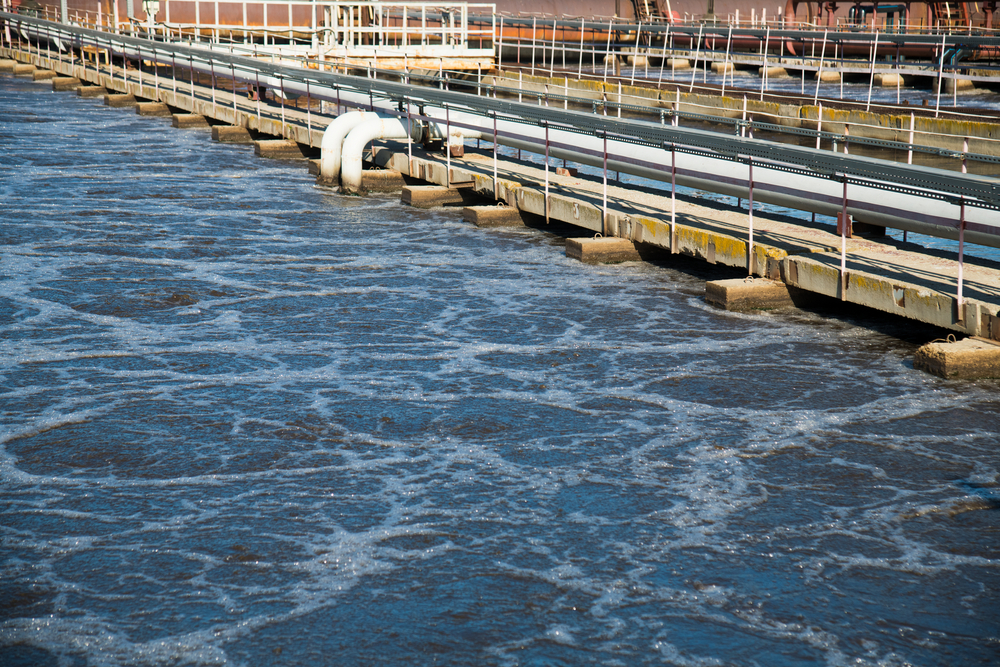
AI data centers generate huge amounts of heat because thousands of servers operate simultaneously inside tightly packed facilities. To prevent overheating, companies rely on large industrial cooling systems that consume enormous quantities of water.
In some cases, a single data center can use millions of gallons every day.
That has become especially controversial in drought-prone regions already dealing with strained supplies and rapid population growth.
Communities fear that local water systems may end up serving corporate infrastructure before residential needs.
Why Cooling Systems Need So Much Water
Many AI facilities use evaporative cooling systems.
The process works by circulating water through cooling towers that remove heat from servers before the water evaporates into the atmosphere. The system helps maintain safe operating temperatures for sensitive equipment, but it also creates constant demand for fresh water.
The larger the AI operation becomes, the greater the cooling requirements.
That matters because AI models are becoming dramatically more power-hungry.
Training advanced systems now requires vast numbers of GPUs and specialized chips operating continuously for weeks or even months. Once deployed publicly, those systems must continue processing millions of user interactions every day.
Critics argue that the environmental conversation around AI often ignores these physical realities.
Residents Fear Long-Term Resource Strain
Water concerns have already triggered resistance in several communities.
Some residents worry that future drought restrictions could end up affecting households while nearby data centers continue operating uninterrupted.
Others fear long-term depletion of local aquifers.
On Brockovich’s map, water-related complaints consistently rank above every other category.
The issue has also attracted growing political attention.
Lawmakers in multiple states have started questioning whether municipalities fully understand the long-term resource impact before approving large AI infrastructure projects.

Electricity Demand Is Becoming Another Flashpoint
Water is only part of the problem communities are raising.
AI data centers also consume staggering amounts of electricity.
Some facilities require as much energy as small cities, placing enormous pressure on local grids already struggling to meet rising demand.
That concern appears repeatedly throughout reports submitted to Brockovich’s platform.
Residents fear electricity costs could rise as utilities rush to support industrial-scale AI operations.
AI’s Power Appetite Is Growing Fast
Traditional cloud computing already required major energy infrastructure.
Artificial intelligence pushes those requirements even further.
Generative AI systems perform massive calculations involving advanced processors operating simultaneously across thousands of machines. The result is dramatically higher energy consumption compared to older internet infrastructure.
Researchers have repeatedly warned that AI expansion could significantly increase greenhouse gas emissions if energy production fails to keep pace through renewable sources.
Some environmental groups fear utilities may lean more heavily on fossil fuels to satisfy demand spikes created by new facilities.

Communities Are Asking Who Benefits
Many of the complaints appearing on Brockovich’s map raise a similar question.
Who actually benefits from these projects?
Supporters argue that AI infrastructure creates jobs, attracts investment, and positions communities for future technological growth.
Critics counter that many facilities create relatively few permanent positions once construction ends while consuming huge amounts of local resources.
Residents also worry about tax incentives offered to large corporations.
Several states are aggressively competing for AI infrastructure through subsidies, permitting fast-tracks, and energy agreements designed to attract billion-dollar investments.
Some communities fear they are taking on environmental burdens while multinational companies collect the profits.
Noise Complaints Are Becoming More Common

Not every concern tied to AI data centers is visible.
For many residents, the problem is sound.
Large facilities rely on industrial cooling systems, backup generators, ventilation equipment, and server operations that run continuously throughout the day and night.
Communities living nearby have reported constant humming, vibrations, and low-frequency industrial noise.
Some complaints specifically mention infrasound, a phenomenon associated with heavy industrial machinery that can create persistent low-frequency vibrations felt over long distances.
People living near major facilities have described hearing nonstop mechanical sounds that never fully disappear.
Unlike traditional industrial operations that slow down overnight, AI data centers typically operate 24 hours a day.
That means cooling systems and generators remain active continuously.
Residents say the result can feel psychologically exhausting over time, especially in suburban or semi-rural communities previously known for quiet surroundings.
Noise complaints have become increasingly common as more facilities appear near residential developments.
The AI Boom Is Reshaping America’s Landscape

The scale of the AI infrastructure race is difficult to overstate.
What started as a competition between tech companies has rapidly transformed into a nationwide construction movement affecting energy grids, land use, water systems, and local politics.
Entire regions are being reshaped by the demand for AI computing power.
Northern Virginia remains the most famous example.
The region, often called “Data Center Alley,” already hosted one of the world’s largest concentrations of internet infrastructure before the AI boom accelerated demand even further.
Its dense fiber-optic networks and proximity to federal agencies made it an ideal location for cloud computing expansion.
Today, enormous server warehouses dominate parts of the landscape.
Residents have increasingly pushed back against new developments over concerns tied to aesthetics, energy use, and environmental strain.
Texas has become another critical center for AI expansion.
The state offers large amounts of relatively inexpensive land, business-friendly regulations, and flexible energy markets attractive to technology companies.
Cities including Dallas and Austin have become major AI infrastructure hubs.
But Texas is also where Brockovich’s platform has received the highest number of complaints.
Many residents there are increasingly worried about water usage, grid stability, and rapid industrial growth occurring near expanding suburban communities.
Several states are aggressively marketing themselves as future AI infrastructure hubs.
These include:
- Ohio
- Arizona
- Georgia
- Utah
- Nevada
- North Carolina
The reasons are similar across most locations:
- Cheap land
- Access to power
- Tax incentives
- Streamlined permitting
- Existing industrial infrastructure
- Expanding tech workforces
Local governments often view data centers as long-term economic investments capable of generating tax revenue and attracting future technology development.
Opponents argue the long-term environmental tradeoffs remain poorly understood.
Public Resistance Is Growing Faster Than Many Expected
The backlash against data centers is no longer isolated to environmental activists.
Community resistance appears to be spreading nationally.
One report cited alongside Brockovich’s project claimed that 70% of Americans oppose data center construction near their homes.
That figure reportedly represented a sharp increase compared to surveys conducted only months earlier.
At least 69 jurisdictions across the United States have reportedly introduced moratoriums or restrictions on new data center projects while local governments study their impact.
In many areas, the conflict is now unfolding inside city council meetings and zoning hearings.
Residents are showing up to challenge permits, question environmental reviews, and demand more transparency from developers.
Some communities argue projects are being approved too quickly because officials fear losing economic investment to competing states.
Others believe regulators are struggling to keep pace with the speed of AI expansion itself.
The tension reflects a larger national debate surrounding artificial intelligence.

AI’s Environmental Cost Is Becoming Harder To Ignore
For years, artificial intelligence was marketed primarily as software.
Now, the environmental footprint behind that software is becoming increasingly visible.
Researchers and watchdog groups have already documented sharp increases in greenhouse gas emissions tied to AI infrastructure growth.
Some estimates suggest data centers account for roughly 0.6% of global greenhouse gas emissions since 2020.
That number could rise significantly as companies continue building larger systems.
Another concern appearing frequently on Brockovich’s platform involves electronic waste.
AI infrastructure depends on specialized hardware that becomes outdated quickly as companies race toward faster systems.
That creates growing amounts of discarded servers, chips, batteries, and cooling equipment.
Critics worry the AI race encourages rapid hardware replacement cycles that could worsen global e-waste problems over time.
The environmental impact extends far beyond electricity alone.
Brockovich’s website also highlights concerns tied to location risks.
Flooding, heatwaves, storms, and extreme weather events all pose challenges for large-scale infrastructure operations.
As climate instability increases, communities are questioning whether some regions are prepared to host enormous energy-intensive facilities vulnerable to environmental disruption.
The issue becomes even more complicated when critical internet and AI infrastructure concentrates heavily inside specific geographic areas.
Erin Brockovich’s History Gives The Campaign Weight
Part of the reason Brockovich’s new campaign is attracting so much attention comes down to her history.
She is not entering the environmental debate as an unknown activist.
Her name remains closely associated with one of America’s most famous environmental legal battles.
In the early 1990s, Brockovich worked as a legal clerk investigating unusual illnesses in Hinkley, California.
Her research helped uncover allegations that Pacific Gas & Electric contaminated local groundwater with chromium-6 connected to natural gas operations.
Residents claimed exposure caused serious health problems.
The lawsuit eventually resulted in a $333 million settlement in 1996, at the time considered one of the largest direct-action lawsuit payouts in U.S. history.
The case transformed Brockovich into a nationally recognized consumer advocate.
The 2000 film Erin Brockovich turned the story into a global phenomenon.
Julia Roberts won an Academy Award for portraying Brockovich, cementing her status as one of the most recognizable environmental activists in America.
That history gives her new AI campaign unusual cultural weight.
Many people view Brockovich as someone willing to challenge powerful industries before broader public opinion catches up.
Tech Companies See AI Infrastructure As Essential

While criticism is growing, major technology companies argue that expanding AI infrastructure is unavoidable.
Artificial intelligence now sits at the center of Silicon Valley’s future business strategy.
Every major tech company is racing to build larger models, faster systems, and more powerful computing networks.
Without massive data centers, those ambitions collapse.
The launch of generative AI tools triggered an infrastructure race between corporations desperate to avoid falling behind competitors.
Companies are now investing billions into chips, server clusters, and specialized facilities capable of supporting advanced machine learning.
The demand is so intense that some experts believe electricity shortages could eventually slow AI development itself.
That possibility has pushed companies to secure long-term energy agreements and expand construction aggressively.
Supporters Say AI Could Deliver Huge Benefits
Backers of AI infrastructure argue the technology could reshape medicine, science, education, transportation, and productivity.
They say new data centers are necessary to support breakthroughs that may improve daily life in countless ways.
Some local officials also welcome projects because they generate construction jobs and long-term tax revenue.
The debate has therefore become deeply complicated.
Communities are balancing economic opportunity against environmental pressure and quality-of-life concerns.
Brockovich Says Communities Deserve A Voice
One of the strongest themes running through Brockovich’s campaign is local participation.
Many residents submitting complaints say they felt unaware of projects until construction was already moving forward.
The platform attempts to centralize information often scattered across local planning boards, permitting meetings, and corporate announcements.
Residents Can Upload Photos And Reports
The website allows people to submit:
- Photographs
- Local news articles
- Construction updates
- Infrastructure concerns
- Water complaints
- Wildlife observations
- Community tips
Brockovich says the goal is to create a clearer public picture of how rapidly AI infrastructure is expanding nationwide.
The reporting system remains crowdsourced, meaning independent verification varies by submission.
Still, the platform has quickly become a focal point for people worried about the speed of AI-related development.
The Fight Over AI Is Moving Beyond Silicon Valley
For years, conversations about artificial intelligence focused mostly on software, ethics, misinformation, and job disruption.
Now the debate is becoming physical.
People are talking about land, electricity, water, roads, noise, zoning, and environmental pressure.
The AI revolution is no longer happening only inside screens.
It is reshaping neighborhoods, infrastructure systems, and local politics across America.
That shift may explain why Brockovich’s campaign has resonated so quickly.
She built her reputation exposing environmental dangers that many communities believed were ignored until the damage became impossible to dismiss.
Now she is warning that another industrial boom is expanding faster than public oversight.
The companies building AI infrastructure see a technological future worth billions of dollars.
Many residents are looking at the same facilities and wondering what the long-term cost could be for the places they call home.