
Your cart is currently empty!
New Study Finds a Surprising Connection Between Nature and Loneliness

Spending time alone is often the last thing people are encouraged to do when they feel lonely. Yet research from Norway suggests that heading outdoors by yourself could help ease those feelings, provided you connect with the natural world around you.
Contents
show
A study published in Health & Place examined more than 2,500 people living near Norway’s largest lake and uncovered an unexpected association. People who felt connected to nature and emotionally attached to a particular place tended to report less loneliness, with an even stronger relationship observed among those who enjoyed outdoor activities alone.
Researchers Found An Unexpected Link Between Nature And Loneliness
The research explored whether spending time outdoors could help people feel less lonely by strengthening their connection to their surroundings. Researchers Sindre Johan Cottis Hoff of the Norwegian University of Science and Technology and Helga Synnevåg Løvoll of Volda University College investigated how people experienced outdoor activities around Lake Mjøsa in Norway.
The researchers surveyed 2,544 residents about their outdoor habits and feelings of loneliness. Participants reported how frequently they took part in activities around the lake, including walking, swimming, paddling, and fishing, as well as whether they usually did these activities alone.

The results challenged the assumption that spending time outdoors helps people feel less lonely mainly because they encounter others. Instead, the researchers found that feeling connected to nature and developing an emotional attachment to a particular place were associated with lower loneliness.
The relationship was particularly interesting when participants engaged in outdoor activities alone. The findings suggested that solitude could provide opportunities to experience nature more directly, without the demands and distractions that sometimes accompany social interaction.
This does not mean meeting friends outdoors has no value. Rather, the study points toward another possible source of belonging that people may overlook when they think about loneliness.
Why Spending Time Alone Outdoors Could Help
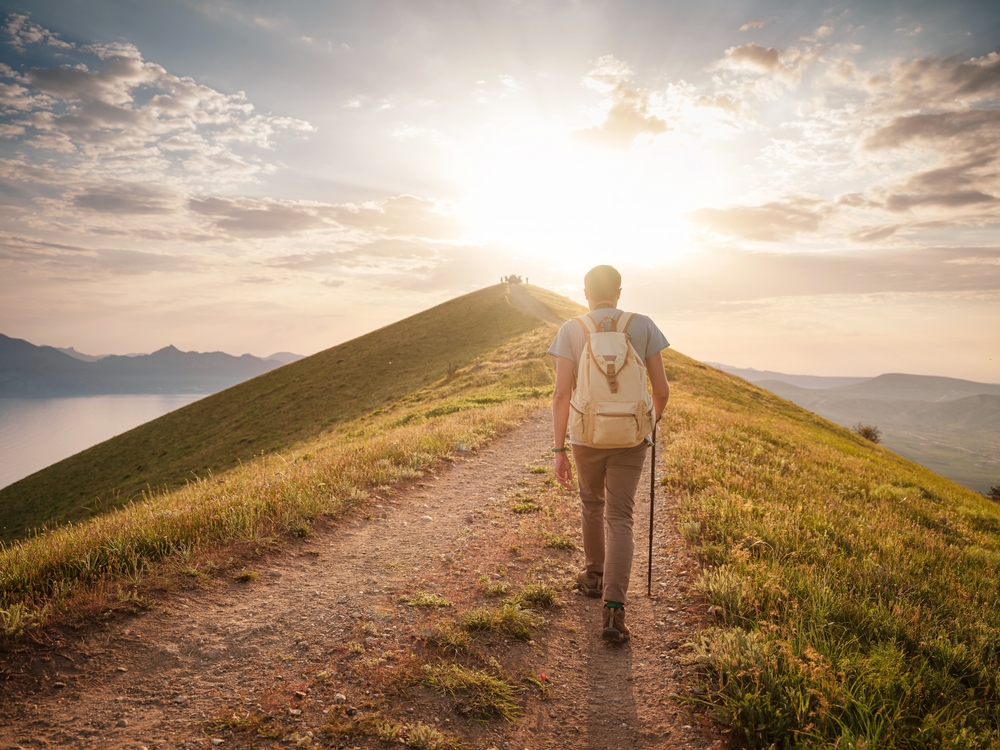
Loneliness is commonly associated with feeling disconnected from other people, particularly when someone lacks close relationships or meaningful social support. However, the Norwegian researchers explored whether a sense of belonging could also develop through a person’s relationship with the natural environment.
Hoff explained the central idea in comments published by the Norwegian University of Science and Technology. “Strengthening the sense of belonging, not just to other people, but to natural environments and the surroundings, appears to have a protective effect against loneliness,” he said.
The suggestion is that people may experience a sense of connection through familiar landscapes, living things, and places that become meaningful over time. That feeling can exist alongside human relationships and may offer another way to experience belonging.
Nature can also provide an environment where people feel less pressure to meet social expectations. A quiet walk does not require someone to maintain a conversation, interpret social cues, or worry about how others perceive them, which may make it easier to focus on the immediate experience.
For someone who feels overwhelmed by daily demands, that change in attention could be welcome. Instead of concentrating on difficult interactions or feelings of disconnection, they can notice the sounds, colours, and movement around them.
Paying Attention May Matter More Than Simply Being Outside

The research suggests that spending time outdoors does not automatically create a stronger connection with nature. How people engage with their surroundings appears to be an important part of the relationship observed by the researchers.
Noticing sunlight across the water, listening to birds, or watching leaves move in the wind can make an ordinary outing feel more engaging. These small observations encourage people to pay attention to the place itself rather than treating it simply as somewhere to pass through.
Hoff explained the broader finding in comments published by the university, saying, “The conclusion is that outdoor activities in natural environments largely have a protective effect against loneliness.” The findings indicate that the experience of being outdoors deserves attention alongside the amount of time spent outside.
Not Every Outdoor Activity Had The Same Association

The researchers examined nine activities connected with Lake Mjøsa and found that some were more strongly associated with feeling connected to nature than others. Walking along the shore, enjoying life by the water, and walking on the ice showed the strongest ties to nature connectedness.
Exercising along the shore ranked lowest among the activities examined for this particular association. The researchers suggested that activities focused on physical performance may direct attention toward effort and results instead of the environment.
This distinction does not mean jogging beside a lake is unhealthy or that exercise cannot improve mental well-being. It simply suggests that a workout and a leisurely walk may offer different experiences, even when they take place along the same stretch of water.
Someone concentrating on pace, distance, or heart rate might spend less time observing the scenery. A person walking without a specific performance goal may have more opportunities to notice the landscape and develop a stronger connection with the place.
The study therefore offers several practical examples of outdoor activities that may encourage closer attention to nature.
- Walking beside water: Watching the movement of a lake or river can encourage people to notice the environment instead of focusing entirely on reaching a destination.
- Enjoying the scenery: Sitting near a shoreline or looking across an open landscape provides time to appreciate details that might otherwise go unnoticed.
- Exploring a familiar trail: Observing trees, plants, wildlife, and changing light can make a routine outing feel more engaging and personal.
- Taking a quiet outdoor break: Spending time outside without conversation or digital distractions may create more opportunities to pay attention to the surroundings.
None of these activities requires expensive equipment, a demanding fitness routine, or a carefully planned trip. A nearby park, garden, or walking path may offer a suitable place to begin, depending on what is safely accessible.
Loneliness Is A Growing Public Health Concern

The study arrives as loneliness continues to attract attention from researchers and public health organisations. Although people experience loneliness for different reasons, persistent feelings of disconnection can be associated with serious health concerns.
The World Happiness Report, cited in the supplied research reference, found that 19% of young adults reported having nobody they could count on for social support in 2023. That figure represented a 39% increase from 2006, illustrating growing concern about the availability of dependable social connections.
Loneliness has also been associated with depression, cardiovascular disease, dementia, and premature death. These associations make it important to understand the different factors that may help people maintain a sense of connection and well-being.
Researchers have explored various approaches to addressing loneliness, including social activities, community programmes, and interventions designed to strengthen relationships. The Norwegian findings add another possibility by suggesting that a stronger connection with nature could complement these approaches.
Hoff also argued that protecting access to natural environments deserves attention from public authorities. “Loneliness and a sense of not belonging are major public health challenges. If natural environments are destroyed or become less accessible, it may be costly for society,” he said.
His comments highlight an issue beyond individual lifestyle choices. Parks, accessible shorelines, walking paths, and green spaces give people opportunities to spend time outdoors without needing to travel far or pay for organised activities.
When these spaces become difficult to access, people may lose opportunities to build familiar relationships with the places around them. Preserving accessible natural environments could therefore offer benefits that extend beyond recreation, although the study does not establish the size of any resulting public health effect.
Why Feeling Connected To A Place Matters

The researchers also examined attachment to specific places, using Lake Mjøsa as their main setting. Place attachment describes an emotional bond with a location that can develop through repeated visits, familiar scenery, personal experiences, and memories associated with somewhere.
For one person, that place might be a lakeside path where they walk regularly. For another, it could be a neighbourhood park, a garden, or a familiar stretch of countryside that offers a welcome change from daily routines.
The researchers found that attachment to a place was associated with lower loneliness, particularly feelings related to disconnection from a wider community. This suggests that a sense of belonging can involve more than direct interaction with other people.
Familiar environments can become meaningful parts of daily life, providing continuity and a connection to the surrounding world. Returning to the same park and noticing seasonal changes may gradually create a stronger emotional relationship with that location.
A place does not have to be spectacular to become personally important. Even an ordinary patch of greenery can become familiar through repeated visits, especially when someone takes time to notice its details rather than simply passing through.
Nature Can Offer A Different Kind Of Belonging
The researchers considered both direct and indirect explanations for the relationship between nature connectedness and loneliness. One possibility is that feeling part of the natural world fulfils a human desire for belonging, while another is that this connection may help counter unhelpful thoughts associated with loneliness.
For example, someone who feels disconnected from others may spend time worrying that people dislike them or cannot understand their experiences. Paying attention to nature may provide a different focus, although the study does not prove that this process caused participants to feel less lonely.
The source material also notes that some people experience nature as non-judgemental. A tree-lined path or quiet lakeshore does not demand that someone behave a certain way, potentially making outdoor solitude feel comfortable.
This experience will differ from person to person, and it should not be treated as a replacement for supportive relationships. Instead, the research invites a broader understanding of where people can find a sense of connection in their everyday lives.
The Researchers Warn That The Findings Have Limits

Despite the encouraging association, the research does not prove that spending time alone outdoors cures loneliness. The study was observational, meaning researchers examined reported activities and feelings rather than assigning participants to specific activities and measuring the effects afterward.
It is therefore possible that people who already feel connected to nature are less likely to experience certain forms of loneliness. Another possibility is that people who feel lonely seek out natural environments because they find them comforting or restorative.
The findings also cannot establish that solitude benefits everyone in the same way. Some people find time alone refreshing, while others experience it as an unwanted form of isolation that deepens their feelings of disconnection.
That distinction is important because chosen solitude and unwanted isolation are different experiences. Someone who deliberately spends an afternoon walking alone may enjoy the freedom to reflect, while someone who desperately wants company may find the same situation painful.
Human relationships remain important, and the research should not be interpreted as a reason to withdraw from friends, family, or community life. Instead, it suggests that a connection with nature may complement social relationships and offer another possible source of belonging.
How To Make Your Time Outdoors More Meaningful
The findings offer a simple idea for anyone who wants to develop a closer relationship with the outdoors. Rather than treating every walk as a workout or an opportunity to reach a destination, people can occasionally slow down and pay attention to what surrounds them.
That could mean noticing the sound of wind moving through trees, watching clouds change shape, or observing how sunlight falls across a familiar path. The aim is to become more attentive to the environment, rather than completing a particular distance or reaching a performance target.
The research material also describes an exercise from previous work on nature connectedness: writing down three positive things noticed outdoors each day over a period of time. This practice encourages people to recognise details they might otherwise overlook and build a habit of paying attention to nature.
Returning to the same accessible outdoor location may also help someone develop familiarity and attachment. A short visit to a nearby park or a quiet walk beside water could provide a starting point for anyone who wants to try this approach.
It is equally important to recognise what the research cannot promise. Spending time in nature may be a useful addition to someone’s routine, but persistent loneliness may also call for meaningful social contact, community involvement, or support from a qualified professional.
The strongest message from the study is that connection can take different forms, and the natural world may be one of them. A quiet stretch of shoreline cannot replace a trusted friend, but it could offer a valuable opportunity to feel more connected to the world when spending time alone.
Sometimes, a walk becomes more meaningful when the goal is simply to notice where you are, rather than how quickly you can get somewhere.