
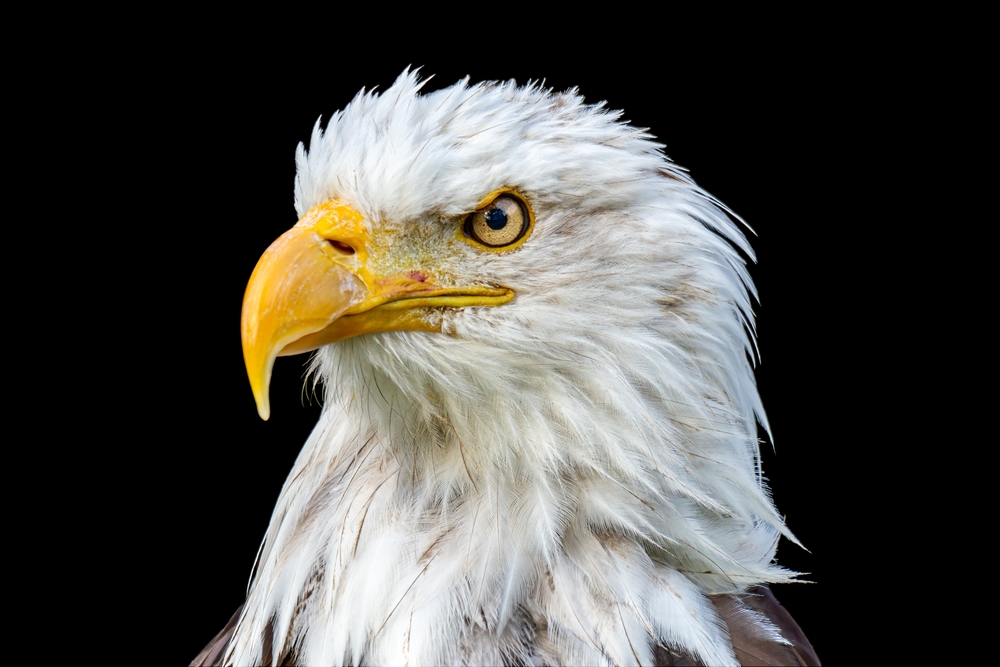
A routine government surveillance flight over Lake Michigan took an extraordinary turn when a bald eagle suddenly attacked the aircraft, ripping off one of its propellers and sending it spiraling toward the water. The drone’s operator watched helplessly as the machine began spinning out of control before disappearing from sight. Moments later, an eagle was spotted flying away from the area, leaving officials with a bizarre mystery and an expensive piece of missing equipment.
The incident involved a $950 drone operated by Michigan’s Department of Environment, Great Lakes, and Energy (EGLE). What followed was an unsuccessful shoreline search, an underwater recovery attempt, and a surprisingly creative name for the team eventually sent to retrieve the wreckage. Although the story has recently resurfaced online as a supposed 2026 incident, the actual eagle-versus-drone showdown happened back in July 2020.
EGLE drone that lost confrontation with bald eagle plucked from bottom of Lake #Michigan: https://t.co/EZtNjIQHMU MiEnvironment #drone https://t.co/fVHonLgvDz
— Michigan EGLE (@MichiganEGLE) August 20, 2020
The Bald Eagle Attacked During A Routine Government Flight
The unusual confrontation happened on July 21, 2020, near Escanaba in Michigan’s Upper Peninsula. Hunter King, an environmental quality analyst and drone pilot working for EGLE, was conducting an aerial survey of shoreline erosion. The agency was using drone technology to document changing conditions along Michigan’s coastline and help communities understand the effects of high water levels. King had already completed approximately seven minutes of his mapping flight when the aircraft began experiencing problems with its satellite reception.
King pressed the drone’s “Go Home” recall button, instructing it to return to its launch location. The aircraft initially responded as expected, turning around and regaining a strong satellite connection. King watched the video feed as the drone headed back toward him, apparently completing another ordinary mapping mission. However, the aircraft suddenly began spinning uncontrollably, suggesting something had gone seriously wrong during its return.
Describing the unexpected movements, King said, “It was like a really bad rollercoaster ride.” When he looked up from his screen, the drone had disappeared from view, but a bald eagle was flying away from the scene. A nearby couple later confirmed that they had witnessed the bird strike something in the air. They regularly watched local eagles attack seagulls, but were surprised to discover that this particular target had been a government drone.
What have we here?! Coming tomorrow in MiEnvironment. Subscribe! https://t.co/zLVoLUedSg https://t.co/USlNOPjzk7
— Michigan EGLE (@MichiganEGLE) August 20, 2020
Flight Data Captured The Eagle’s Devastating Strike
The drone’s disappearance might have left officials relying entirely on eyewitness accounts, but its internal flight records provided a much clearer picture of the final moments. The data showed that the eagle struck the aircraft approximately 7 minutes and 39.7 seconds into the flight. At the time, the drone was around four-tenths of a mile from King and flying approximately 162 feet above the water. Its speed immediately dropped from 22 mph to 10 mph, followed by a rapid loss of control.
Within half a second of the collision, the aircraft began spiraling downward. Its systems recorded warnings about excessive spinning, while another alert indicated that one of its propellers had been torn off. During the next 3.5 seconds, the drone transmitted 27 warning notifications as it struggled to remain airborne. The damage was severe enough that the aircraft had little chance of completing its return journey.
The final communication came when the drone was approximately 34 feet above the water. Its flight records showed that it was falling at 30 feet per second, equivalent to around 20.4 mph. After that, the aircraft disappeared beneath Lake Michigan. The recorded information gave officials a detailed account of the collision, confirming that something had caused catastrophic damage during the flight. Combined with the witnesses’ observations, the evidence established an extraordinary encounter between a wild bald eagle and an expensive piece of government equipment.
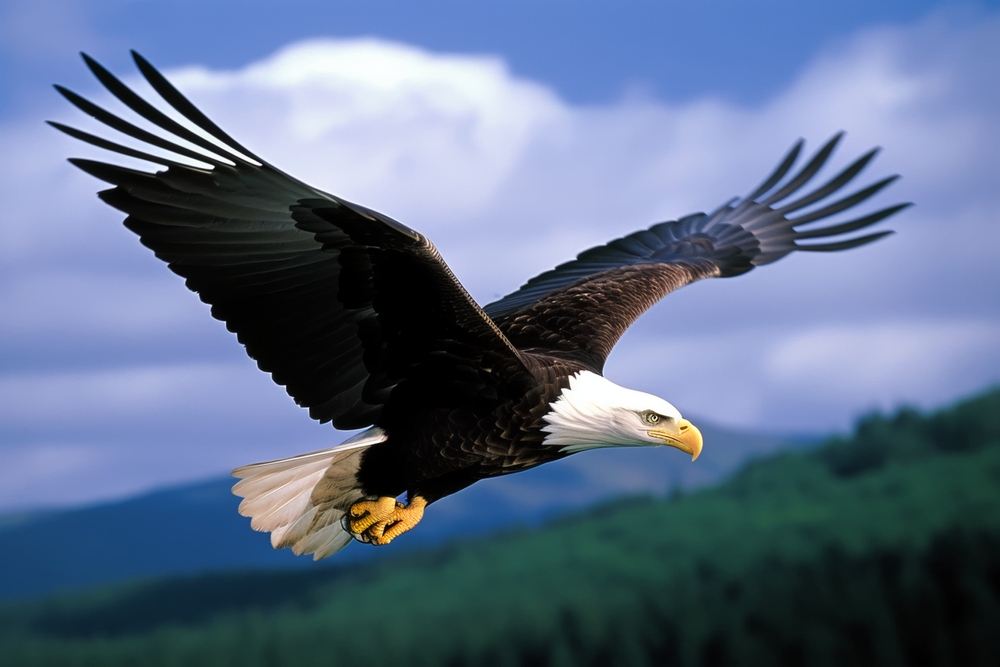
Officials Spent Days Searching For The Missing Drone
After the aircraft disappeared, King and the nearby couple began searching the shoreline in the hope of finding it. Their initial efforts proved unsuccessful, as the drone had apparently sunk beneath the lake’s surface. Arthur Ostaszewski, an unmanned aircraft systems coordinator with EGLE, subsequently joined the recovery operation and attempted to locate the missing equipment using several different methods. The team had access to the drone’s flight telemetry, which provided an approximate location for its final descent.
Ostaszewski used a kayak and snorkeling equipment to investigate the area, hoping the aircraft could be spotted underwater. He also relied on the recorded flight information to narrow down the search location. Even with those tools, finding the drone proved difficult because the water was too murky to provide a clear view of the lakebed. The recovery effort eventually included walking a grid pattern across the suspected search area for two hours.
Ostaszewski compared the methodical search to playing Battleship, explaining that he wanted to cover the entire area rather than leave any possible location unchecked. Despite the time and effort involved, the drone remained missing. The agency had already lost a $950 Phantom 4 Pro Advanced aircraft, and the prospect of recovering it appeared increasingly difficult. However, the search was not over, and changing conditions beneath the water would eventually give the team another opportunity.
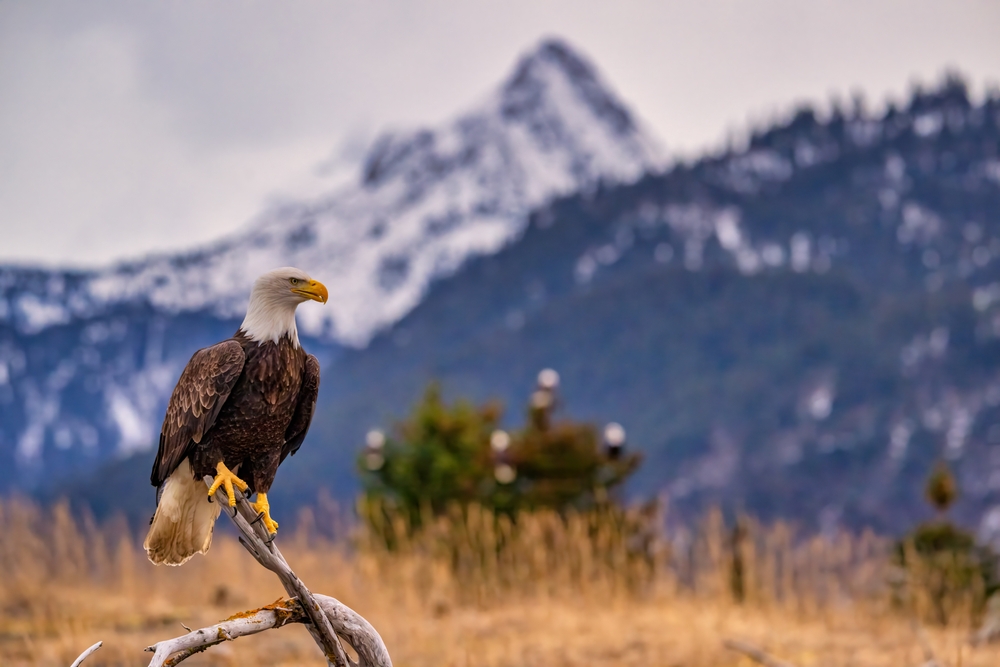
Michigan’s Recovery Team Finally Located The Wreckage
Approximately one week after the attack, a team of Michigan state employees managed to locate the missing aircraft. The discovery happened in almost exactly the same area where the drone’s flight data had indicated it would have landed. Shifting winds and currents had cleared previously murky water, improving visibility and making it possible for the team to spot the wreckage. After days of unsuccessful searching, the missing aircraft was finally recovered from Lake Michigan.
The agency gave the recovery group an amusing official-sounding nickname: the Willful Eagle Trauma Team Engaged in Retrieval, or WETTER. The name was a playful reference to the bald eagle responsible for sending the aircraft into the lake. It also captured the unusual nature of an operation that had started with a routine shoreline survey and turned into an underwater search for equipment damaged by a wild bird.
EGLE shared photographs of the recovery effort on its social media account, documenting the team’s work. The recovery brought an end to the search, although the incident itself remained an unusual example of the challenges involved in operating drones around wildlife. The aircraft had been retrieved, but its unexpected encounter with the eagle had already become one of the agency’s most memorable equipment failures.
Why Would A Bald Eagle Attack A Flying Drone?
Officials considered several possible explanations for the eagle’s behavior, although nobody established exactly what motivated the attack. One possibility was territorial aggression. Bald eagles are known to defend their nesting areas and territories against perceived intruders, sometimes using aggressive aerial behavior to drive them away. An unfamiliar aircraft entering the bird’s surroundings could potentially have attracted unwanted attention, particularly if it resembled another bird in flight.
Another possibility was that the eagle mistook the drone for prey or a competing bird. Bald eagles are opportunistic hunters that primarily feed on fish but also eat other birds and available animals. Their eyesight allows them to identify potential targets from considerable distances, while their powerful talons help them capture and carry prey. However, there was no evidence establishing whether the eagle viewed the aircraft as food, a rival, or simply an unfamiliar object.
Michigan officials summed up the possibilities with a humorous comment, suggesting the incident could have been “a territorial squabble with the electronic foe, or just a hungry eagle.” The agency even joked that the bird might have disliked its name being misspelled. While the possibilities were entertaining, the actual motivation behind the attack remained unknown. The encounter demonstrated how unpredictable wildlife interactions can become when small aircraft operate in areas inhabited by powerful birds of prey.
The Agency Considered Making Its Drones Look Different
Following the incident, EGLE considered possible ways to prevent another aircraft from becoming an eagle’s target. One suggestion involved changing the drone’s appearance to make it look less like a seagull. The idea was that a different design might attract less attention from birds that could mistake an aircraft for another animal entering their territory. It was an unusual consideration for an agency primarily focused on environmental monitoring, but the encounter had given officials a reason to think differently about drone design.
There was another interesting detail surrounding the incident: nobody had actual video footage of the attack. Although the drone was equipped with recording capabilities, it was not recording at the moment the eagle struck. This meant there was no direct visual footage showing the collision itself. The account was instead supported by the drone’s flight records, the pilot’s observations, and the testimony of the nearby witnesses.
That distinction became particularly relevant when the story began circulating online again in 2026. Some social media posts appeared to show an eagle approaching a drone, but those images should not be confused with footage of the original incident. The actual confrontation happened six years earlier, and the agency’s records provided the evidence confirming what had happened. The renewed attention had made an old Michigan wildlife encounter look like breaking news.
The Eagle Escaped Without Receiving A Government Citation
Perhaps the most amusing detail came when officials considered whether the bird could face any consequences for destroying government equipment. The Michigan Department of Natural Resources was unable to issue a citation or violation notice to the rogue eagle. The aircraft had been damaged, the recovery effort had required considerable time, and the agency had lost the use of its drone. Yet there was no practical way to hold a wild bird responsible for the incident.
An EGLE spokesman addressed the unusual situation with a memorable statement: “Unfortunately, there’s nothing we can do,” he said. “Nature is a cruel and unforgiving mistress.” The comment perfectly captured the absurdity of the encounter. Government equipment had been brought down during a routine operation, and the apparent attacker had simply flown away.
The story has continued to attract attention because it combines an unexpected wildlife encounter with the kind of expensive equipment failure usually associated with mechanical problems or technical accidents. The eagle was never identified, its motivation was never established, and officials could not determine whether another similar attack would happen. What they did know was that their $950 drone had been knocked out of the sky, recovered from the bottom of Lake Michigan, and defeated by an animal that never had to answer for the damage.