
Your cart is currently empty!
California Condors May Be Nesting In Northern California For The First Time Since The 1800s
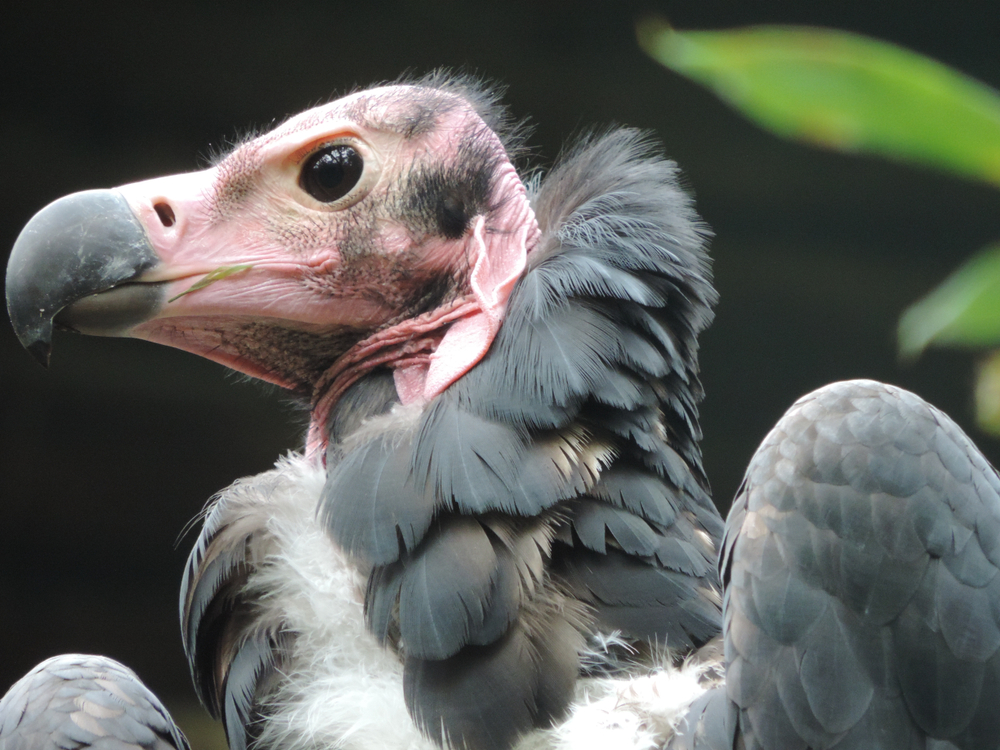
For a few tense hours, wildlife biologists in Northern California feared they were about to discover another tragedy involving one of America’s rarest birds. A transmitter attached to a male California condor suddenly stopped moving, triggering the kind of alert researchers often associate with death. But when conservationists tracked down the bird inside the remote forests of Redwood National and State Parks, they found something completely different waiting for them. The condor was alive, motionless for a reason nobody expected. He appeared to be incubating an egg.
Contents
show
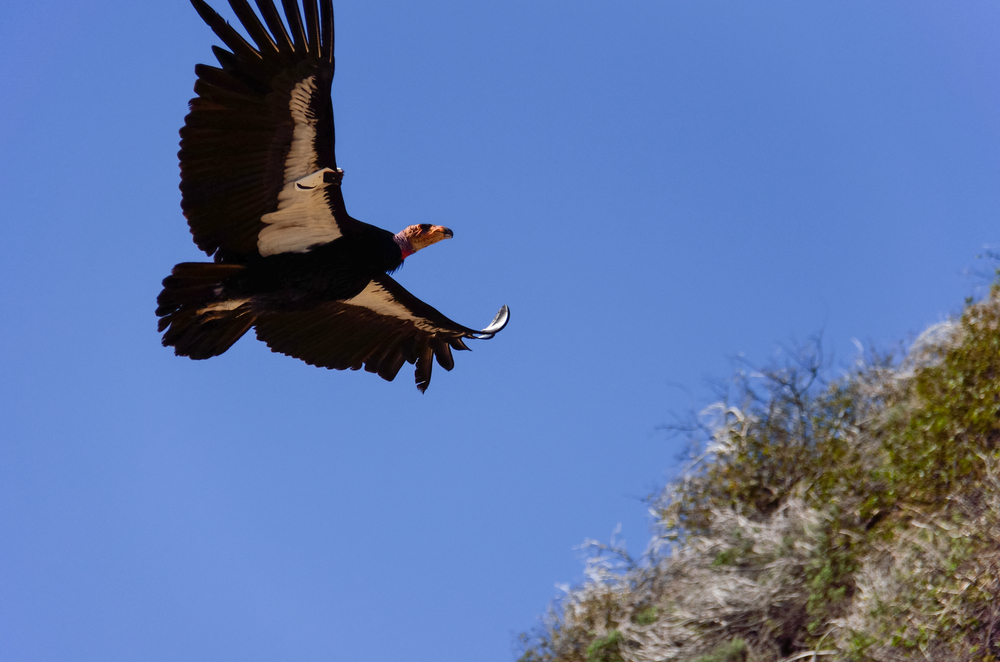
That possibility alone has stunned conservationists across California because it may signal the first wild California condor nest seen in Northern California in around 130 years. The species was once pushed so close to extinction that only about 20 birds remained alive in the wild during the 1980s. Decades of captive breeding, monitoring, and reintroduction programs slowly brought the population back from collapse. Now, after years of work by the Yurok Tribe and wildlife officials, a pair of condors may finally be attempting to raise a chick on their own in the forests where the species once thrived naturally.
A Motionless Condor Led Researchers To A Hidden Nest
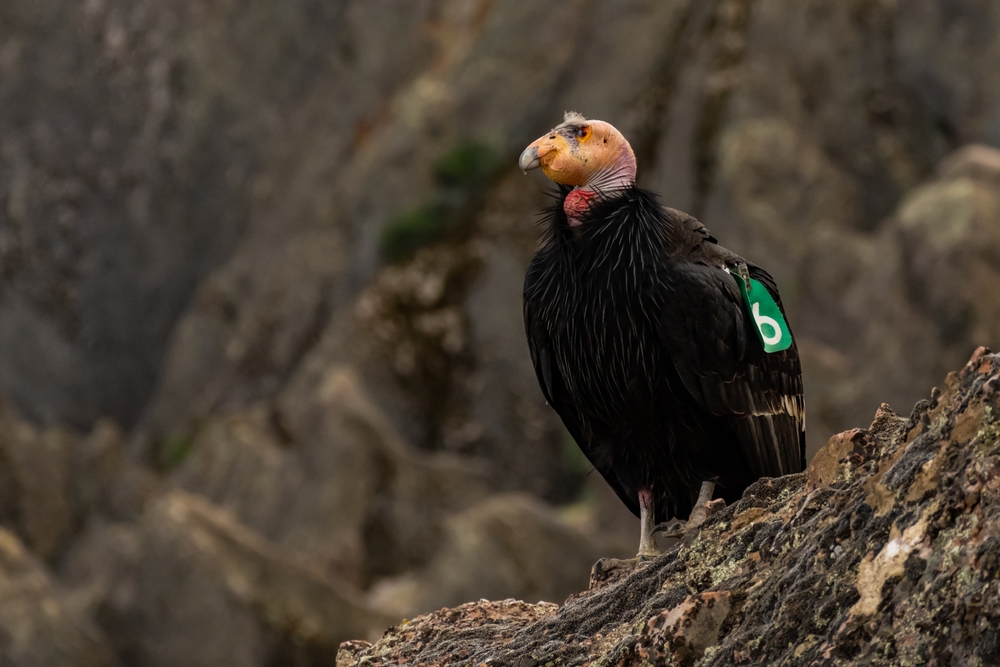
Wildlife teams with the Yurok Tribe Wildlife Department had been tracking the male condor when they noticed something unusual in the transmitter data. The bird had not moved for several hours, which immediately raised concern among researchers because motionless signals often suggest injury or death. Conservationists rushed to investigate, expecting the worst.
Instead, they found the condor settled deep inside a nesting area. Chris West, a wildlife biologist with the Yurok Tribe Wildlife Department, described the moment by saying, “He was just hunkered down so well on an egg and incubating.” The behavior matched what researchers normally see when condors begin nesting in the wild.
Scientists have not directly confirmed the egg because the suspected nesting site sits deep inside protected forestland. Disturbing condor nests can cause parents to abandon eggs, so conservation teams are relying heavily on movement data from tracking devices instead of approaching too closely. Researchers say the male and female appear to be taking turns guarding the nest while the other bird leaves briefly to feed.
The possible nest represents a major moment for Northern California because wild condor breeding has not been documented in the region for roughly 130 years. Conservationists believe the pair could potentially produce the first chick born and raised naturally in the area since the species disappeared from the region generations ago.
California Condors Were Nearly Wiped Out
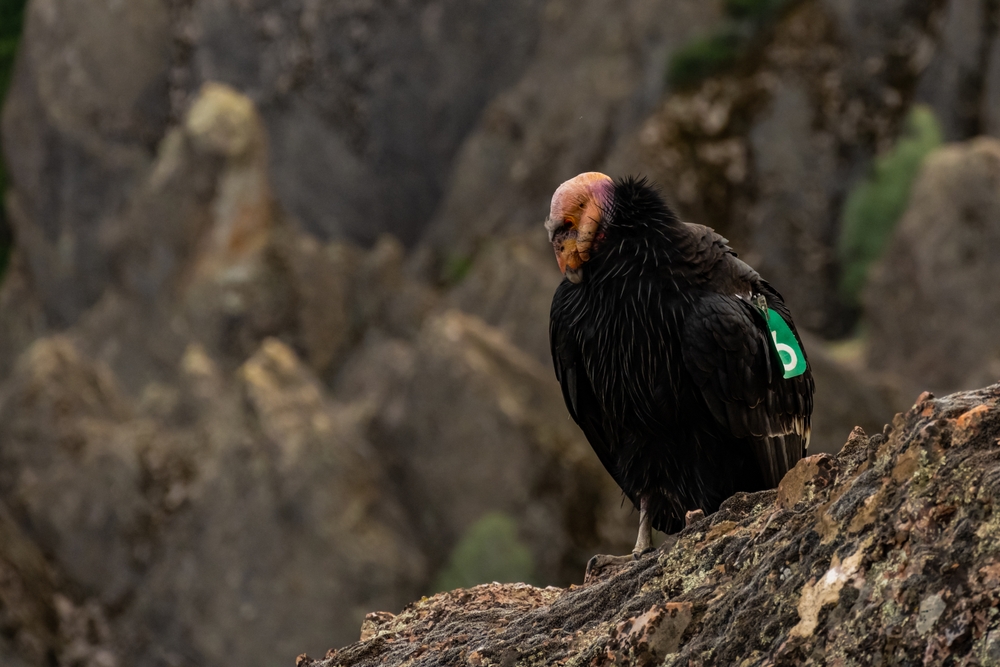
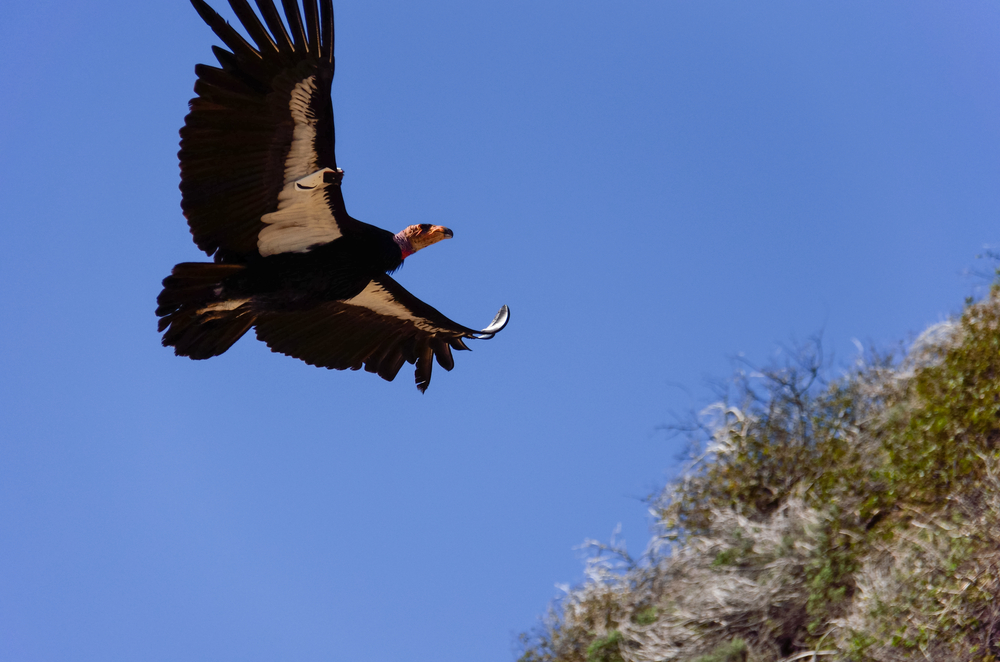
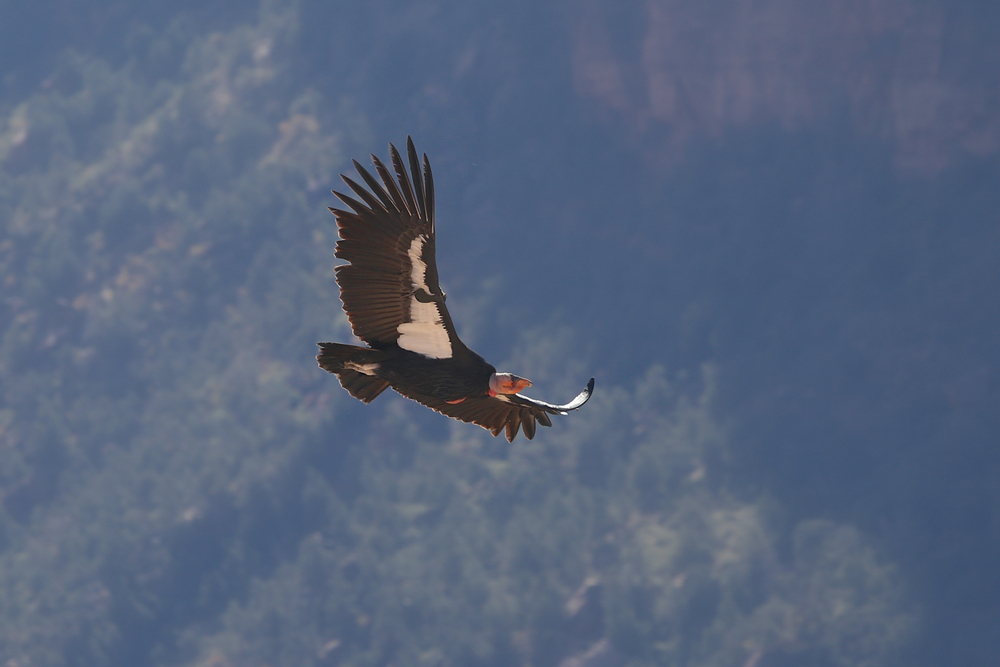
California condors once stretched across huge portions of the West Coast, flying from British Columbia all the way to Mexico. With wingspans reaching nearly 10 feet, the birds became one of North America’s most recognizable scavengers. Their numbers collapsed over time because of habitat destruction, poaching, and lead poisoning from ammunition left in animal carcasses.
By the 1980s, the species had reached a catastrophic point. Researchers estimated that only about 20 California condors remained alive in the wild. Wildlife officials launched emergency recovery programs that captured the surviving birds and began breeding them in captivity to stop the extinction from becoming permanent.
Those conservation programs slowly rebuilt the population over decades. Today, there are nearly 400 California condors living in the wild across California, Arizona, Utah, and Baja Mexico. Even with those gains, the species remains critically vulnerable because condors reproduce slowly and continue facing threats connected to human activity.
Northern California only began releasing condors back into the wild in 2022, which makes the current nesting behavior especially important. Just 24 condors currently live in the region, meaning every potential chick could significantly strengthen the population’s future.
The Yurok Tribe Spent Years Bringing Condors Home
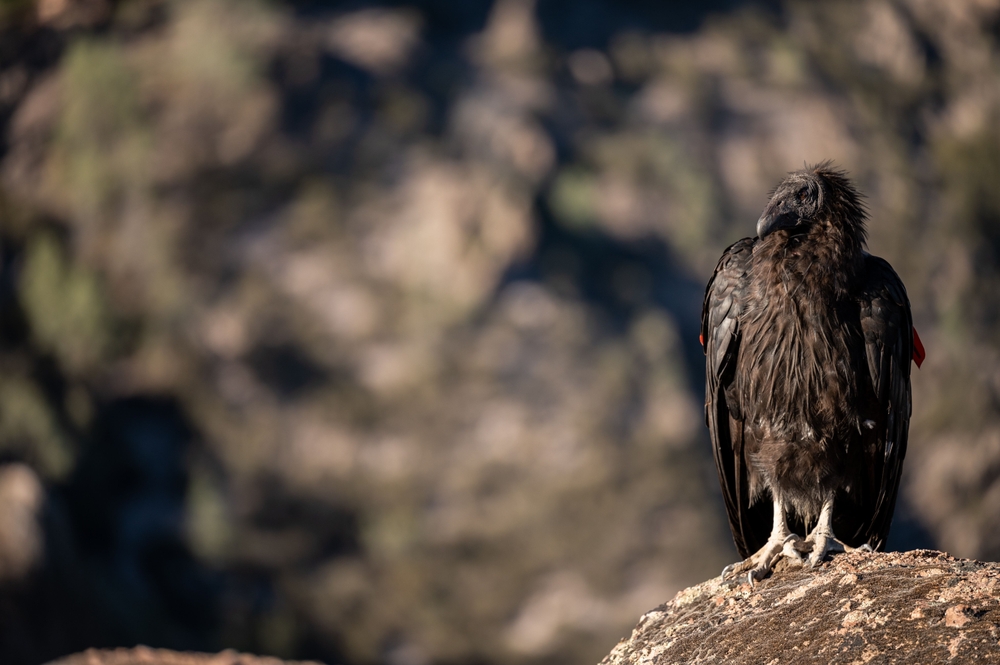
The possible egg is the result of nearly two decades of restoration work led by the Yurok Tribe alongside state and federal wildlife agencies. For years, the tribe pushed to return condors to their ancestral territory after the birds disappeared from the region following European settlement.
The female condor involved in the suspected nesting attempt is known as Ney-gem’ ‘Ne-chween-kah, which translates to “she carries our prayers.” She was bred at the Oregon Zoo before being released into Northern California. Her mate, Hlow Hoo-letl, was born at the World Center for Birds of Prey. His Yurok name translates to “at least I fly!”
Researchers first noticed the pair bonding last year when the two condors repeatedly separated themselves from larger social groups. Chris West explained the behavior by saying, “As soon as you see a male and female of breeding age spending time away from the rest of the group, you really get suspicious, because they’re very social and they hang out in large social groups.”
At the time, those early interactions did not lead to offspring. This year, however, the pair returned to the same isolated behavior patterns before settling into what researchers now believe is an active nesting site hidden deep in the forest.
First-Time Condor Parents Still Face Serious Risks
Even if there is an egg inside the nest, conservationists know the process remains extremely fragile. California condors reproduce very slowly, with most pairs laying only one egg per year. That means every nesting attempt carries enormous weight for the survival of the species.
Researchers also say these birds are inexperienced parents, which increases the possibility of mistakes during incubation. Early observations reportedly showed the male condor spending too much time away from the nest, creating concern that the egg could become too cold to survive.
West later said the male’s behavior began improving significantly after those early problems. “After a few days he really got locked in and he has spent periods of time in there up to eight days straight without leaving. So he’s doing a really good job now,” he explained.
Scientists still do not know whether the egg will successfully hatch. Researchers expect they may have a clearer answer within the coming weeks as they continue monitoring movement patterns around the suspected nesting site.
Why Wild Condor Births Matter More Than Captive Breeding
Captive breeding programs played a critical role in preventing the California condor from disappearing forever. Zoos and wildlife organizations across the United States have spent decades carefully breeding condors and preparing them for release into the wild. Just recently, the Oregon Zoo announced the successful birth of seven California condor chicks.
Wild nesting behavior carries a completely different level of importance because it signals that condors may finally be rebuilding self-sustaining populations without direct human control. A species can survive in captivity for years, but true recovery depends on animals successfully reproducing and raising offspring naturally in the wild.
Conservationists believe this possible nesting attempt shows younger condors are beginning to reclaim habitats their species lost generations ago. The birds appear to be establishing pair bonds, choosing remote nesting areas, and following natural reproductive instincts without human assistance.
Researchers say that process takes time because condors mature slowly and often require years to develop successful parenting behavior. Even failed nesting attempts can help young birds gain experience that improves future breeding success.
The Redwood Region Could Become A Condor Stronghold Again
Northern California’s redwood forests provide several advantages for condors attempting to rebuild wild populations. The remote terrain offers protection from predators and human disturbance while providing large stretches of undeveloped habitat suitable for nesting.
Conservationists still face major challenges despite the encouraging signs. Lead poisoning continues to kill condors after birds feed on carcasses containing bullet fragments from lead ammunition. Wildlife groups have repeatedly encouraged hunters to switch to non-lead alternatives to reduce deaths.
Climate-related threats also create new uncertainty for the species. Wildfires, changing ecosystems, and disruptions to food availability could place additional pressure on condor populations already recovering from decades of decline.
Even with those risks, conservationists see the suspected egg as proof that years of restoration work are beginning to produce results. Chris West summed up the cautious optimism surrounding the possible nest by saying, “This is all a learning process for them. And if they do fail, then they try again next year. These birds will get there. Just might take them a little bit of time.”
Sources:
- Gymnogyps californianus | U.S. Fish & Wildlife Service. (n.d.). FWS.gov. https://www.fws.gov/species/california-condor-gymnogyps-californianus
- California Condor | Santa Barbara Zoo. (n.d.). https://www.sbzoo.org/california-condor
- California Condor | The Peregrine Fund. (n.d.). https://peregrinefund.org/projects/california-condor
Animal Conservation, biodiversity, bird conservation, California condor, California wildlife, climate news, condor egg, condor nesting, condor recovery, endangered species, Environmental News, National Parks, nature news, Oregon Zoo, rare birds, Redwood National Park, wild condor, wildlife conservation, wildlife restoration, Yurok Tribe